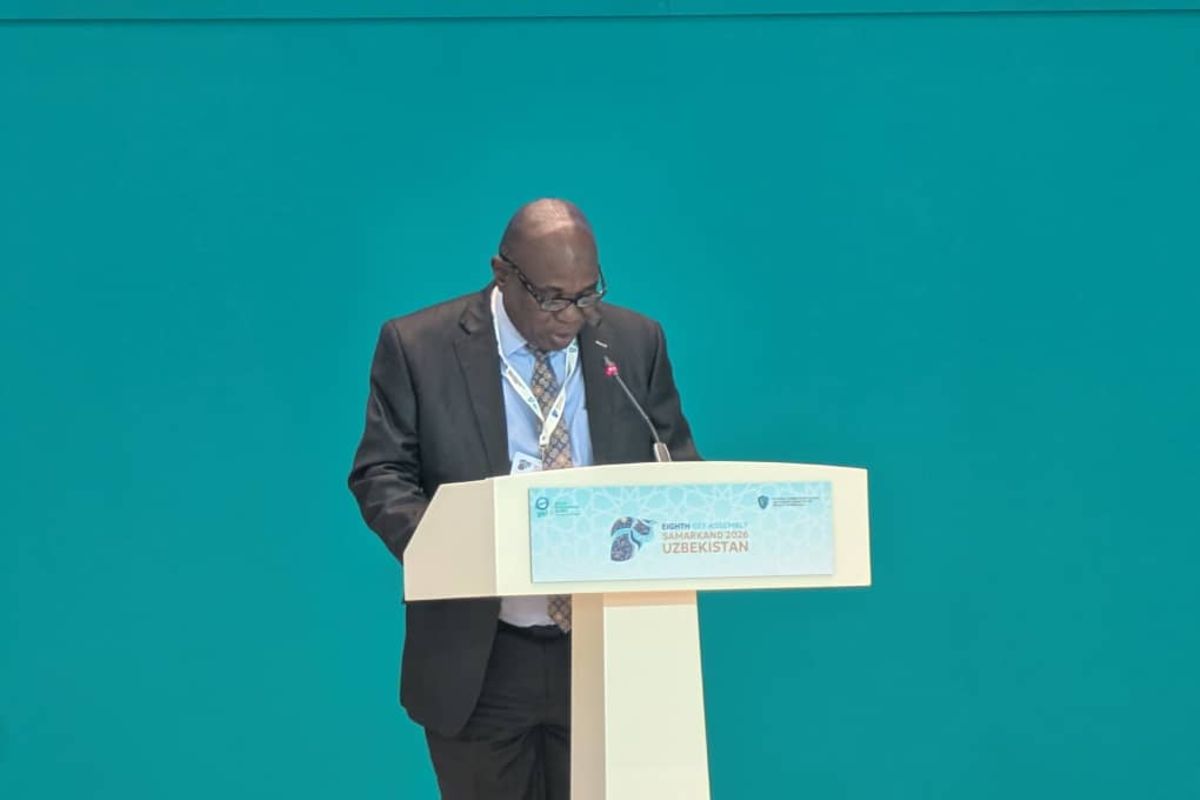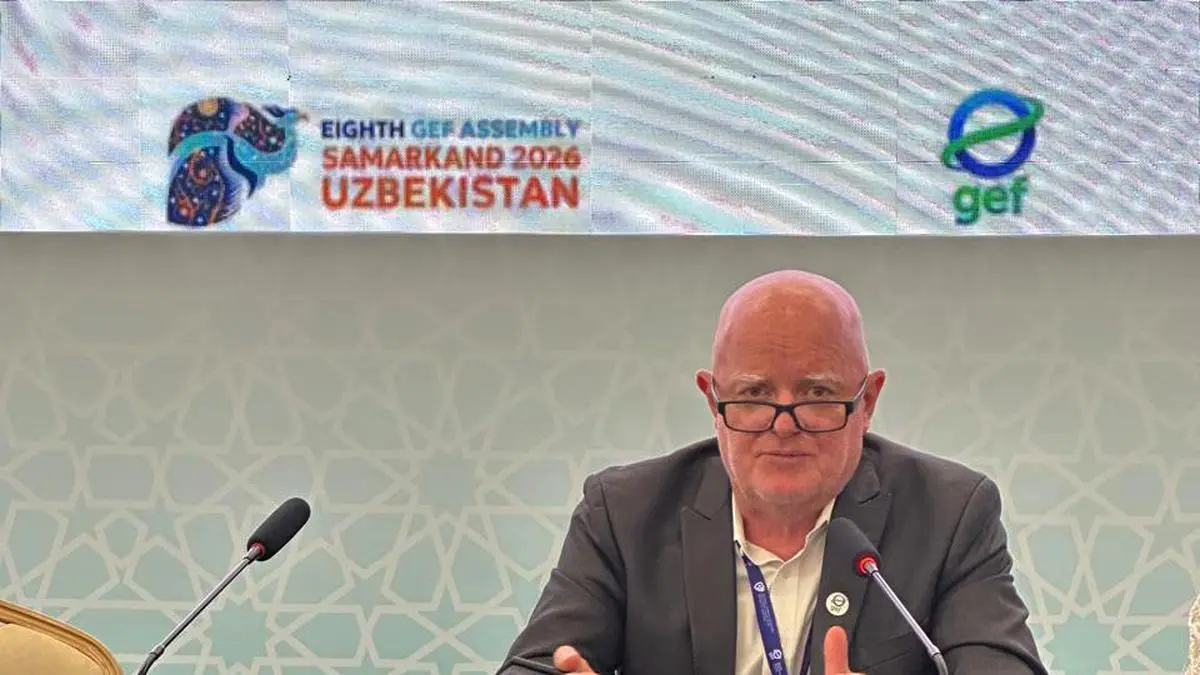
Claude Gascon, Interim CEO and Chairperson, Global Environment Facility
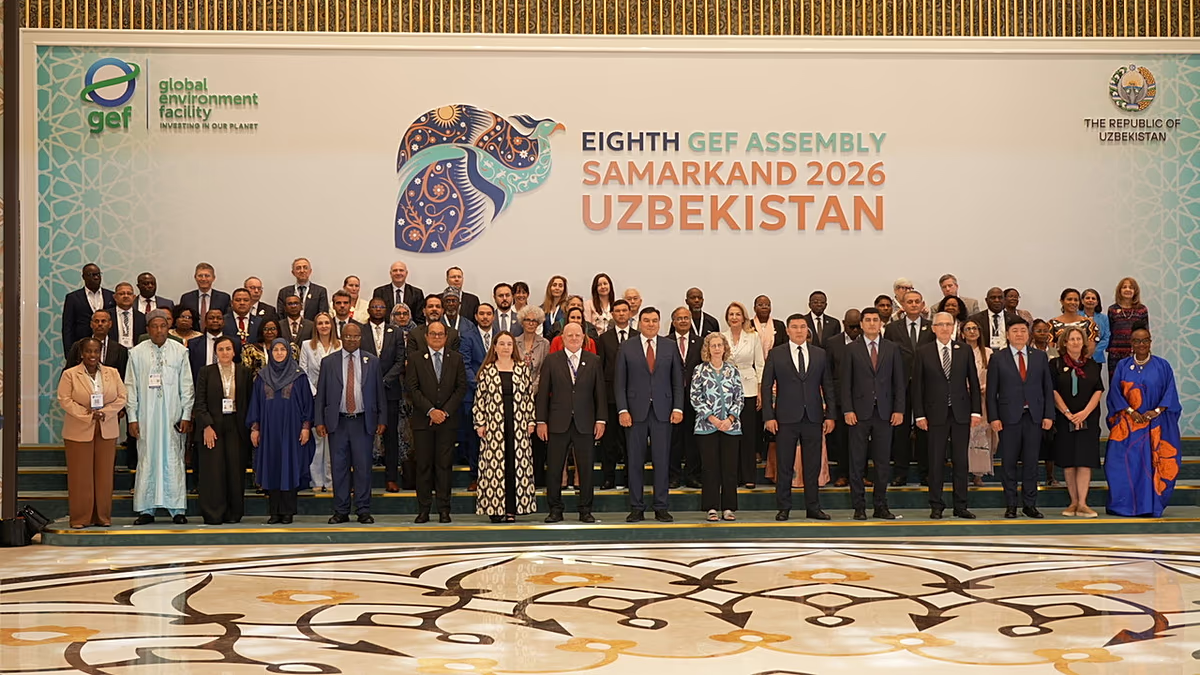
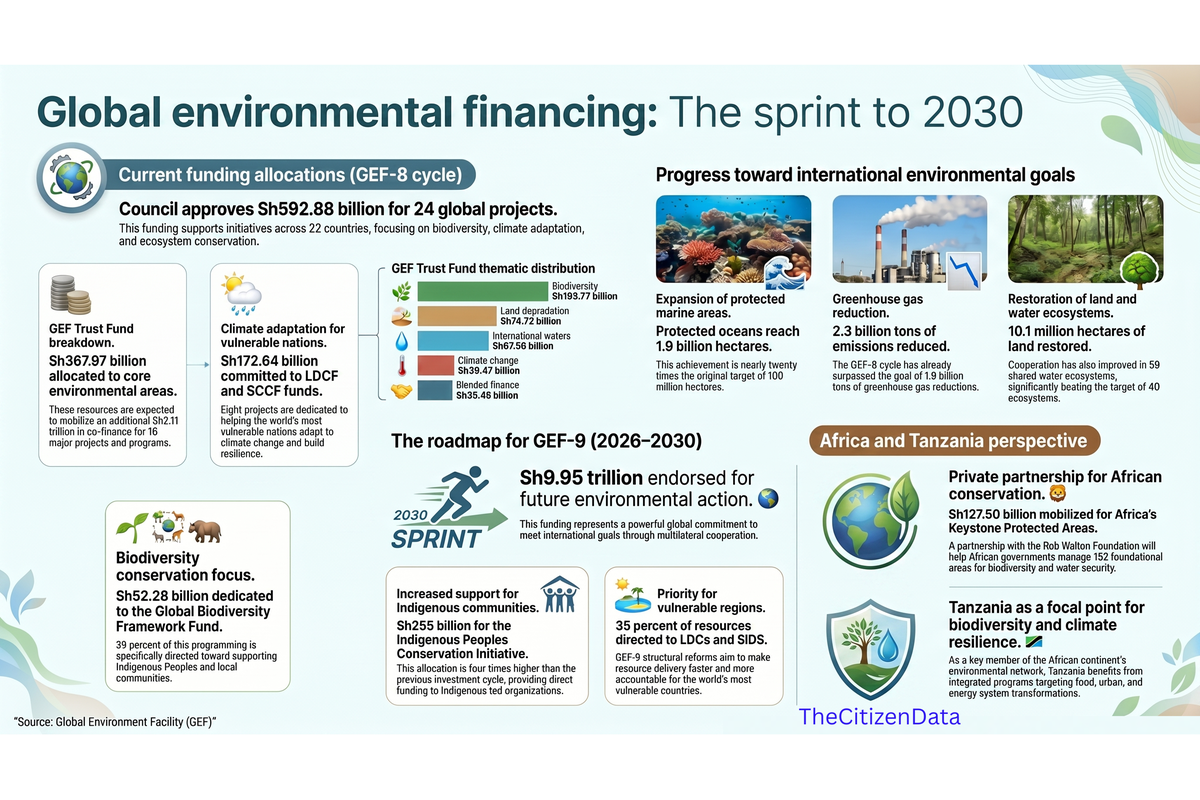
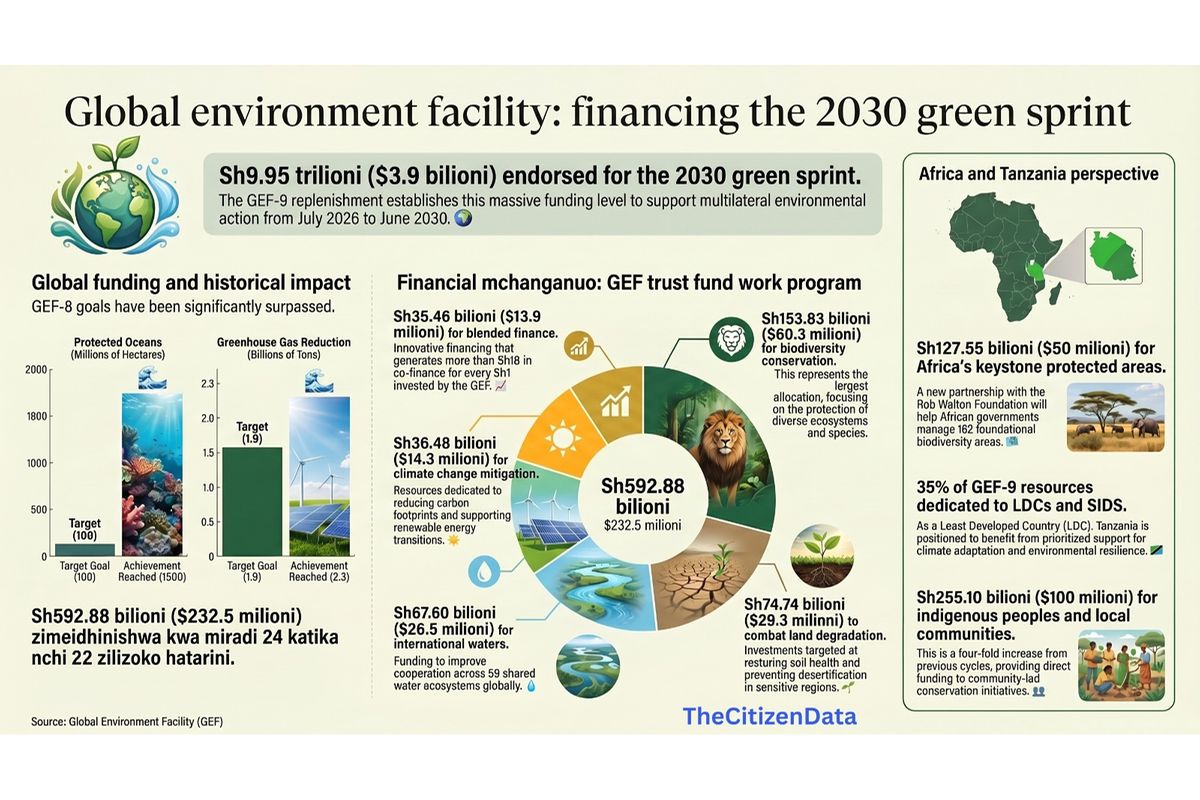
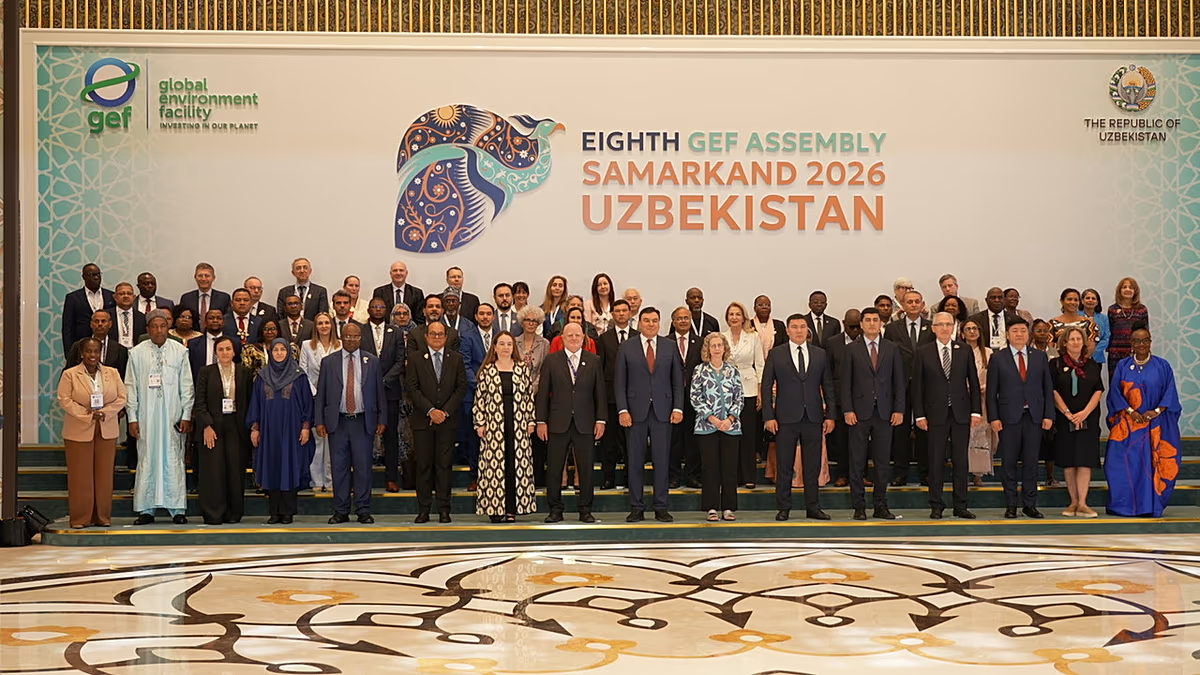
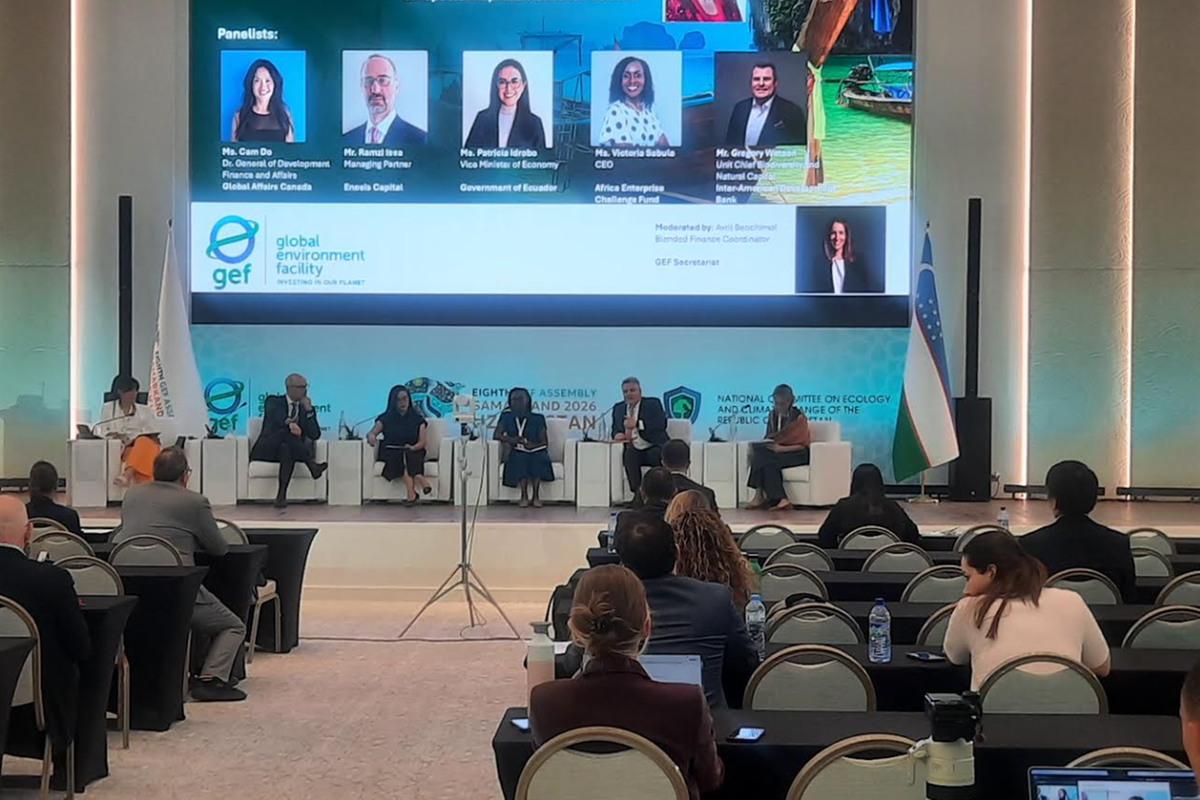
The Global Environment Facility (GEF) will have at least $3.9 billion till 2030 to spend on projects to conserve biodiversity in countries and across borders, combat climate change, and deal with desertification, mercury poisoning and persistent organic pollutants. This is almost 36 per cent less than the $5.3 billion that the GEF had for the four years ending in 2026 — a reflection of the reduced financing from developed countries to safeguard the earth. The US has not paid for the coming four years. India is paying $20 million, the same as it did four years ago.On the eve of the GEF assembly, held once every four years, on June 2, its council approved a $13.49 million grant to help conserve biodiversity in three states of India — Uttarakhand, Nagaland and Tripura. The World Bank is lending $30 million for the project.During the meet in Samarkand, Uzbekistan, from May 30 to June 6, the GEF approved 24 projects in 22 countries and promised to spend $232.5 million for them. As GEF interim CEO Claude Gascon said, GEF remains the “prime financing mechanism for the global environment” as it sponsors projects across intersecting global threats such as climate change, biodiversity loss and pollution. In Gascon’s words, the world “can’t afford fragmented responses to integrated crises”. But he was the first to acknowledge that the money GEF had was nowhere near enough.The Intergovernmental Panel on Climate Change and the Intergovernmental Science Policy Platform on Biodiversity and Ecosystem Services — the world’s premier grouping of scientists on the subjects — have repeatedly underlined the need for billions of dollars to avoid fresh damage and repair the damage caused.But there is less money. That was why the 1,900-odd experts and policymakers gathered in Samarkand from around the world kept talking about the need to leverage private sector funding. There was near universal acceptance that government funding will fall far short of what is needed.Gascon talked of every dollar paid by GEF leveraging 18 dollars from the private sector. When asked where these 18 dollars would come from, he said that would differ from project to project, and spoke of species bonds as an example. Rhino and lemur bonds were recently launched in Africa. Their success in raising money from financial markets remains to be seen.Other senior GEF officials said most project co-financing still comes from the World Bank and its regional affiliates. They spoke of the need to go beyond this “comfort zone”. Some talked of GEF grants acting as guarantors of commercial bank loans. Throughout the conference, there were sessions on how to make the language used by the development sector intelligible to private banks and investors.Less money, more red tapeApart from the shortage of money, many developing country representatives spoke up at the conference about funding approvals taking too long and the processes being too complicated. In response, the conference adopted a “package to make the GEF faster, simpler and more accountable, ensuring resources reach countries more effectively”.Of the funds for 2026-30, 35 per cent has been earmarked for least developed countries and small island developing states.Indigenous peoples’ activist groups also raised the issue of funds meant for them being stuck in government red tape in various countries. In response, the GEF has decided to earmark 20 per cent of the funds for indigenous peoples and local communities. A special conservation initiative dedicated to these groups has been allocated $100 million.The new GEF project in Uttarakhand, Nagaland and Tripura — called Conservation of Biodiversity, its Sustainable Use, Fair and Equitable Sharing of Benefits in India (CONSERVE) — will concentrate on community managed forests, wetlands, sacred groves and high-altitude meadows. With the World Bank and the UN Development Programme as the agencies to coordinate with GEF, the project will be run by the National Biodiversity Authority.Adding to the GEF grant and the World Bank loan, the project aims to ultimately raise $75.6 million. The plan is to engage over 25,000 people, at least half of them women, in identifying, mapping, and managing areas that are being protected by communities or are in the buffer zones around protected forests.The plan claims that “communities will not just be consulted, they will co-author the rules of governance for their landscapes. Revenue-sharing agreements will channel financial flows directly back to community institutions, and at least 40 per cent of access and benefit-sharing beneficiaries will be women or women-led groups”.Benjamin Singer of GEF hoped that the project would give people already conserving forests around their homes “legal recognition, data, and finance… The project will produce a replication toolkit that other Indian states can use once national guidelines are officially released”.To do this, the project will build a management information system (MIS) based on data from botanical, zoological, and wildlife institutions. The aim is to use the MIS to build a national biodiversity map to serve as a practical tool while planning any development or infrastructure project.(The writer is India Programme Lead, Earth Journalism Network)Published on June 8, 2026