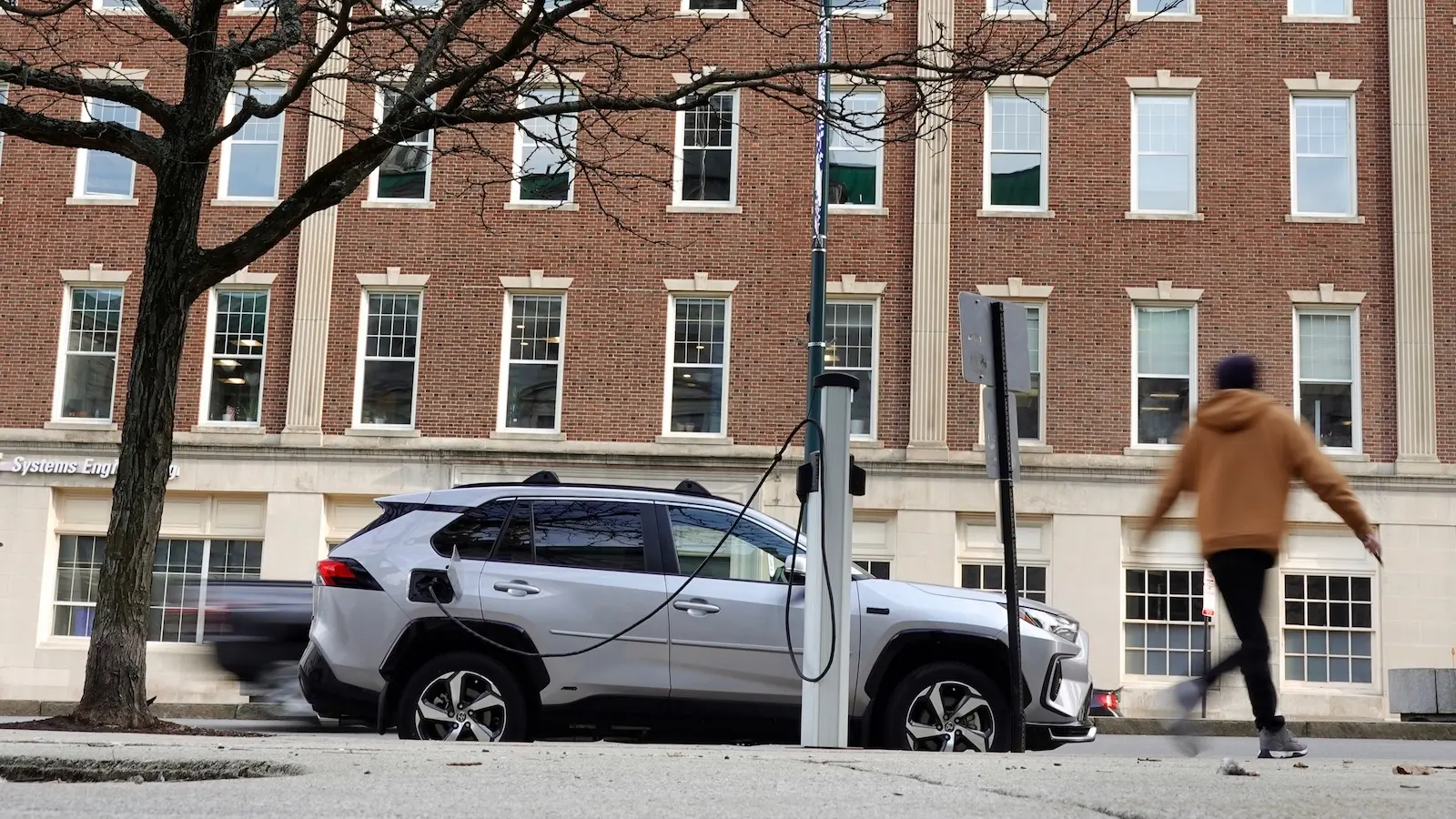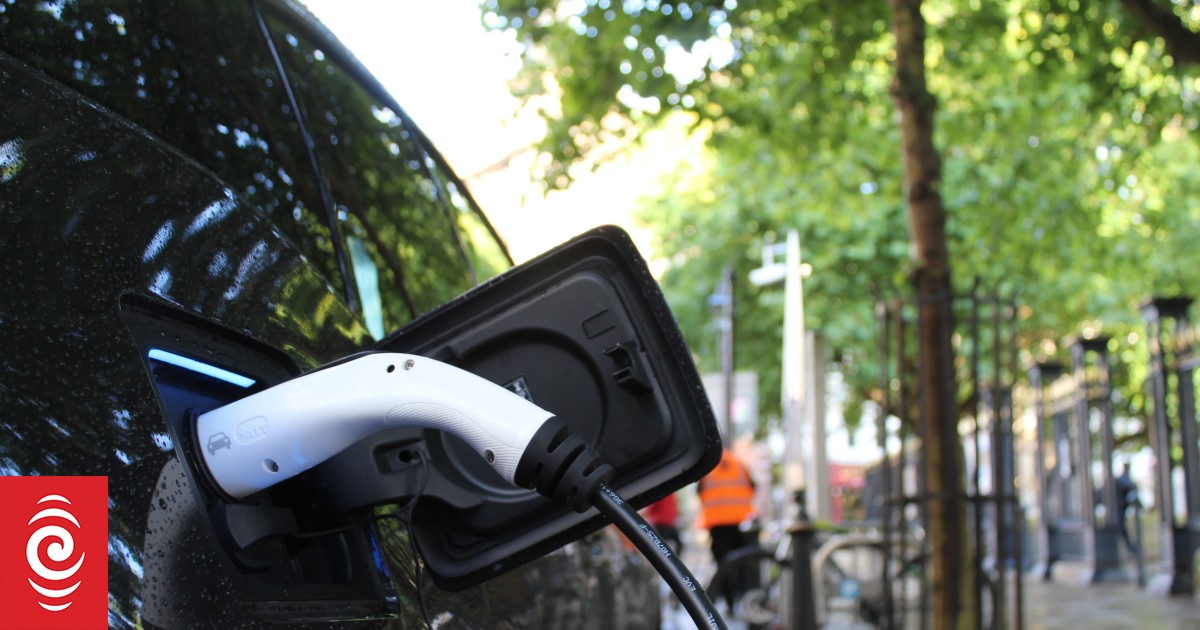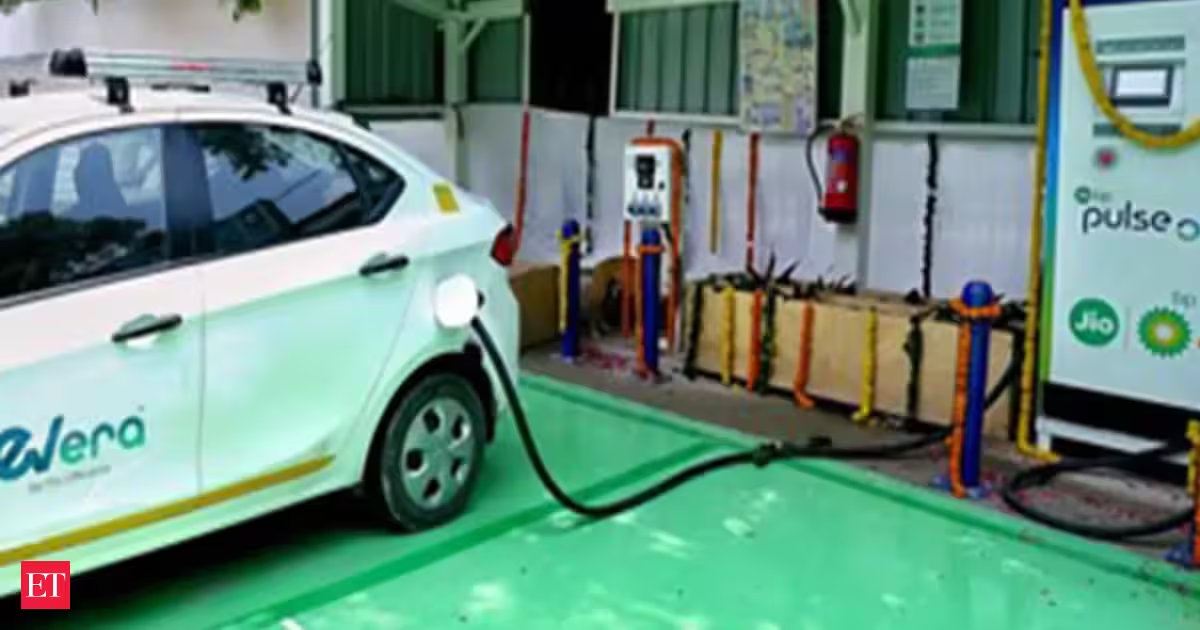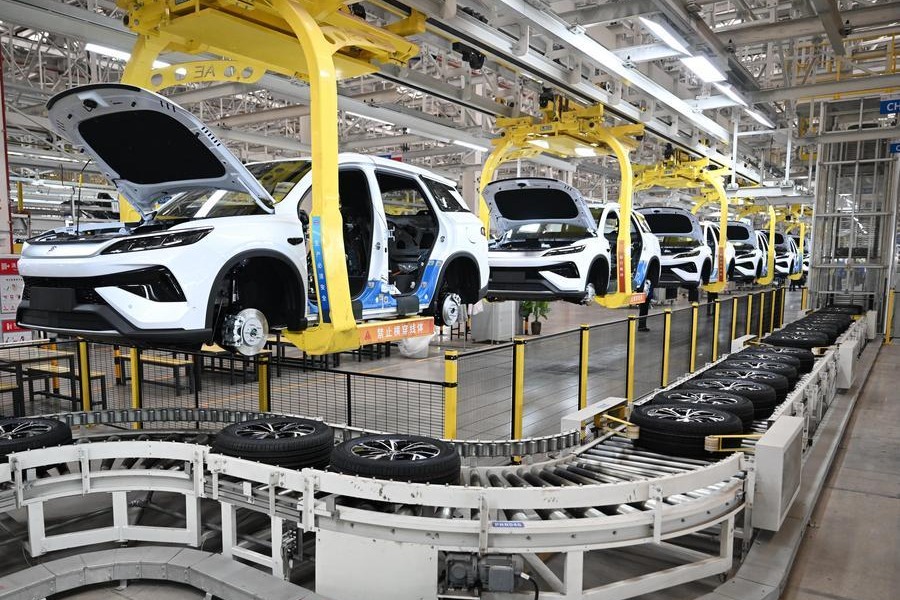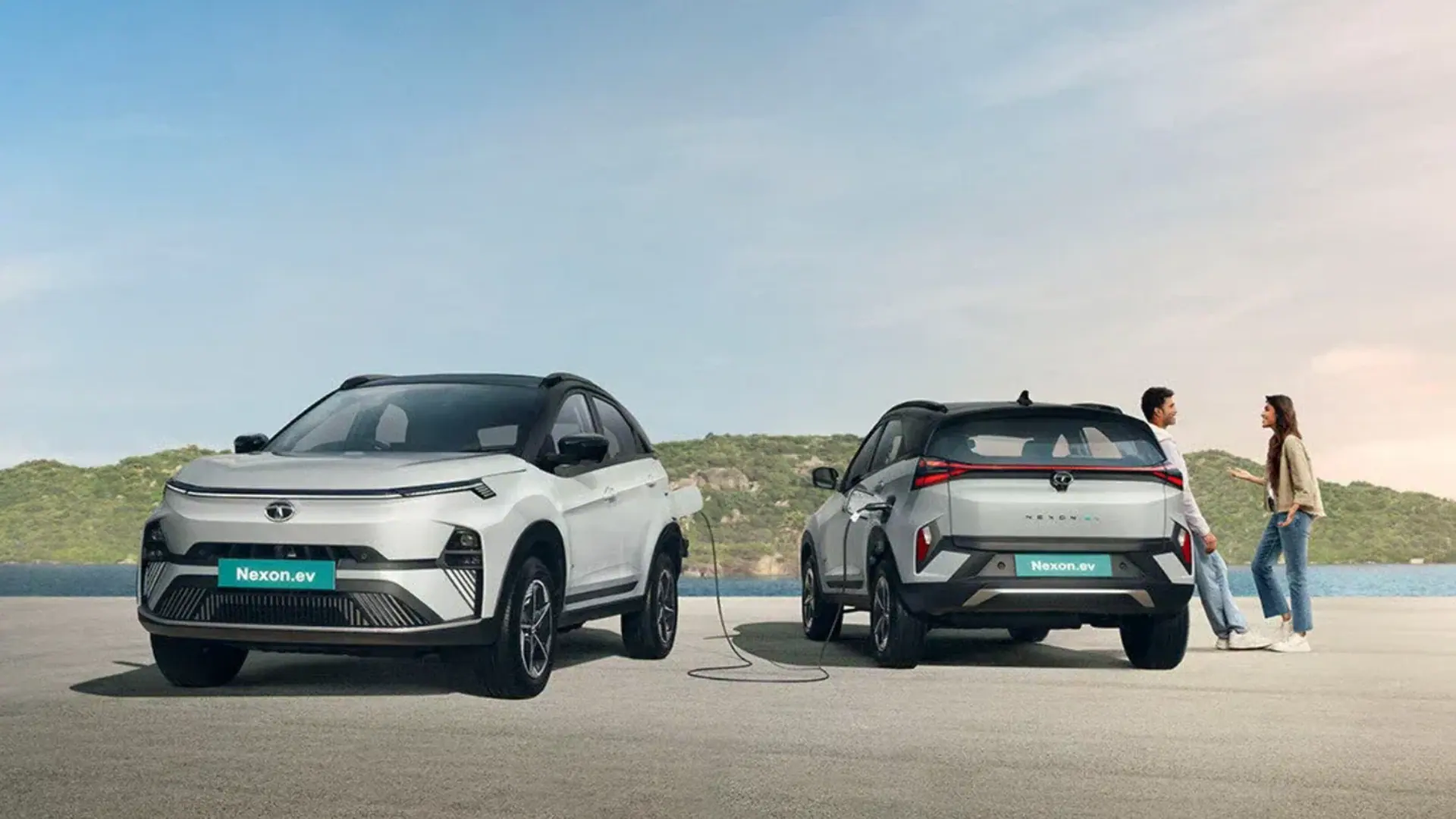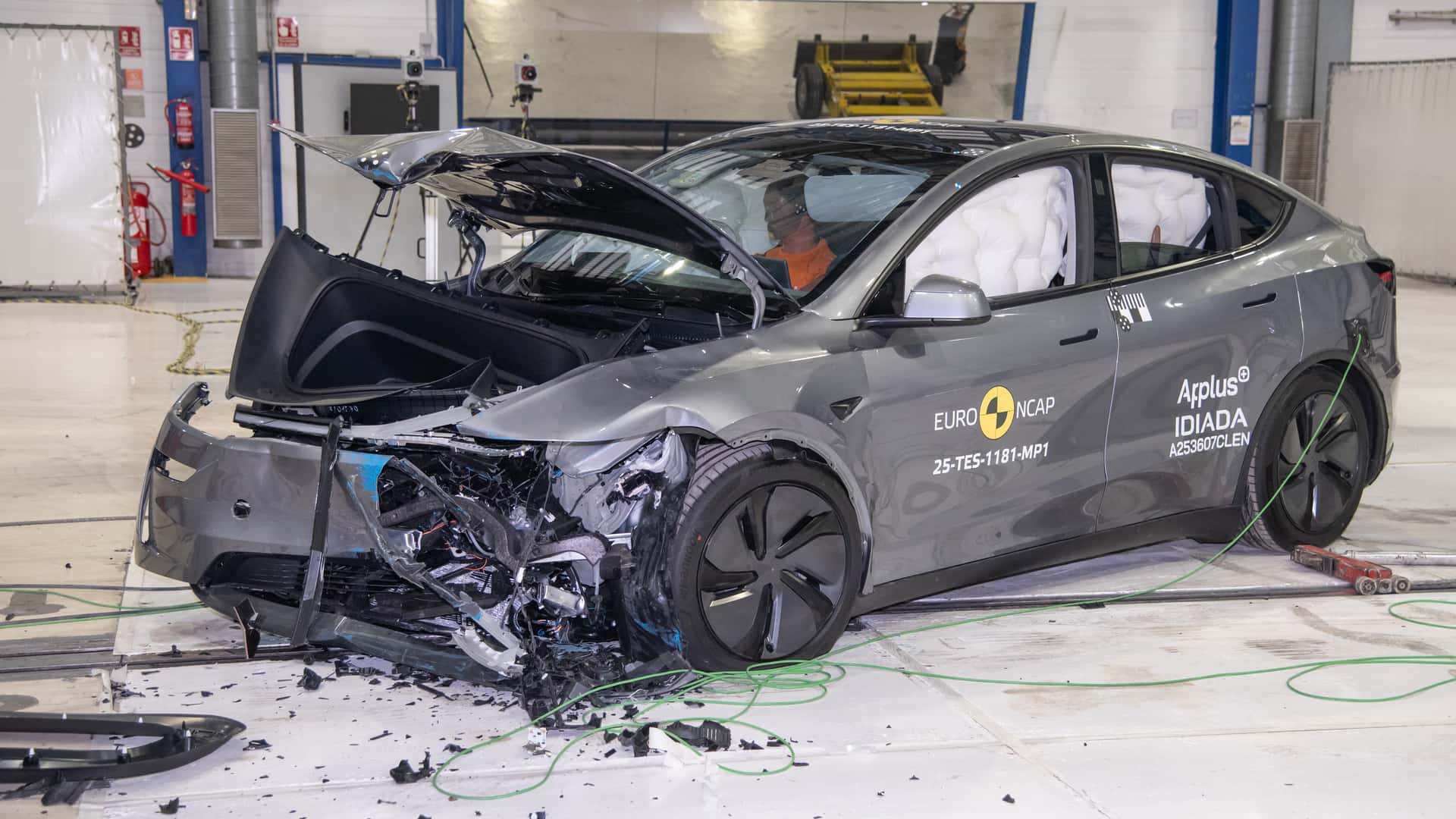
India’s electric vehicle boom is creating an unexpected pressure point for buyers: significantly higher insurance costs compared with petrol cars, even years after purchase.As insurers grapple with expensive battery repairs, sensor-heavy components and limited long-term claims data, EV ownership is reshaping how motor insurance is priced, serviced and renewed in India.Petrol car insurance premiums typically fall 10–15 per cent each year as the vehicles age. In contrast, comprehensive premiums for electric vehicles remain 20–40 per cent higher, while a single claim involving a battery pack or sensor-heavy bumper can sharply inflate renewal costs for years.This hidden ownership shock is steadily rewriting the economics of motor insurance.EV insurance policy issuance surged 670 per cent between FY25 and FY26, from a relatively small base, making EVs the fastest-growing category in the online motor insurance market, even though EVs still account for barely 1 per cent of the country’s insured vehicle fleet.“The EV segment has rapidly evolved from a niche category to one of the most dynamic growth areas within motor insurance,” says Rakesh Jain, CEO of IndusInd General Insurance. “EV insurance is not simply an extension of motor insurance. It is redefining how risk is assessed and priced.”Battery riskThe shift is structural because the battery is no longer just another component in the vehicle — it has become the core insurance risk itself.“The economics of EVs are significantly different, especially with battery packs accounting for nearly 40–60 per cent of the vehicle’s value, which materially impacts claim severity and underwriting assumptions,” Jain says.“In many ways, the battery has become the new engine in EVs,” he adds.A petrol hatchback or compact SUV priced ₹10–12 lakh may attract annual comprehensive insurance premiums of ₹15,000–18,000. An equivalent EV such as the Tata Punch EV or Nexon EV can entail premiums between ₹22,000 and ₹35,000 despite the Insurance Regulatory and Development Authority of India’s 15 per cent green discount on third-party premiums.Industry executives say EV insurance demand is shifting from broad vehicle protection to specialised, component-focused coverage built around batteries, charging systems and high-value electronics.The challenge is less over accident frequency and more over claim severity. A lithium-ion battery pack can account for 35–50 per cent of an EV’s manufacturing cost, and even relatively minor underbody impacts can trigger expensive inspection and replacement protocols because of the thermal runaway risks associated with damaged battery cells.“Battery protection is becoming a key consideration for customers, given its high cost and central role in EV performance,” says Ajay Prabhu, Managing Director – Affinity, Lockton India.Unlike petrol vehicles, with which insurers have decades of actuarial history, EVs are a relatively young asset class with limited long-term data on battery degradation and repair behaviour under Indian operating conditions. That uncertainty is pushing insurers towards more conservative pricing models.Expensive repairsEVs require specialised workshops, high-voltage trained technicians and authorised repair networks; and since the modern bumpers integrate sensors, radar modules and cameras, even low-speed collisions lead to significantly more expensive repairs.Says Dinesh Mosamkar, Senior Vice-President – Consumer Underwriting at Tata AIG, “Many insurers are investing in improving their claims capabilities, developing partnerships with EV ecosystem participants and training technicians to better serve this growing market.”The renewal shockIn ICE vehicles, insurance costs usually decline each year as depreciation reduces the value of the insured asset. In EVs, however, that downward glide path is becoming less predictable.Zero-depreciation cover, battery protection, roadside assistance and electronics-related riders are increasingly becoming essential rather than optional for EV owners. These costs do not decline meaningfully with vehicle age and, in some cases, rise as insurers price ageing battery systems more conservatively.A single claim involving bumper sensors or recalibration can wipe out accumulated no-claim bonuses, while insurers are simultaneously adjusting renewal pricing based on emerging EV claims data.This is creating a sharper divergence between claim-free owners and drivers who file even small claims.Dealership ecosystemThe battle for EV insurance market share is increasingly shifting away from retail comparison platforms to embedded dealership ecosystems.Private insurers are integrating underwriting APIs directly into OEM billing systems, allowing policies to be bundled with vehicle purchases before customers can meaningfully compare prices.The market is also rapidly expanding beyond metro cities. “EV growth is no longer limited to metros,” Lockton India’s Prabhu says, pointing to the rising penetration in tier-2 and tier-3 markets, supported by financing access and improving charging infrastructure.Mahindra Finance says its EV insurance business expanded four-fold in FY26 as adoption accelerated beyond urban centres. “We are working with insurance companies to make products specifically designed for this segment,” says Raul Rebello, MD and CEO.Battery liability trapThe next disruption is battery-as-a-service, or BaaS, which separates battery ownership from vehicle ownership itself.The model — now spreading from JSW MG Motor to Tata Motors and upcoming Maruti Suzuki EV programmes — lowers upfront purchase prices by ₹2.5–5.5 lakh because the battery remains a leased asset owned by a financier or infrastructure partner.But it also introduces a major insurance complication. In a total-loss event, a conventional insurance policy typically settles only the depreciated value of the vehicle chassis. The leased battery may not automatically be covered under the same settlement, potentially leaving the customer exposed to residual battery liability.Insurers are now developing dual-beneficiary EV policies that split payouts between the vehicle owner and battery financier. “EV insurance is steadily moving away from a one-size-fits-all approach towards a more data-driven and customer-centric ecosystem,” IndusInd GI’s Jain says.The underwriting process itself is becoming more data-driven, with insurers relying on battery management system logs and connected-vehicle diagnostics to determine liability and claims attribution.Service anxietyAs charging infrastructure expands, insurers say the nature of EV ownership anxiety itself is changing. “Roadside assistance has become a critical component of EV insurance,” Jain says, noting that customers increasingly worry more about service assurance and reliability than range anxiety.Insurers are redesigning roadside assistance systems to resolve EV-specific challenges such as battery depletion, specialised towing, mobile charging support and high-voltage breakdown handling, Prabhu says. Mosamkar adds that insurers are increasingly building EV-trained technician networks and specialised servicing capabilities to support the transition to electric mobility.Business opportunityFor insurers and financiers alike, however, the long-term opportunity remains too large to ignore. Higher insured values, richer add-on penetration and connected-vehicle ecosystems are rapidly turning EV insurance into one of the most important growth segments in non-life insurance.Says Mahindra Finance’s Rebello, “We are well positioned to grow the opportunity via our vast distribution network of around 1,300 branches.”The industry believes premiums may gradually stabilise as repair ecosystems deepen, battery localisation improves and insurers accumulate more long-term EV claims data.But for now, the EV transition is reshaping something buyers rarely think about at the showroom — the long-term cost of staying insured.Published on June 8, 2026
The insurance jolt for buyers of electric vehicles
Explore how the electric vehicle boom is reshaping insurance costs, coverage, and servicing for buyers in India.
1,104 words~5 min read