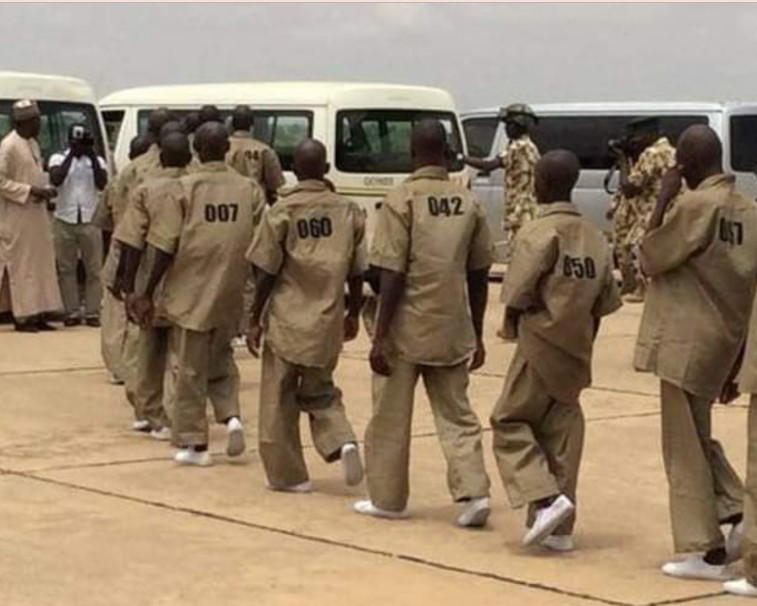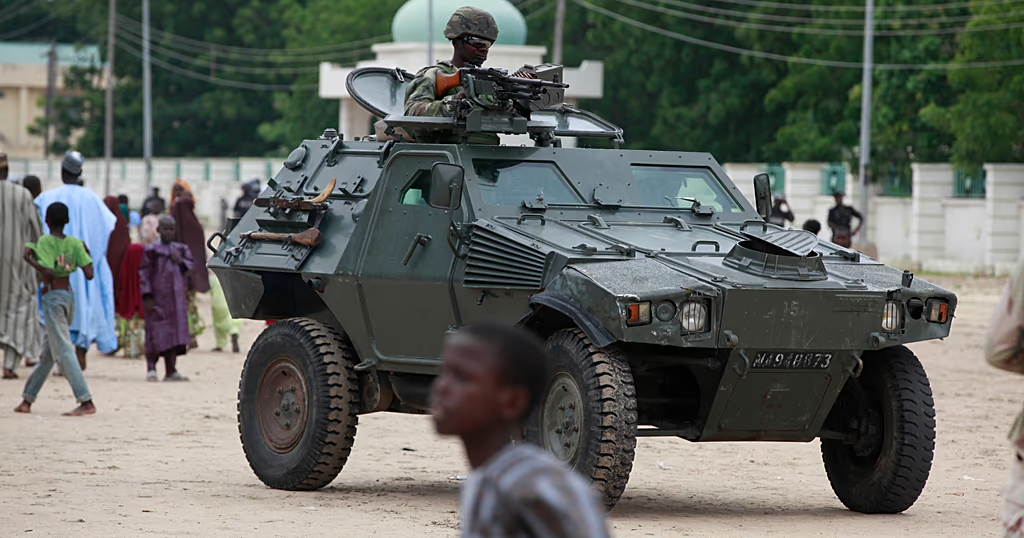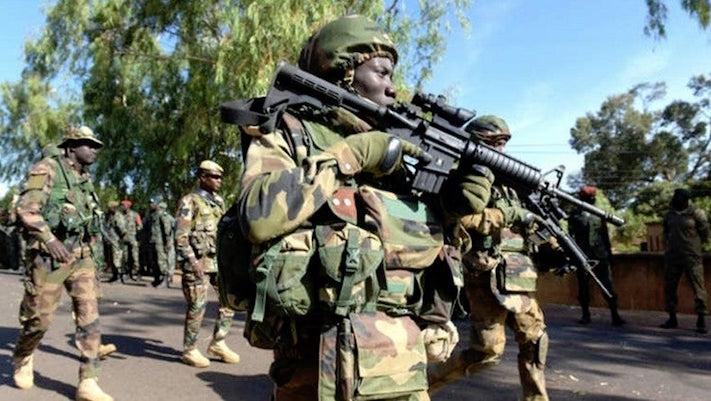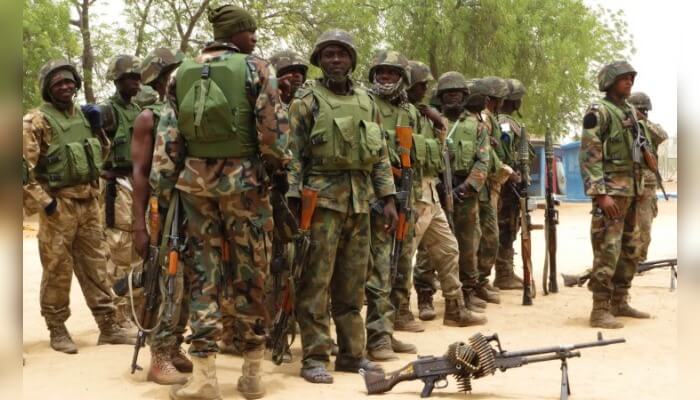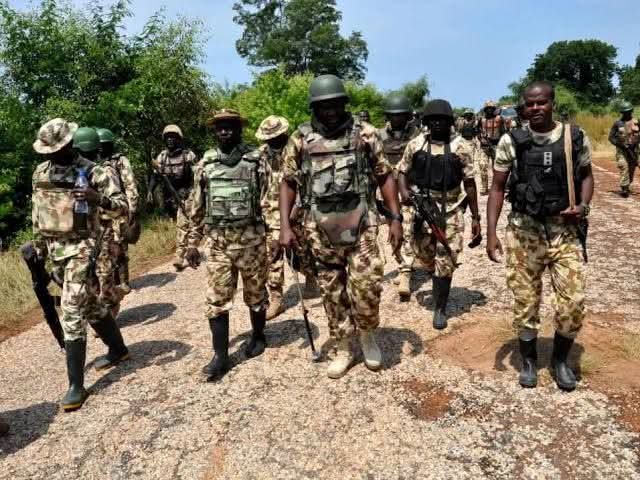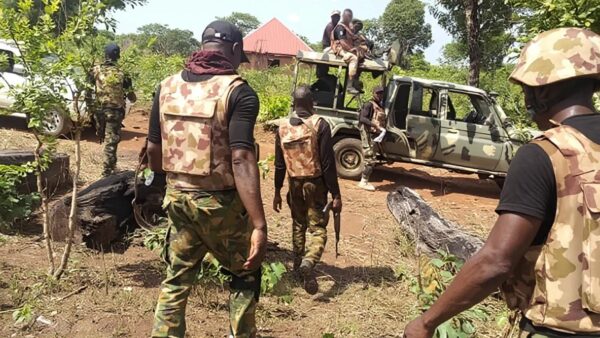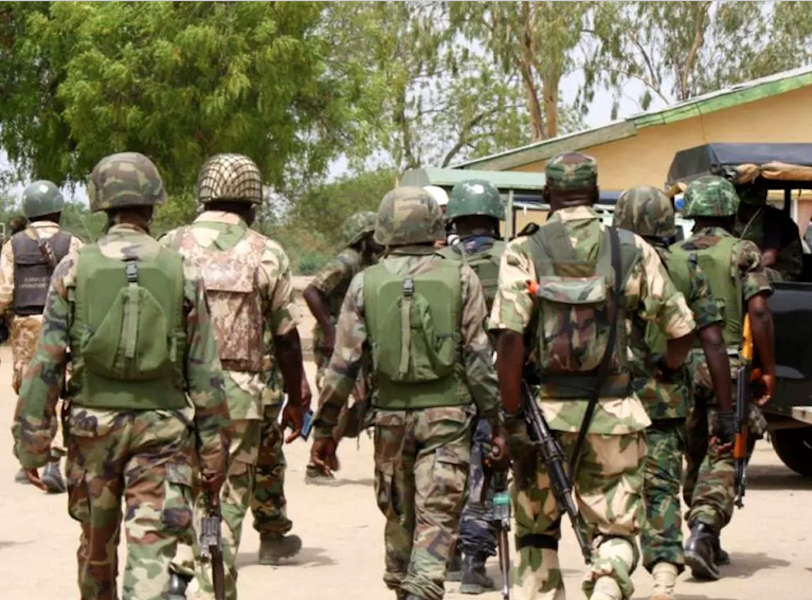
The killing of five soldiers and three CJTF members during a Boko Haram attack on a Nigerian Army base in Borno is a painful reminder that the war on terror is far from over. Eight lives lost in a single assault is not just a statistic – it is a tragedy for families, for the military, and for a nation still struggling to secure the Northeast.
This attack raises urgent questions about the state of our military installations in the region. How did a terrorist group armed with gun trucks and explosives manage to breach an army base? Are our forward operating bases adequately fortified, manned, and equipped to withstand coordinated attacks? The frequency of raids on military positions suggests that insurgents still have the capacity to plan and execute complex operations.
We must also ask about intelligence. Successful attacks on military targets do not happen without some level of planning and movement. Did our security agencies have prior warning of this raid? If not, what gaps exist in intelligence gathering and sharing within the theater of operations? If yes, why was the base still vulnerable?
The role of the Civilian Joint Task Force deserves commendation. Three CJTF members died fighting alongside soldiers. These civilian volunteers continue to risk their lives with little recognition and often inadequate equipment. What is government doing to better protect, train, and support them? Their sacrifice should not be in vain.