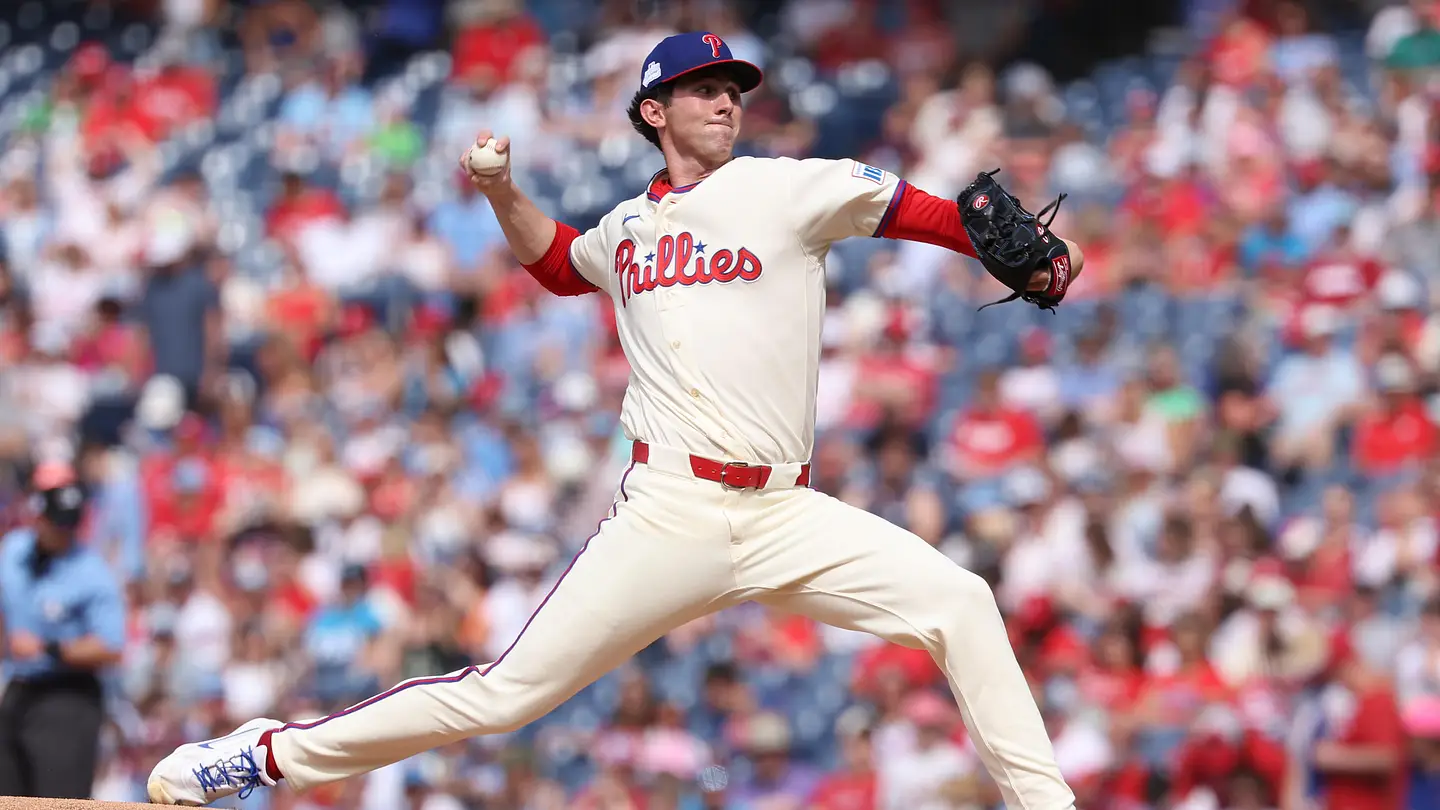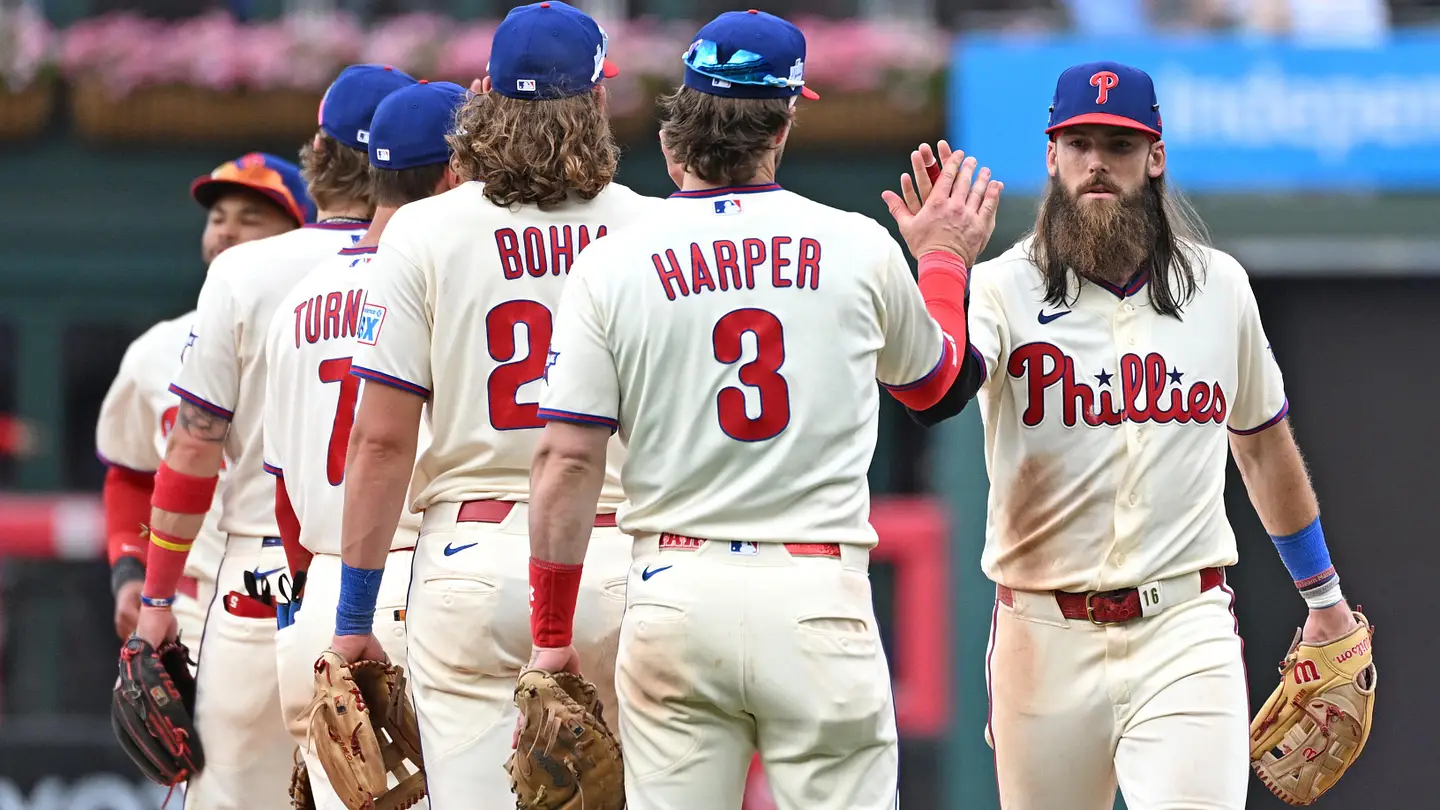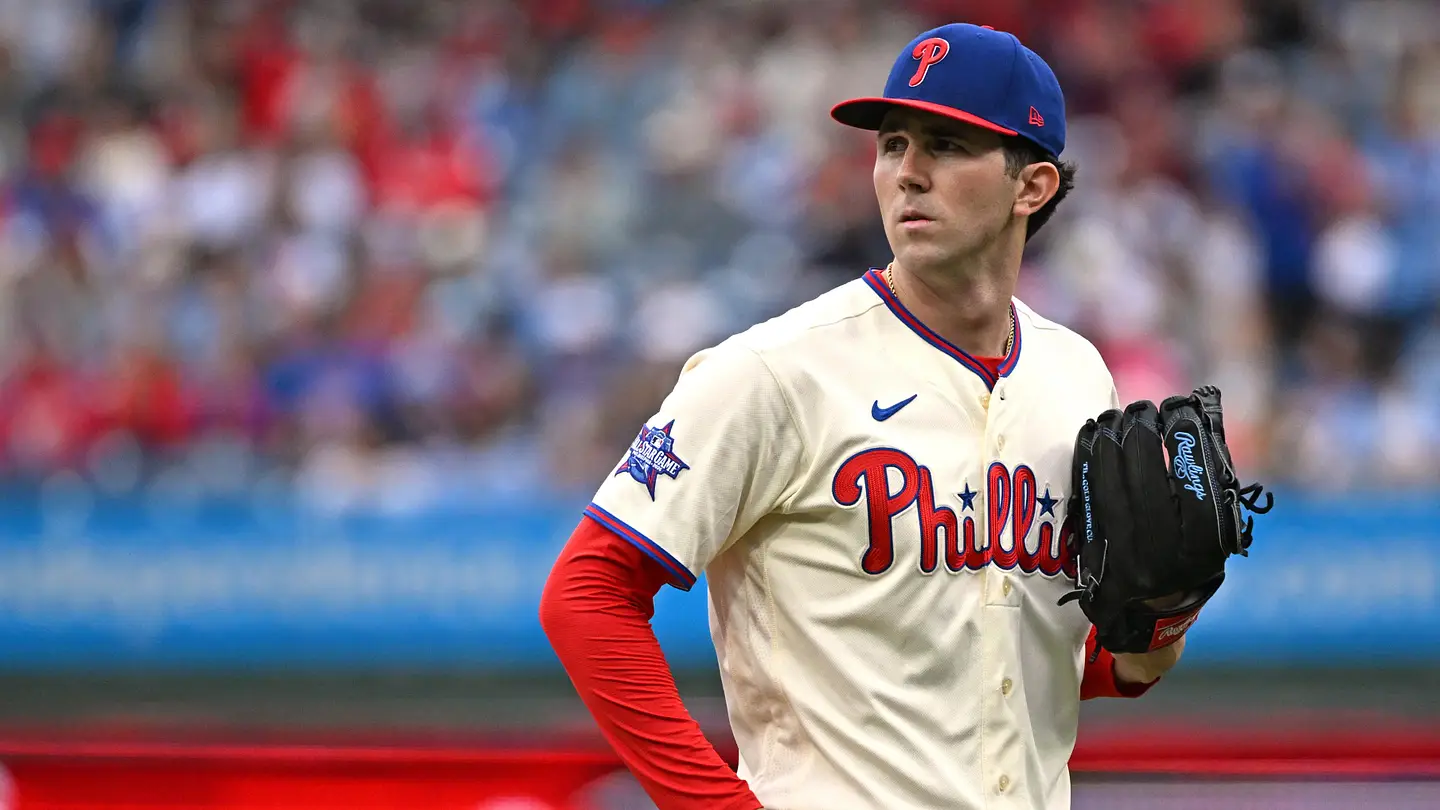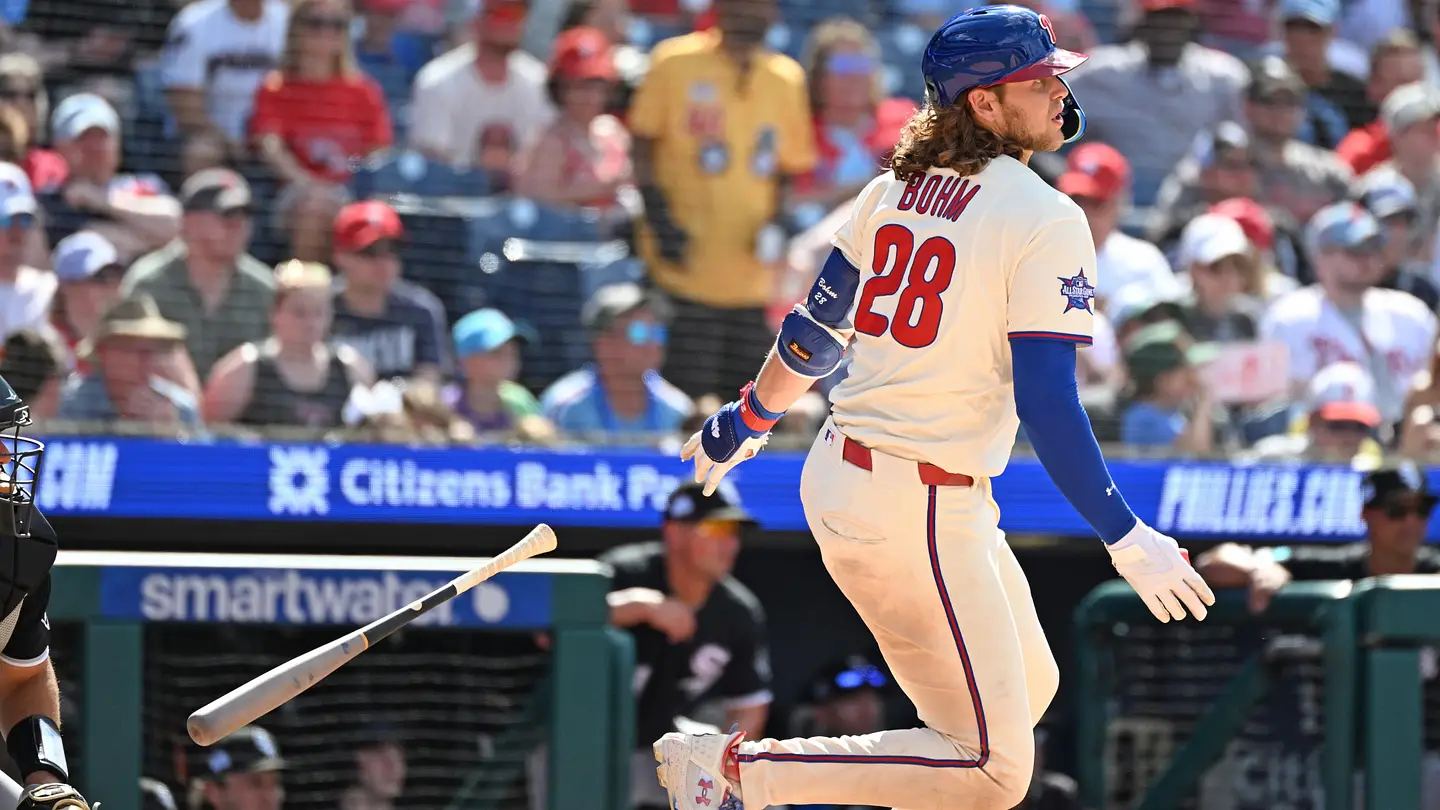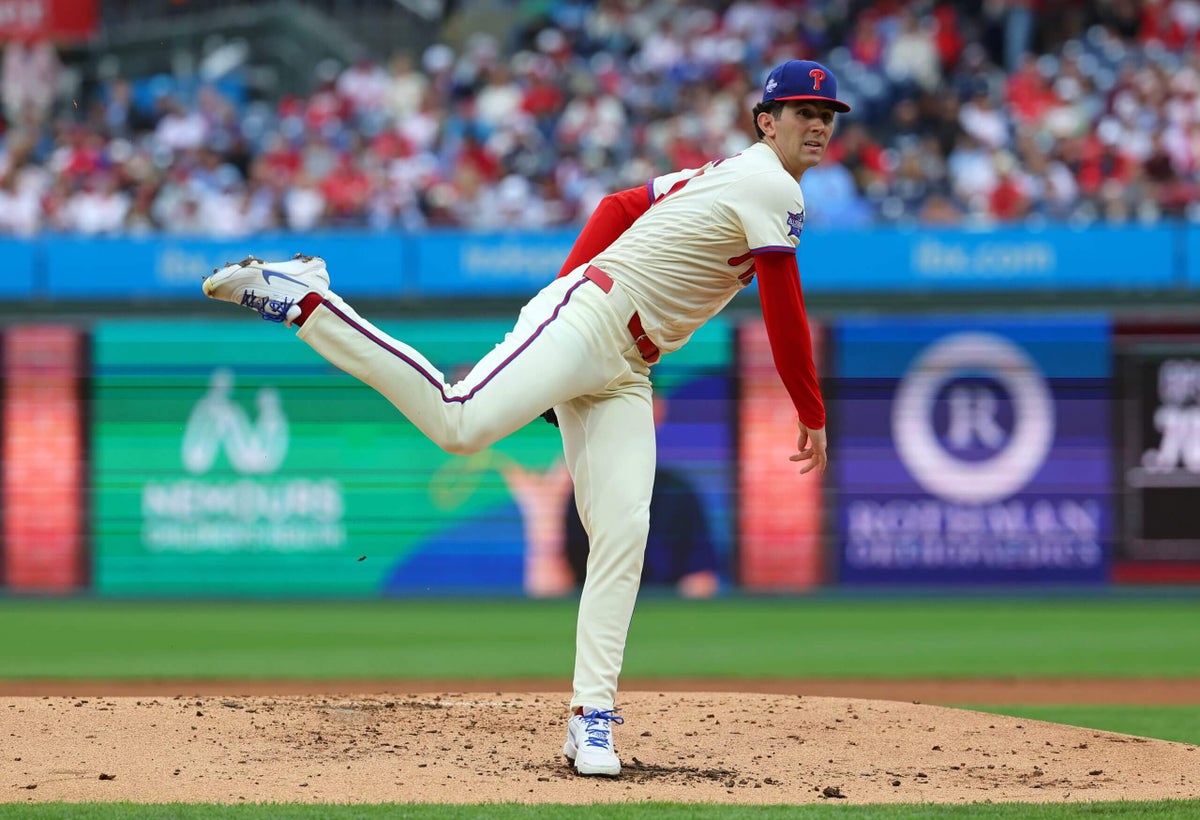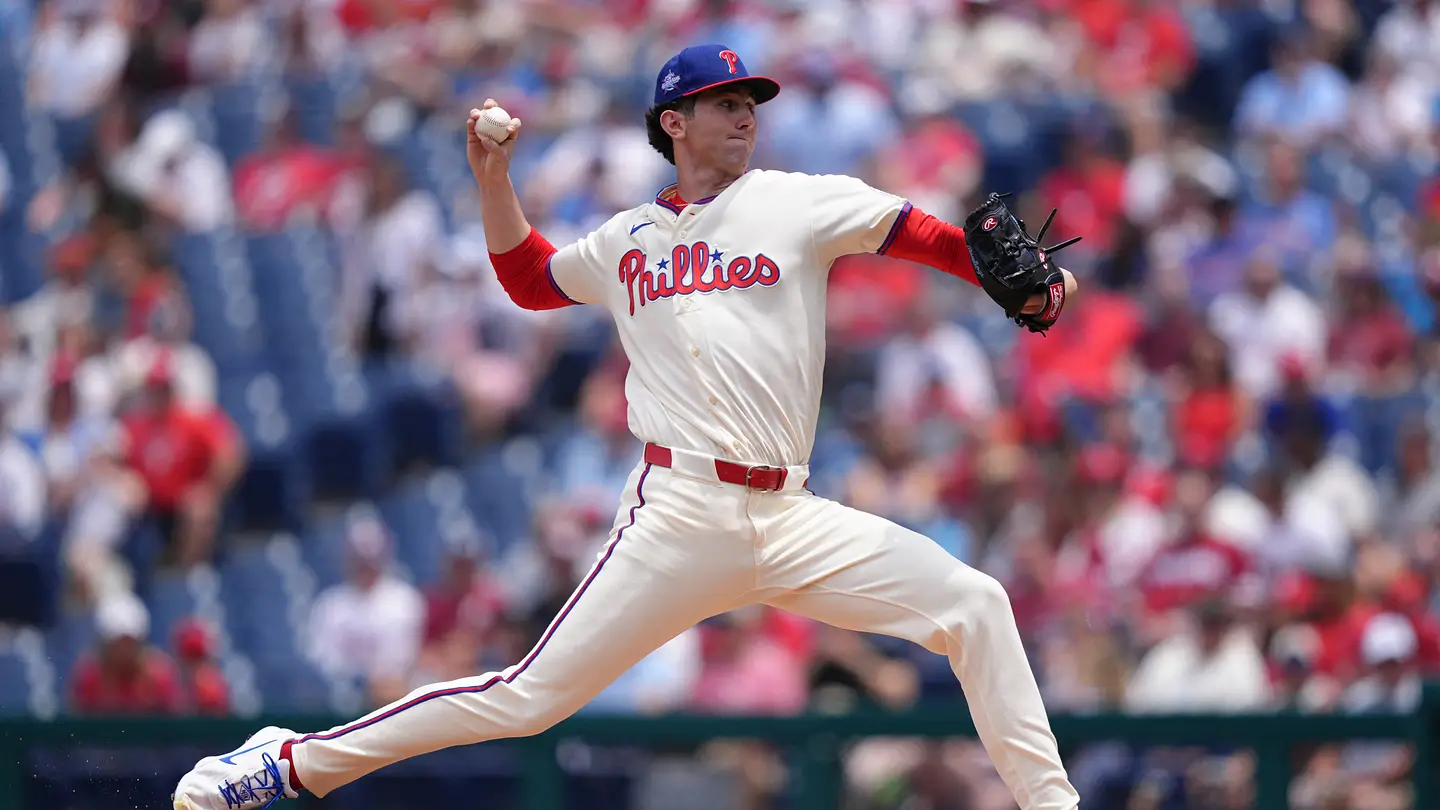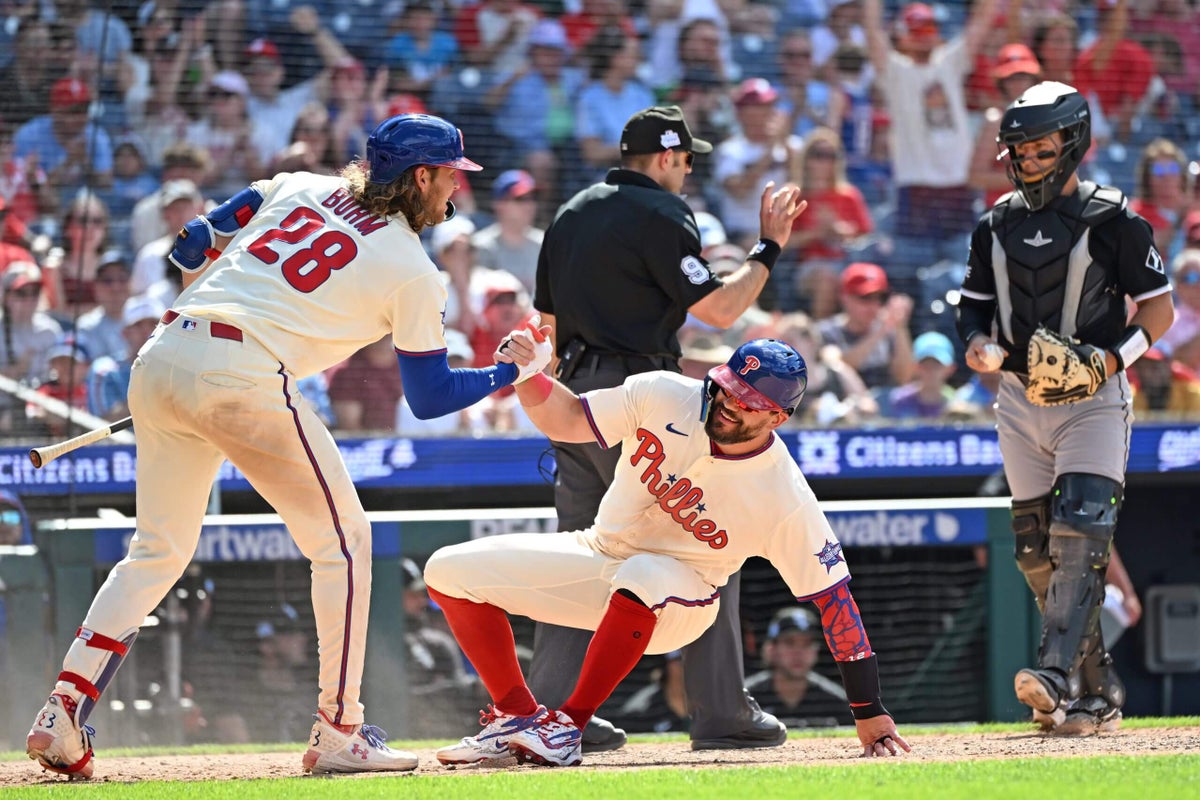
PHILADELPHIA — The whole thing felt long-winded Sunday afternoon because these Phillies are a team that pitches well and does not do much hitting. That means games tend to move quickly. So, after three hours and 23 minutes of baseball and a 9-5 win over the Chicago White Sox, there was some rejoicing. Maybe it was too protracted; it marked the longest nine-inning game at Citizens Bank Park since Sept. 20, 2022. But it represented something.For the first time in 21 days, the Phillies won a game by more than three runs. To Kyle Schwarber, it felt like everyone could take a deep breath and reflect on what these three weeks were.“We keep that in the back of our heads, right?” Schwarber said. “We know that we’re all going to get going at some point. And it’s gonna be fun, it’s going to be a lot of runs. Then there will be those (down) times, and it’ll be great to go back to the time we just had in the last three weeks. And feel like, ‘Man, we found ways to win games.’ There will be times like that again throughout the year. And I like that experience for us and our pitchers.”The Phillies went 10-7 between those wins by more than three runs. It was not always pretty. But they are back to an 87-win pace. They can point to progress up and down the lineup. They have played five straight series against teams above .500 and did more than survive. They went 10-5 in those games.So, the way Sunday unfolded for the lineup — runs in five different innings, 11 hits, six walks, seven different players who scored a run — felt meaningful.“The pitching has given us a chance to get going,” Phillies interim manager Don Mattingly said. “If we wouldn’t have been winning those games, you all would have been asking a lot more questions about the offense. That’s just more pressure.”The Phillies have three players — Schwarber, Bryce Harper and Brandon Marsh — among the top 25 in OPS this season. (The Atlanta Braves are the only other team that can boast that.) Schwarber knows the overall numbers; the Phillies are still 28th in OPS. They have a long climb to become even league average. It will require time for the rest of the lineup to overcome slow starts. Alec Bohm’s OPS, at .641, is the highest it’s been since March 30.Something else sticks out to Schwarber.“I think of the meaningful times of the games where it’s, like, they just scored,” Schwarber said. “And we come right back and answer right back. I feel like those are kind of the big things for us.”Painter’s fastball issuesAndrew Painter allowed six runs in 4 2/3 innings Saturday as his ERA rose to 6.21 (Photo by Mitchell Leff/Getty Images)Andrew Painter threw his fastball only 27 times in Saturday’s start — tied for the second-lowest total in his 12 outings — and it remains a problem. Hitters are batting .390 off Painter’s four-seamer — fifth-worst among starting pitchers league-wide — and slugging .585 against it.There are a few issues at play, including diminished pitch movement post-Tommy John surgery and poor command of the pitch. They hindered Painter last season in Triple A and have continued to hurt his effectiveness this year in the majors. Before Saturday’s start, Phillies pitching coach Caleb Cotham said he’d seen consistent movement from the pitch in recent weeks.“When the shape is consistent, the control is good and the command emerges from that,” Cotham said. “I have seen good adjustments in the ball flight the last month. I think that coincides with lower usage, which isn’t straightforward. But he does have a lot of weapons. So I think the goal is never to do this or that. That goal’s to get outs. He has so many options, so it’s just kind of the balance of his mix.”The movement on the pitch was minimally different on Saturday. The real trouble stemmed from command, Painter struggling to locate his fastballs anywhere near catcher J.T. Realmuto’s target. Four of the eight hits Painter allowed came off his fastball despite those pitches making up only 29 percent of what he threw.The Phillies are working on plenty: control, command, shape, and the rookie finishing his pitches. Painter has about league-average extension (6 1/2 feet) despite his height (6-foot-7), though Cotham said getting more extension isn’t necessarily a focus — but it could help. They believe more could emerge from the last “5 to 10 percent” of finish to Painter’s pitches, Cotham said.“Getting out there and getting to one side, finishing his hand, taking his hand through the glove — all these things we can say as opposed to kind of just being over-rotational and ripping across,” Cotham said. “That’s what I’ve seen get a lot better: managing his posture, his move down the mound. It’s getting better and better — closer to what it was pre-surgery.”But these changes were not a difference-maker in Painter’s recent starts, as he struggled through the Dodgers and White Sox lineups and his ERA rose to 6.21 on the season, the worst among qualified rookies. Maybe, little by little, the changes will help him regain some part of his pre-surgery form. That is the Phillies’ hope.A look at Keller’s seasonBrad Keller felt like he found success when he pitched with a “grip it and rip it” mentality last season. Embracing it involved some un-learning; it wasn’t the way he worked during his first seven years in MLB, when he started rather than relieved.“I feel like, at times this year, I’ve been a little bit more methodical about things,” Keller said recently. “Trying to think through things when it probably is not the best way to go about it as a reliever. Maybe as a starter, that’s how you want to go about it. But when I was at my best last year, it was just like come in and just rip it. So I think that’s probably something I want to get back to.”It has been bumpy at times for Keller, the Phillies’ premier offseason pitching addition who broke through as a reliever for the Chicago Cubs last year.Through his first 28 outings (27 2/3 IP) this season, he gave up 11 earned runs, walked nine and struck out 29. Last season, through 28 games (30 2/3 IP), he gave up seven earned runs, walked eight and struck out 28. He did not allow a home run until July 12 last year. He’s allowed four this season. And his fastball, highly touted upon his signing, has a .458 batting average against.But Keller’s occasional blips have not always been harmful. That is the benefit of having a deep bullpen. There is some breathing room as he and the Phillies troubleshoot.Keller has not thrived while ahead in the count; hitters have an .835 OPS against him in those situations. Pitchers league-wide have held hitters to a .504 OPS in those counts. It’s a glaring issue for Keller.Some of it is just getting back to basics, Cotham said. Before two strikes in the count, he wants his pitchers in the zone. With two strikes, they generally want to be out of the strike zone and, when in (the) zone, they’re “looking to try to freeze the batter.” Keller is tied for the lowest in-zone two-strike rate on the Phillies (13.8 percent), though two-strike counts haven’t been much of a problem for him.“Throwing pitches for strikes when they probably shouldn’t be,” Keller said. “You know I mean? Like coming to a situation and knowing this guy’s going to be aggressive. At times, I get too much into, ‘Come in and throw strikes.’ Sometimes, that can be detrimental.”A few weeks ago, Keller and the Phillies pitching coaches decided to re-emphasize moving fast but under control — in other words, gripping it and ripping it. While moving quickly, Cotham said, there’s little time for Keller to get out of position.“When he’s moving fast and letting it rip,” Cotham said, “it usually goes more where he wants and the stuff’s better.”
Phillies takeaways: 9-run outburst, Andrew Painter’s fastball issues, Brad Keller’s start
For the first time in 21 days, the Phillies won a game by more than three runs. The way Sunday's victory unfolded felt meaningful.
1,348 words~6 min read