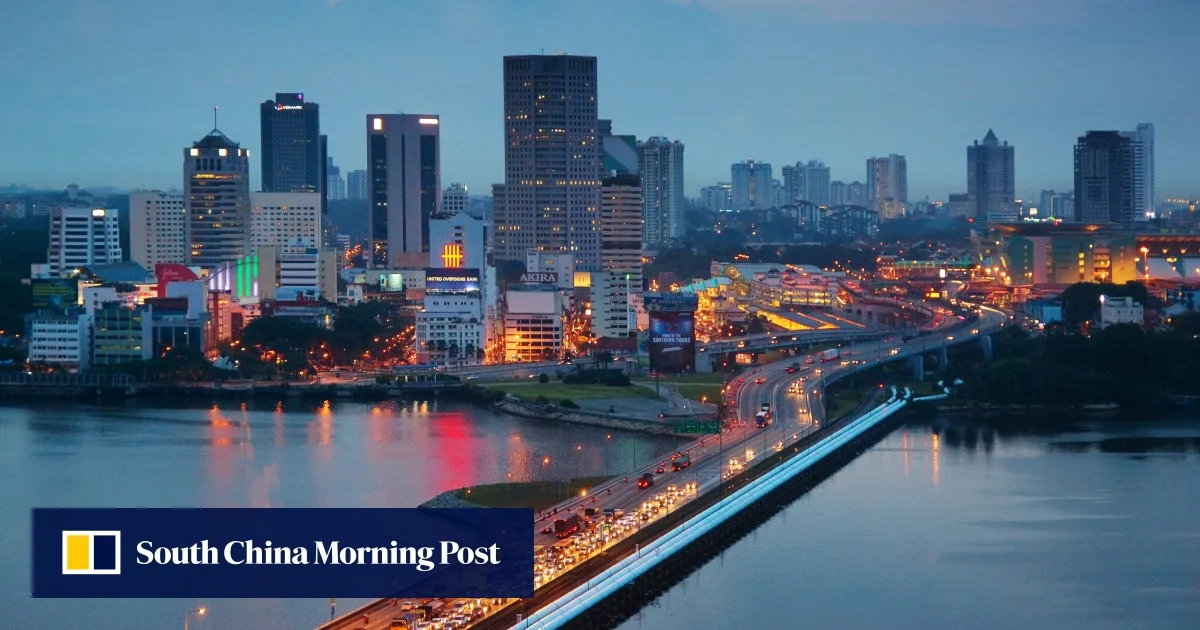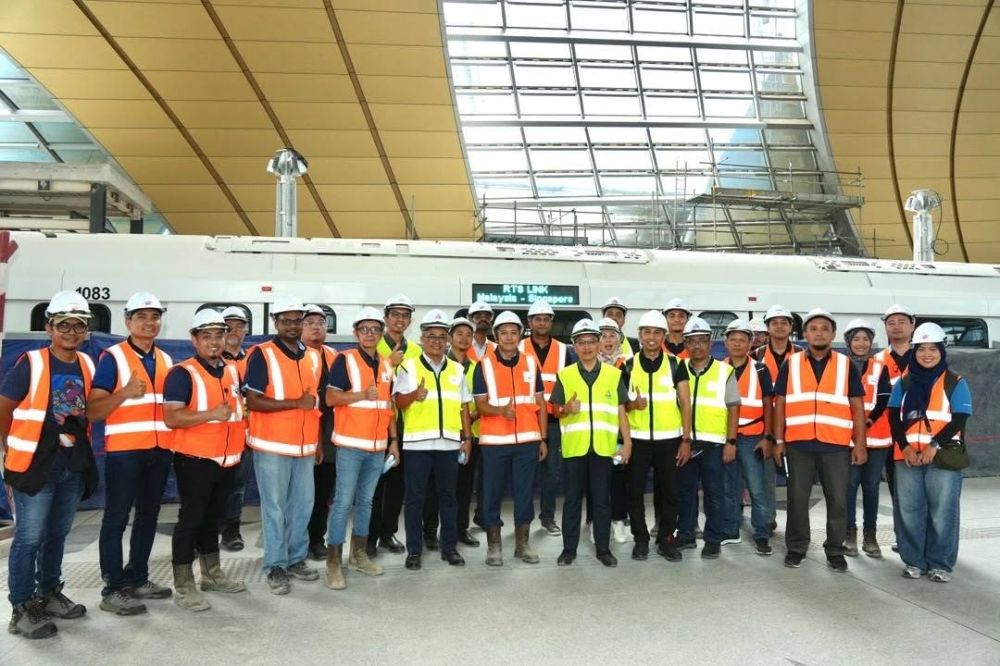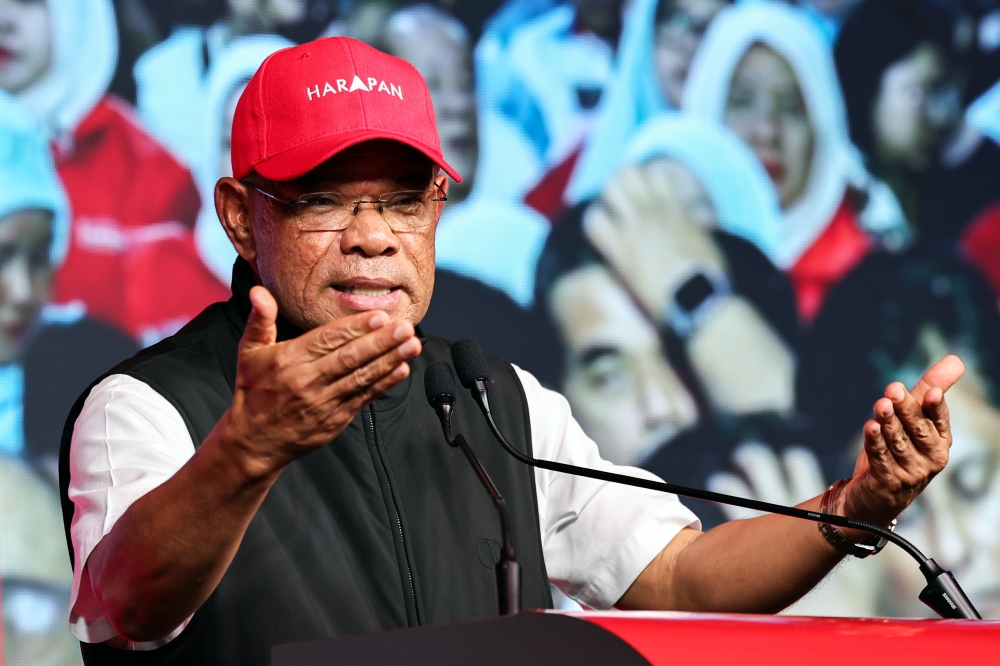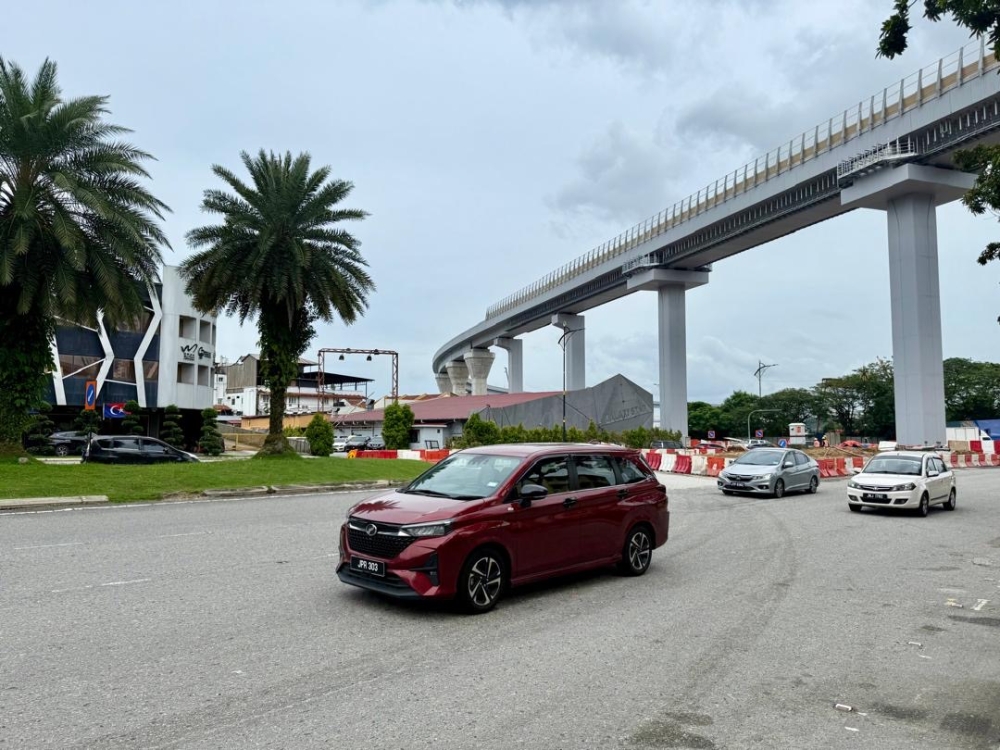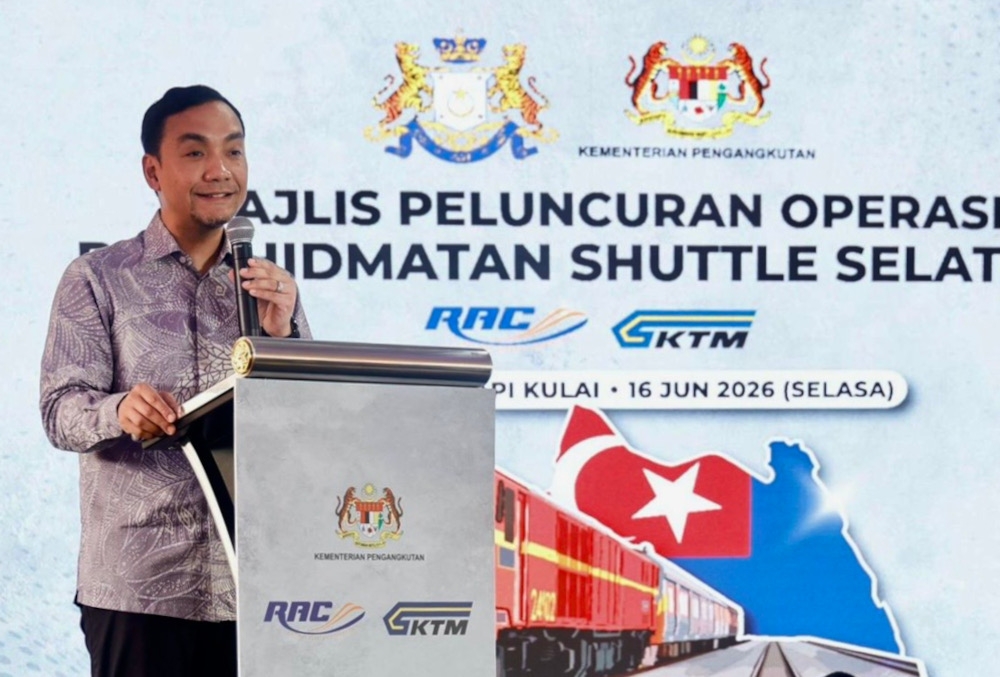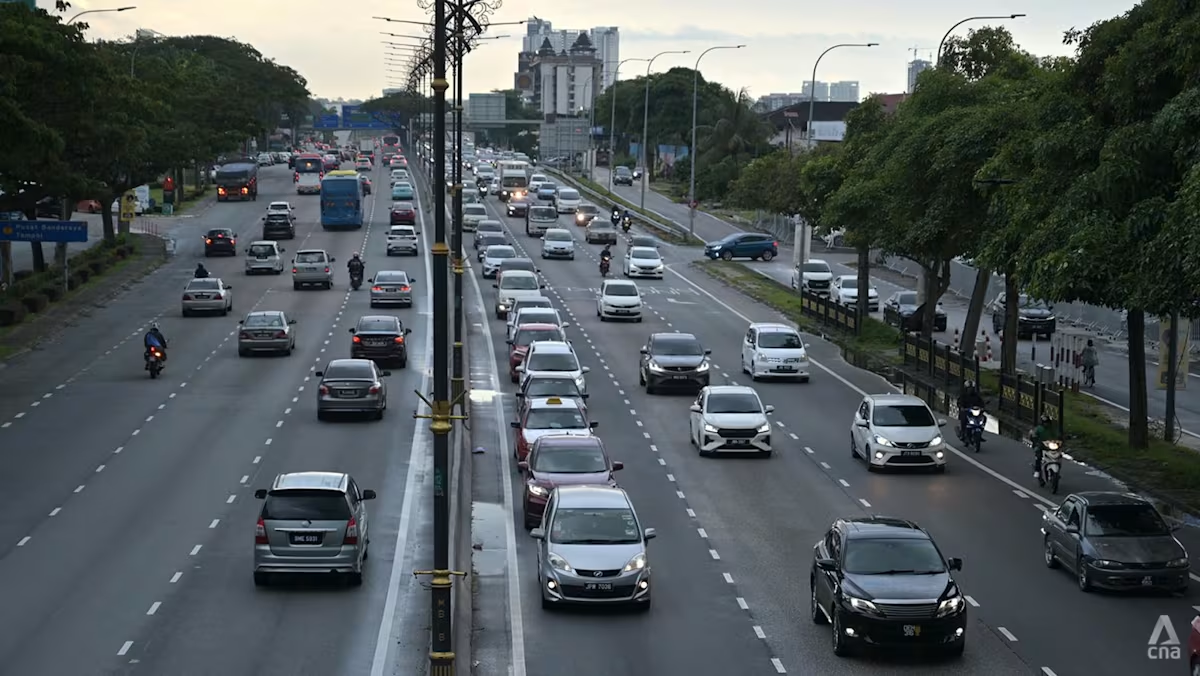
JOHOR BAHRU: At the recent Pakatan Harapan’s (PH) convention in Johor Bahru, Malaysian Transport Minister Anthony Loke used his speech to highlight the federal government's achievements in the southern state ahead of an expected heated election season.Loke, who is also secretary-general of the Democratic Action Party (DAP), a key component part of the ruling coalition PH, pointed to the Cabinet’s recent approval of a RM10 billion (US$2.49 billion) elevated Autonomous Rapid Transit (ART) project.The system is intended to ease congestion in Johor Bahru’s city centre and its surrounding areas, while helping to distribute passenger traffic from the highly anticipated Johor Bahru-Singapore Rapid Transit System (RTS) Link that is scheduled to start operations in January 2027. “Some quarters have accused us of being slow, but of course we had to take some time and study (the project),” he said.“But while the ART is not finished, we have a backup plan. We will increase the number of buses in Johor Bahru to disperse RTS passengers.”But even with Loke’s assurances, Johoreans whom CNA spoke to said that they worry about worsening traffic congestion once the RTS Link becomes operational.Moreover, transport experts have raised concerns about how Johor’s rail network plan is moving ahead, amid ambiguity with regards to the operational system which the project will ultimately be based on. Loke’s remarks at the PH convention in May came just days after local media reported that a consortium comprising Malaysian firms Ancom Nylex and MMC Corp, India-based DOM Industries and Thailand’s BTS Group Holdings had received a letter of intent from the government to undertake the ART project.
Lack of clarity on JB rail plans heightens bottleneck fears ahead of RTS Link launch
The issue of public transport infrastructure and congestion will likely be on the minds of voters ahead of the upcoming Johor state elections, analysts say.
2,442 words~11 min read