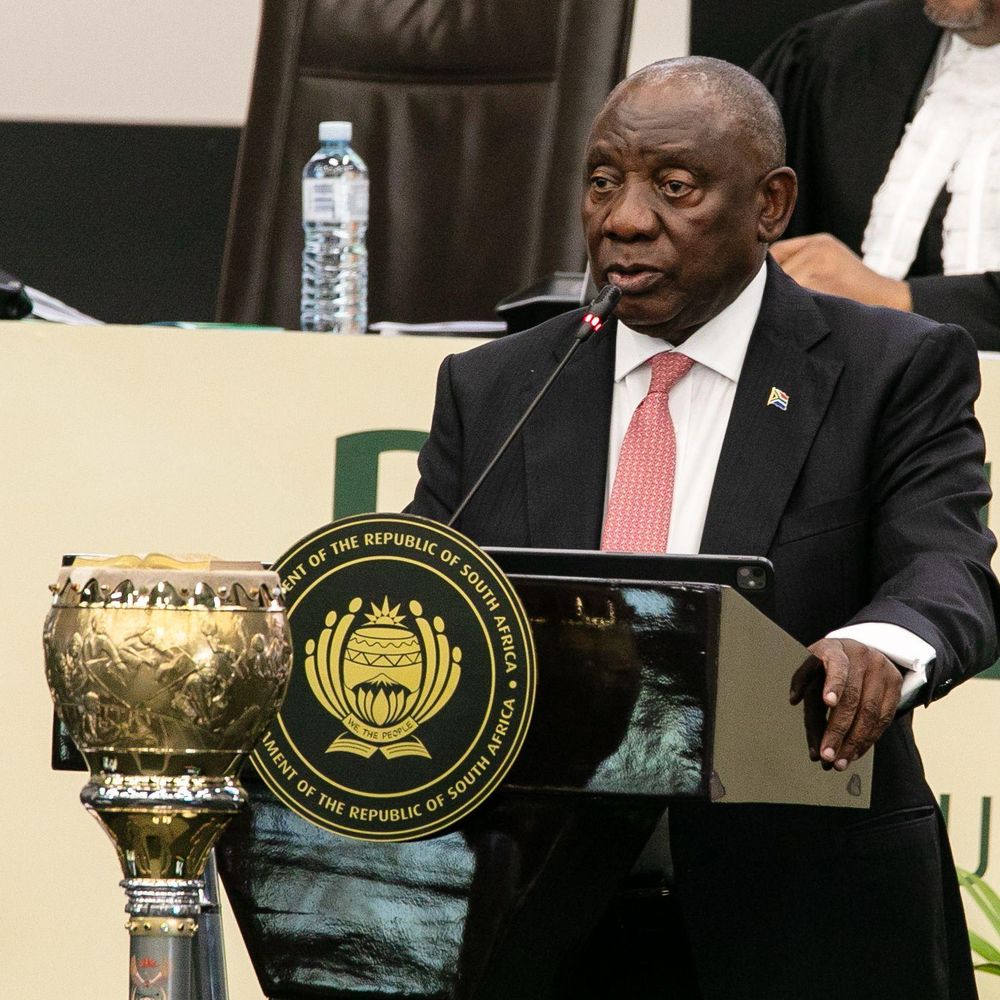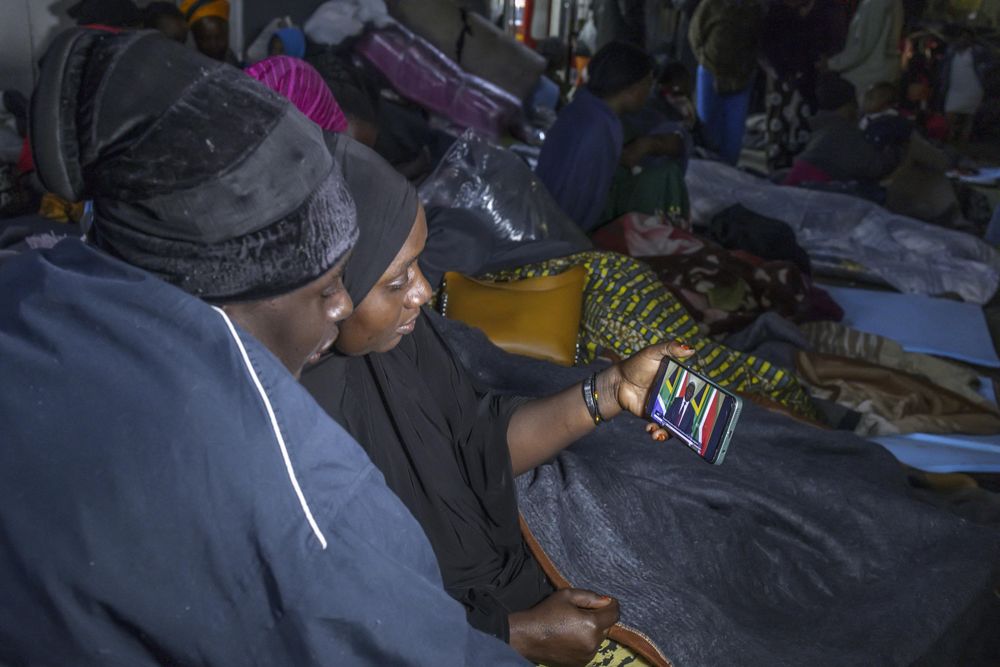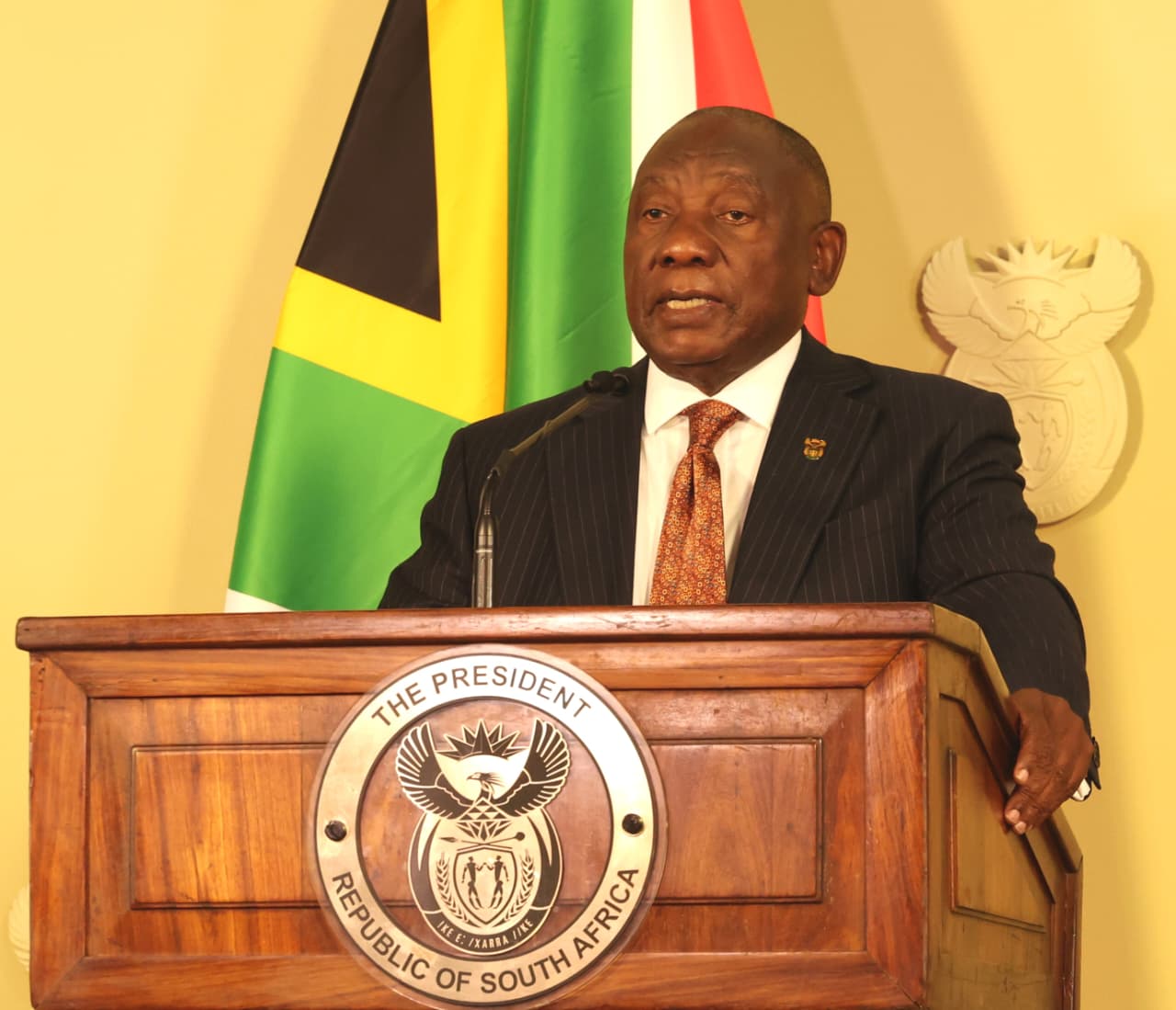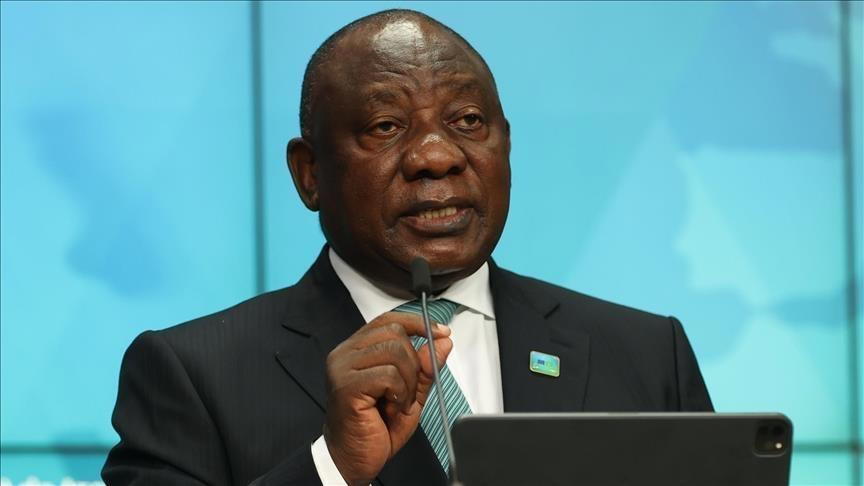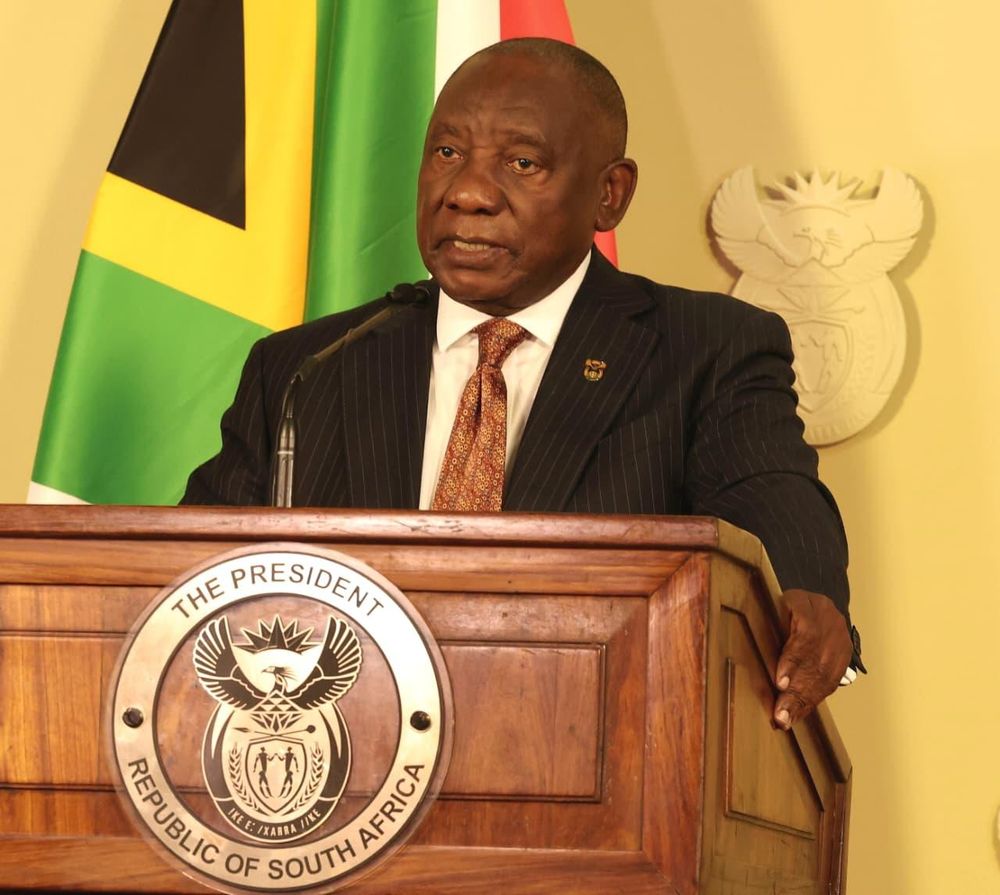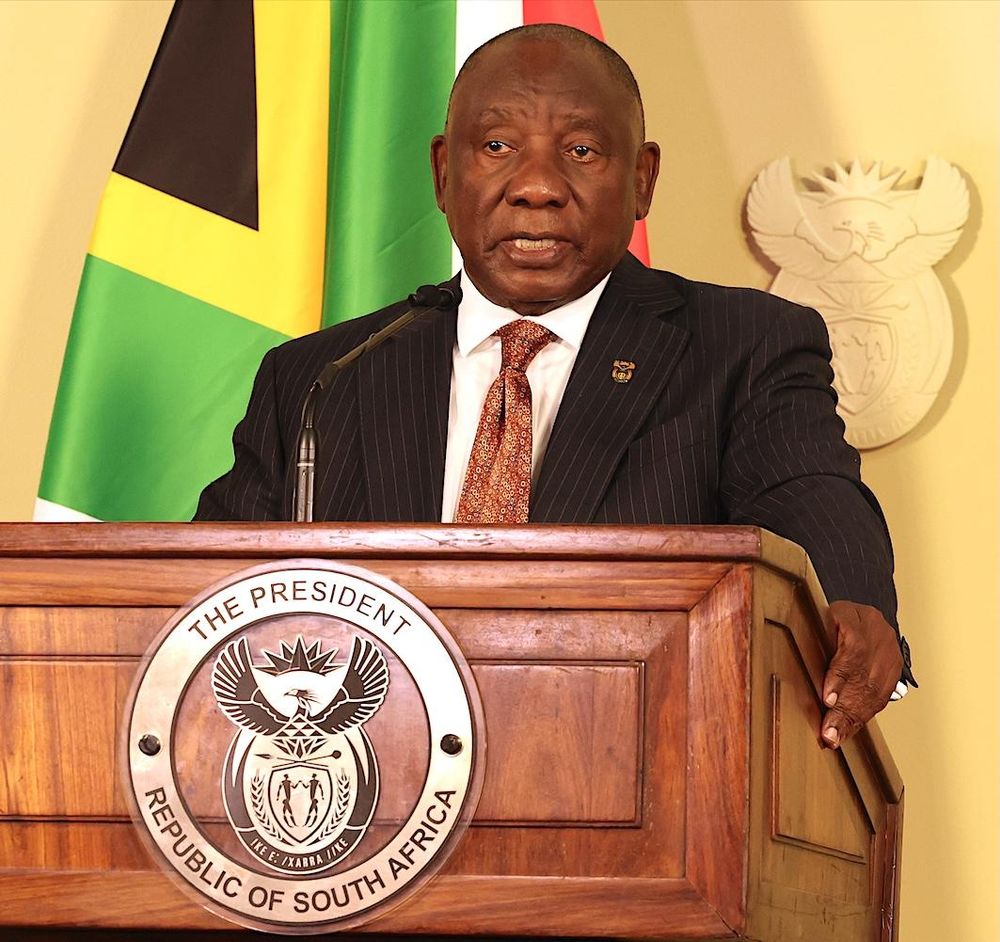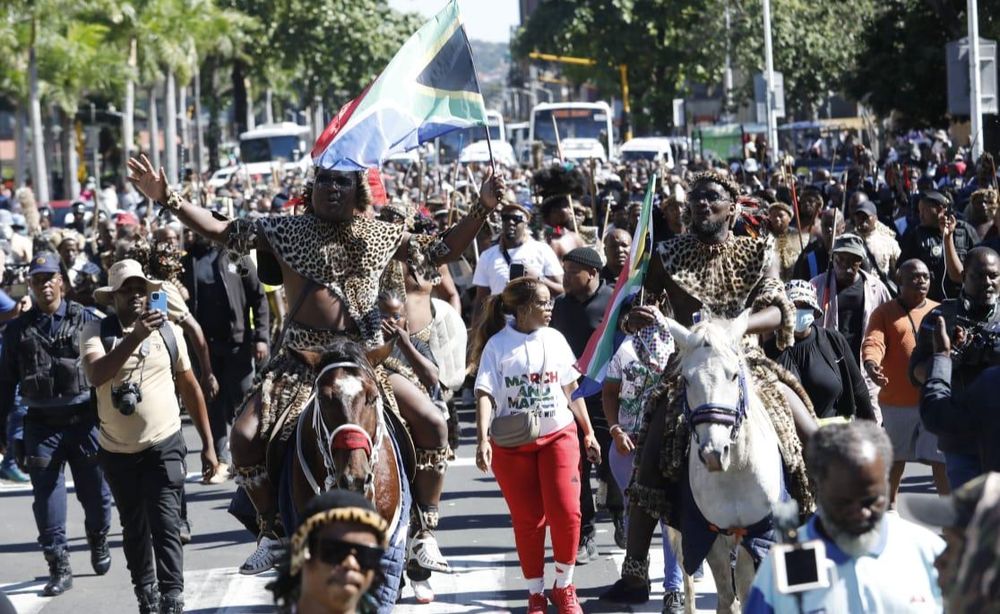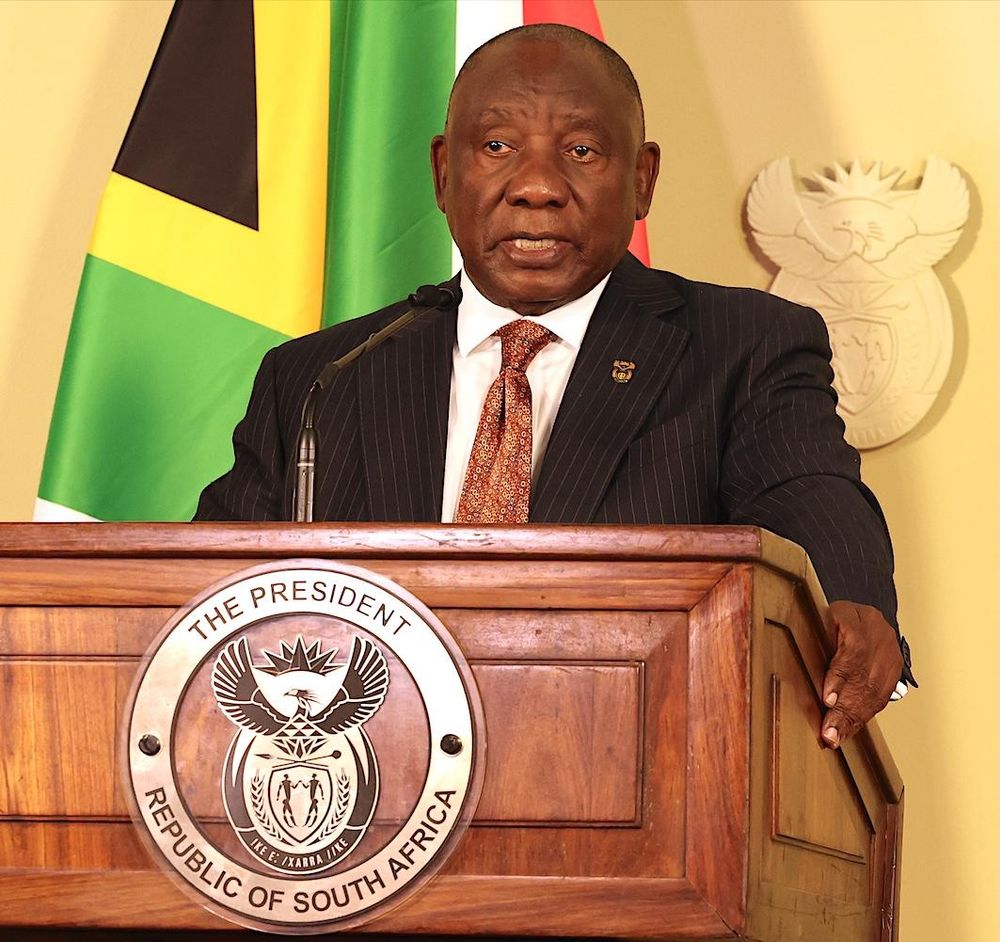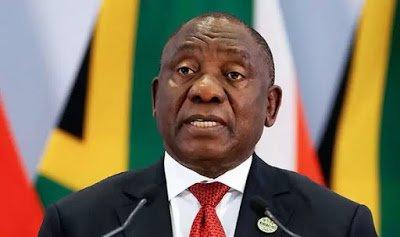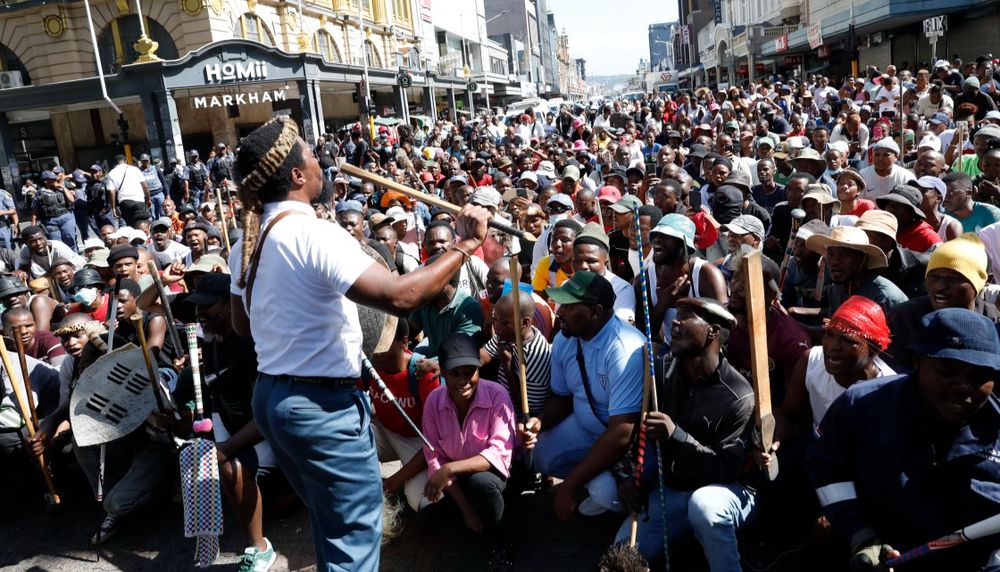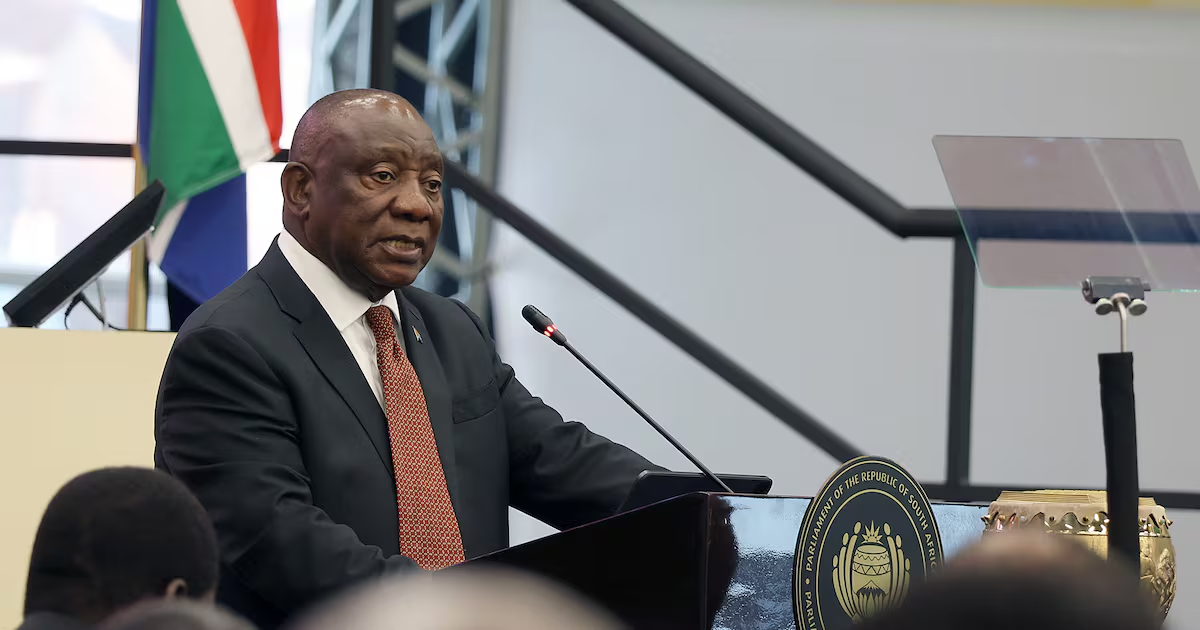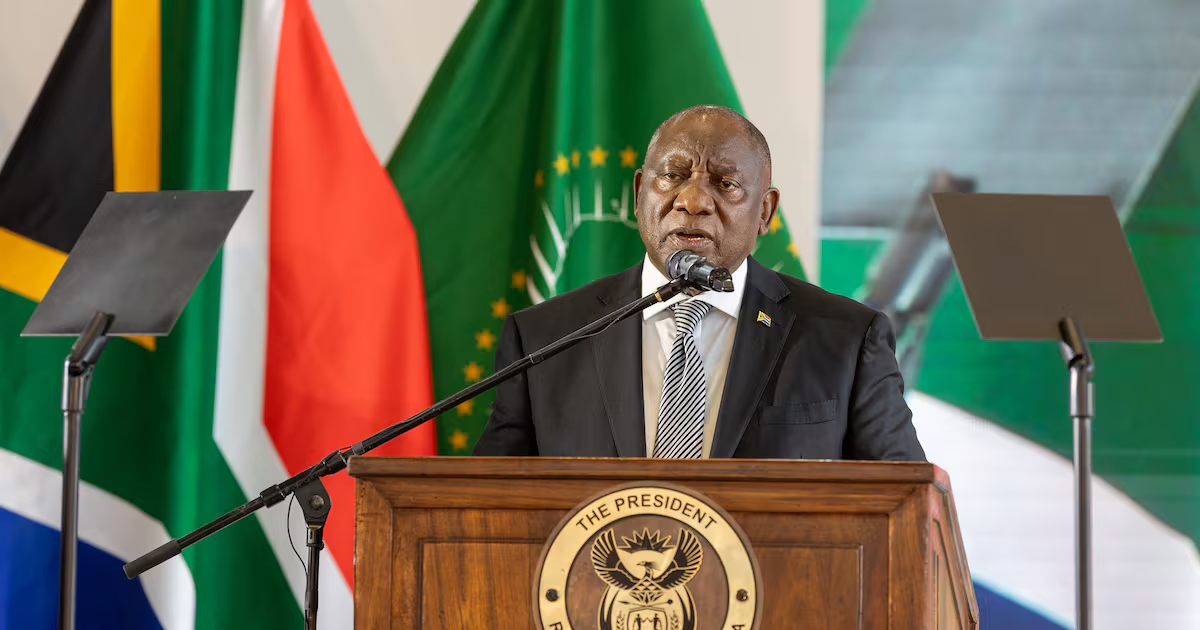
President Cyril Ramaphosa has put forward a number of government interventions to address illegal immigration. These include a phased relocation of refugee reception centres to border posts; setting up dedicated courts to fast-track the deportation of undocumented migrants and discontinuing the green ID book.In his address to the nation last night, Ramaphosa warned that illegal migration, if unchecked, poses a risk to South Africa’s security, stability and economic progress. “We reject the notion that we must tolerate illegal immigration.”The remarks follow a wave of anti-immigration protests across the country. The protesters have routinely claimed that those who reside in the country illegally have until June 30 to leave South Africa. “I must make it clear that only the authorised government officials may act against violations of the law, including violation of our immigration laws,” Ramaphosa said last night.“No other person is allowed, for example, to confront someone in the street to demand proof of nationality.”Marches have regularly turned violent and have seen foreign-owned spaza shops and cars set alight. Those behind the action accuse foreigners of taking their jobs and having to compete with them over access to scant basic services such as healthcare and education. READ IN FULL | Ramaphosa outlines tougher measures to address illegal immigrationRamaphosa has previously said that undocumented migration placed a strain on healthcare, housing and municipal services in poor areas and distorted the labour market. However, the recent violent protests and criminal acts directed at foreign nationals in parts of the country also did not reflect government policy. The anti-immigration protests have ignited a diplomatic storm for South Africa, with Ghana and Nigeria summoning the South African high commissioners to account for the marches. Governments of Malawi and Ghana have elected to repatriate their citizens from South Africa, citing “xenophobic violence”. In his televised address on Sunday, Ramaphosa said last week that the cabinet adopted a comprehensive approach for migration management, which has been endorsed by the President‘s Co-ordinating Council, including premiers and MECs, representatives of local government and representatives of the National House of Traditional and Khoi-San Leaders. “Firstly, we are and will continue to crack down on the violation of our immigration, labour and other laws. Secondly, we will continue to prevent people from entering the country irregularly and illegally. Thirdly, we are and will continue to stamp out corruption in our immigration system. Fourthly, we will strengthen our immigration laws and policies,” Ramaphosa said. “Finally, we will continue to engage other countries, including our sister countries on the African continent, to forge a broader response to migration challenges across our region and the continent.” Ramaphosa said the government will undertake a phased relocation of refugee reception centres to border posts, “starting with the Tshwane centre this year”. “Many other countries have refugee reception centres close to the place where refugees enter the country seeking asylum or refuge. The relocation of refugee reception centres closer to our borders is intended to ensure that asylum applications are processed more efficiently, more securely and more fairly,” the president said. “This will enable government to determine protection needs at the point of entry to ensure that those who genuinely require protection receive assistance as quickly as possible.” The government will also set up dedicated courts to deal with immigration to speedily support the deportation of undocumented migrants, he said. “We are continuing the crackdown on corruption and inefficiencies in the department of home affairs. We must recognise that illegal immigration is often enabled by corruption. Officials who sell documents, facilitate unlawful entry or abuse public office for personal gain betray the trust of the South African people,” Ramaphosa said, adding his administration “will pursue these cases relentlessly [and] those responsible are facing dismissal, criminal prosecution and the full consequences of the law”. The government is establishing an Intelligent Population Register containing biometric data for every person in the country, laying the foundation for a digital ID. At the same time, said Ramaphosa, “we will progressively discontinue the green ID books, which have enabled identity theft by undocumented immigrants and criminal syndicates. The department of home affairs will set a date after which the green ID books will not be recognised”. He said many South Africans feel excluded from opportunities in their own communities, with many expressing anger about the number of foreign nationals running spaza shops, trading stores and other informal outlets. Business Day has previously reported that South Africa’s township economy is valued at R400bn, equivalent to almost 8% of GDP annually, and employs about 2.6-million people. The sector includes 30,000 spazas, which are valued at R200bn a year and are dominated by Somalis, Ethiopians, Pakistanis and Bangladeshis. Ramaphosa said employers who knowingly hire undocumented workers and exploit their vulnerability are breaking the law, and undermining labour standards and fair competition. “And they undermine opportunities for South Africans. Such conduct will attract far stronger penalties and far stricter enforcement…. We are going to increase the penalties, including imprisonment, for employers who violate the Immigration Act.” The president further issued a warning to political or criminal actors who have, or intend to, exploit the situation. “We will and must not allow groups to use the legitimate concerns of South Africans to destabilise our country through inciting lawlessness and violence, he said. ”We will act against forces who are exploiting the concerns of our people about illegal immigration to further their own political, personal or criminal agendas. We will not be fooled or influenced by social media campaigns that spread misinformation, fake news and lies about foreign nationals.” He said secure borders are not a sign of hostility toward other countries. Every sovereign nation has a responsibility to know who enters its territory, why they are entering and how long they are permitted to stay. “The final part of our response is to work with other countries in our region and across the continent to address the broader challenge of migration. We need to address the factors that drive migration on our continent and elsewhere,” he said. “As part of this effort, I will be sending envoys to a number of sister African countries to outline the measures that we are announcing this evening. “Cabinet will remain seized with this matter and will regularly review progress in implementing these measures.”
Ramaphosa vows action against illegal immigration amid rising tension
Measures include relocating reception centres, establishing dedicated courts
1,044 words~5 min read