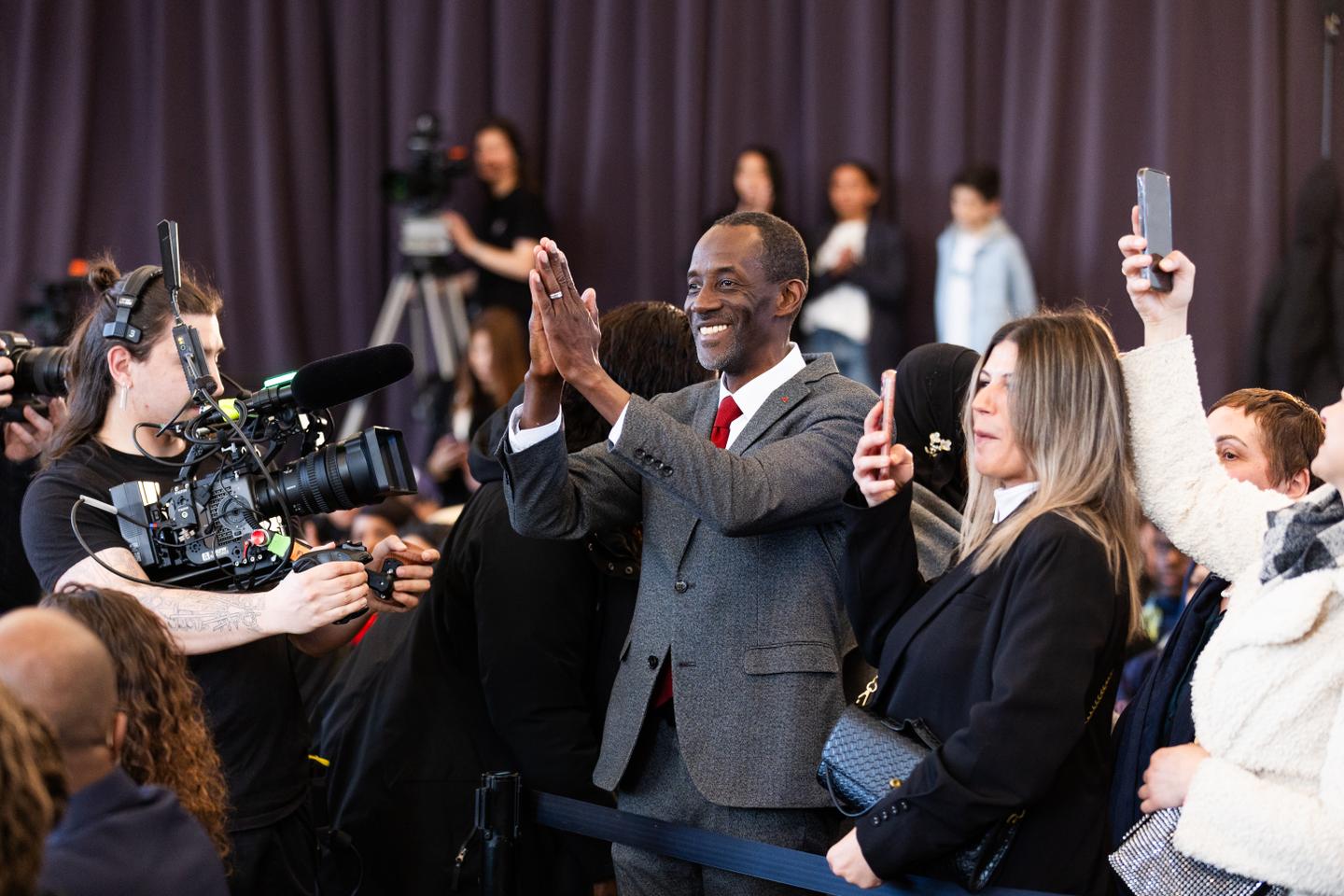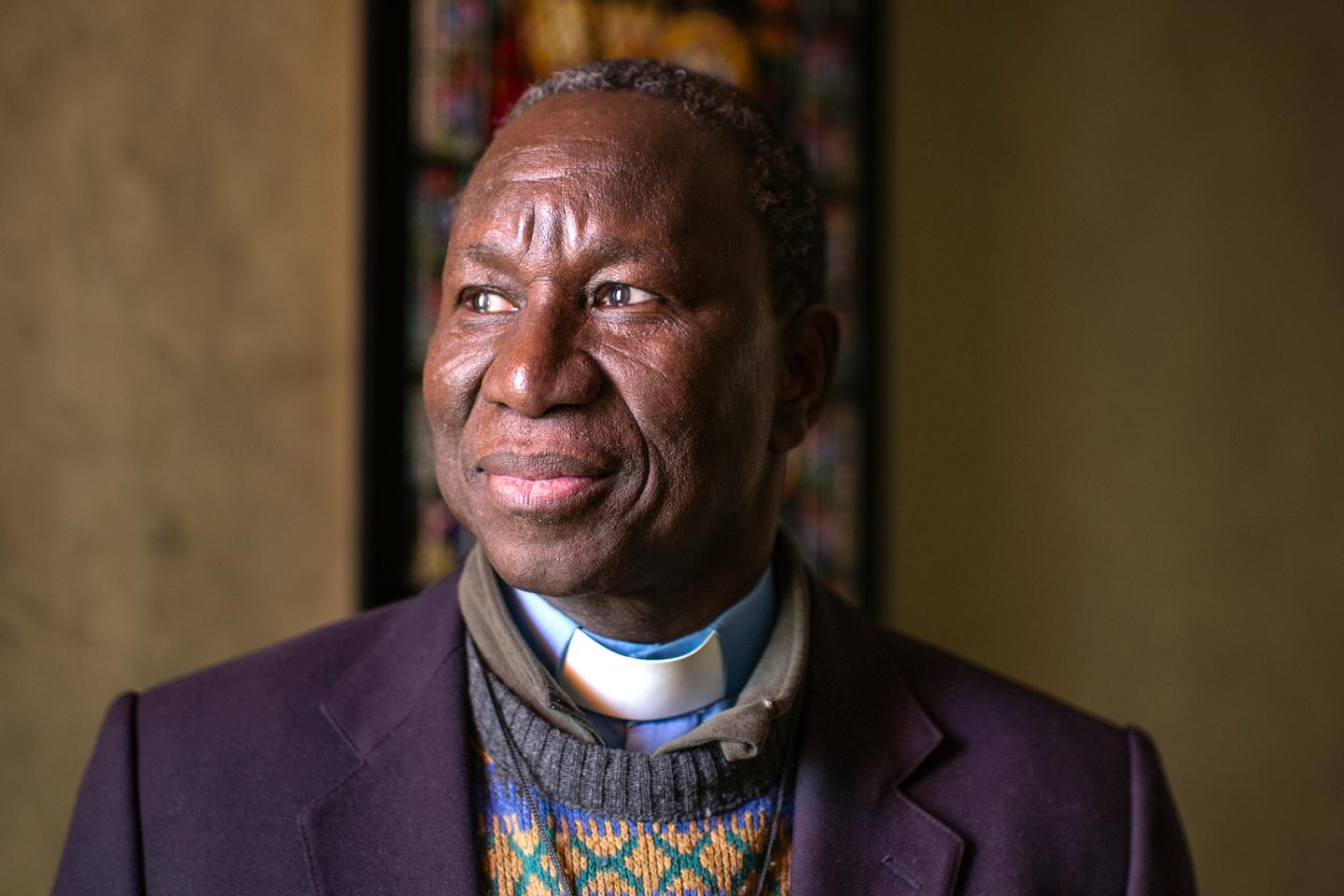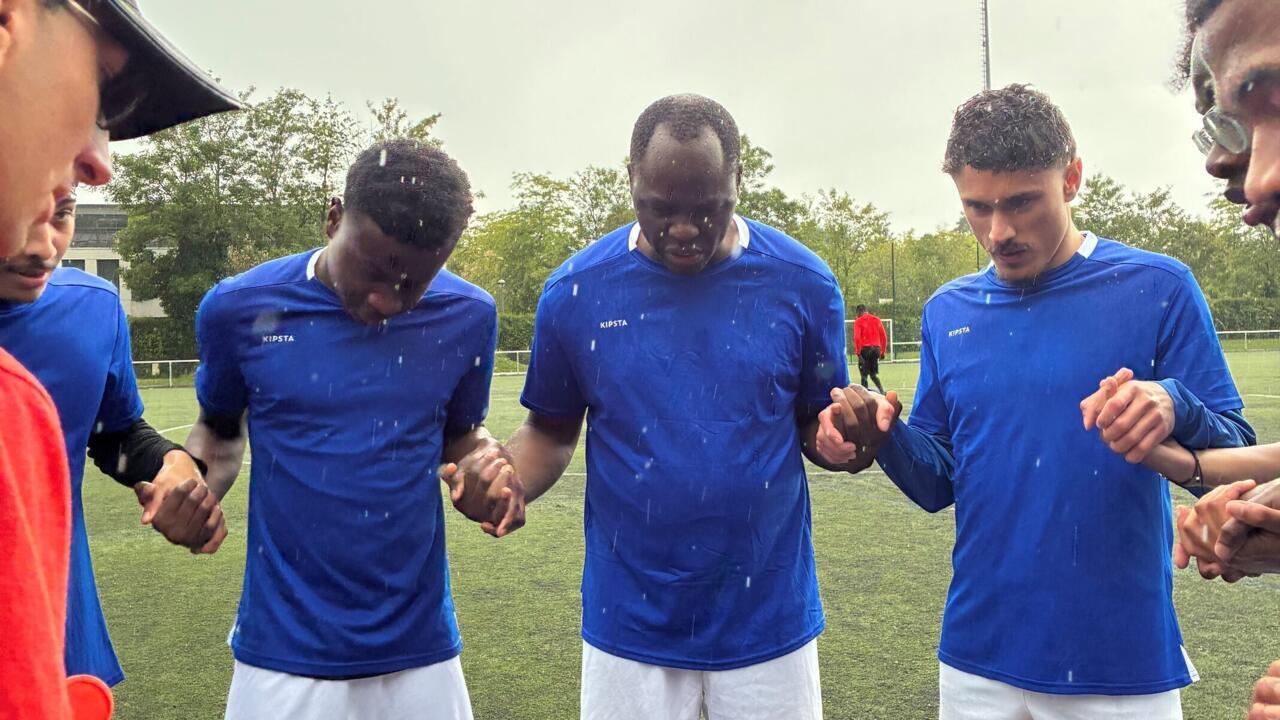
In Trappes, one of France's most culturally diverse working-class suburbs – known as banlieues – faith leaders are finding unexpected ways to bring communities together. A Cameroonian-born priest not only fills his church each Sunday, he also hosts interfaith football matches.
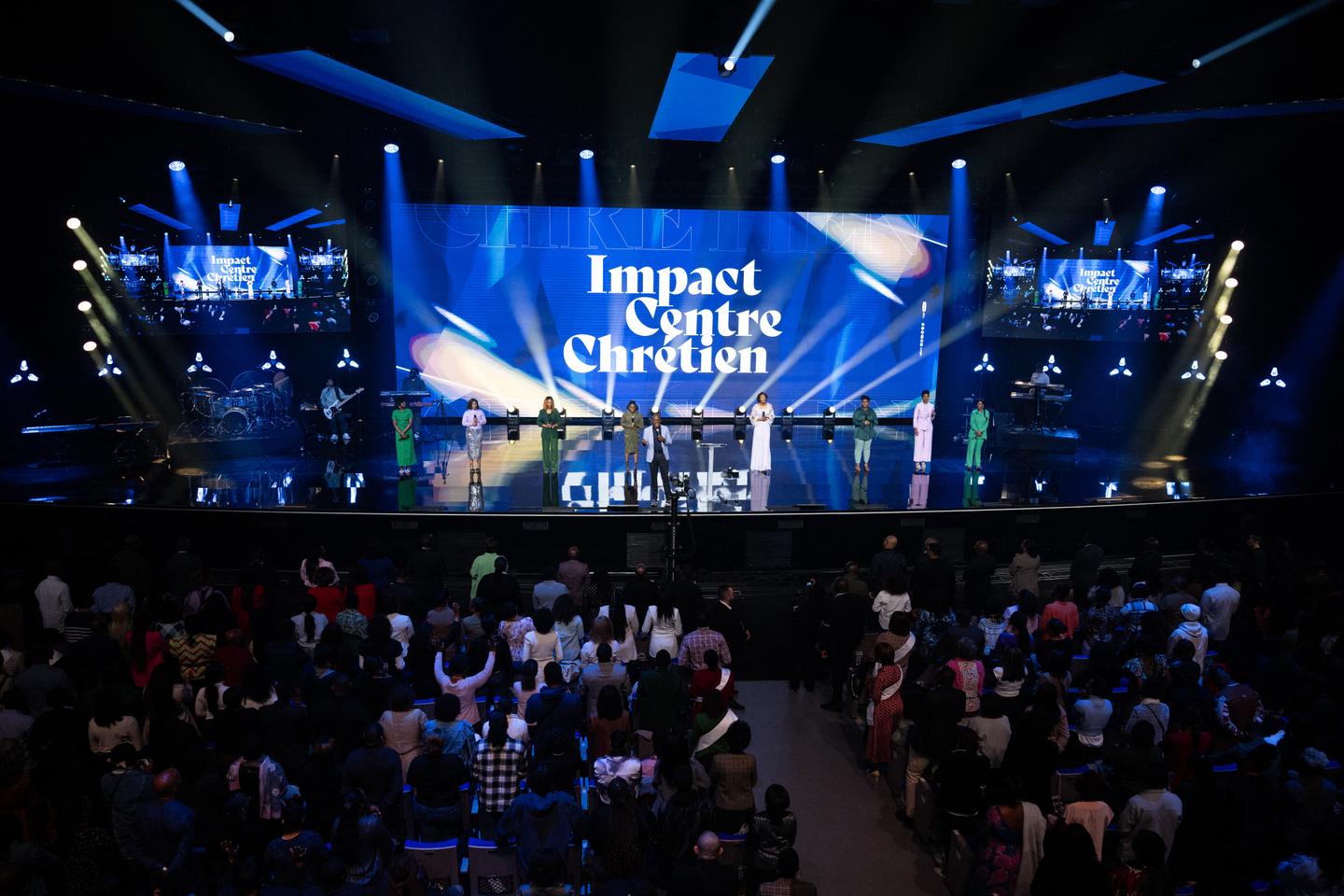
Despite a fall in the number of people entering the priesthood in France, a recent study of church life in multicultural working-class suburbs pointed to a spiritual renewal in some areas, which often face higher-than-average poverty and unemployment. "These working-class neighbourhoods have churches that are packed every Sunday," said Father Patrick Gaudin of the Missionary Brotherhood of the Cités (FMC), which carried out the study based on interviews with 30 priests. "Even the weekday masses draw big crowds. There's a real sense of witness," Gaudin told KTO Catholic TV. "And when we send these young people out on mission into much more conventional neighbourhoods, they set the place alight, quite frankly. These working-class neighbourhoods are where the missionaries of tomorrow are coming from." About one-third of France's roughly 12,000 priests and clergy members – down from 65,000 in 1960 – come from abroad. Growing congregations One of them is Father Jacques Noah Bykov, from Cameroon. Appointed to Saint-Georges parish in Trappes two years ago, his warmth and booming laugh have made him a popular figure among worshippers. "What I really like about him is that he doesn't wait for people to come to him," said one parishioner after Sunday mass in May. "He comes to us without being asked. That's wonderful." Trappes, about 30km west of Paris, is home to people from many nationalities, cultures and faiths. The congregation reflects that diversity. Members of the town's Portuguese community enthusiastically lead parts of the service. Wearing a Roman collar under his pullover, Father Jacques said his ministry is shaped by his Franco-Cameroonian heritage. "You saw it during the mass," he said. "There's a more lively dimension, even a dancing one at times. We express with our bodies the joy of being gathered together by the Lord. For me, that clearly comes from my dual culture." The parish serves a population drawn from around 50 nationalities. "When we gather on a Sunday, there is inevitably a particular flavour," said deacon Alain Uras. "The liturgy, the readings and even the homily are not received in exactly the same way by everyone. Each person hears them through their own culture, their own history and their own experience."