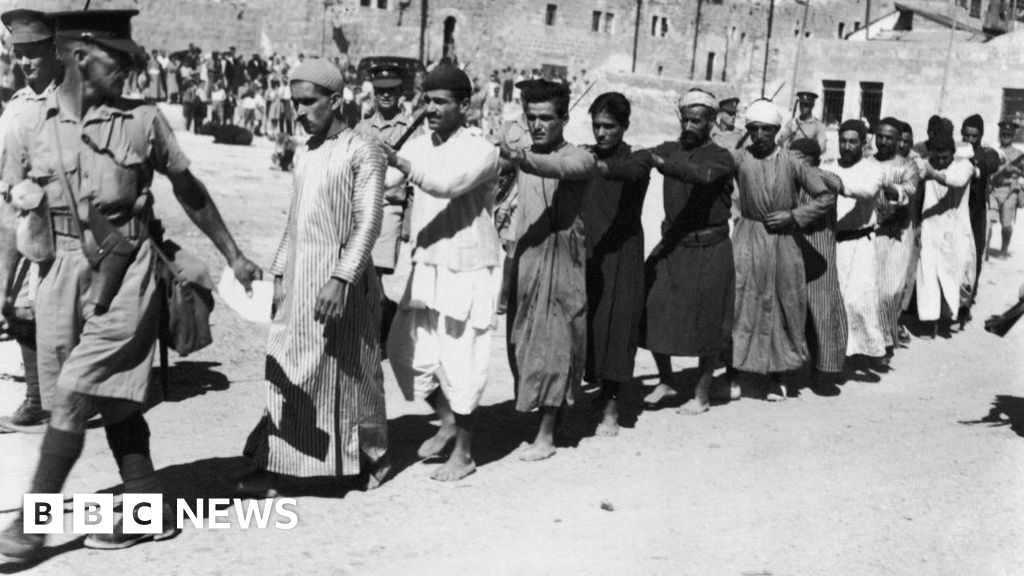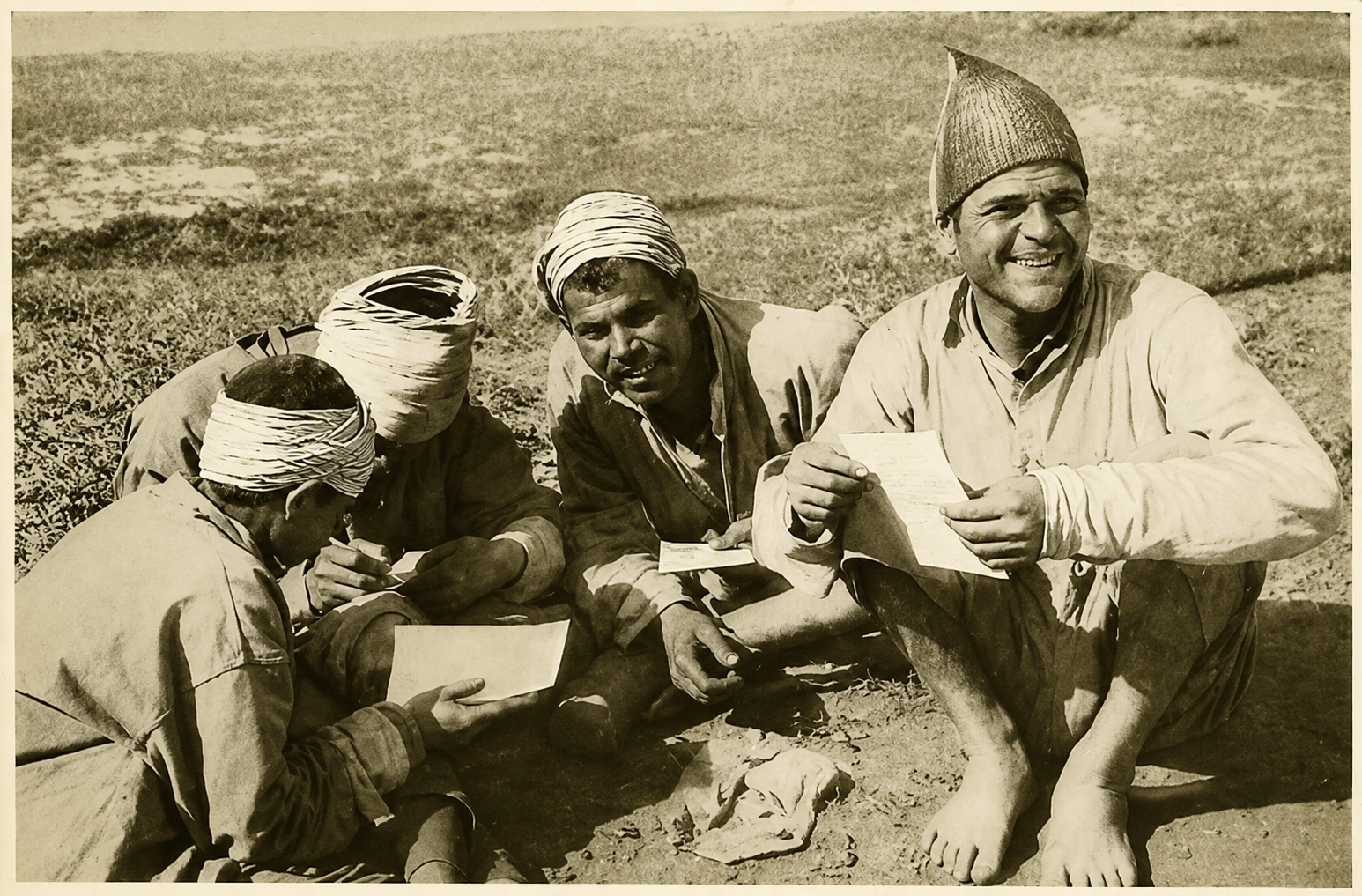
During World War One, the British Empire won campaigns on the backs of Egyptian workers in the Egyptian Labour Corps (ELC).
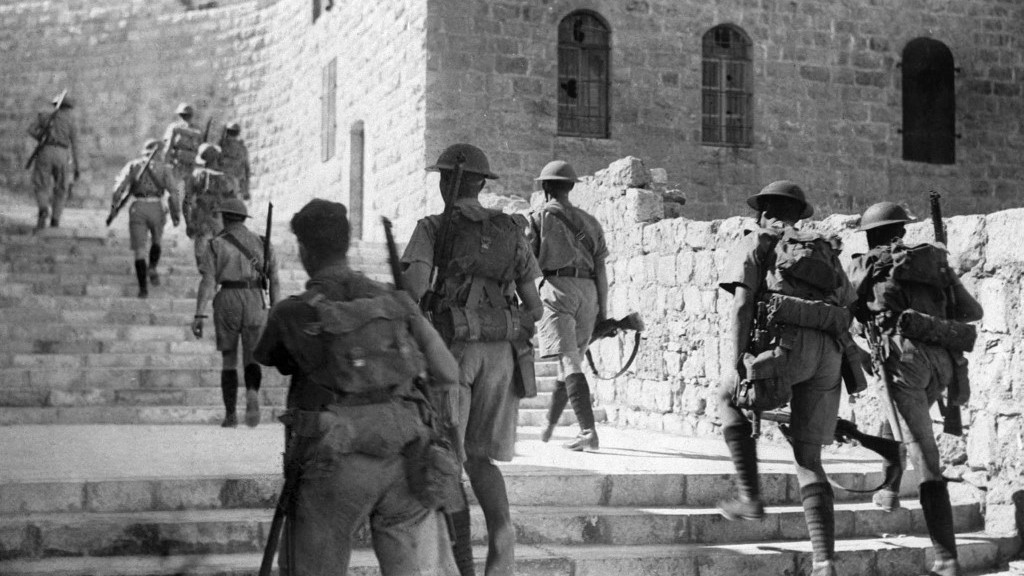
After British forces entered Jerusalem in December 1917, General Archibald Murray wrote: "The Palestine campaign could not have achieved its glorious consummation without the ELC."
Recruited in the hundreds of thousands from the Nile Valley, often by force, Egyptian workers laid the railways and water pipelines that enabled British troops to move across an inhospitable desert. Yet more than a century later, the families of those labourers have received no meaningful acknowledgment - let alone compensation - for the risks their forebears were compelled to undertake.
When my book The Egyptian Labor Corps was translated into Arabic in 2023, I learned that the grandfather of the translator, Dr Shukry Megahed, was a veteran of this body of labourers. He lived his whole life with a bullet lodged in his shoulder and missing an eye because of the injuries he sustained while working in the First World War. I was proud to contribute to Dr Megahed learning more about his family history.
As Aaron Jakes has shown, British administrators ran the wages of the ELC through a "suspense account" - bureaucratic language for costs that Britain should have paid but instead parked with the Egyptian government and then pressed Cairo to forgive.