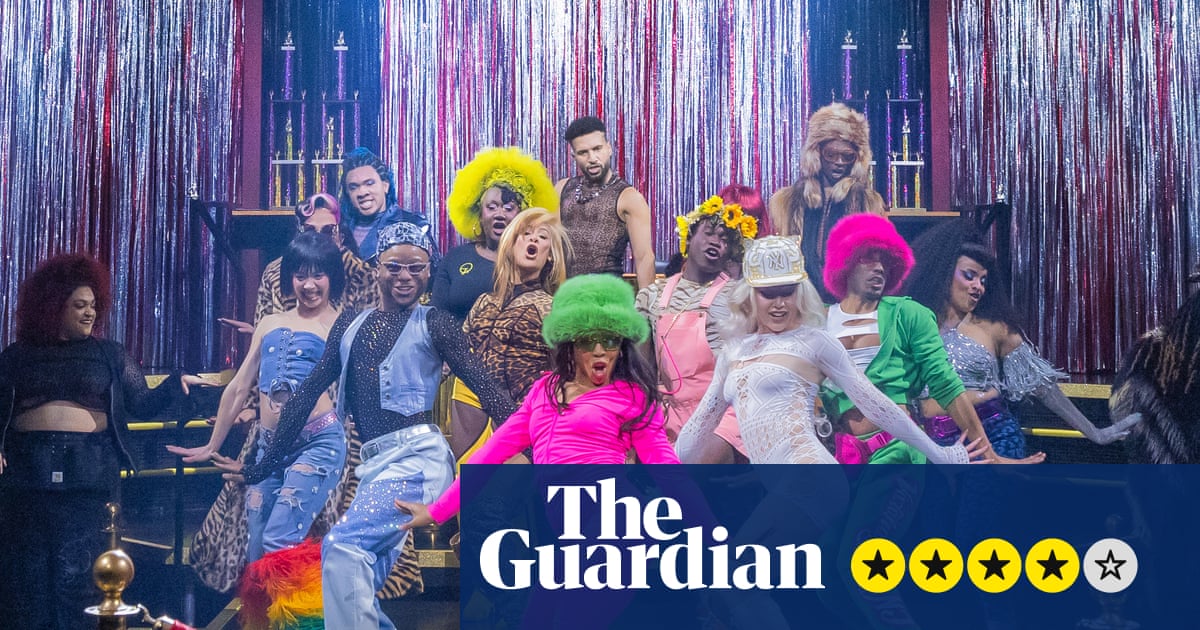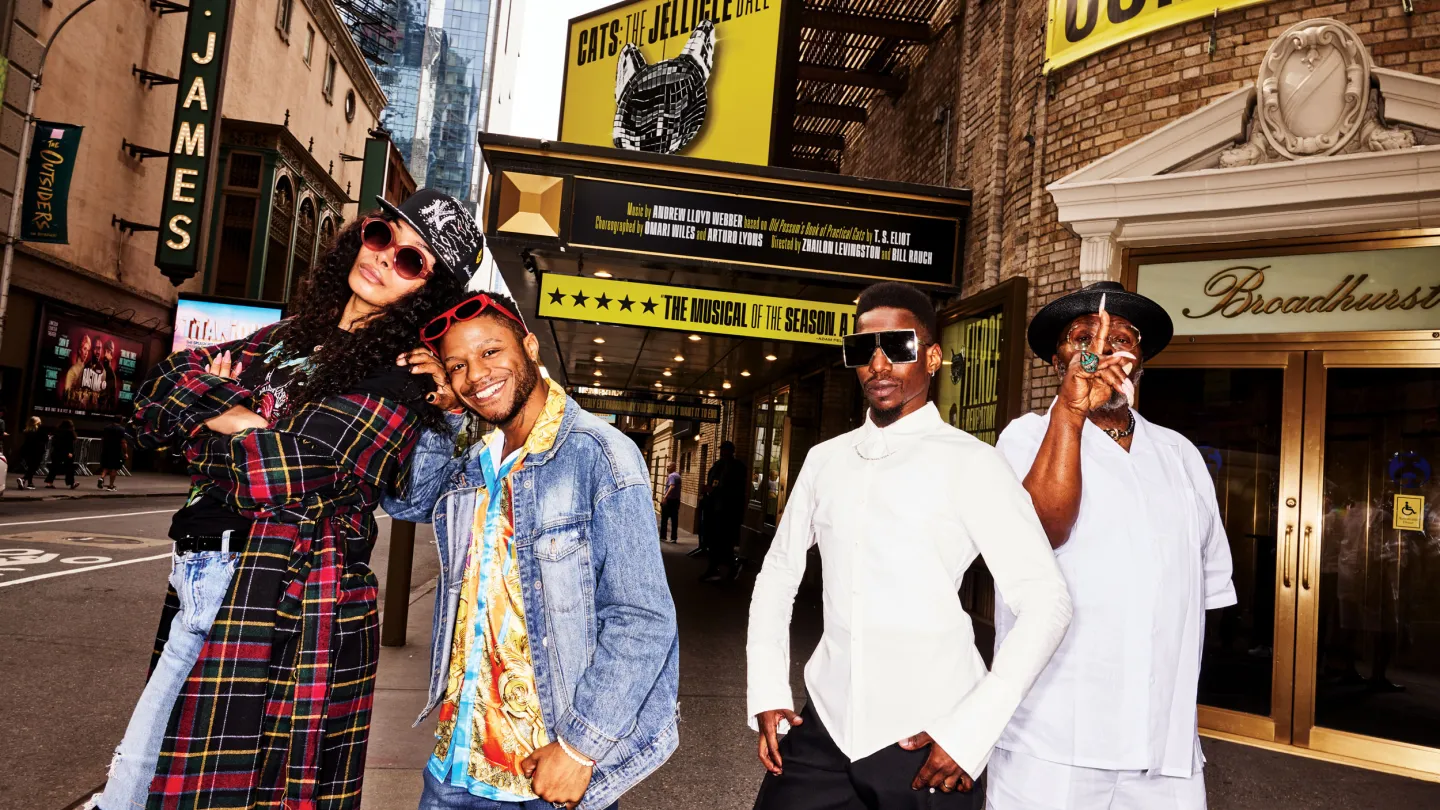
Walking into the Broadhust Theatre, the first sound that hits you is the percussive clacking of the hand fans.
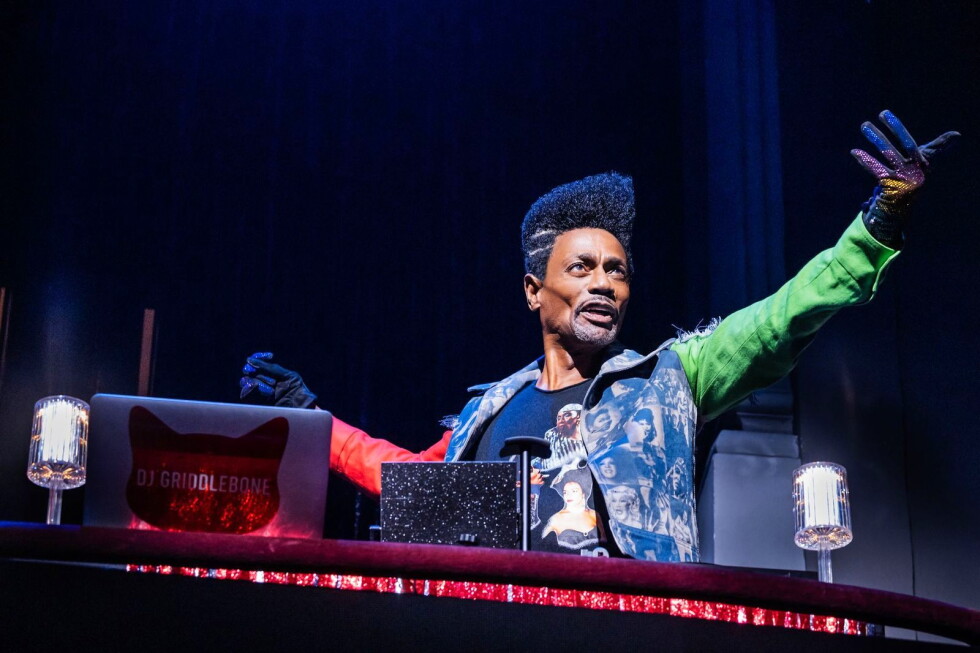
Audience members, adorned with sequins and cat ears, briefly pause their fans and sit up as the voice of Junior LaBeija, an iconic emcee in the New York ballroom culture, introduces the events of the evening and encourages those who don’t know his name to google him.
“O-P-U-L-E-N-C-E. Opulence! You own everything. Everything is yours,” LaBeija booms.
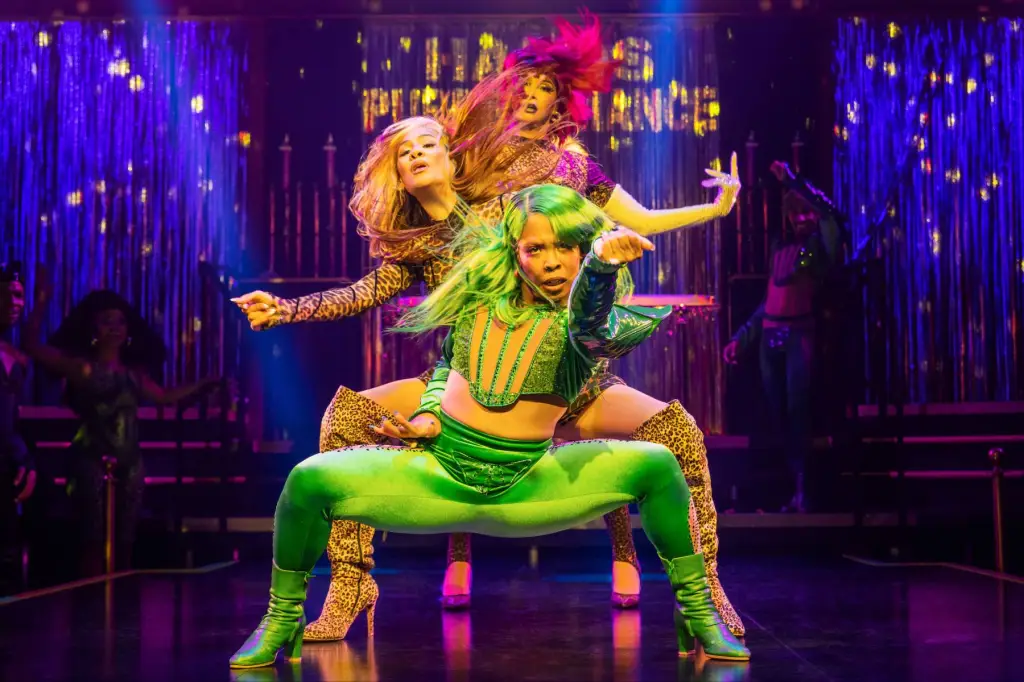
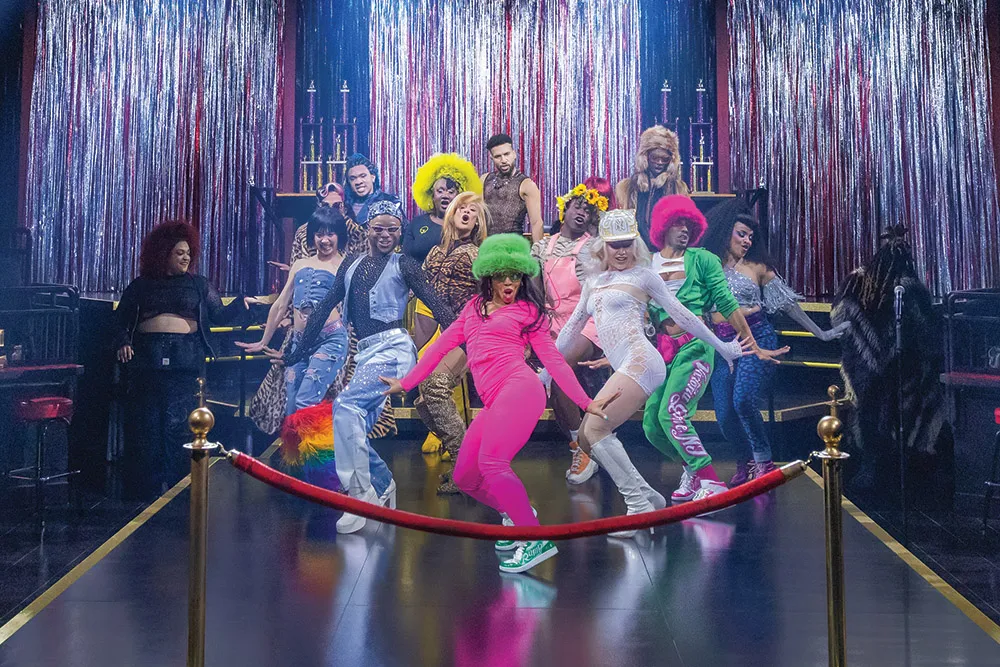
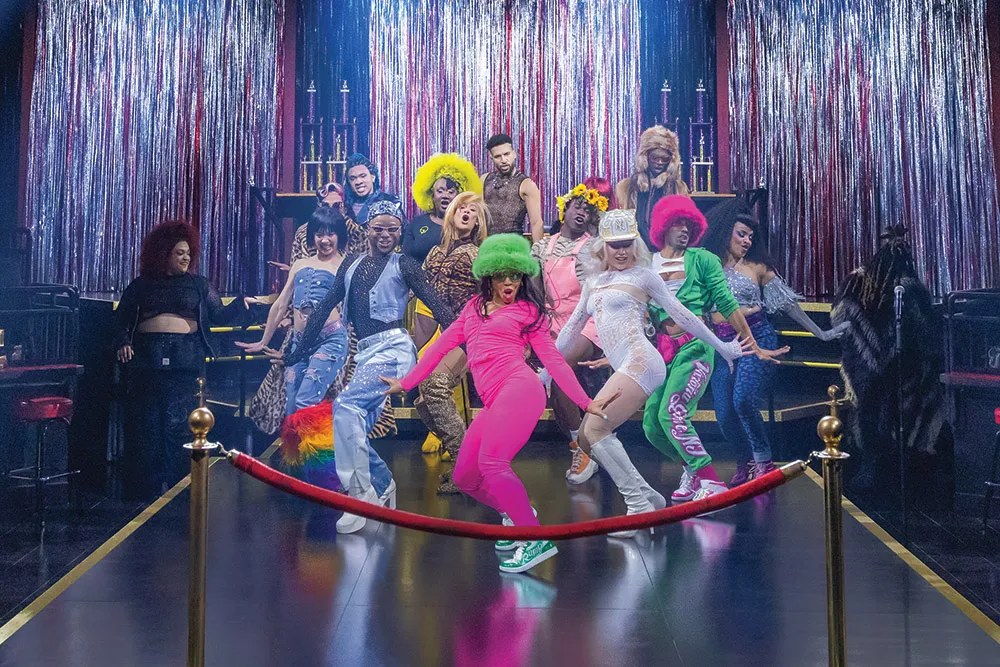
A silhouetted figure begins performing the balletic choreography associated with the original Cats musical. But then a heavy beat drops, and the figure crouches down into a duckwalk, moving across the walkway in a low bounce before springing up with the circling arm movements of voguing. It’s just a taste of what’s to come, because as LaBeija said, “This is a ball, darling.”
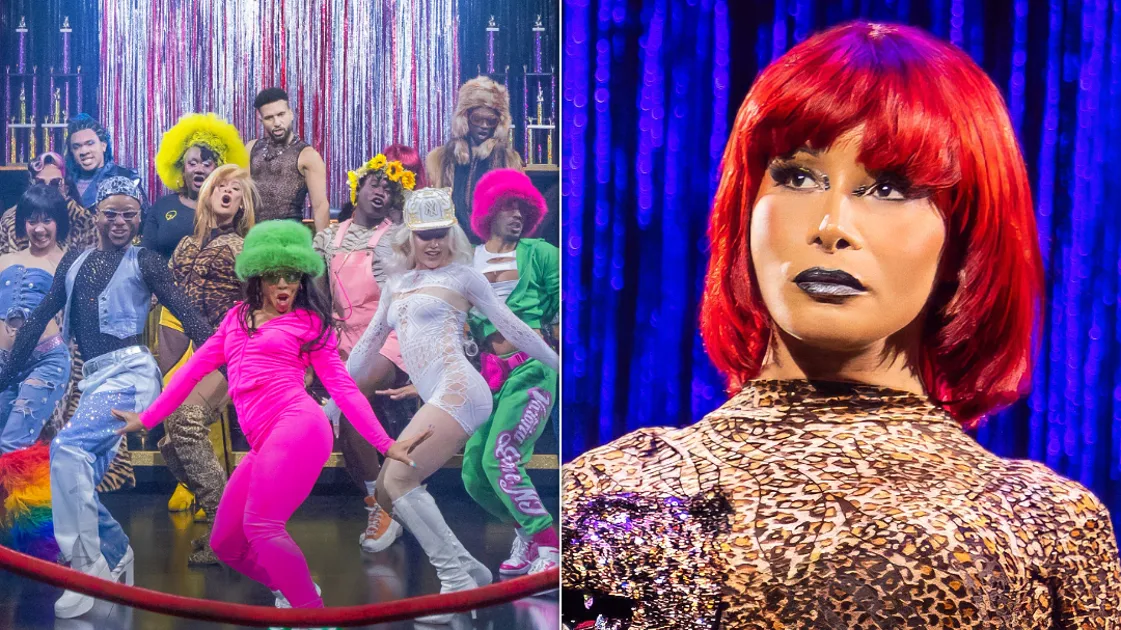
Ballroom has arrived on Broadway in the form of Cats: The Jellicle Ball, where every “cat” is now a human competitor on the runway. Emerging out of Harlem in the 1970s, balls offered Black and Latino members of the queer community a chance to freely express themselves as they faced off in vogue battles, competing in categories across beauty, fashion and “realness,” meaning the ability to blend into straight society.