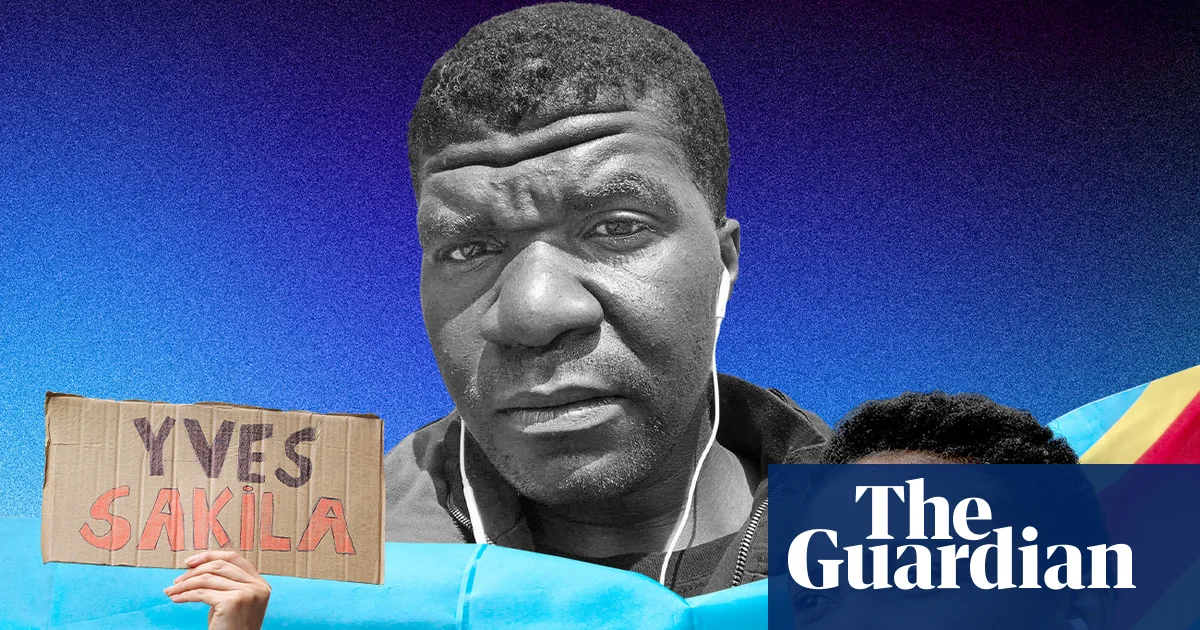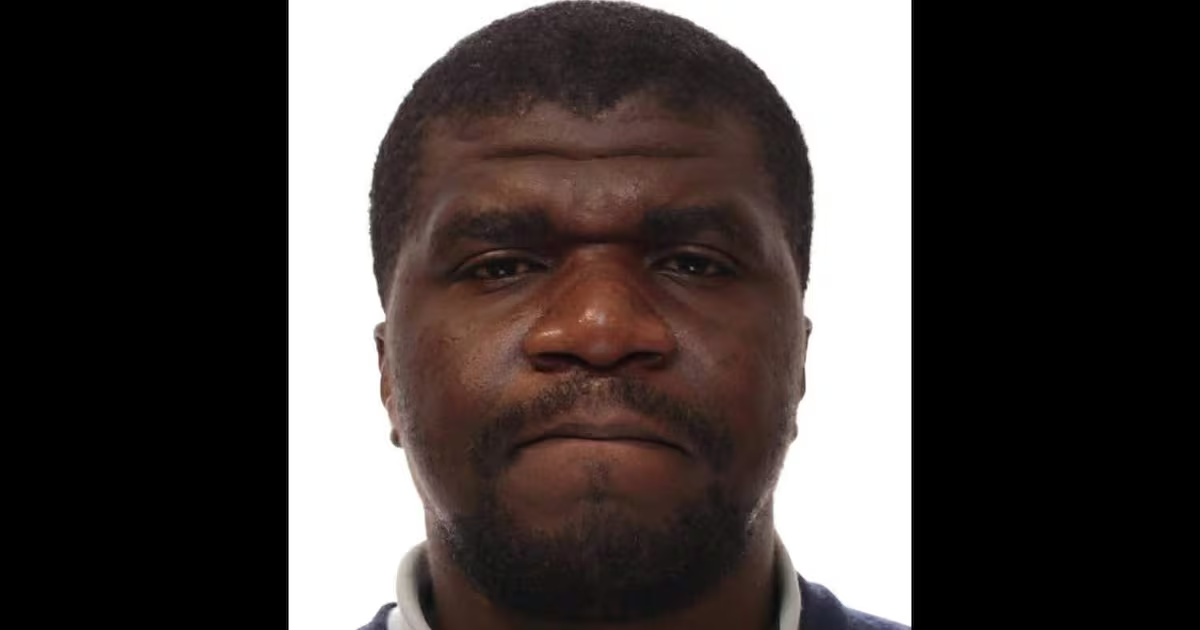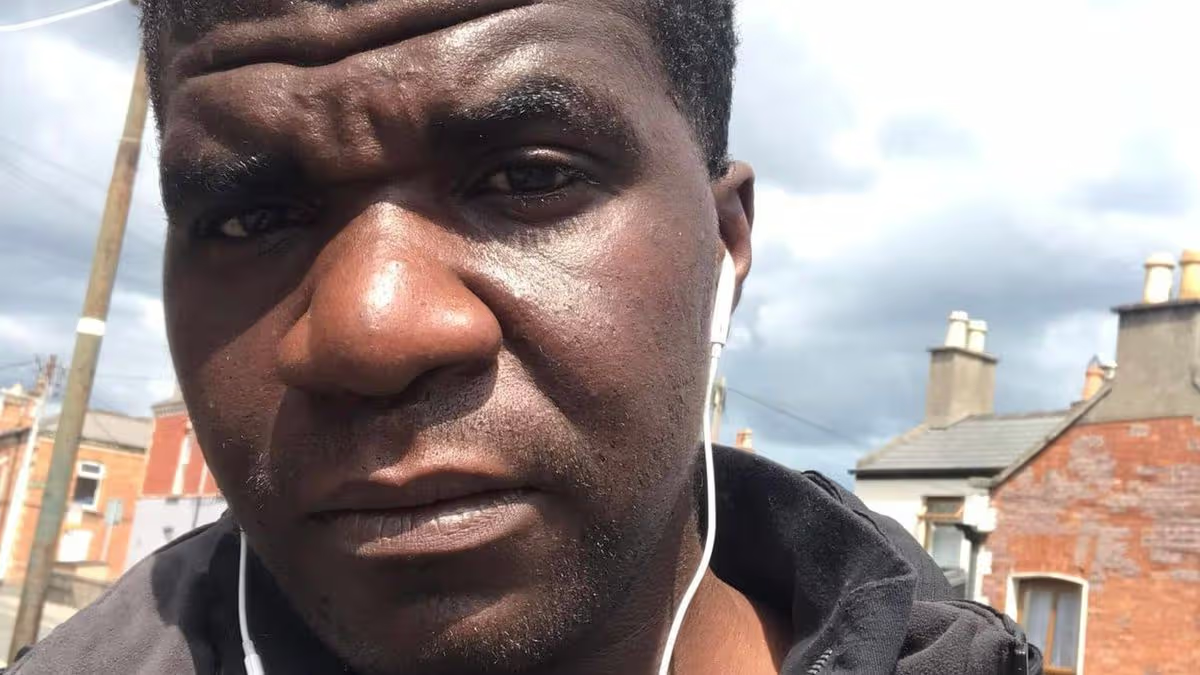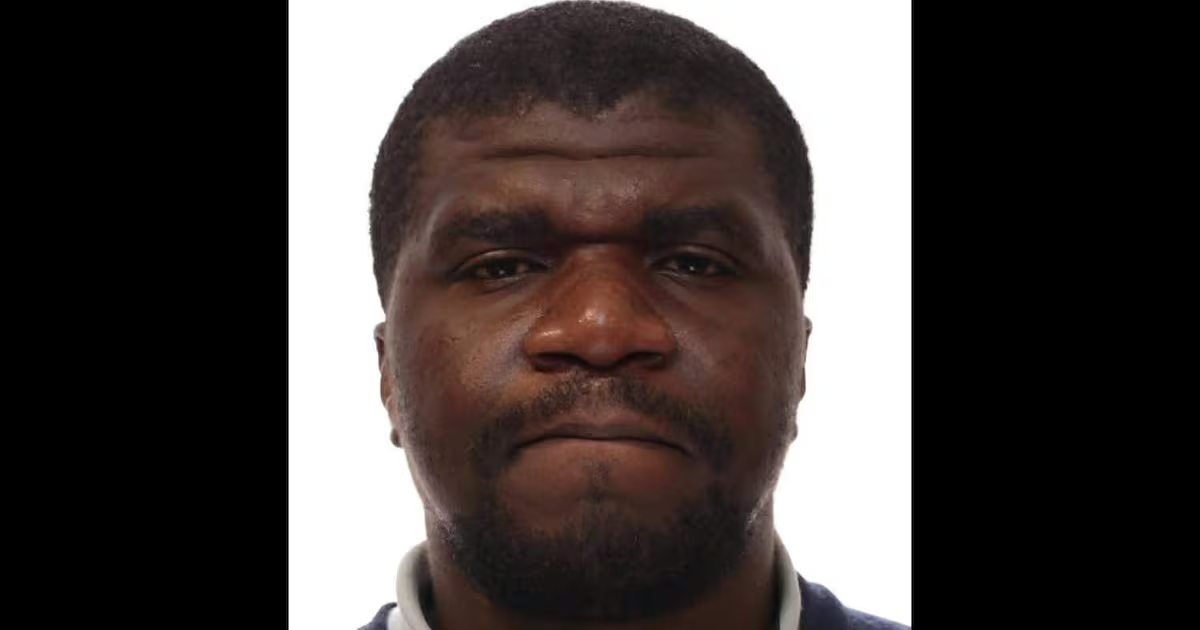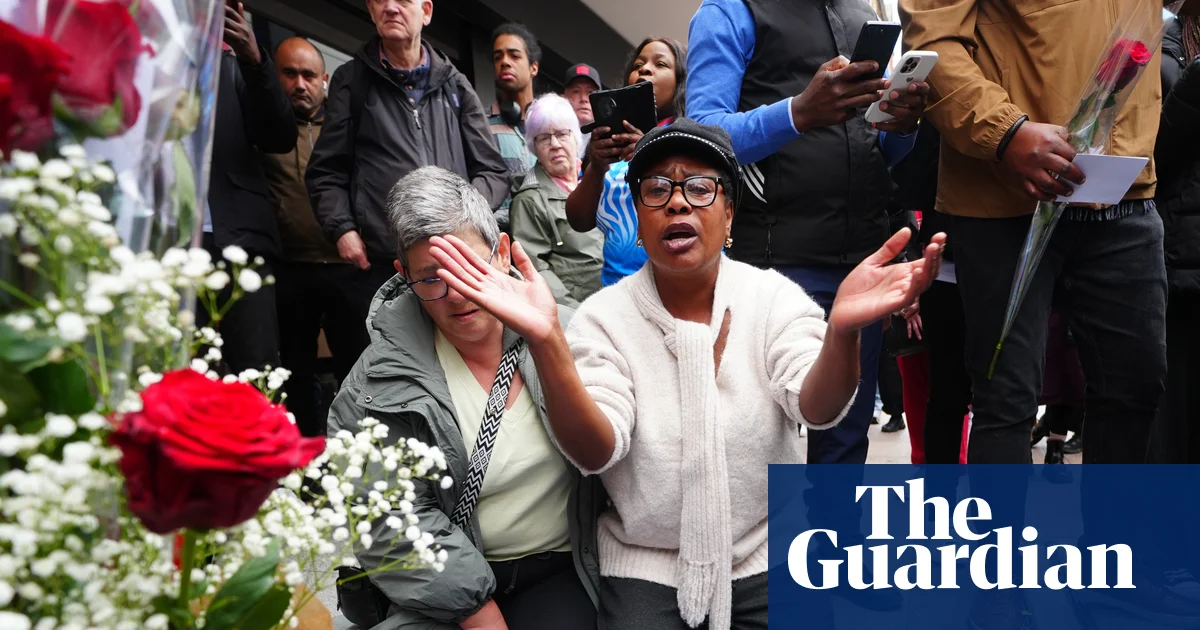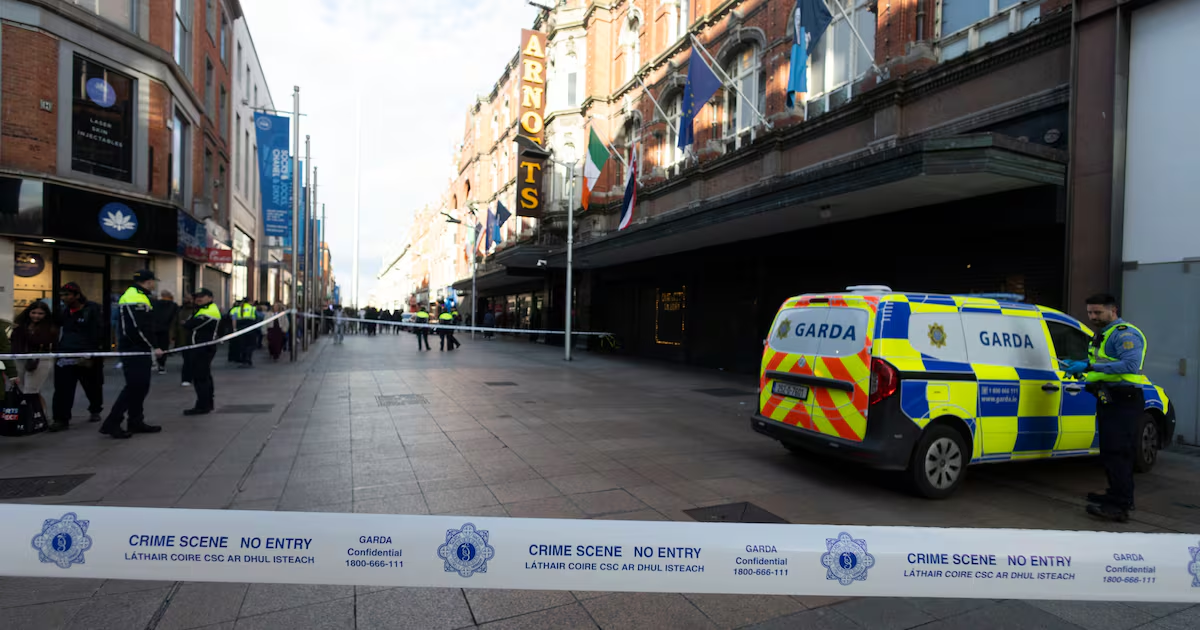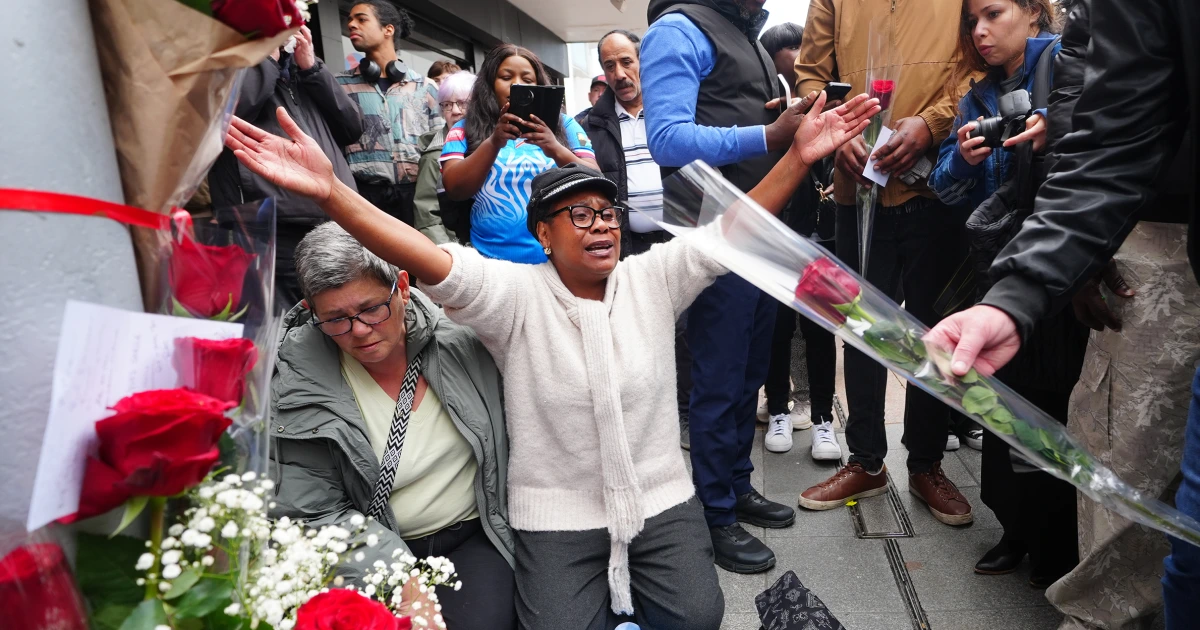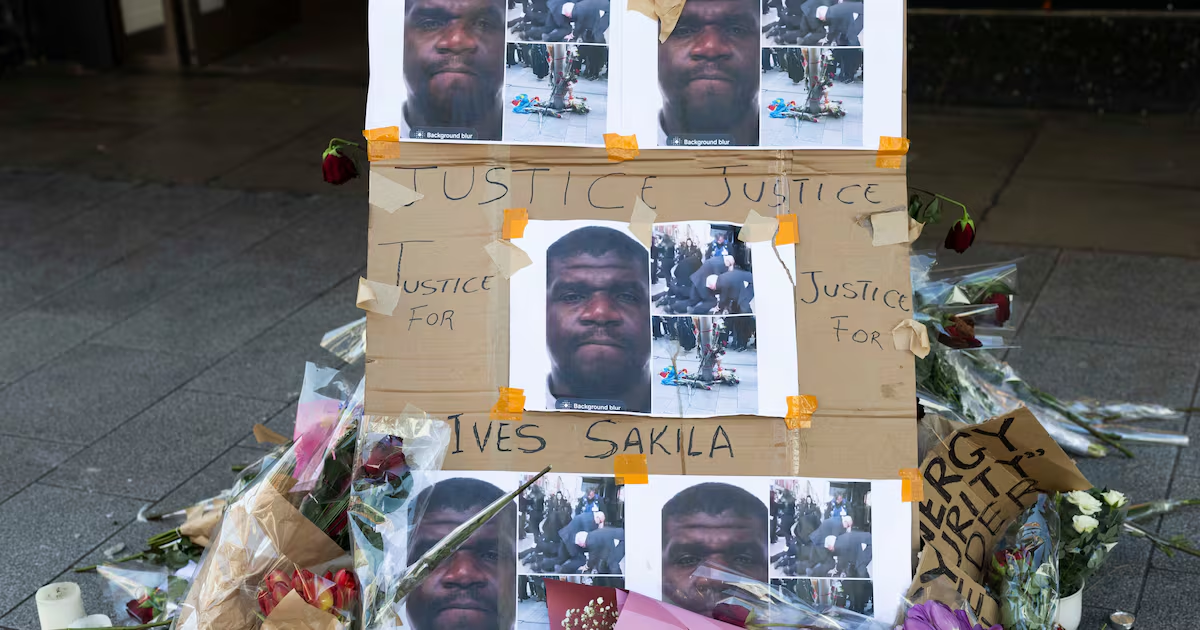
The family of Yves Sakila, who died after being restrained in an alleged shoplifting incident, have claimed an independent pathologist has raised concerns about how the postmortem on his remains was carried out in Ireland.The family of the deceased said they commissioned UK pathologist Dr David Rouse to carry out an “independent postmortem”. Arising from that, they claim the postmortem carried out in Ireland was not in line with “best practice” in the UK in “suspected restraint death cases”.“The heart of the deceased was also not transmitted for analysis to any cardio-pathologist, the brain was not sent to any neuropathologist,” the family’s solicitor John Gerard Cullen said in a statement.“The Garda investigation is also currently being delayed by a 6-12 week waiting period for a toxicology report where such a report could be obtained, according to another expert, in a matter of days.” The family is also critical of the fact the investigation into Sakila’s death was being carried out from Store Street Garda station, despite gardaí from that station having been present at the scene on Henry Street when he became unresponsive and later died.They have been critical of gardaí for declining their request for CCTV footage of the incident before Sakila died.“The members of this family again call for an independent, transparent and forensic investigation into this extremely violent restraint,” the family’s solicitor said. “The family members seek an investigation in which they can have some rational confidence. Currently, they report, regrettably, that they can have none.”Garda Headquarters said it “does not comment on third party remarks”. However, it pointed out the events in question were subject to two investigations – by the Garda and by Fiosrú, the Office of the Police Ombudsman.It added that Garda investigations in fatal incidents were “informed by the expert and independent State pathology service”. That service has “access to a wide range of information on an incident that is not available to outside parties”.It said in cases involving the death of a person, the Garda appoints a family liaison officer “to engage with the family of the deceased”.Comment has been sought from the office of the State Pathologist via the Department of Justice. Separately, Garda sources noted that waiting periods for toxicology test results, and the fact gardaí had declined to share CCTV of a serious incident under investigation, were standard in Irish policing.They also said while the postmortem results were inconclusive, when toxicology test results became available they should aid efforts to determine the cause of death.Sakila (35), who was Congolese but had lived in Ireland since 2004, was suspected of shoplifting on Henry Street on Friday, May 15th, and was pursued on to the street by security guards.He was caught and restrained by a group of up to five security guards, who allegedly used force to pin him down, face first, on the street while waiting for gardaí to arrive.The responding gardaí handcuffed Sakila in an apparent bid to get control of the situation and attend to a pensioner who was knocked to the ground and injured as Sakila was being pursued.However, almost immediately after the handcuffs were applied, gardaí realised Sakila was unwell, removed the handcuffs and began performing CPR. He was then taken to the Mater hospital, where he was later pronounced dead.Video footage of the first part of the incident, involving a group of men restraining the deceased, has been circulating on messaging apps and social media.One of the men in the footage can be seen briefly trying to place his knee on Sakila’s head or neck to restrain him. The same man and a second person then use their hands to hold Sakila’s head or neck to the ground, while several other people hold him down by the body and legs.
Family of Yves Sakila seeks outside pathologist and criticise Garda inquiry
Events surrounding death under investigation by gardaí and Fiosrú, the Office of the Police Ombudsman
625 words~3 min read