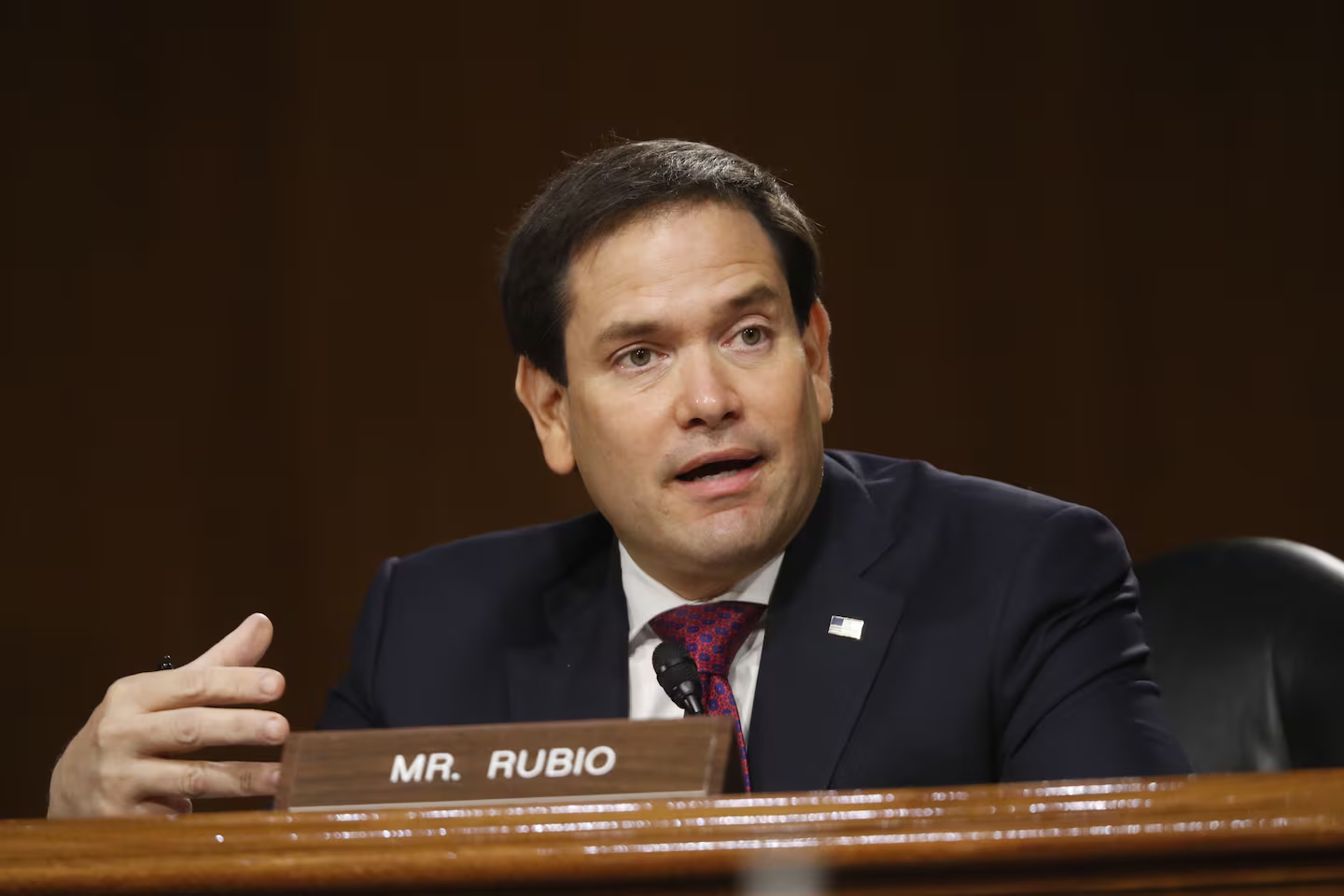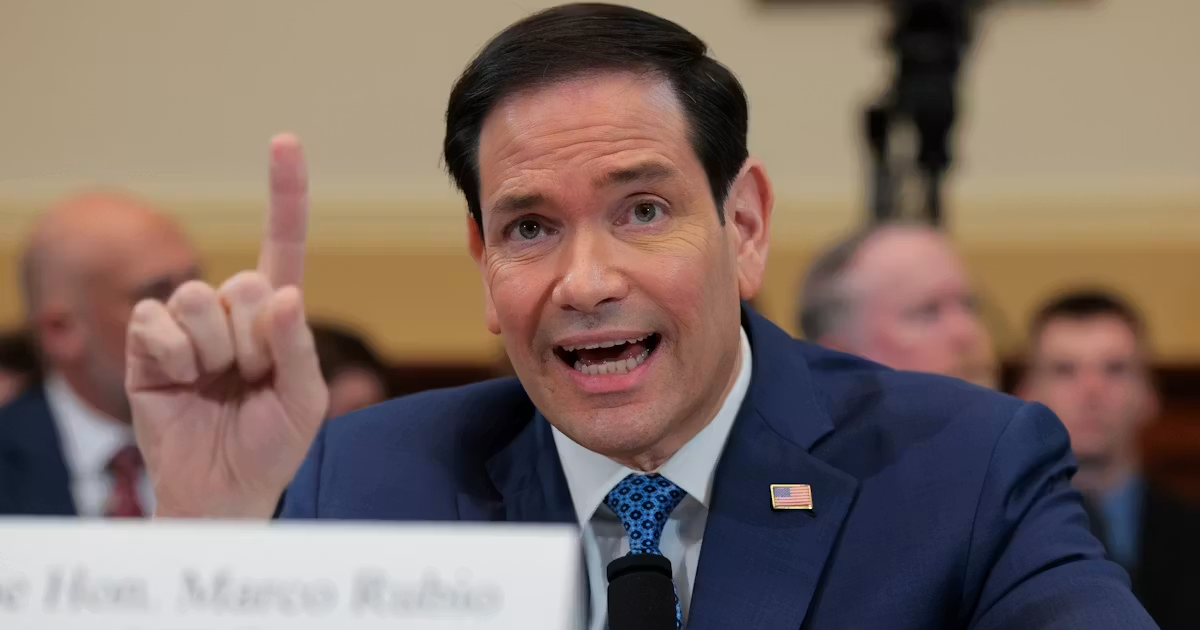
In the final days of his 2016 presidential campaign, then-Sen. Marco Rubio stood before a friendly Miami debate crowd and named his baseline for any negotiations with Cuba: free elections, a free press and free speech for the 11 million people living on the island. The GOP front-runner, Donald Trump, offered something much vaguer — an unspecific pledge to work out “a good deal” with the Castro regime.
Rubio ridiculed the answer. The crowd roared.
Now, as secretary of state, Rubio is navigating the most volatile moment in US-Cuba relations in decades on behalf of the man he once mocked. For months, Rubio, the son of Cuban immigrants, has teamed with Trump to pressure Cuba’s leaders to the negotiating table while trying to hasten conditions for their ouster.
A fuel blockade has left Cubans with rolling blackouts ahead of the sweltering summer months. Last month in Havana, CIA Director John Ratcliffe delivered a rare in-person ultimatum to Cuban officials to enact political changes. Five days later, the Justice Department indicted former President Raúl Castro. The USS Nimitz aircraft carrier strike group is close by in the Caribbean.
On Thursday, the US piled on more pressure, imposing sanctions on Cuban President Miguel Díaz-Canal, his wife and stepson; family members of Raúl Castro; and several organizations it asserted were tied to the Cuban government.