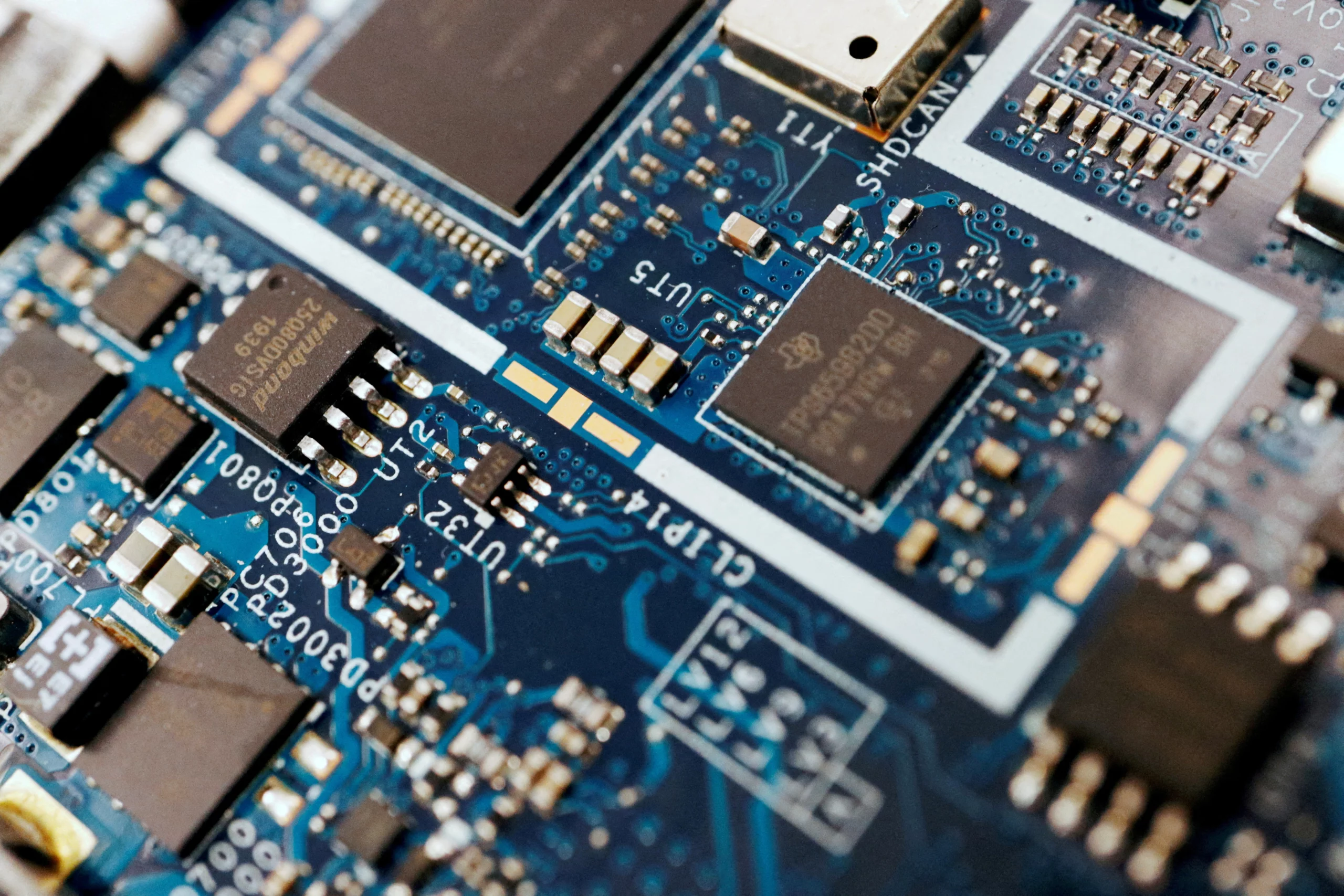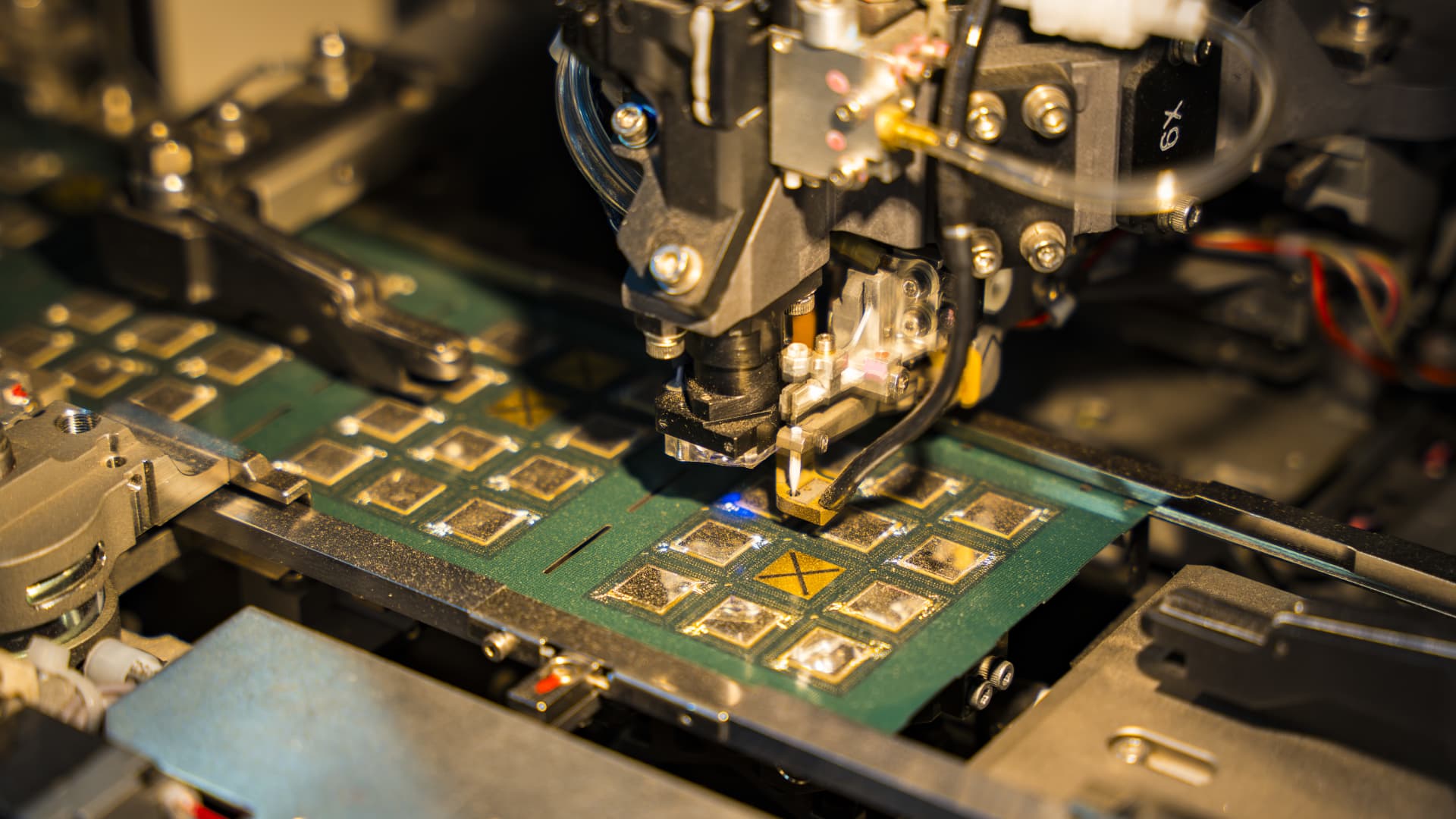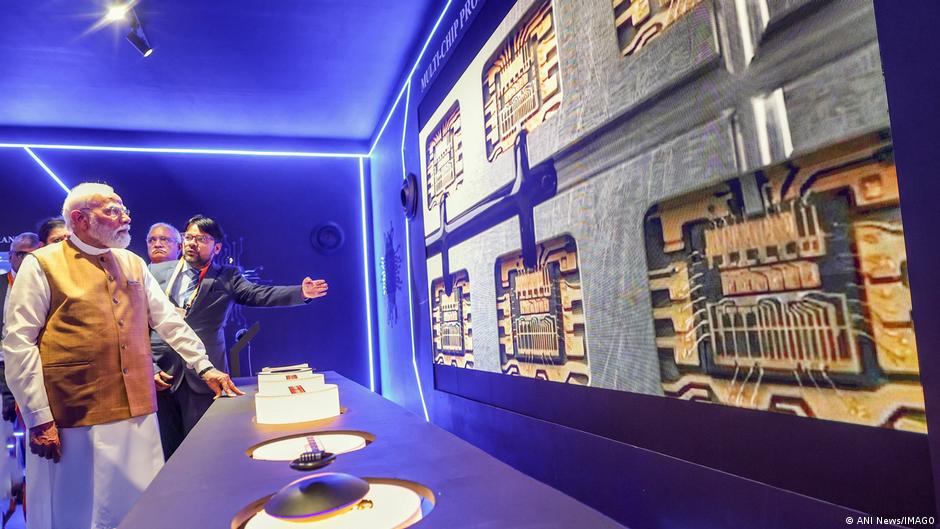
In February, Mexican President Claudia Sheinbaum unveiled Kutsari Center, a national chip design hub — the first step in an ambitious plan to develop a homegrown semiconductor industry.
Dozens of scientists and researchers stood by the president as she described the “very important” project. The center, due to open next year, is key to a semiconductor factory which could reduce the country’s $24 billion annual spend on importing chips for its electronic and automotive industries.
“We want to stop being a country that assembles chips and become one that designs and makes them,” Edmundo Gutiérrez Domínguez, general coordinator of Mexico’s national semiconductor plan, told Rest of World.
Mexico is not alone in its ambition: In the past five years, Malaysia and India have also drafted national strategies to ramp up their semiconductor design and manufacturing capabilities as they embrace artificial intelligence, and as the tech rivalry between China and the U.S. deepens.
Mexico, Malaysia, and India are not aiming to compete with the state-of-the-art chips produced by leaders TSMC or Nvidia. Instead, their goal is more modest: to make legacy chips that require less investment, and which can be used in electronics and other applications. Producing chips in the same country where electronics that use them are assembled or manufactured will help them move up the semiconductor supply chain, and become less dependent on expensive imports that are vulnerable to sudden policy shifts.