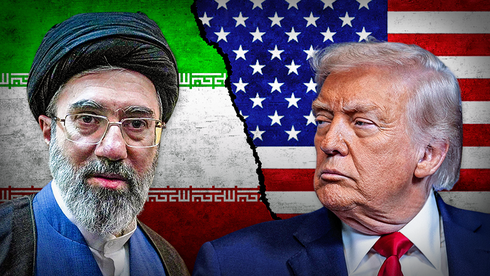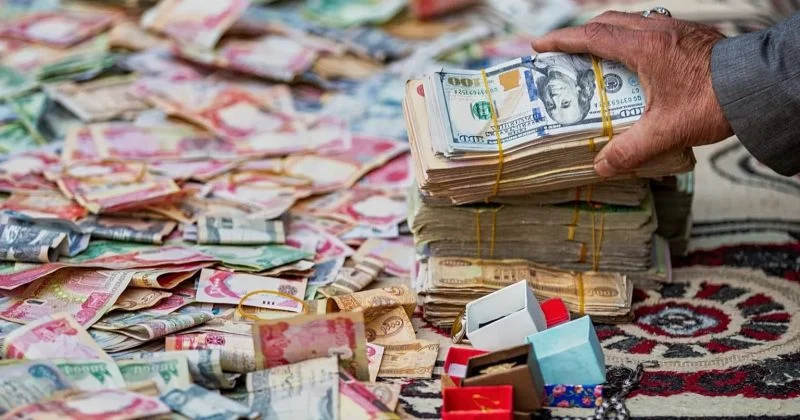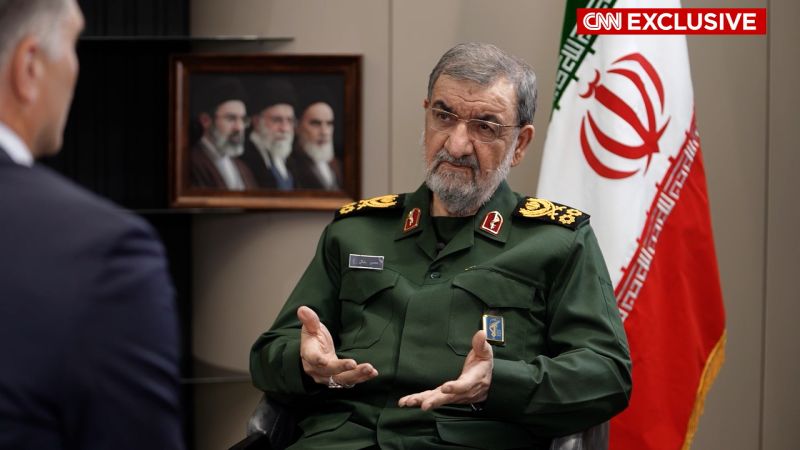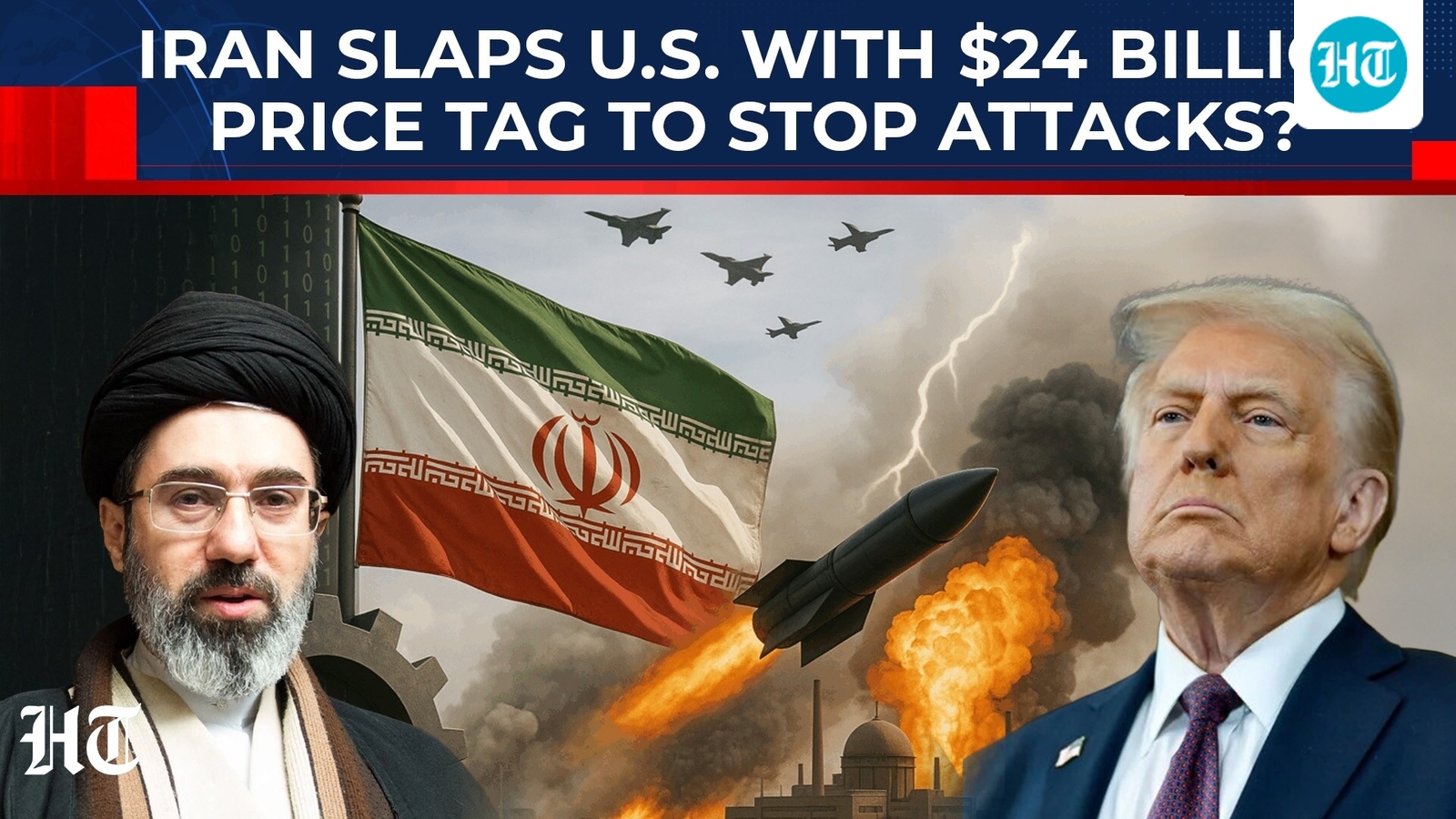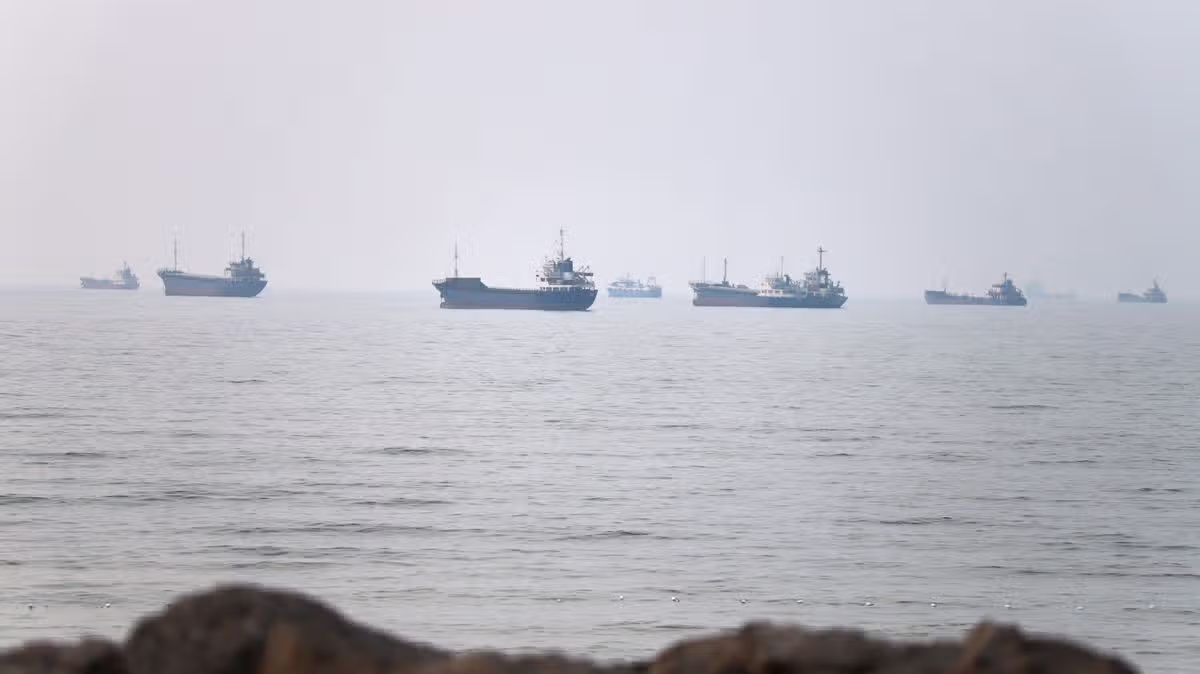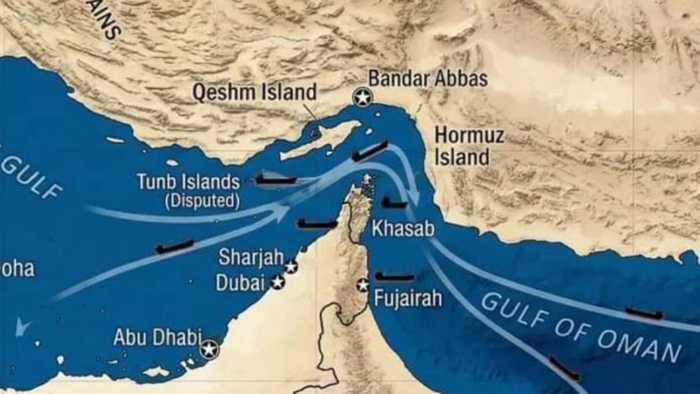
The U.S. and Iran remain stuck in preliminary talks to end the war, with the main obstacle being Tehran's demand for access to billions of dollars in frozen assets and the Trump administration's refusal to provide upfront cash or broader sanctions relief.Tehran is seeking about $12 billion upfront and $24 billion during a proposed 60-day negotiation window."Twenty-four billion dollars is not much for America if he wants to reach an agreement with Iran," Gen. Mohsen Rezaei, a senior adviser to Iran's top official, told CNN on Friday. "This is our own, not America's money."For the Trump administration, releasing frozen funds for Tehran is optically displeasing because the president spent years blasting the Obama administration over the $1.7 billion Iran payment tied to the 2015 nuclear deal, and later criticized the Biden administration's move to allow Iran access to $6 billion in assets during a prisoner swap.The U.S. government estimates that Tehran has $100 billion in inaccessible assets, mostly oil revenue trapped abroad, including funds in China, Qatar, Oman, and Iraq.On Sunday, Iranian Foreign Ministry spokesman Esmaeil Baghaei spoke with CNN's senior international correspondent Frederik Pleitgen about the ongoing negotiations with the U.S.Baghaei stated, "The main problem of negotiating with this administration is that you have to face so many changing positions, moving the goal posts, different statements, contradictory remarks by different officials, so it makes the whole process very cumbersome."He outlined one of the main problems is that "the Americans must understand that they have to recognize Iran's rights," including its right to peaceful nuclear enrichment under the international non-proliferation treaty."At the same time, when they are talking about our blocked assets, they're not going to give us any concession," he said.CNN reported earlier on Sunday that the US plans to allow Iranian assets to be used for rebuilding projects in Gulf countries impacted by the war, according to a source close to US Treasury Secretary Scott Bessent.Baghaei added that the US must "simply stop their sanctions" and "need to let Iranian assets be released and be available for the Iranians."Beyond US-Iran talks, IRGC-linked Fars News reports that Iran has been collecting $1.5 million to $2 million per vessel passing through the Strait of Hormuz.Fars said the payments are deposited into Iran's treasury under the budget law and directed toward designated spending areas. Some payments are reportedly settled not in cash but in USDT/Tether or through barter arrangements.Polymarket odds for June 15 permanent peace deal ... US x Iran permanent peace deal by June 15, 2026?
Iran FM Blames U.S. "Contradictions" On Stalled Peace Talks As Tehran Slaps Million-Dollar Hormuz Tax On Ships
"Twenty-four billion dollars is not much for America if he wants to reach an agreement with Iran"
TL;DRAI
Iran collecting $1.5-2M per Hormuz vessel; US-Iran negotiations stalled over $24B in frozen assets. Three-month strait blockade lifts Asia-Europe shipping rates 27%, forcing CIOs to rethink supply chain resilience and infrastructure capex strategies.
979 words~4 min read