France’s electrification plan treats clean electricity as energy security, industrial strategy and household protection, but the 2030 timetable turns delivery into the real test.
Support CleanTechnica's work through a Substack subscription or on Stripe.
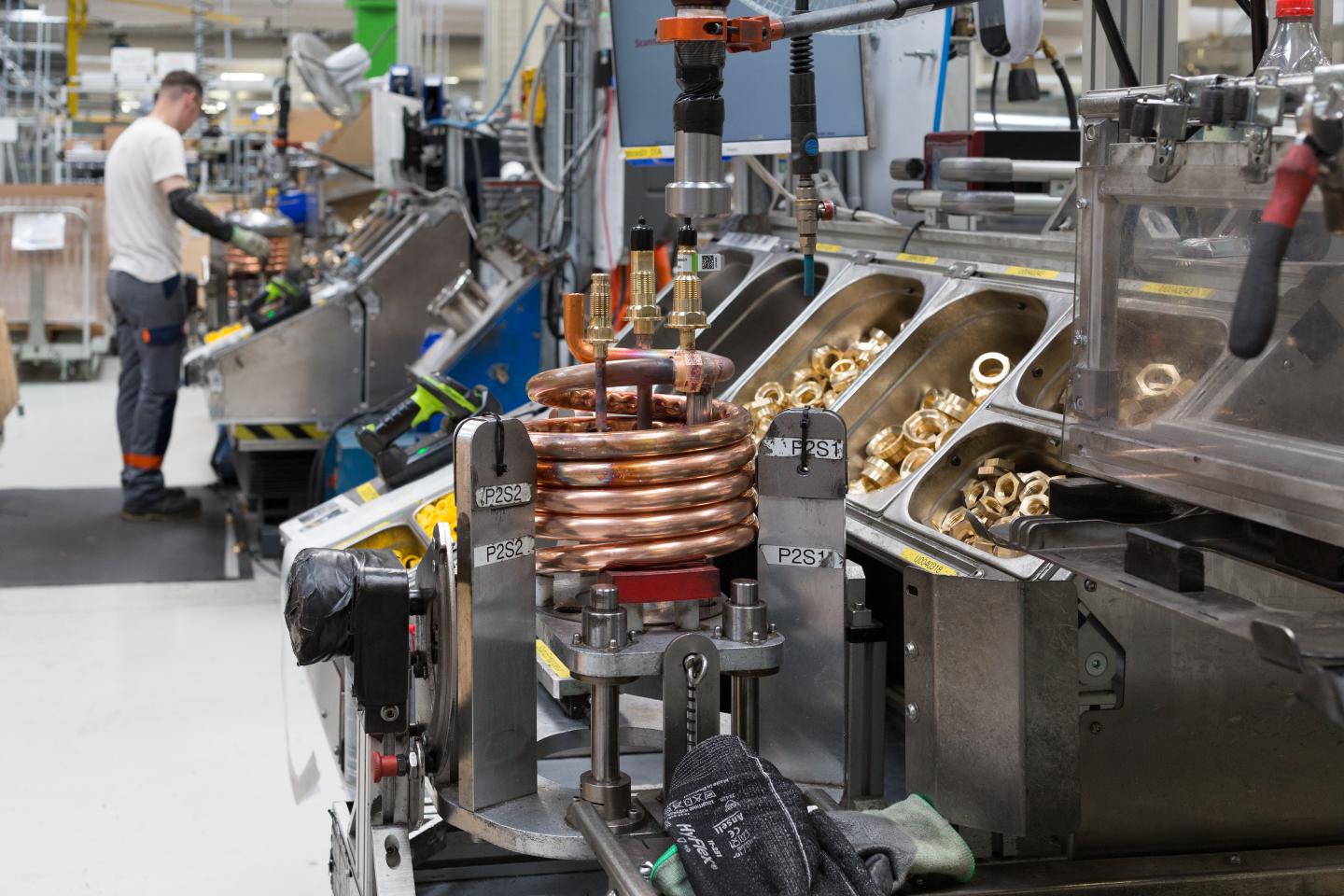
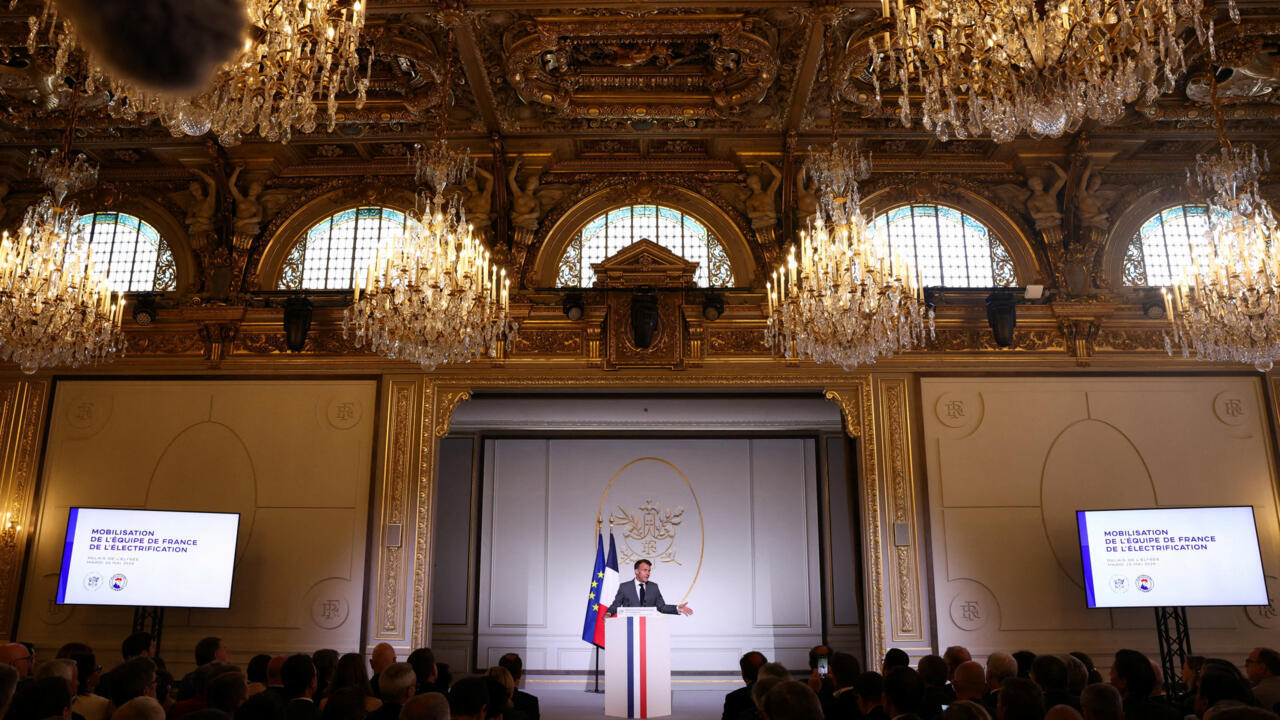
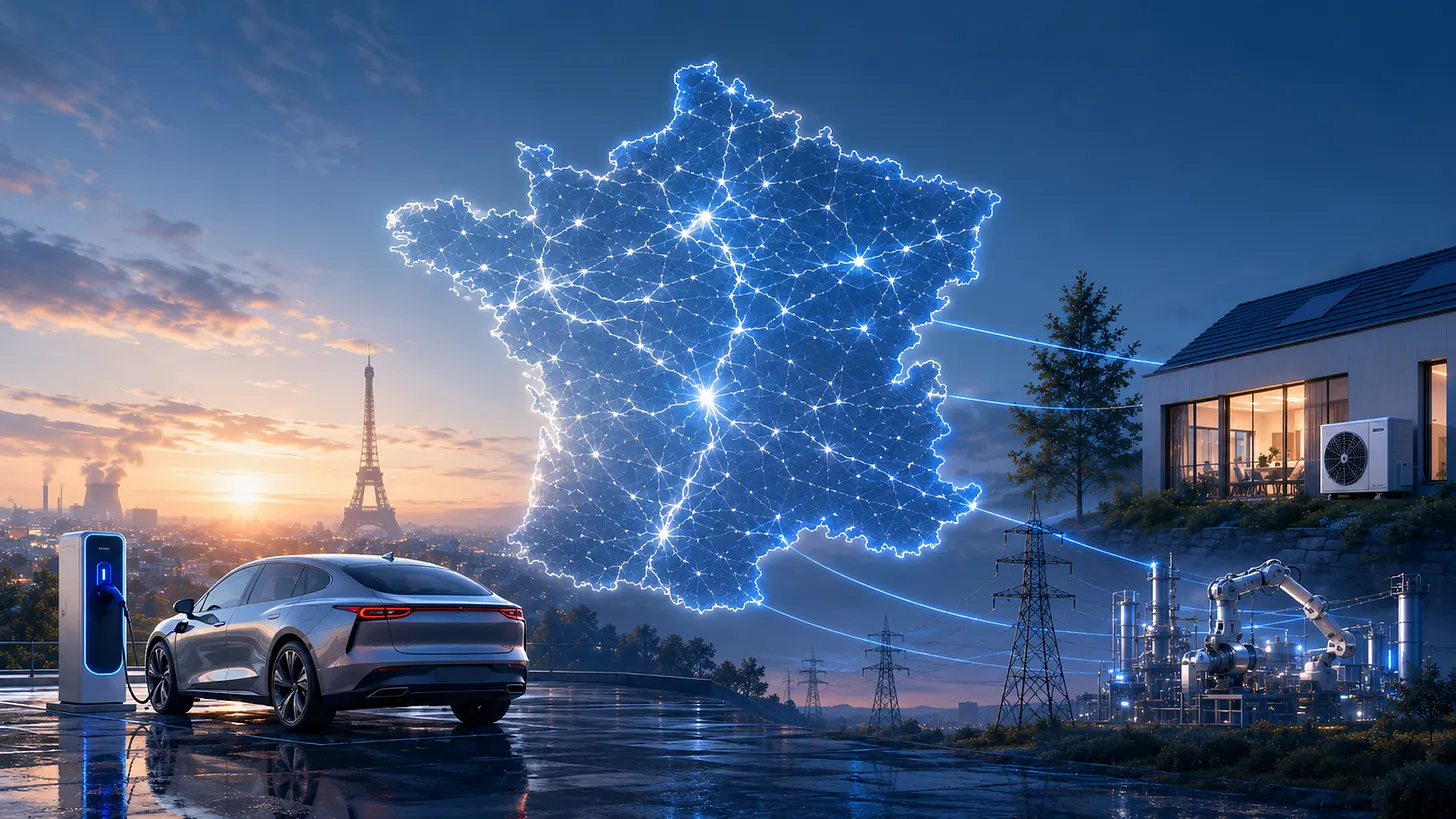
France has announced a national electrification push that is directionally correct in a way that a lot of energy policy still is not. It is not treating electrification as a side dish to climate policy, a consumer rebate program, or a decorative set of EV chargers beside the real business of burning imported molecules. It is treating electrification as energy security, industrial policy, household cost protection, and a way to stop other people’s fossil fuel problems from showing up in French bills.
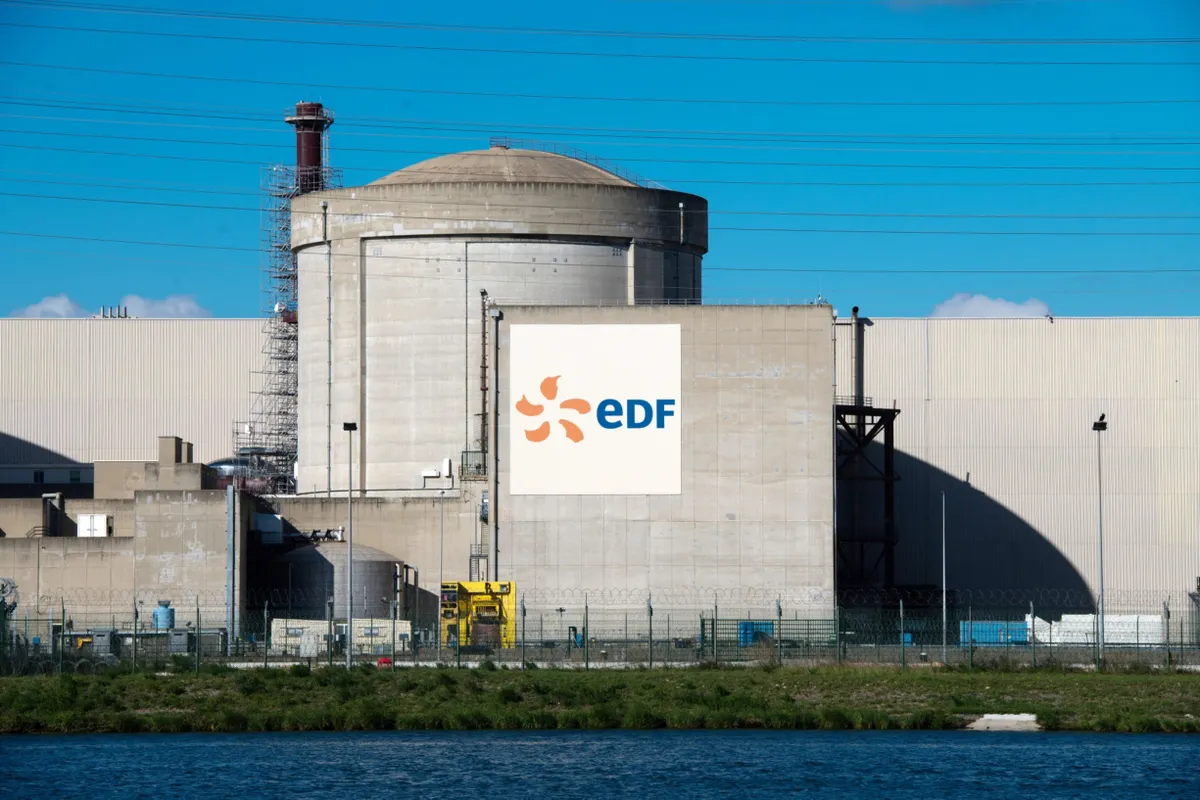
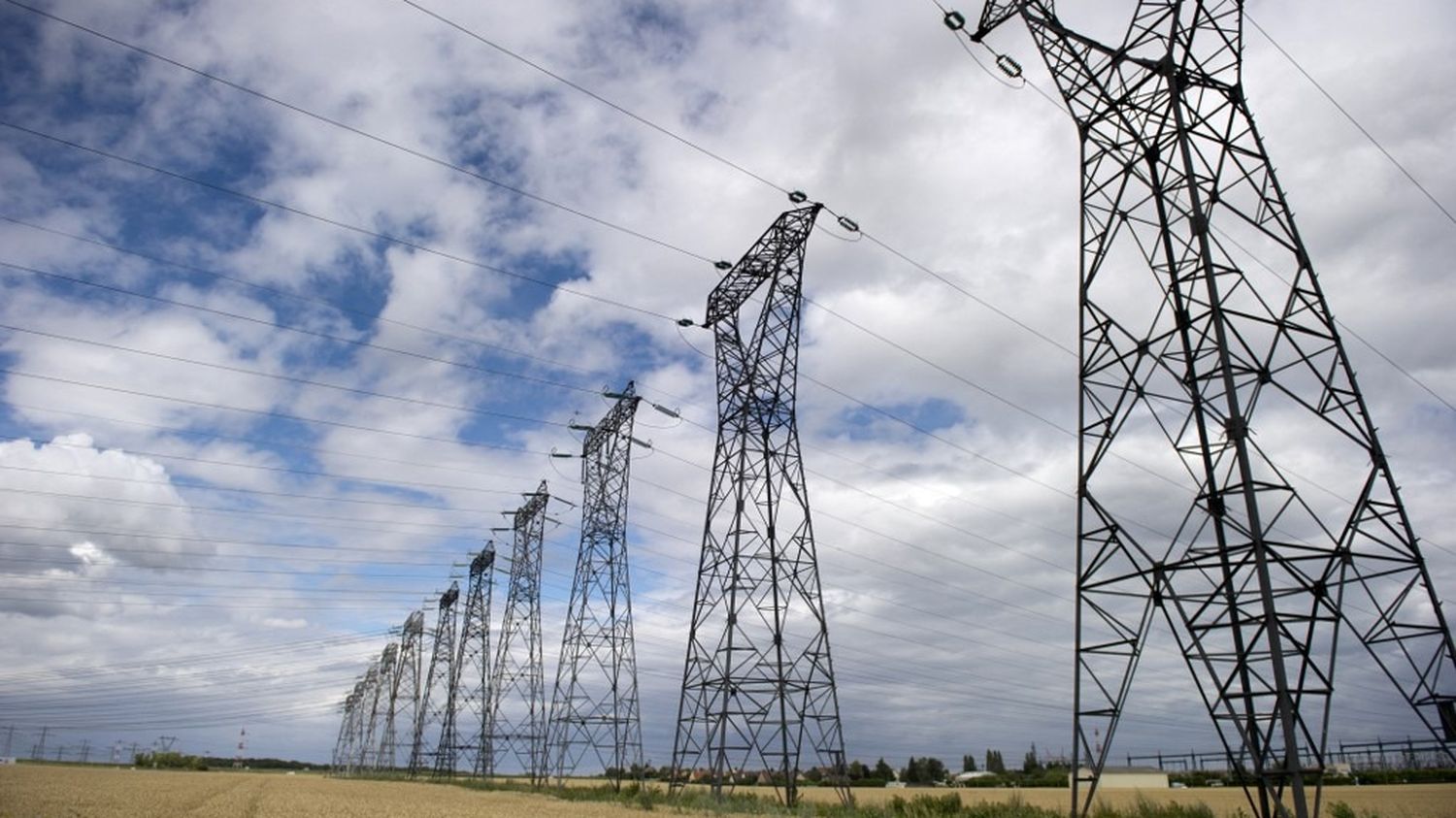
That is the right frame. A country that replaces imported oil and gas with domestically produced low-carbon electricity gets several things at once. It gets lower emissions, less exposure to fossil fuel price shocks, more control over its own energy system, and more industrial options. France is unusually well placed to say this out loud because its electricity system is already heavily decarbonized by nuclear power, with renewables adding more low-carbon supply over time.