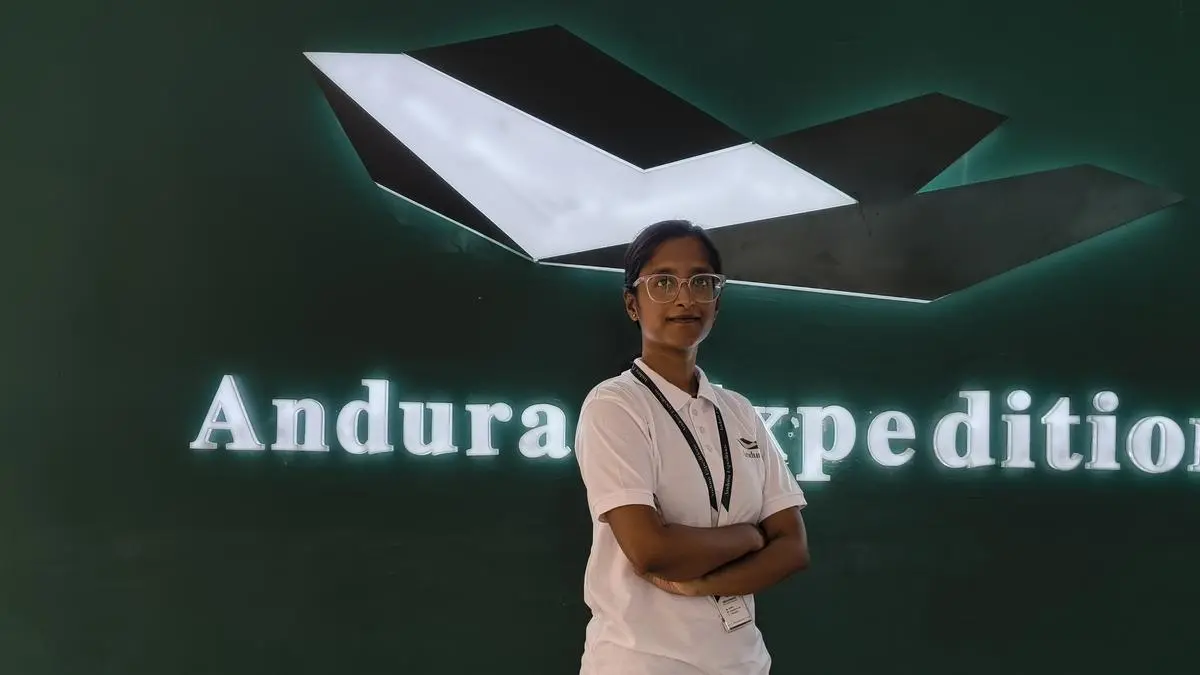
Sree Supranayi Kanamarlapudi
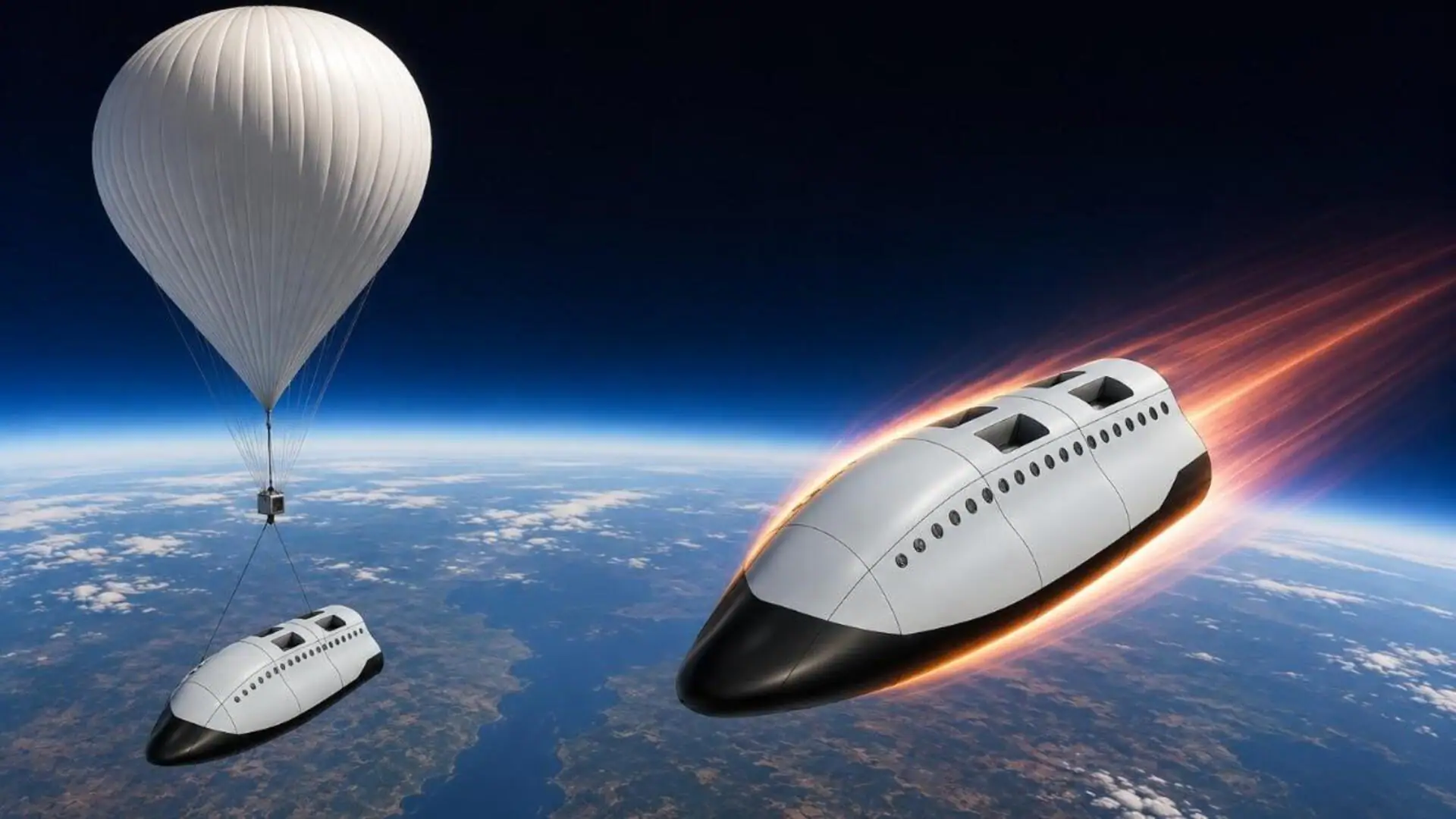
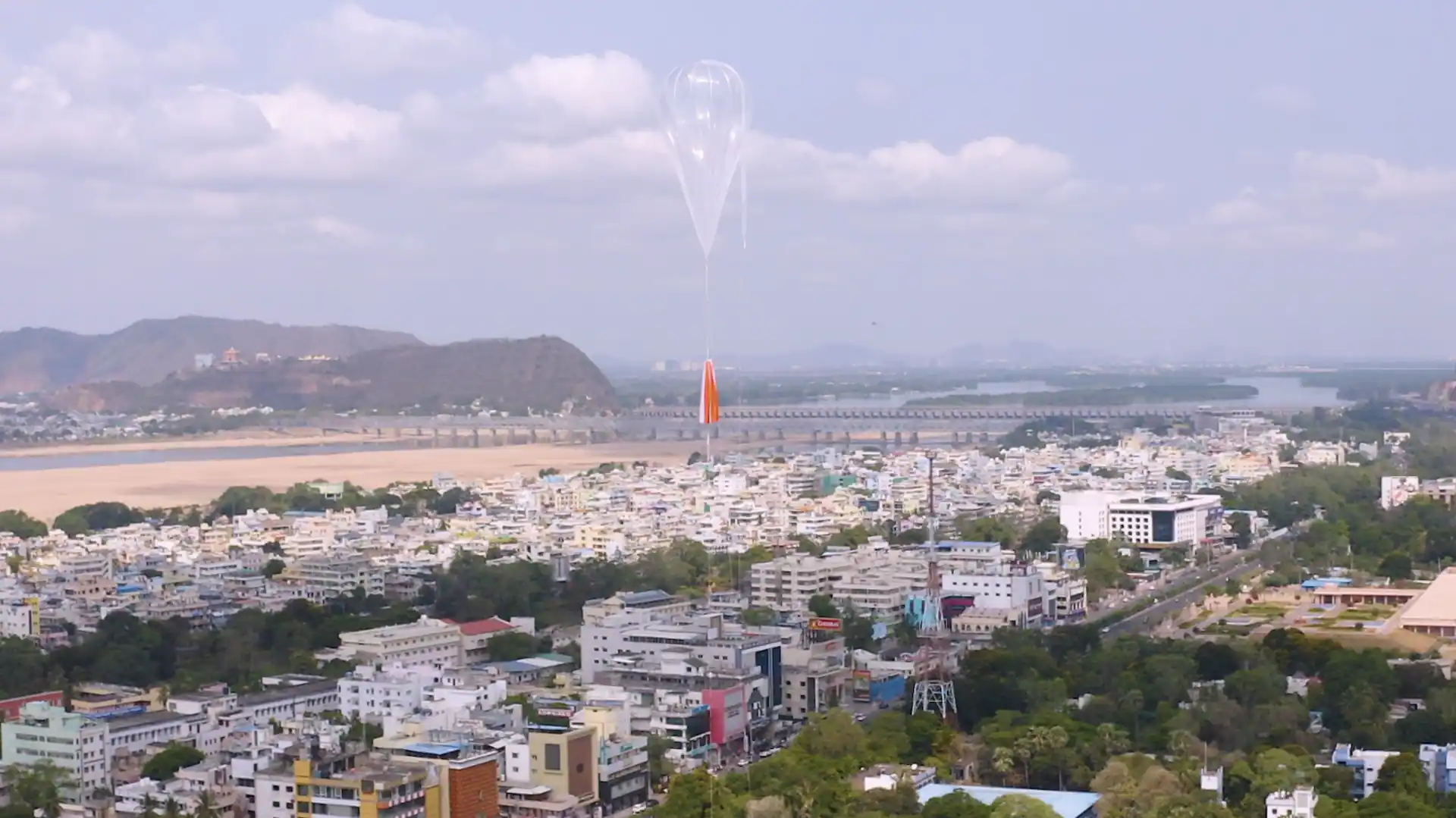
Sree Supranayi Kanamarlapudi had dreamt of becoming an astronaut as a child. She kept the dream alive growing up and earned a B.Tech in Aerospace Engineering. She has now founded a spacetech start-up, AnduraX, in Vijayawada, that is well on its way to building the country’s first re-entry space vehicle capable of manoeuvring in low Earth orbit and retrieving niche pharma or semiconductor products manufactured in space.“I always wanted to be an astronaut, inspired by my mother’s stories about a civilisation on the moon. By the time I turned 25, that vision fuelled my desire to enter the space industry,” says Kanamarlapudi.After she graduated from Amrita Vishwa Vidyapeetham, Coimbatore, she completed her MBA in Finance. After three years at a reusable launch vehicle startup, she founded her own startup with her former colleague, Nirvik Choudhury, as a Co-Founder. Backed by government-backed funds such as Nidhi Prayas, SISFS, and Meity TIDE, the two-year-old startup is focussing on building autonomous re-entry vehicles for microgravity R&D and in-orbit manufacturing.“Space offers a unique microgravity environment without the traditional constraints of Earth’s gravity. This environment serves as an ideal platform for manufacturing products such as pharmaceutical drugs, semiconductor chips, and fiber optics, yielding far better results than on earth,” she told businessline.A graduate of KickSky Space Lab Cohort 2, a venture-capital-backed accelerator that focuses on space technology startups, AnduraX tested its electronic platform last week using Red Balloon’s maiden stratospheric balloon test. “We successfully reclaimed the payload in Karnataka,” she said.It was to generate critical flight data to support the development of its guidance, navigation, and Control (GNC) architecture and return capability.Microgravity effectThe importance of space manufacturing is that, in the absence of gravity-driven effects such as convection and sedimentation, it allows materials and biological structures to form differently. This has direct implications for multiple industries.“In pharmaceutical research, protein crystals grown in space can be significantly larger and more structurally precise, improving the ability to design drugs for complex diseases such as cancer and neurodegenerative disorders,” she says.Similarly, space manufacturing allows for the creation of “purer, highly heat-resistant semiconductor wafers” that are incredibly difficult to produce under Earth’s gravity. “This directly benefits industries building high-efficiency AI data centres,” she claimed.The startup is getting ready for an upcoming opportunity in this area. “The biggest bottleneck in making space for the next manufacturing hub is logistics – specifically, return logistics,” she points out.“Return logistics rely heavily on capsules, which endure high gravity forces upon re-entry and require lengthy, costly recovery operations. At AnduraX, we are building reusable space planes to solve this. These vehicles travel to space, facilitate manufacturing across various industries, and return finished products safely to Earth with low gravity forces, ensuring sensitive manufactured goods are not damaged,” she says.“Currently, experiments are happening at the ISS. We are now transitioning from that experimentation phase to large-scale manufacturing, which is expected to ramp up by 2028 or 2029. We are building the foundational logistics platform now so that we are ready when the manufacturing boom occurs,” she says.A confident Kanamarlapudi says the start-up aims to become a pioneer in this technology, not just for global commercial use but also to support Indian defence initiatives, such as hypersonic testing.While its primary vehicle (the fully reusable space plane) is not slated to be fully operational until 2029, the company is not waiting until then to make money. It is actively commercialising various subsystems it is building to generate revenue over the next two to three years.Published on June 7, 2026