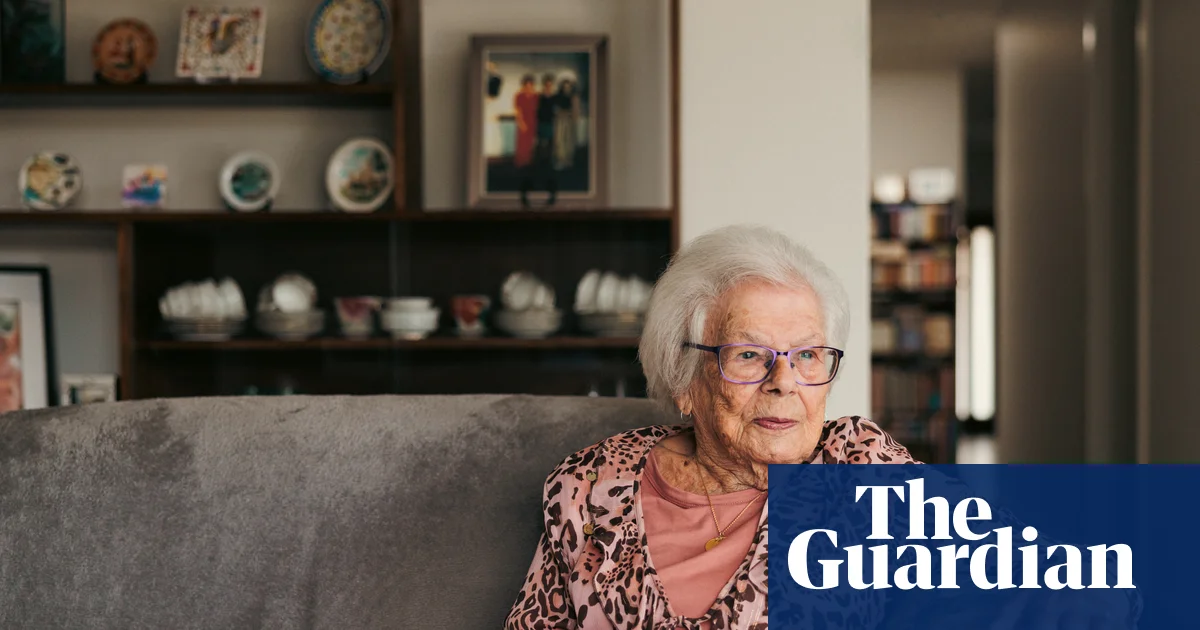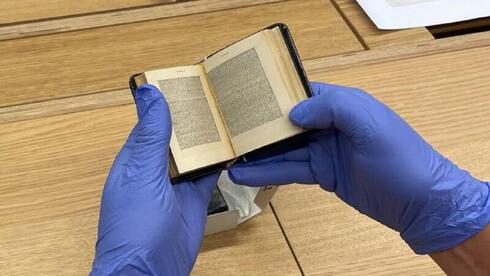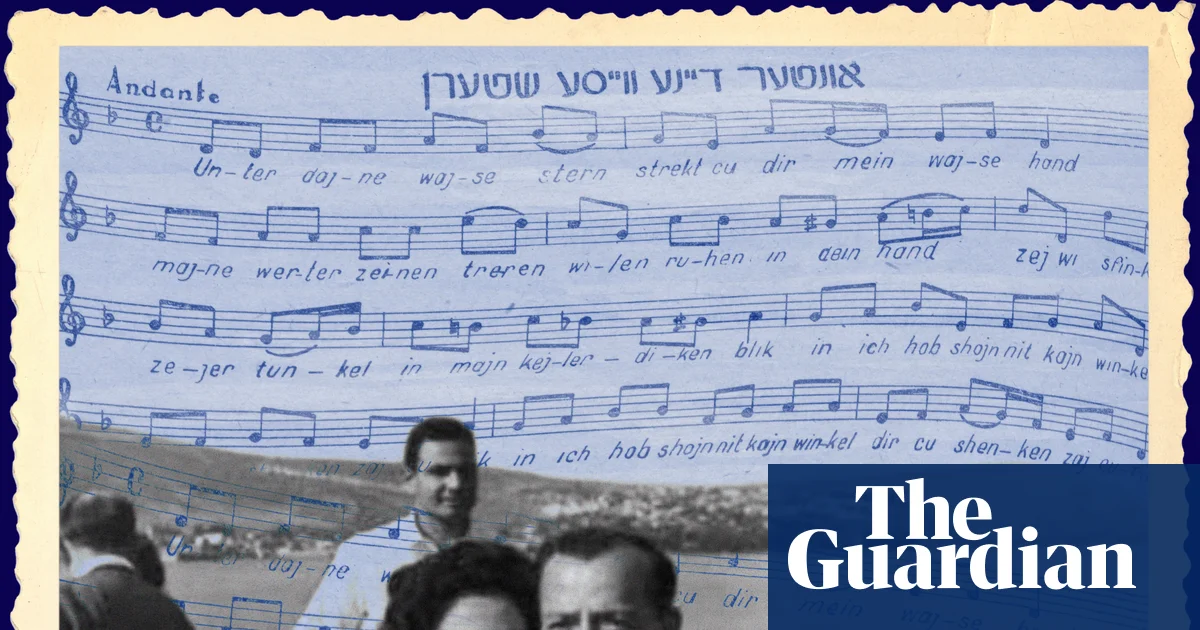
Even under conditions of extreme inhumanity, humanity has the capacity to find solace in creative expression.In the concentration camps and ghettoes of Europe under the Nazi regime, music became a sanctuary, a way to preserve Jewish identity, process trauma and maintain a historical record. A small chapter of this vast record, which resurfaced in Sydney, represents one of the earliest printed collections of Holocaust songs.Australia became home to one of the world’s largest populations of Holocaust survivors outside Israel after the second world war. The influx of refugees fundamentally shaped the postwar multicultural fabric of Sydney and Melbourne, importing deep, intergenerational trauma along with extraordinary stories of endurance and survival.A page from the songbook, which was almost thrown in the recycling bin after its owner died at the age of 98. Photograph: The University of SydneyIt was into this postwar environment that one survivor quietly brought a small Yiddish songbook, that then lay concealed for almost six decades. Printed on fragile acid paper, the poignant lyrics and musical notes of Mima’amakim (Out of the Depths) – a collection of 20 songs written by ghetto inhabitants, camp prisoners, people in hiding and partisan fighters between 1939 and 1944 – lay pressed between the pages of an old music score locked away in a Sydney cupboard. One of only five known surviving copies in the world from an original print run of 500, it narrowly missed being thrown in the recycling bin after its owner, Olga R, died at the age of 98 in 2013 (her family requested that her full name be withheld).
A priceless book of Yiddish songs from the Holocaust lay in a Sydney cupboard for decades – now it has been rescued
The family of Olga R almost threw out the collection of 20 songs written by concentration camp prisoners after her death, before discovering its incredible history
1,481 words~7 min read