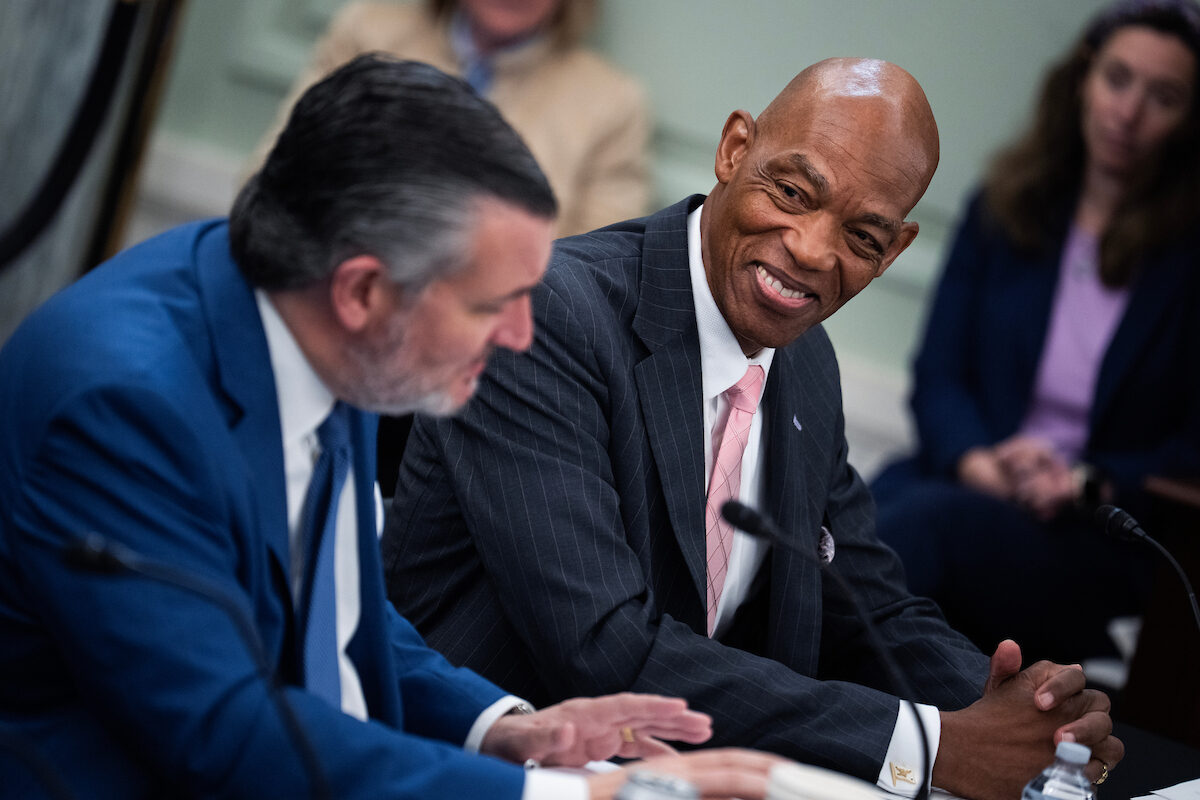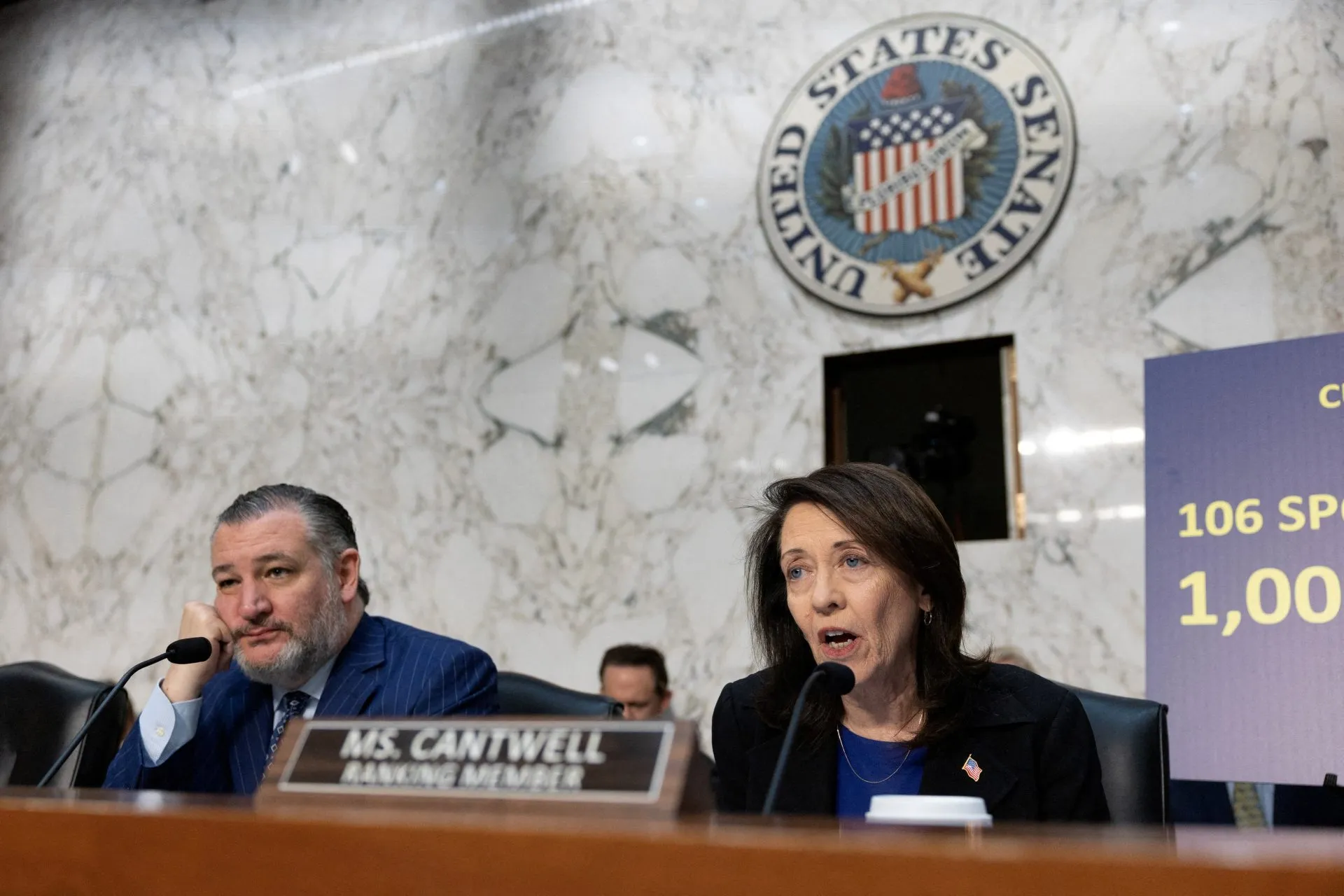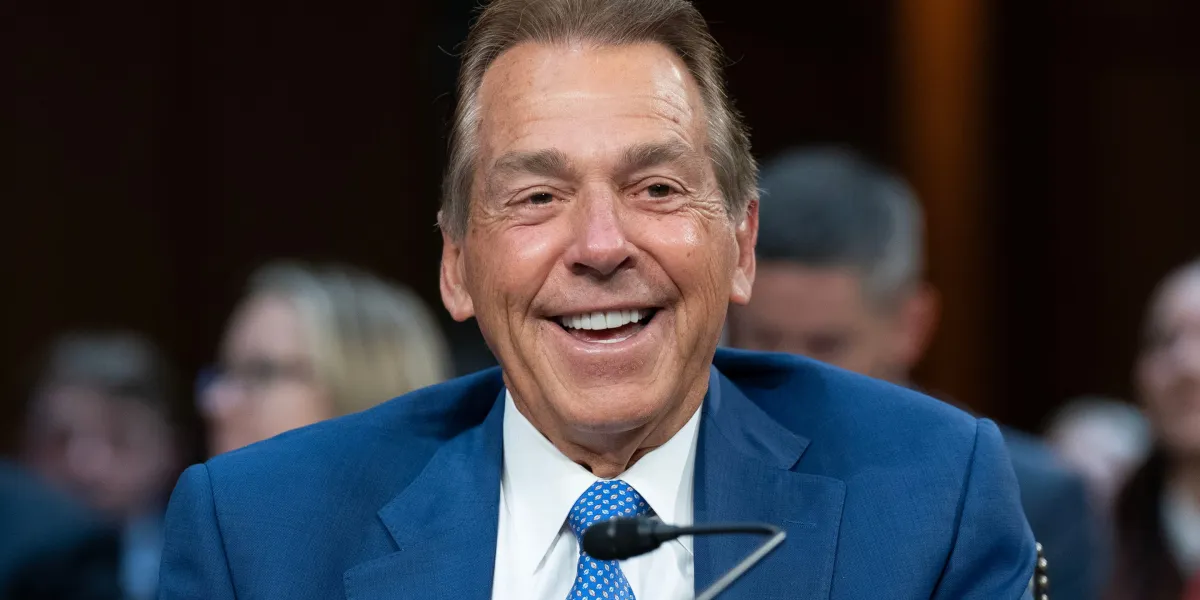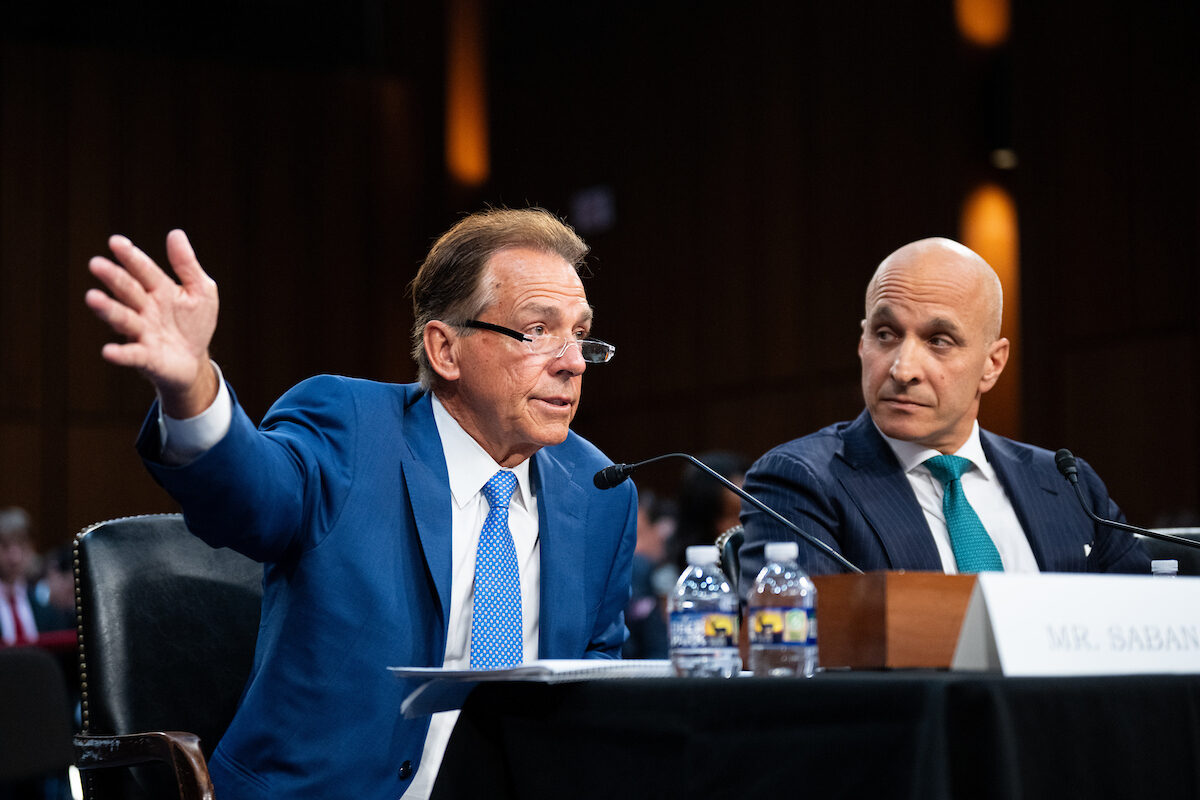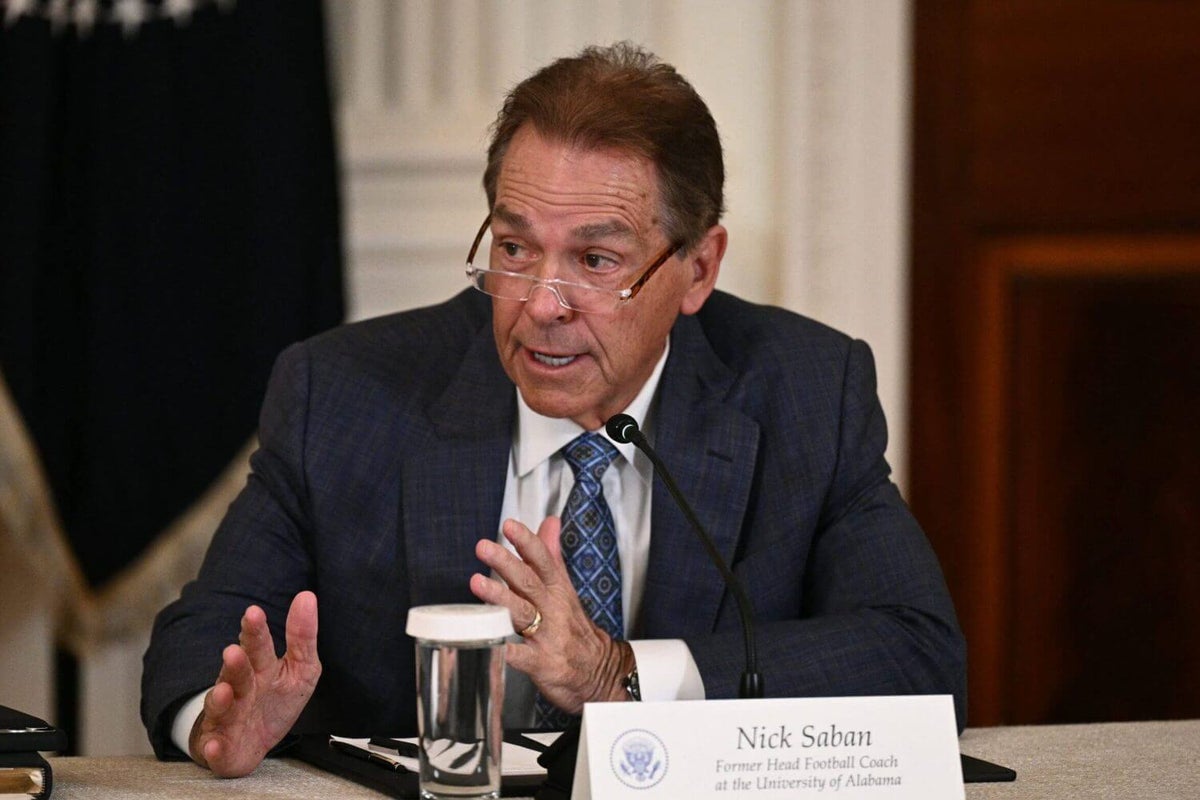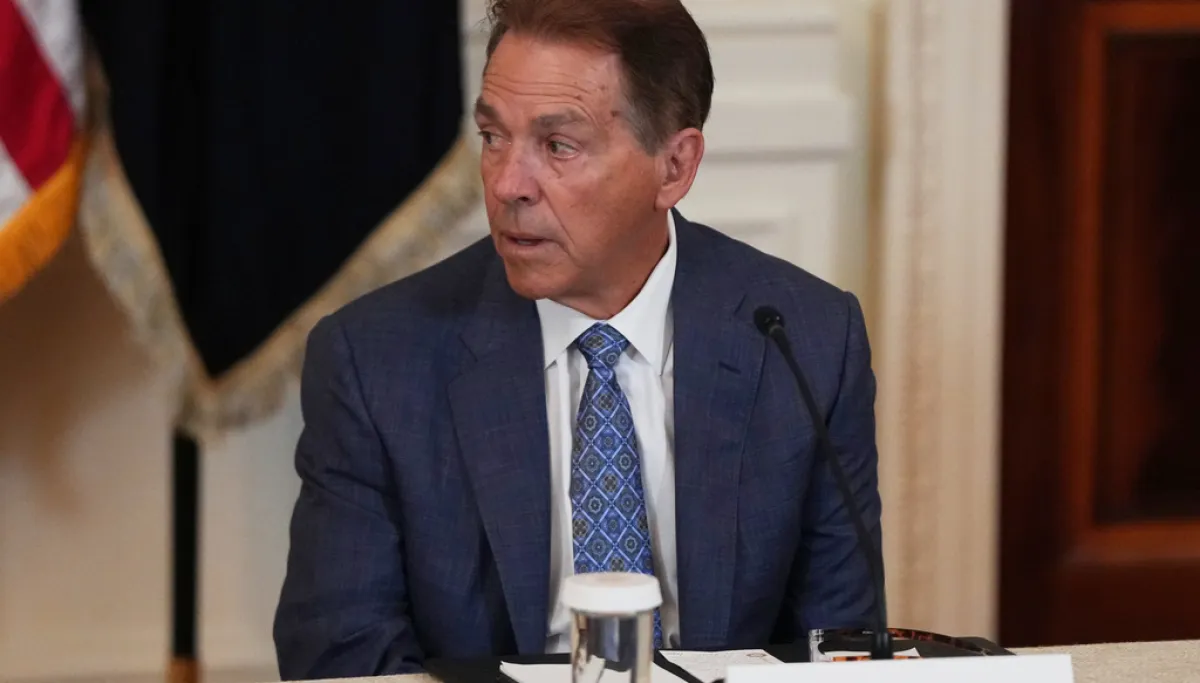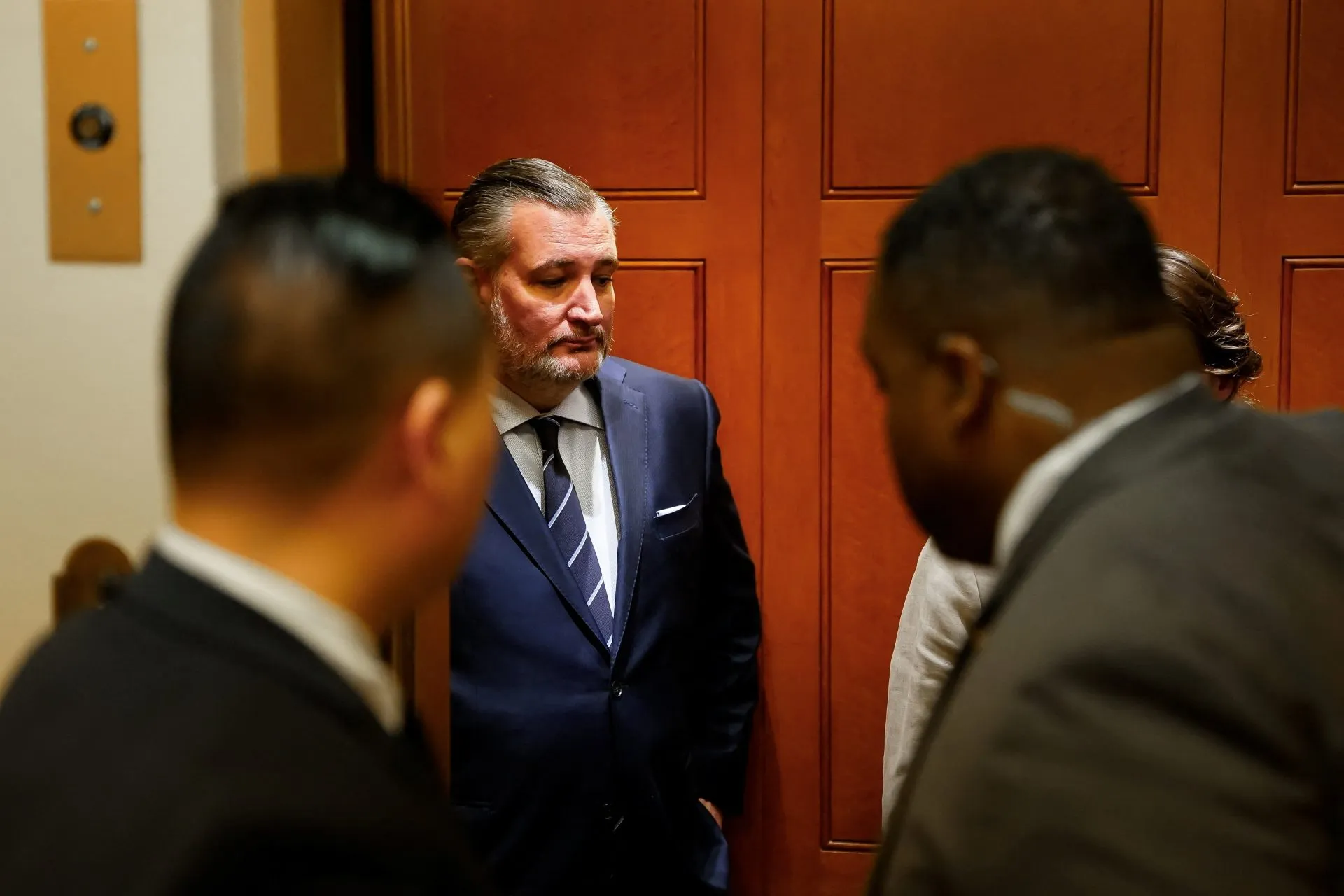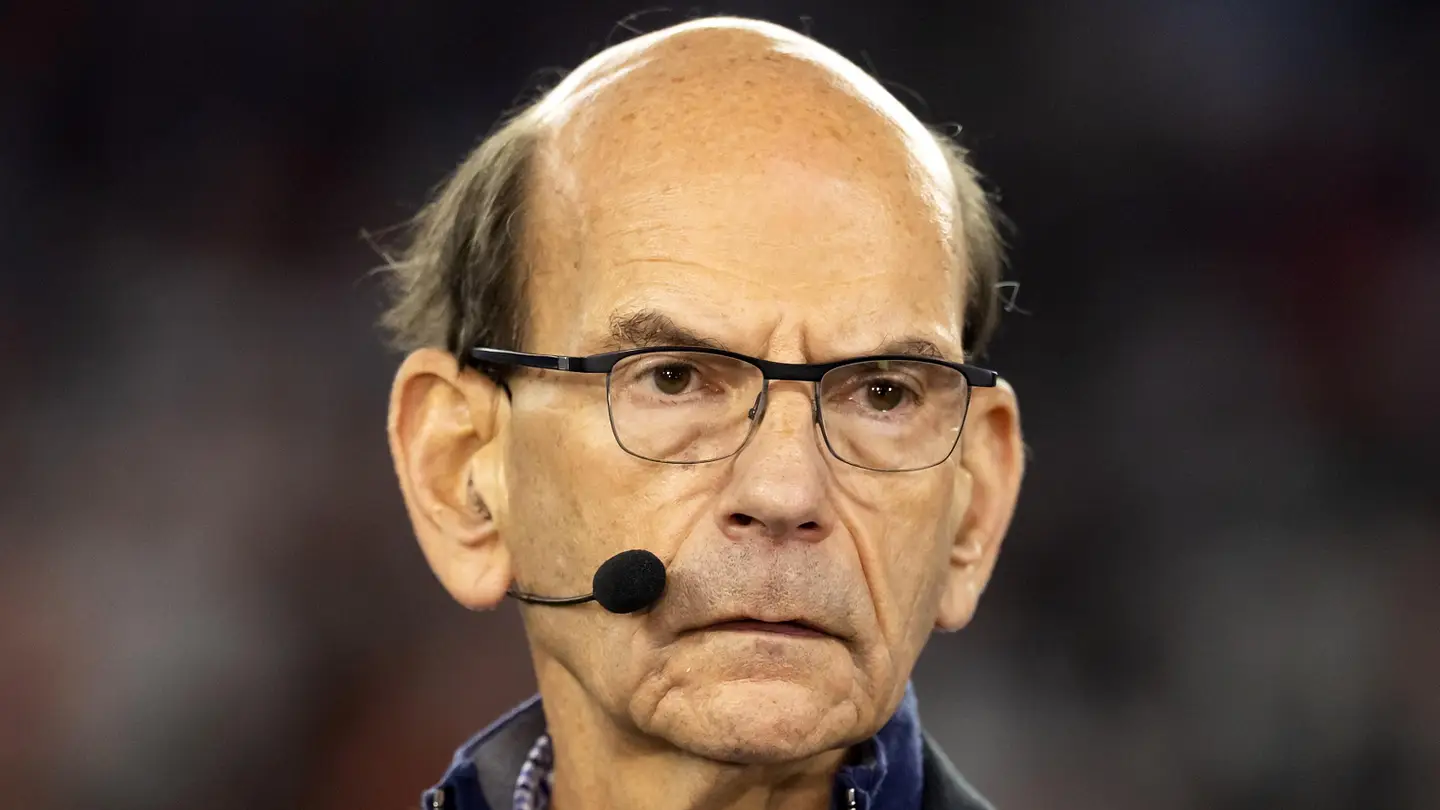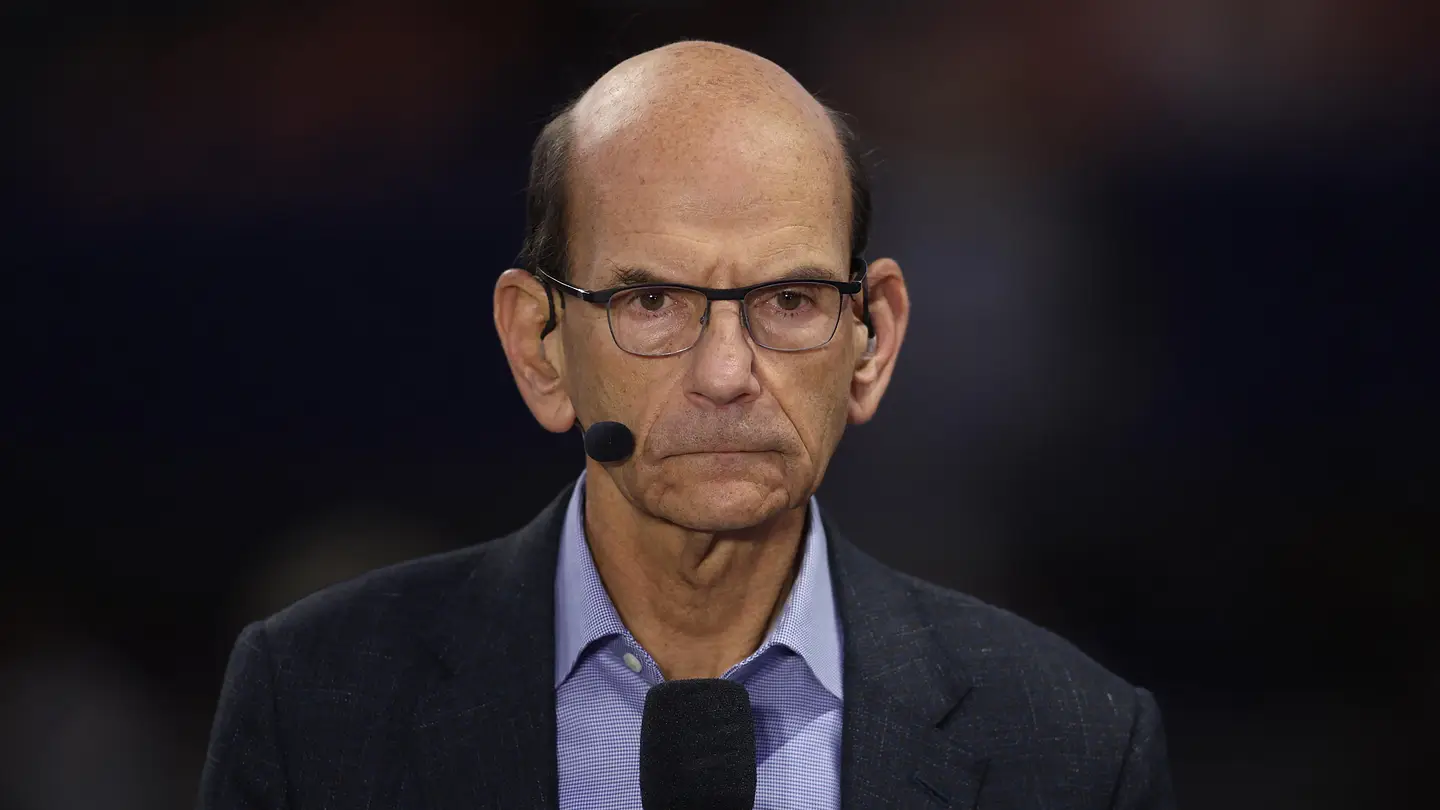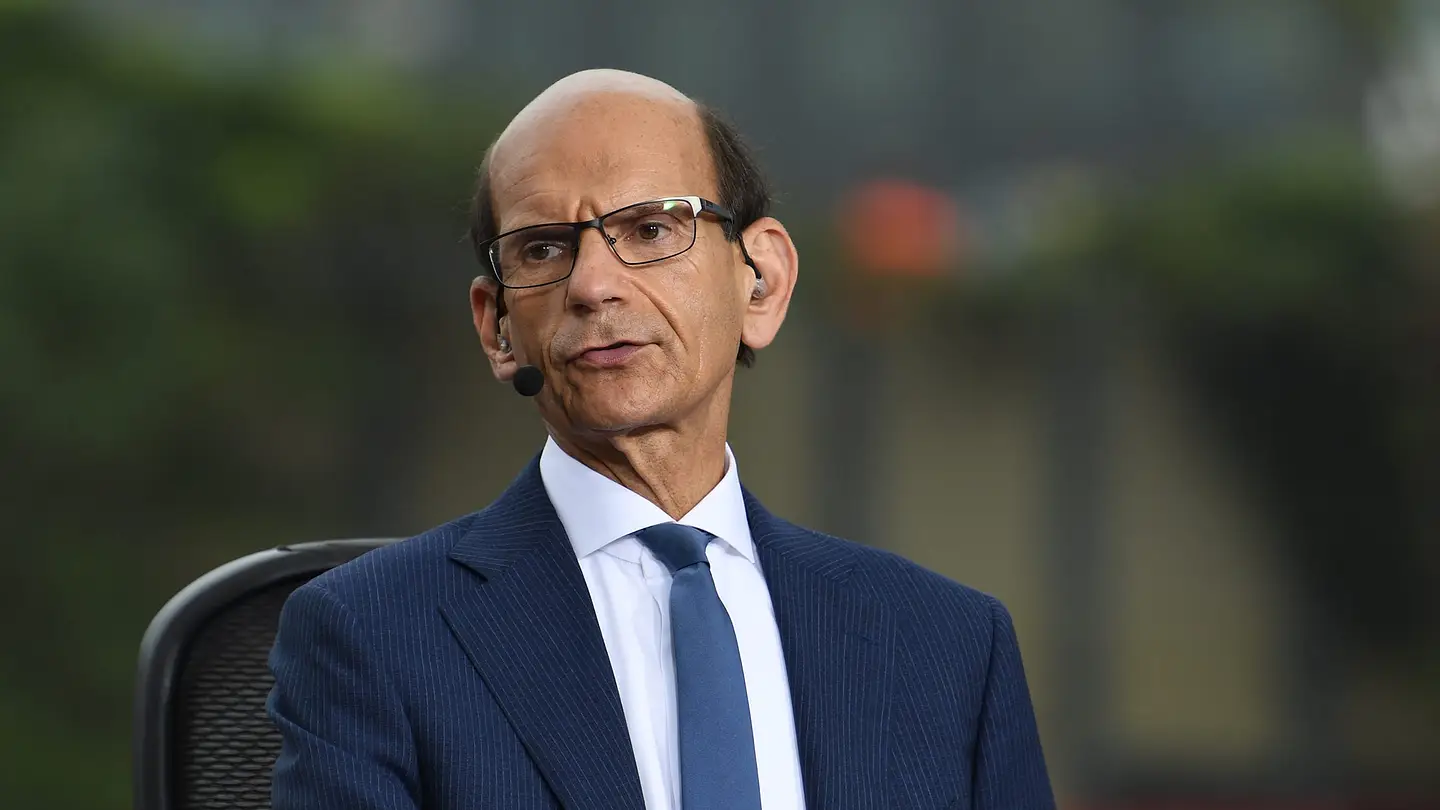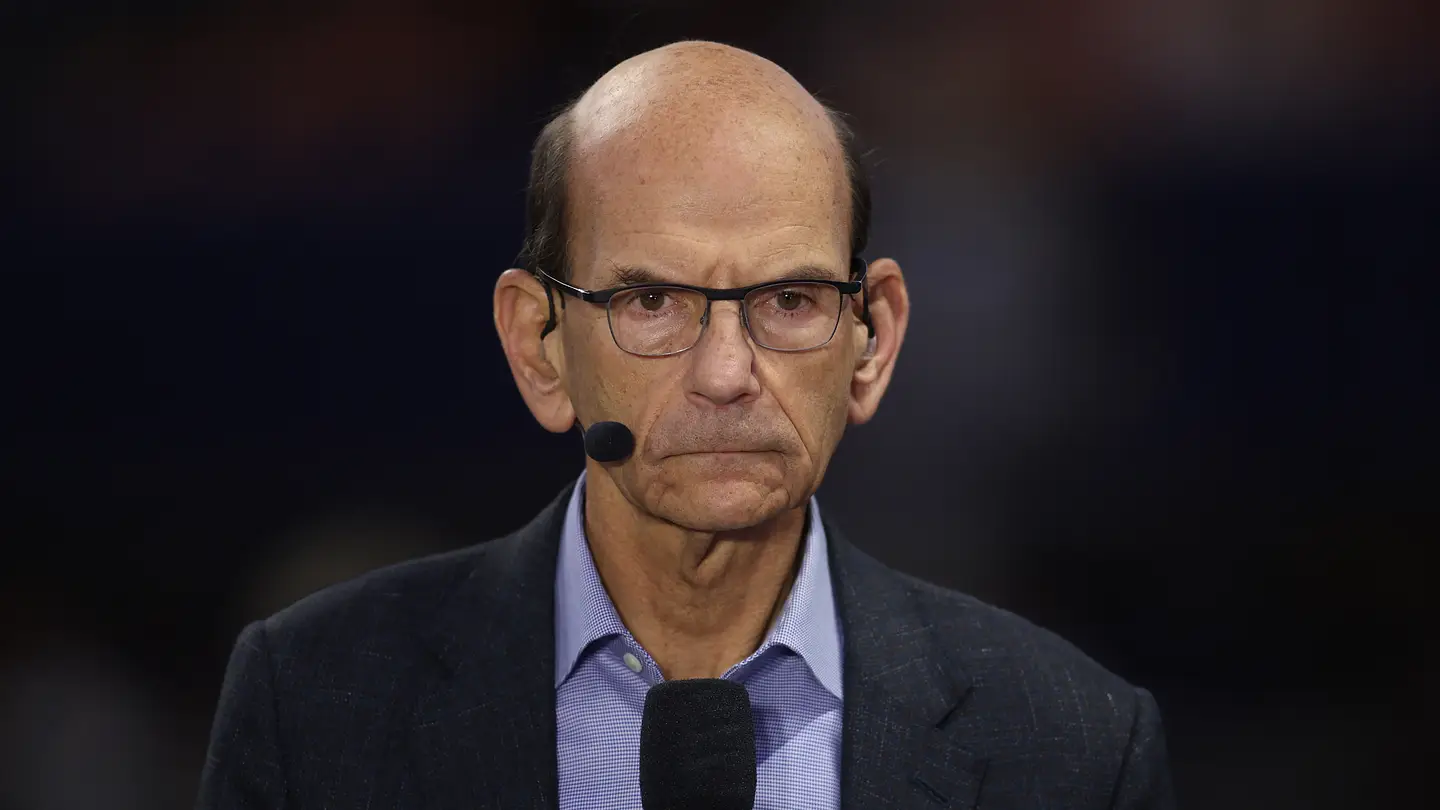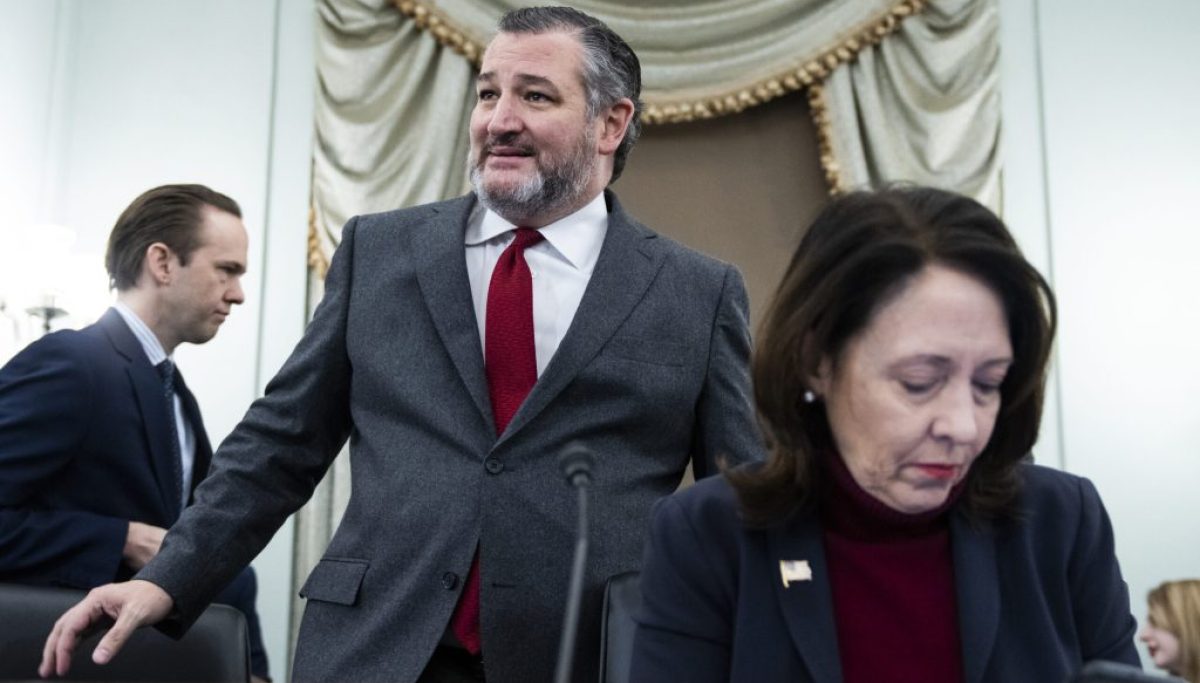
Can college football be saved? That is the apparent goal from some lawmakers.Senators Ted Cruz (R-Texas) and Maria Cantwell (D-Wash.) agreed on bipartisan legislation that would bring sweeping reform to college sports. It would also grant the NCAA an antitrust exemption and introduce transfer enforcement. The bill is named "Protect College Football Act."This bill helps in five key areas: It reins in the transfer portal, it gives the NCAA and a governing body actual enforcement power, it creates a national NIL system, it limits midseason coaching movement, and it tries to prevent a breakaway super league.Reins in the Transfer Portal Let's break down each area. One of the biggest complaints from coaches and athletic directors is that players can repeatedly move through the transfer portal, making roster building difficult.The bill would allow enforcement of transfer rules and create a limit on player movement. It would likely permit one unrestricted transfer, while giving the NCAA legal authority to enforce those rules. Big Ten Commissioner Tony Petitti speaks during Big Ten Men’s Basketball Media Days. | Talia Sprague-Imagn ImagesNCAA Has PowerA major theme of the proposal is enforcement. The proposal would grant a narrow antitrust exemption allowing the NCAA and related governing bodies to enforce rules involving transfers, recruiting, eligibility and compensation.Right now, many NCAA rules are vulnerable to legal changes. College football cannot function effectively if every rule is immediately challenged in court. Creates National NIL SystemAs of now, NIL rules vary dramatically by state. Schools in different states often operate under different legal guidelines. The bill would establish a federal framework that preempts conflicting state laws and creates uniform NIL standards nationwide. Finally, some structure.Limits Midseason Coaching MovementThe bill includes many observers called the "Lane Kiffin Rule." This would restrict coaches from leaving one school for another during the season. Kiffin famously left the Ole Miss Rebels for the LSU Tigers after the regular season, just before Ole Miss was heading to its first College Football Playoff. Preventing Super LeaguesAnother concern is that the richest conferences could eventually separate from the rest of college athletics. The bill contains provisions related to conference restructuring and media rights arrangements that are intended to preserve a broader college sports ecosystem rather than allowing all power to concentrate in a few leagues.Former Alabama Crimson Tide head coach Nick Saban has supported the bill. However, the Big Ten and the SEC support a national framework for college sports but do not support the "Protect College Sports Act" in its current form. This is because it leaves "critical issues" unresolved in their opinion. ESPN's Paul Finebaum discussed this on his show, "The Paul Finebaum Show," where he said other commissioners were deceived."You know what's so sad?" Finebaum asked. "The fact that the Big 12 commissioner, the Pac 12 commissioner and the ACC commissioner got hoodwinked into supporting this."The reality is that there is no perfect way to save college sports. There may never be. This bill has the framework to do a lot of good; however, there are still some things to be sorted out, as the Big Ten and SEC have pointed out.For example, the bill does not really preempt the patchwork of state laws or provide the protections needed to make and enforce consistent rules. The SEC and Big Ten feel those are both crucial to long-term stability in college athletics.So, while it's a step in the right direction, there is still work to be done.Add us as a preferred source on GoogleFollow
Paul Finebaum Reveals College Football Commissioners Were 'Hoodwinked'
Paul Finebaum claims multiple commissioners were hoodwinked into supporting a controversial plan.
579 words~3 min read