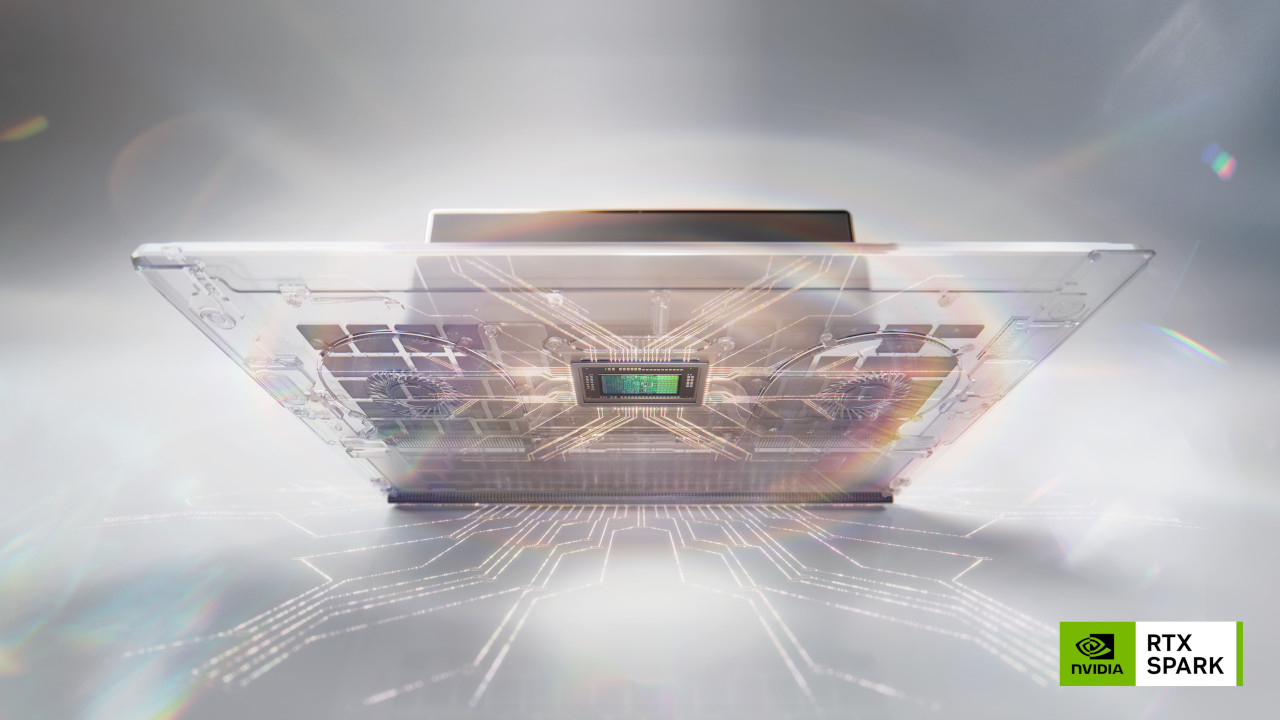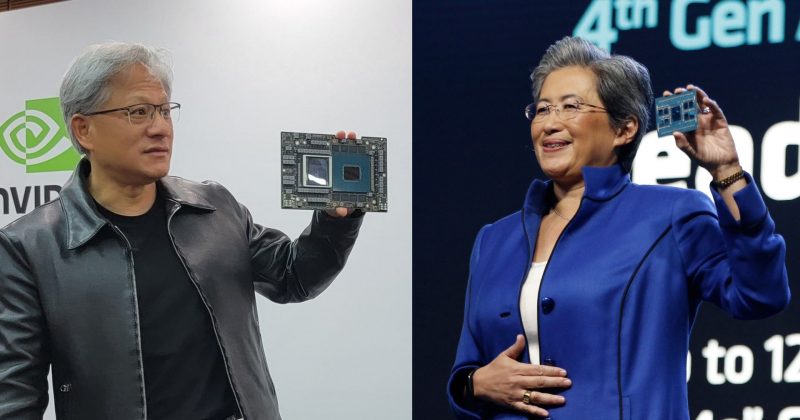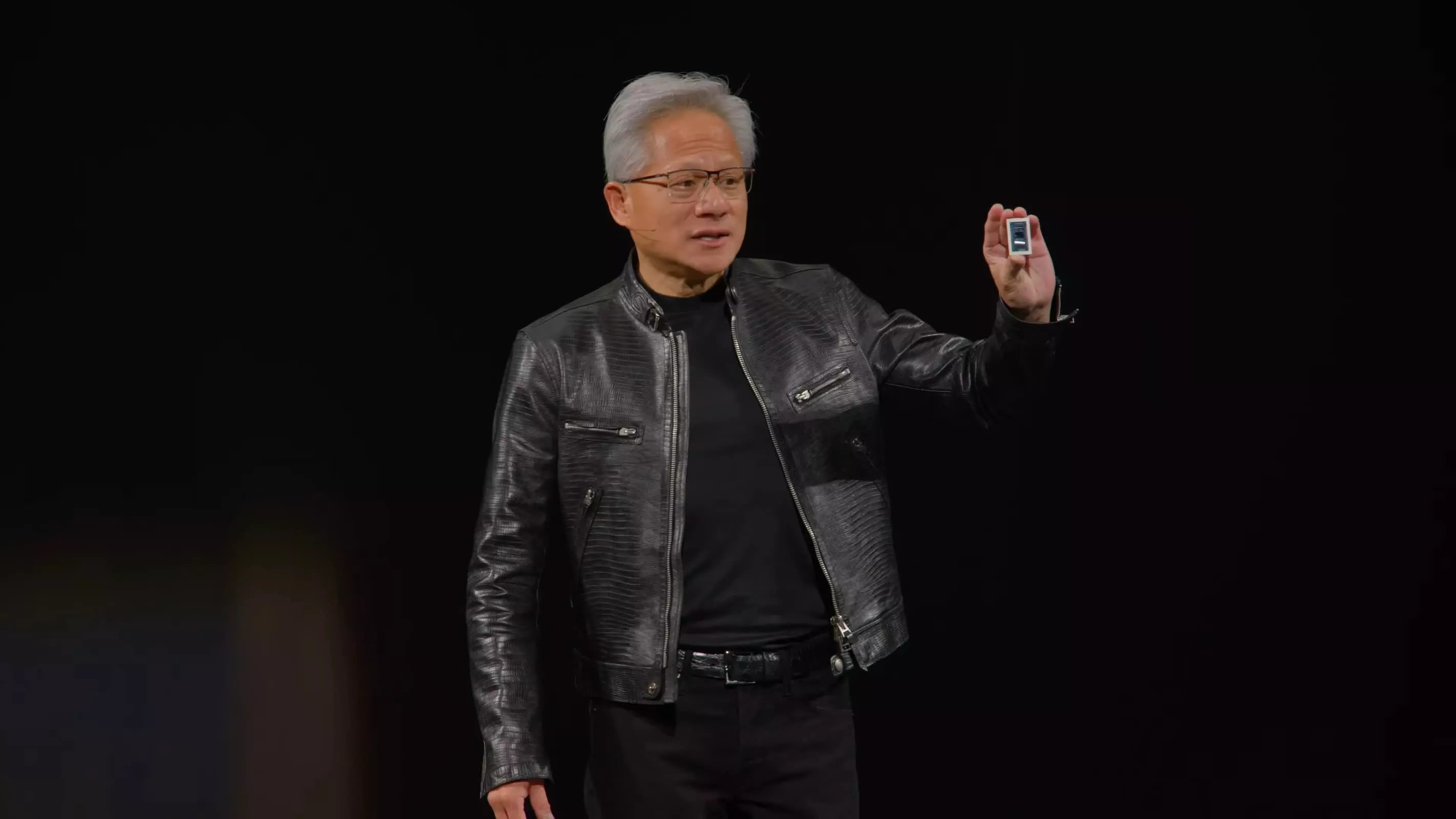
WINNERS & LOSERS: Nvidia's latest move into AI-focused PCs sets up a more direct clash with AMD and underscores the growing importance chipmakers are placing on local AI performance. With the debut of RTX Spark at Computex 2026, Nvidia is betting that tightly integrated systems – pairing Arm CPUs, Blackwell GPUs, and large pools of unified memory – will define the next generation of high-end client devices.
AMD, which has already been moving in that direction with its Strix Halo chips, does not appear rattled. If anything, the company's executives are portraying Nvidia's arrival as long overdue.
"I'm really excited that Nvidia has joined the game. You know, we were the only game in town for almost two years now, and the large local memory is becoming super critical in the agentic AI [workloads]," said Rahul Tikoo, senior vice president and general manager of AMD's client business. "I'm actually happy to see Nvidia join the race for these great products."
At the center of the competition is a new class of systems: machines designed to run increasingly complex AI workloads locally, with a much greater emphasis on memory capacity than traditional PCs. Nvidia's RTX Spark scales up to 128GB of unified memory, a figure AMD says it already matches with Strix Halo.