Listen
/
1.0x
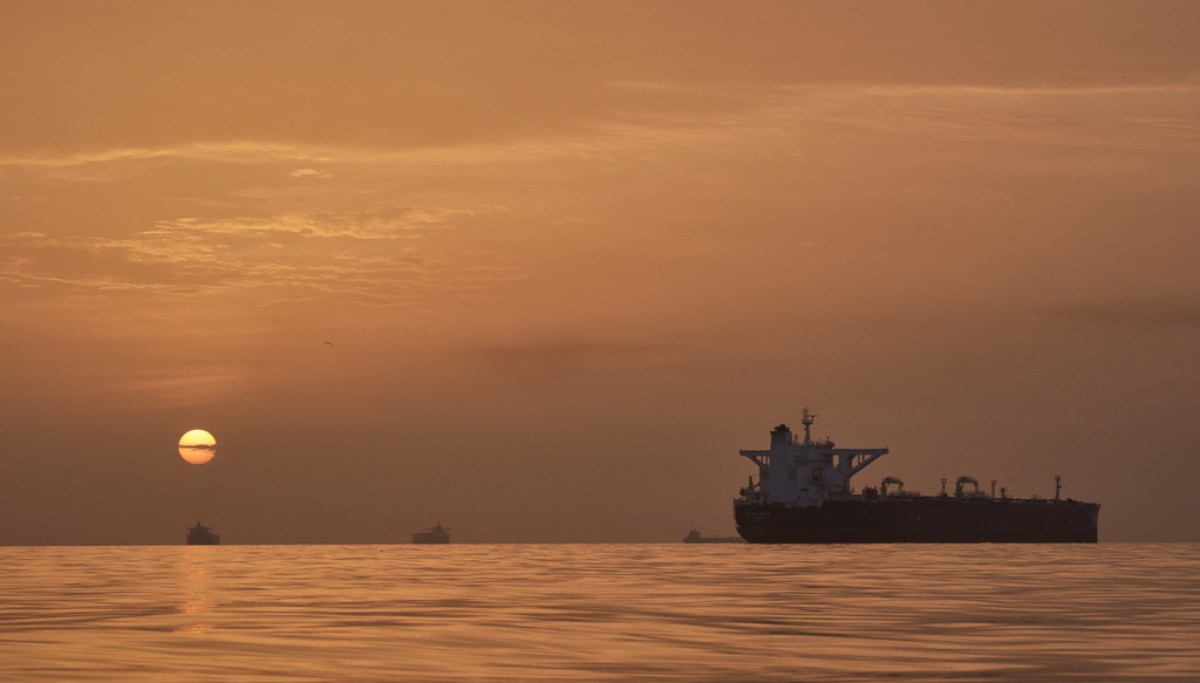
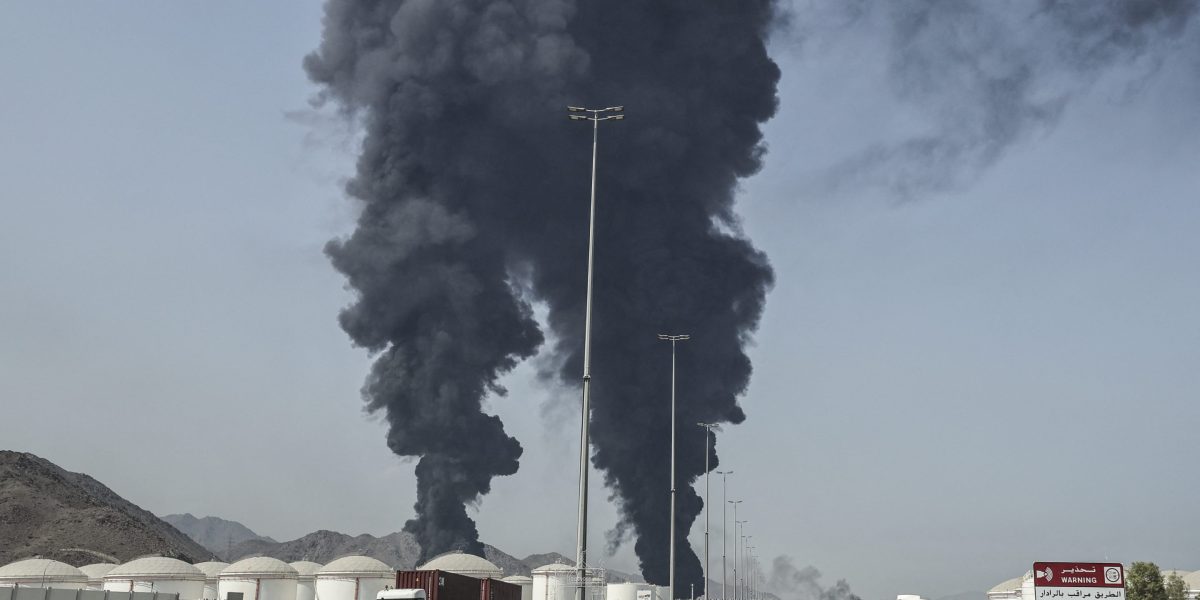
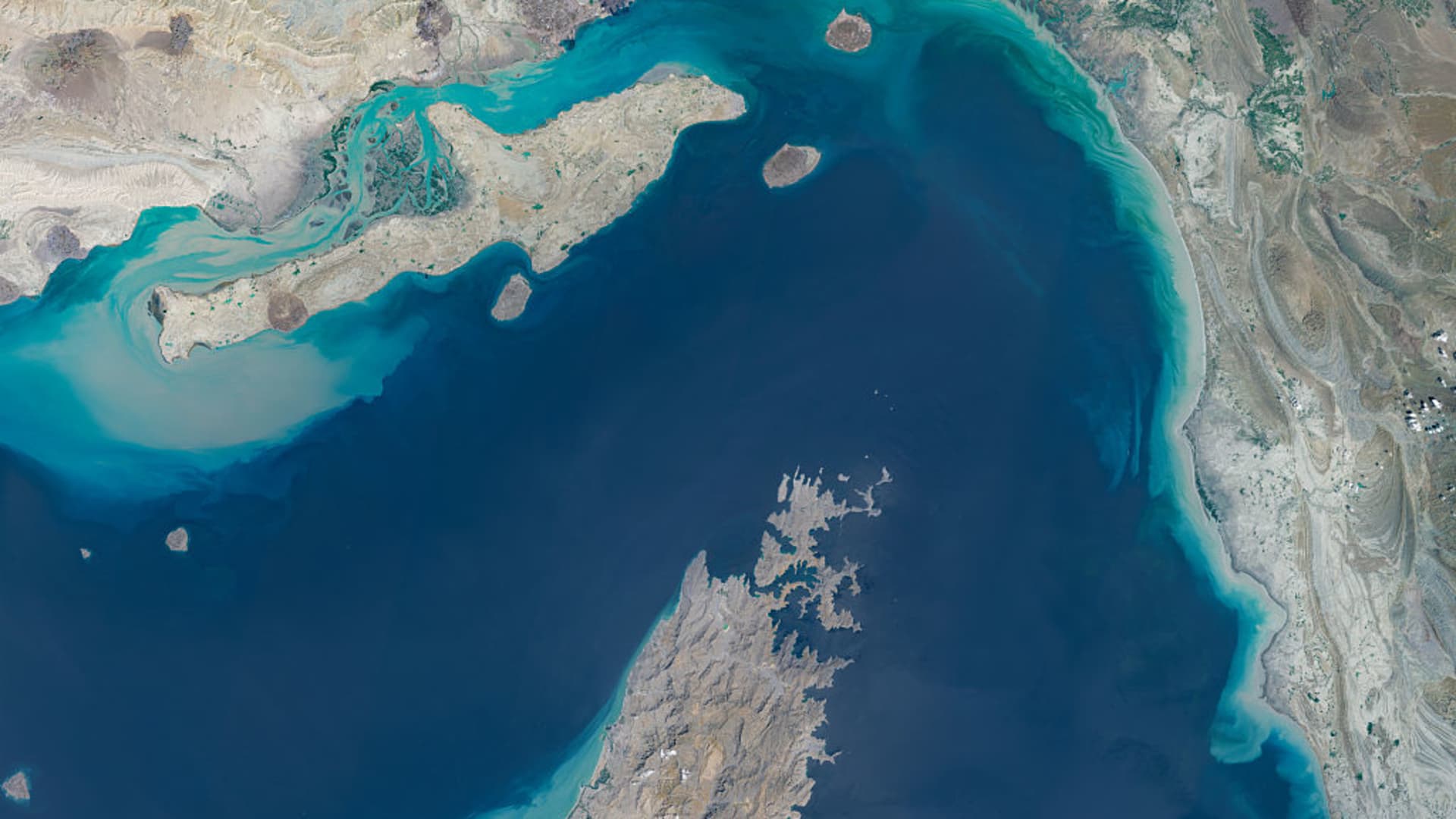
The idea of substituting Venezuelan oil for Persian Gulf oil has become more relevant as energy security is increasingly shaped by chokepoints, sanctions, and regional conflict. Persian Gulf producers remain central to global oil supply, but a large share of their exports depends on the Strait of Hormuz. The U.S. Energy Information Administration estimates that oil flows through Hormuz averaged about 20 million barrels per day in 2024, equal to roughly one-fifth of global petroleum liquids consumption. This makes Hormuz not only a regional vulnerability, but a global energy-security risk.
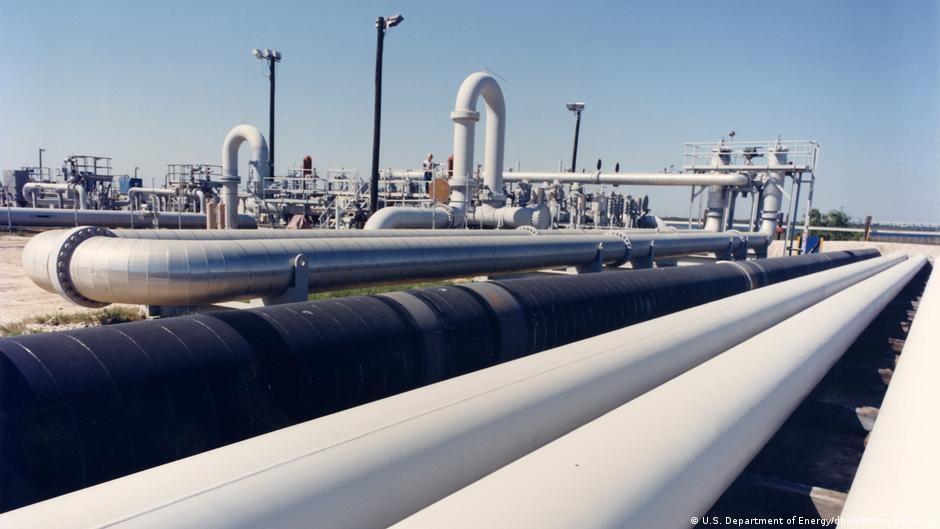
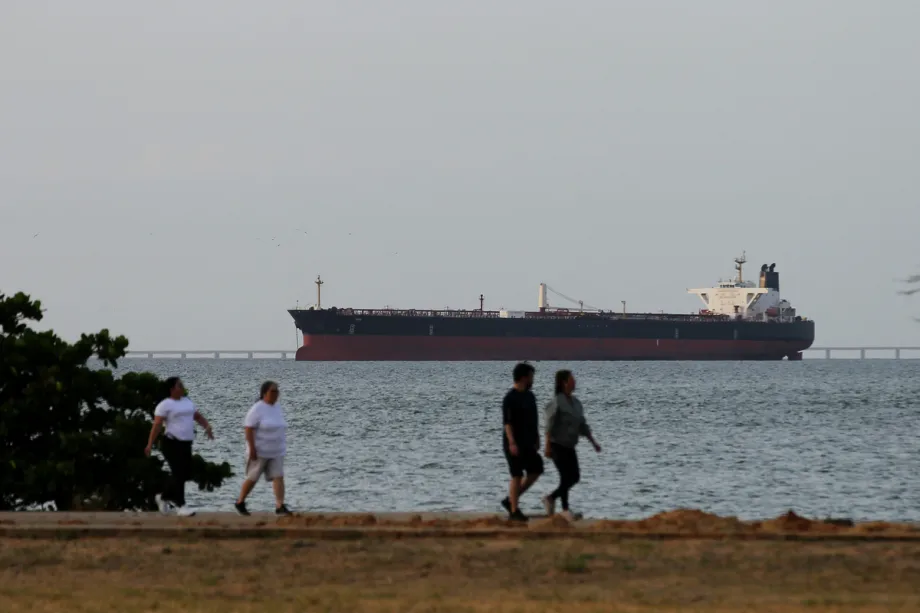
Venezuela appears attractive in this context because it offers a major reserve base outside the Middle East. The country held approximately 303 billion barrels of proven crude oil reserves in 2023, the largest in the world, accounting for about 17 percent of global reserves. Most of these reserves are extra-heavy crude located in the Orinoco Belt. Venezuela’s geography also gives it strategic value for Atlantic Basin markets, especially the United States, where Gulf Coast refineries have long experience processing heavy sour crude.