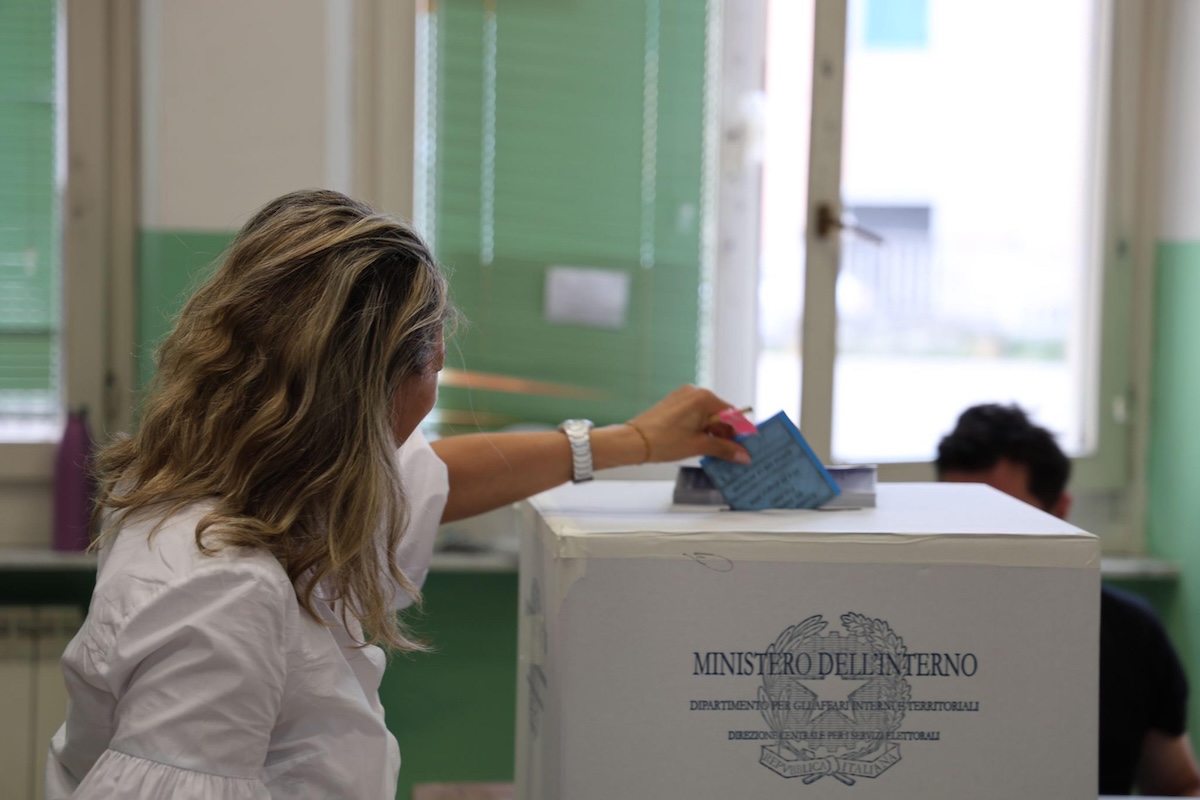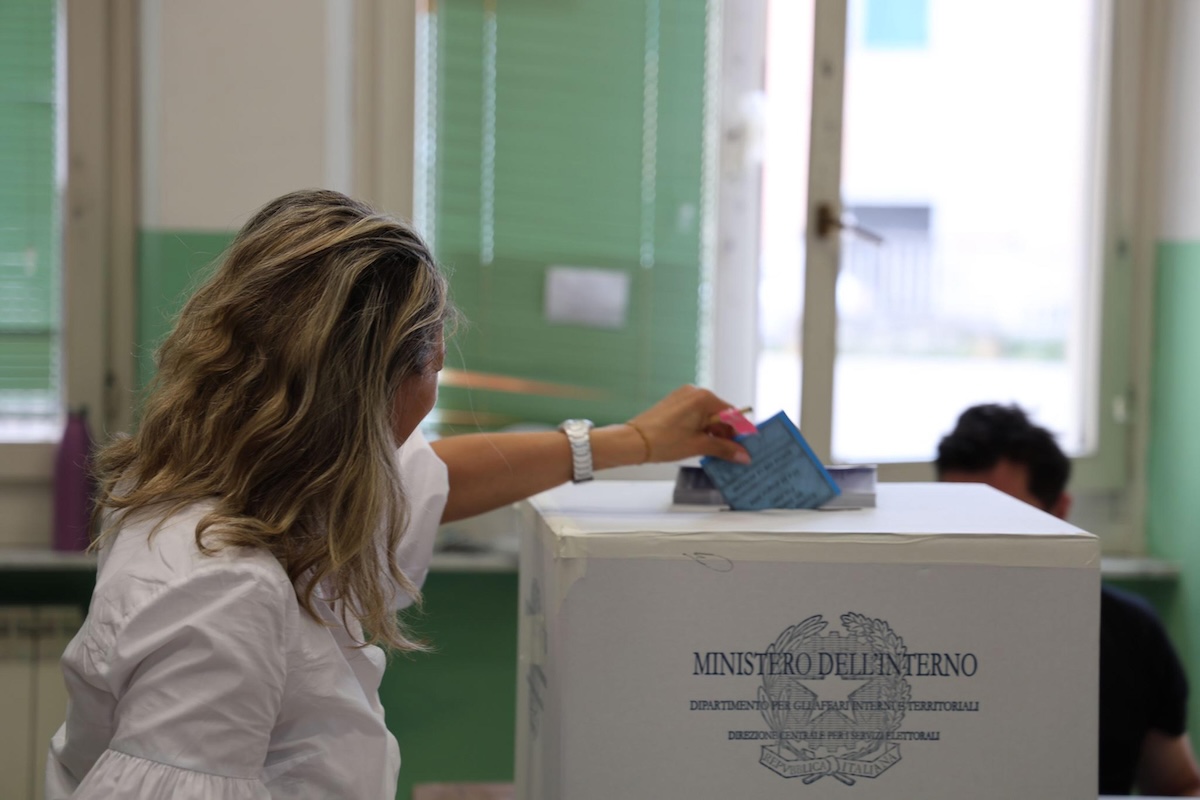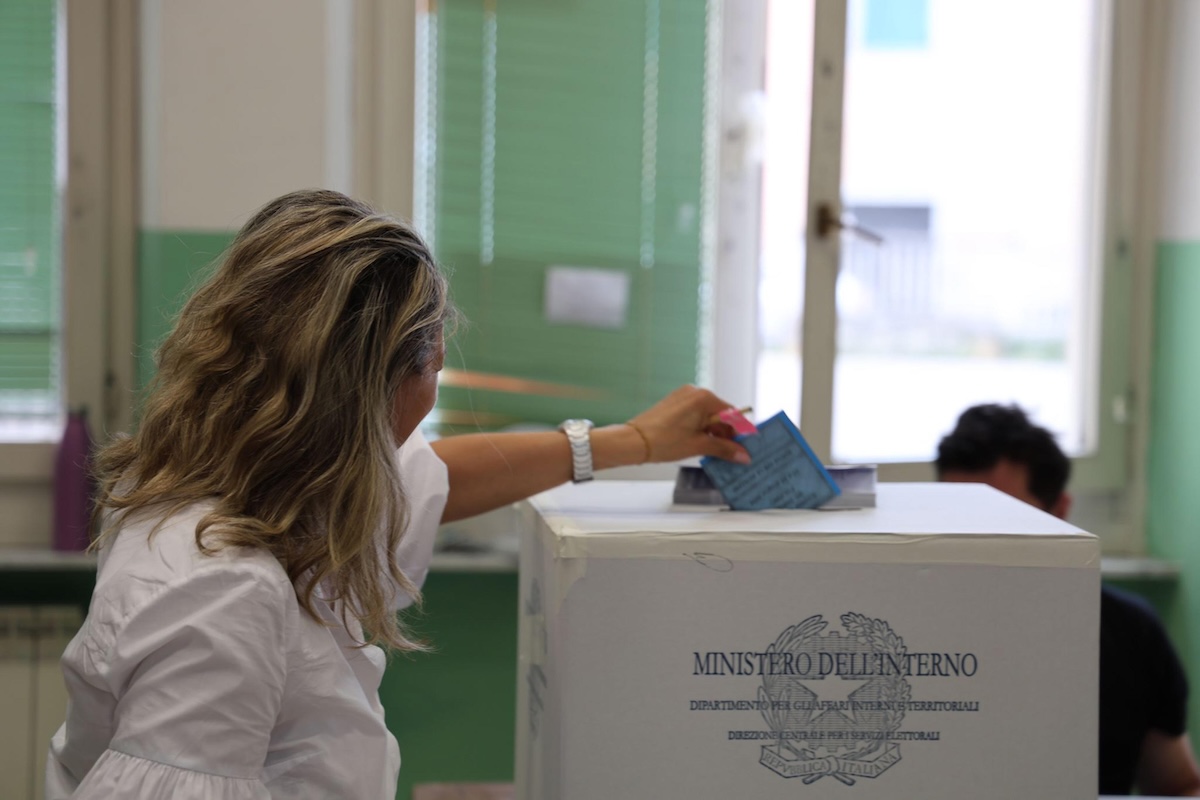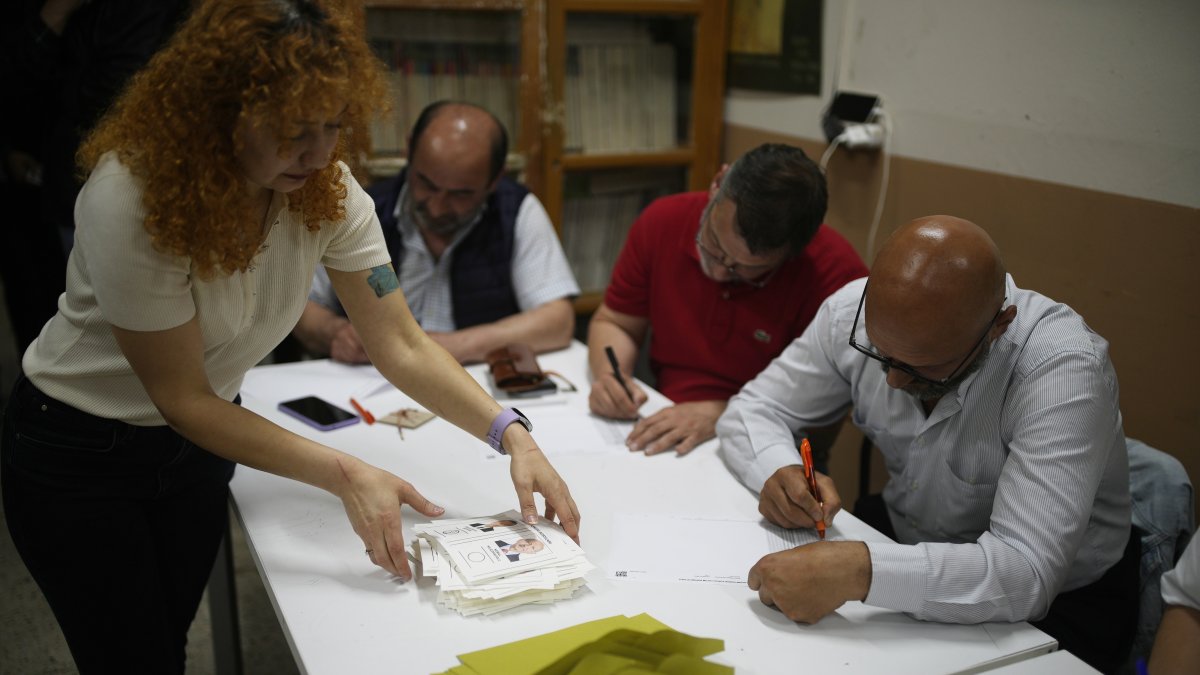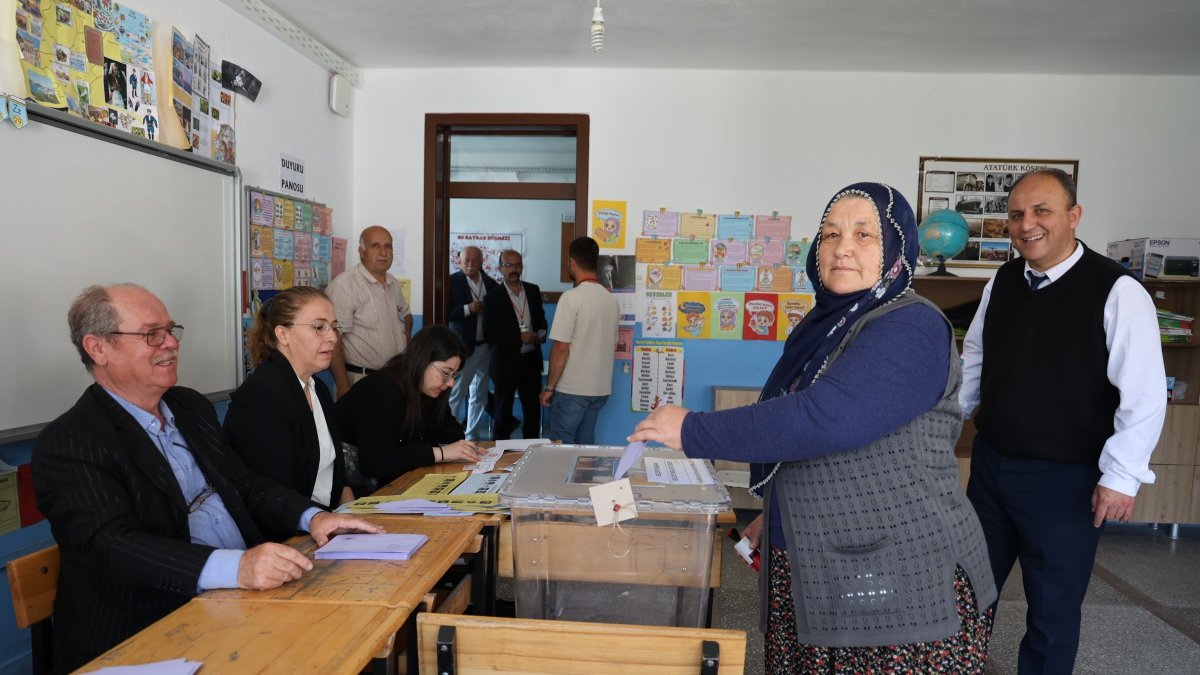
Politicians from parties of all sizes had descended onto three cities over the past weeks before Sunday’s vote began in Tokat, Gümüşhane and Nevşehir. More than 10,000 voters went to polls in six “beldes” in the said cities respectively located in northern and central Türkiye. Across Türkiye, voters also picked mukhtars for 362 neighborhoods, from Topağacı of Istanbul’s scenic Üsküdar to Tavşantepe, a rural neighborhood deep in the southeast, which hit the headlines for a grisly murder.
Voters elect mayors and municipal assembly members in “beldes,” places smaller than proper “districts” of provinces, usually with a population above 2,000 people and more. In some places, an upgrade in status of neighborhoods and villages required a new election (two years after nationwide municipal elections) and in others, vacated seats due to passing and the conviction of local political leaders made it necessary to hold a new vote.
From the ruling Justice and Development Party (AK Party) to main the opposition Republican People’s Party (CHP), the elections have been a race across the political spectrum for many. The leaders of several parties paid a visit this week to beldes, otherwise not frequented much in political campaigns, seeking to rally supporters. Although of interest to a small population mostly living in rural areas, the elections are a test for parties big and small to see how they will fare since the 2024 municipal elections and ahead of the 2028 presidential elections. The People’s Alliance of the AK Party and the Nationalist Movement Party (MHP) fielded joint candidates in six beldes, while the CHP vies for seats in three beldes, including two in Tokat’s Çevrecik and Gümüşhane’s Tekke and one in Mustafapaşa, a historic venue at the heart of famed Cappadocia region. The MHP won the 2024 elections in all districts that were stronghold beldes, and the CHP won the municipal seats in Ürgüp, which Mustafapaşa is a part, in the same election.