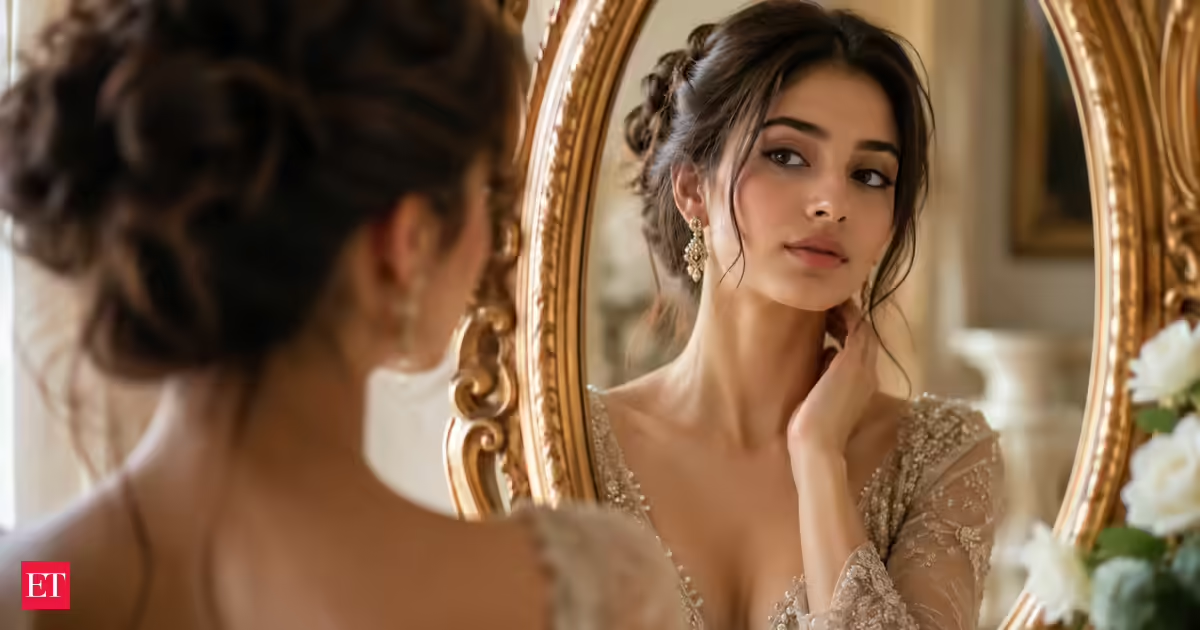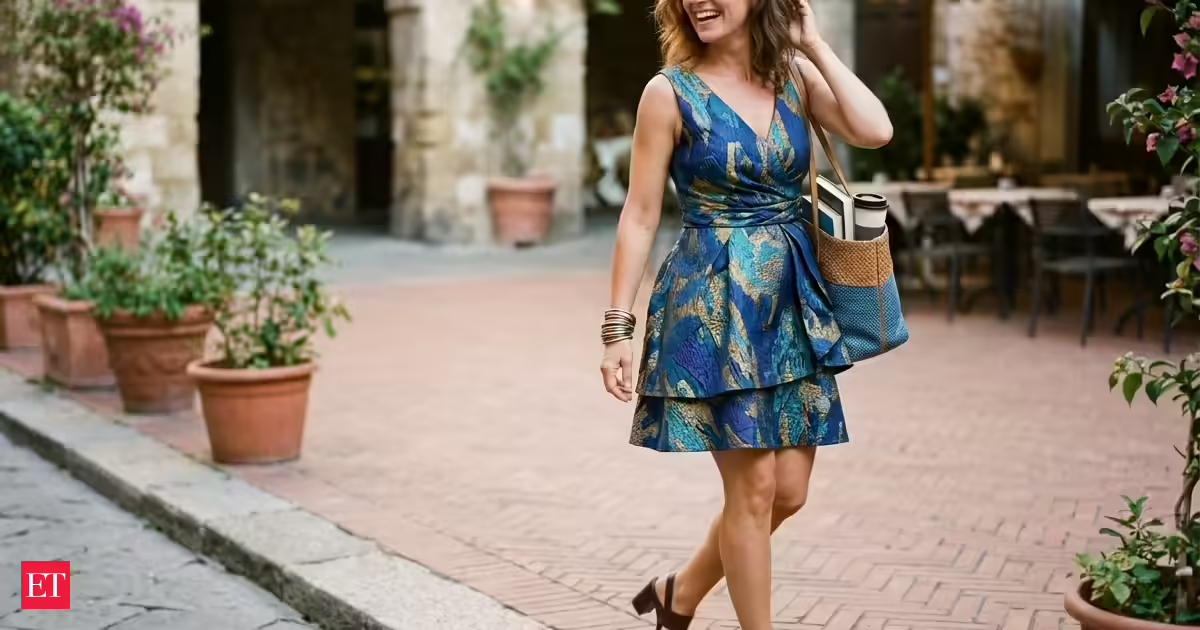
Proverb of the day focuses on a meaningful saying: “A woman that respects herself is more beautiful than a single star: more beautiful than many stars at night.” The proverb carries a message about self-worth, dignity, confidence, and inner peace. It suggests that true beauty is not defined by makeup, fashion, or public approval. Instead, it comes from self-respect and the way a person values herself. The saying continues to be shared across social media, motivational platforms, and personal development discussions because it offers lessons that apply to modern life. It encourages people to develop confidence, maintain boundaries, and find happiness through self-respect.Understanding the Meaning Behind the ProverbProverb of the day is, “A woman that respects herself is more beautiful than a single star: more beautiful than many stars at night.” The proverb compares a self-respecting woman to stars in the night sky. Stars are often viewed as symbols of beauty and admiration. However, the saying suggests that a woman who respects herself shines even brighter.The message is not about physical appearance. It is about character, values, and self-worth. A person who understands her value does not depend entirely on others for approval. She recognizes her strengths, accepts her limitations, and treats herself with dignity. The proverb teaches that confidence built on self-respect creates a lasting impression. Physical beauty may change over time, but self-worth and strong character continue to influence how a person is viewed and remembered.You Might Also Like:Life Lessons From This SayingOne of the main lessons is the importance of self-respect. People who respect themselves make decisions that support their well-being and happiness. The proverb also highlights the value of healthy boundaries. A person with self-respect knows when to say no to situations that do not align with her values. She does not accept disrespect simply to gain approval or maintain relationships.Another lesson is the importance of self-love. The saying reminds people that they should appreciate themselves rather than constantly compare themselves with others. The proverb also teaches independence. A person who values herself understands that happiness does not always depend on external validation. She can find contentment within herself and her personal achievements.Proverb of the Day and the Connection Between Inner Beauty and HappinessThe proverb places strong emphasis on inner beauty. Inner beauty comes from kindness, honesty, integrity, confidence, and self-respect. Many people spend time improving their appearance. While appearance has its place, the proverb reminds us that lasting beauty comes from within. Character and values often leave a deeper impact than physical features.You Might Also Like:People who have inner peace and self-respect tend to feel more secure in their decisions. They are less likely to seek constant approval from others. This sense of security can contribute to happiness and emotional stability. The saying encourages people to focus on personal growth rather than comparison. By developing confidence and self-worth, individuals can create a stronger sense of fulfillment in their lives.Why the Proverb Remains Relevant Today?Modern society often places attention on appearance, social media recognition, and public validation. Because of this, the message of the proverb remains important. Many people face pressure to meet certain standards or gain approval from others. The proverb offers a different perspective. It suggests that self-respect and character are more valuable than temporary praise.The saying also supports mental and emotional well-being. People who understand their worth are often better equipped to handle criticism, setbacks, and challenges. Its continued popularity on social media and self-empowerment platforms shows that people still connect with its message. The proverb serves as a reminder that confidence built on self-respect creates a stronger foundation than confidence based solely on appearance.You Might Also Like:Origin and Background of the SayingThe exact origin of this specific wording is not clearly documented. It is commonly shared online as a modern proverb or life lesson. Although the source remains uncertain, the message reflects ideas that have appeared in many cultures and traditions. Throughout history, proverbs have often emphasized dignity, character, wisdom, and self-worth.The saying aligns with qualities frequently associated with high-value individuals, including confidence, self-awareness, independence, and personal integrity. Its widespread use demonstrates that people continue to appreciate messages that promote self-respect and inner strength.English Equivalents and Related ExpressionsSeveral English expressions carry a similar meaning:“Beauty comes from within.”“Respect yourself and others will respect you.”“Confidence is the best accessory.”“Know your worth.”“Character is beauty.”These expressions focus on the same idea that personal values, dignity, and confidence often have greater impact than outward appearance.Other Inspiring Proverbs Worth KnowingMany proverbs around the world promote self-respect and personal growth. Some examples include:“A journey of a thousand miles begins with a single step.”“Where there is a will, there is a way.”“Actions speak louder than words.”“The best investment is in yourself.”“Self-respect is the root of discipline.”These sayings encourage people to focus on growth, determination, responsibility, and self-worth.
Proverb of the day: 'A woman that respects herself is...' Life lessons on self respect, inner peace, happiness and why true beauty comes from within and not makeup
Proverb of the day highlights the value of self-respect, inner peace, happiness, and confidence. The saying explains that true beauty comes from character, dignity, and self-worth rather than appearance or makeup. It teaches people to maintain healthy boundaries, value themselves, and build lasting confidence. The proverb remains relevant today because it encourages personal growth, self-love, and emotional well-being in everyday life.
797 words~4 min read