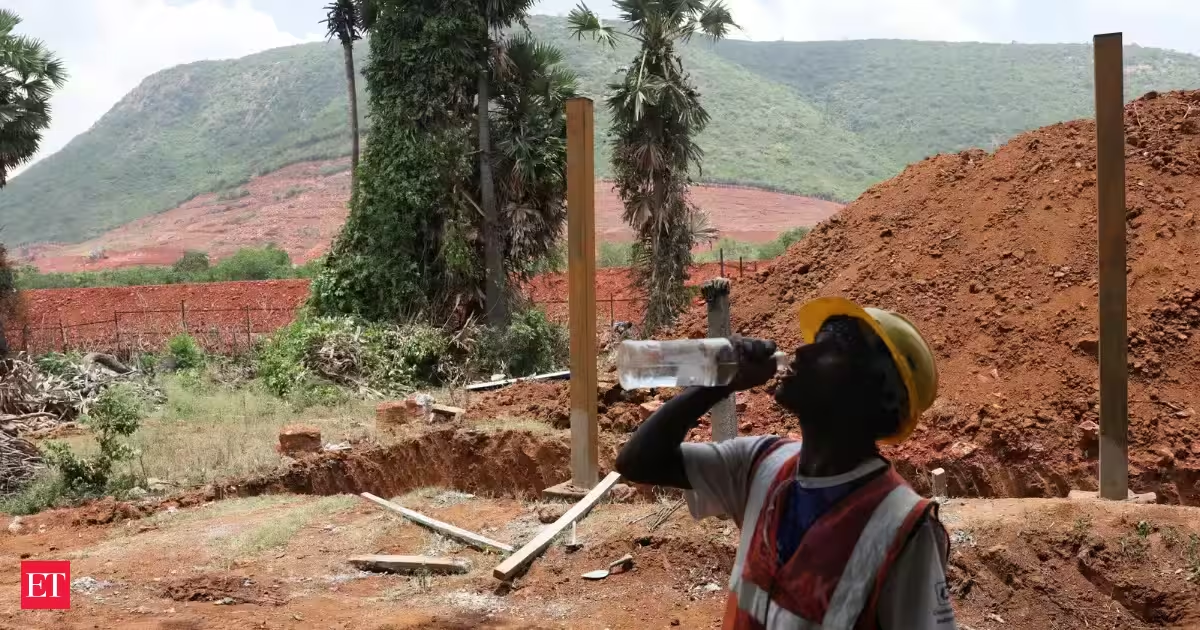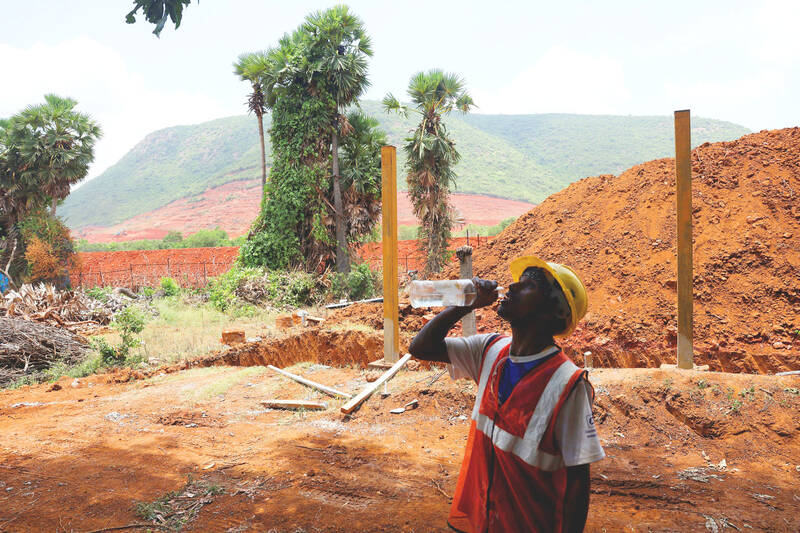
NEW DELHI: When Google broke ground on its data centers in Andhra Pradesh in late April, the project was celebrated as a landmark investment in India’s digital future. But weeks later, a grimmer picture is emerging of the environmental and livelihood risks the project may pose to some of the country’s most vulnerable groups.
Located in Visakhapatnam district on the east coast of southern India, the upcoming artificial intelligence hub is part of Google’s $15 billion investment plan in India between 2026 and 2030. The project will be the tech giant’s first of its kind in the country and the largest outside the US.
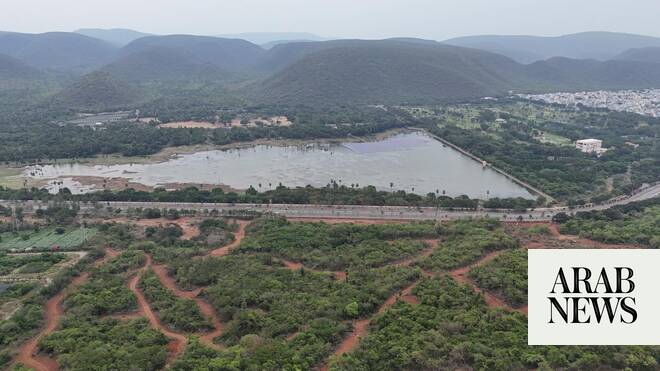
The region where it will emerge is a forested, hilly area with small fishing settlements, agrarian villages and land that 50 years ago was awarded to the Dalit community — one of India’s most marginalized, who, under the traditional caste system, had for generations been excluded from land ownership.
About 200 of the almost 500 acres of land earmarked for the AI hub’s three data centers — in Tarluvada, Adavivaram and Rambilli villages — belongs to Dalit families. Activists say the families were pressured to sell their land for a fraction of its market value.
“They were given this land around 1970, when Indira Gandhi was the prime minister. There was a very big scheme, a nationwide scheme, of giving land to landless people. Many of these people here, where the Google data center is being set up in Tarluvada village in Vishakhapatam, they were all given pattas (occupation rights) at that time,” said Dr. E.A.S. Sarma, India’s former power secretary-turned activist, who has been advocating against the data center construction.