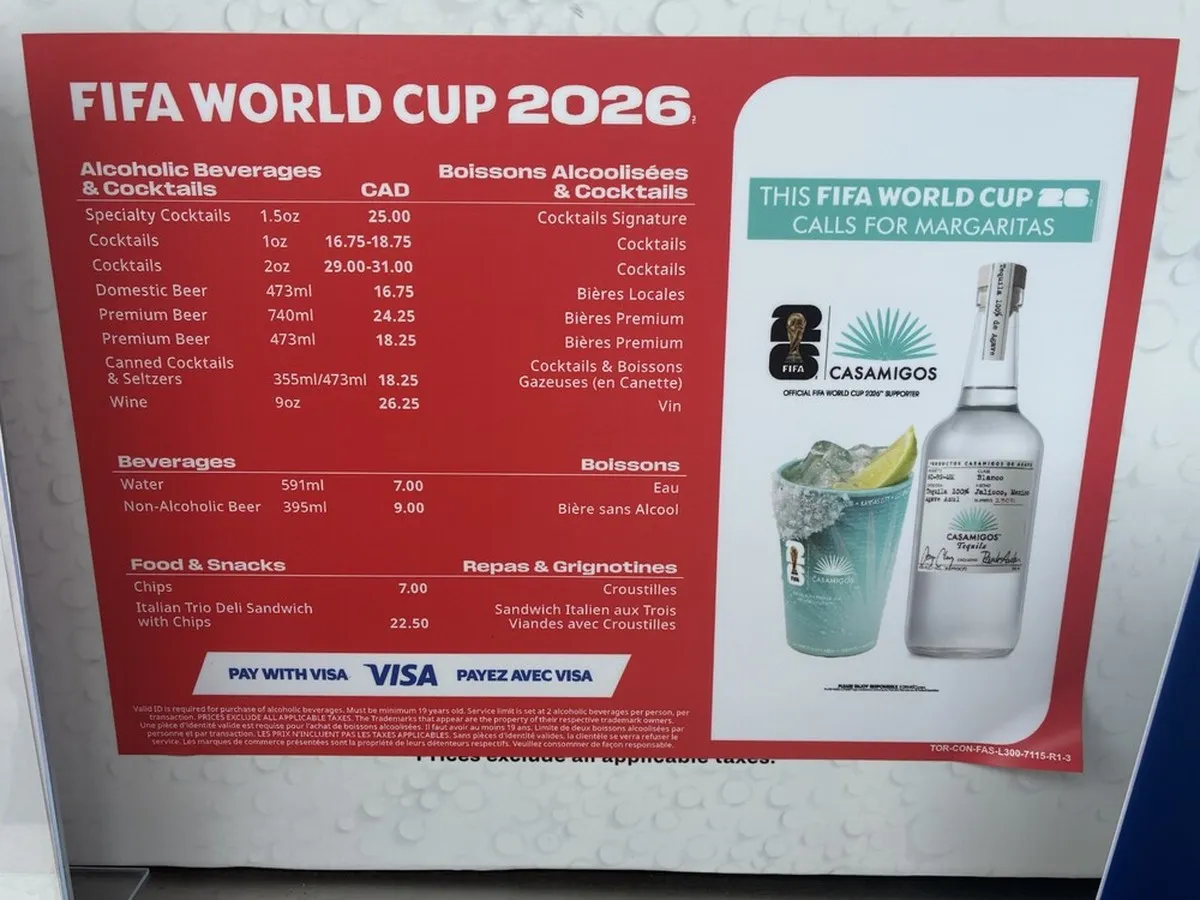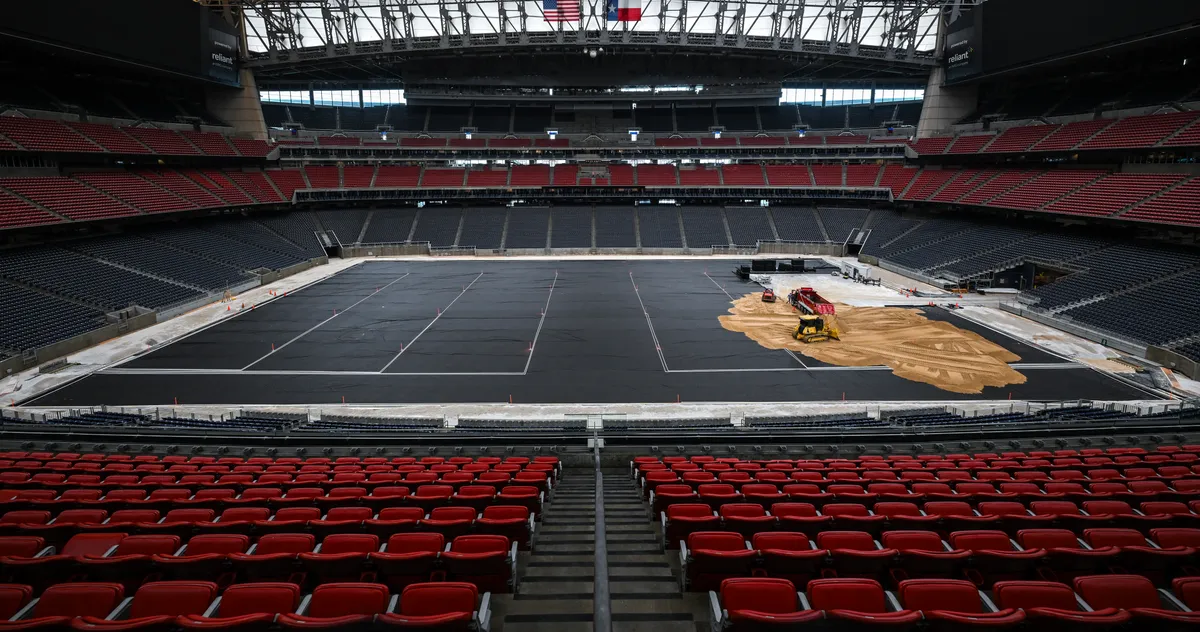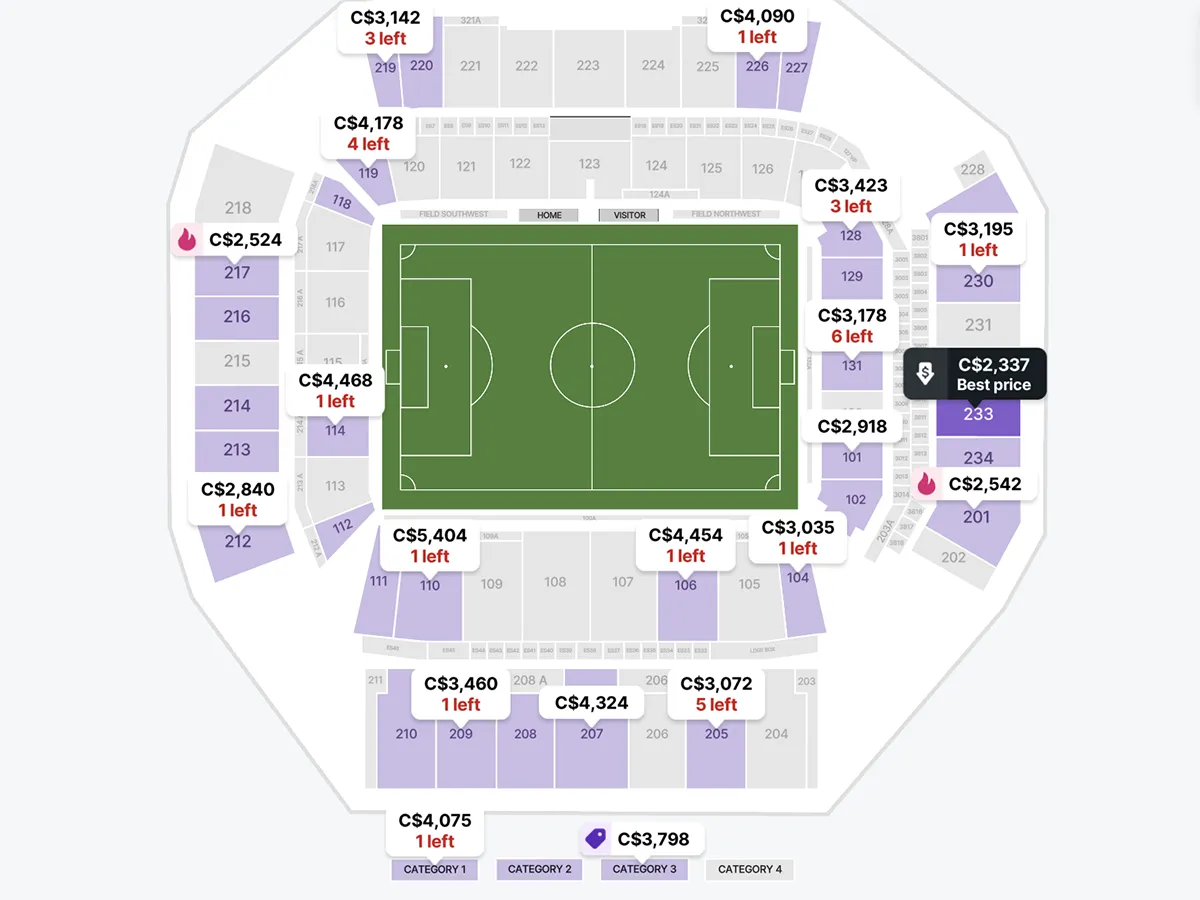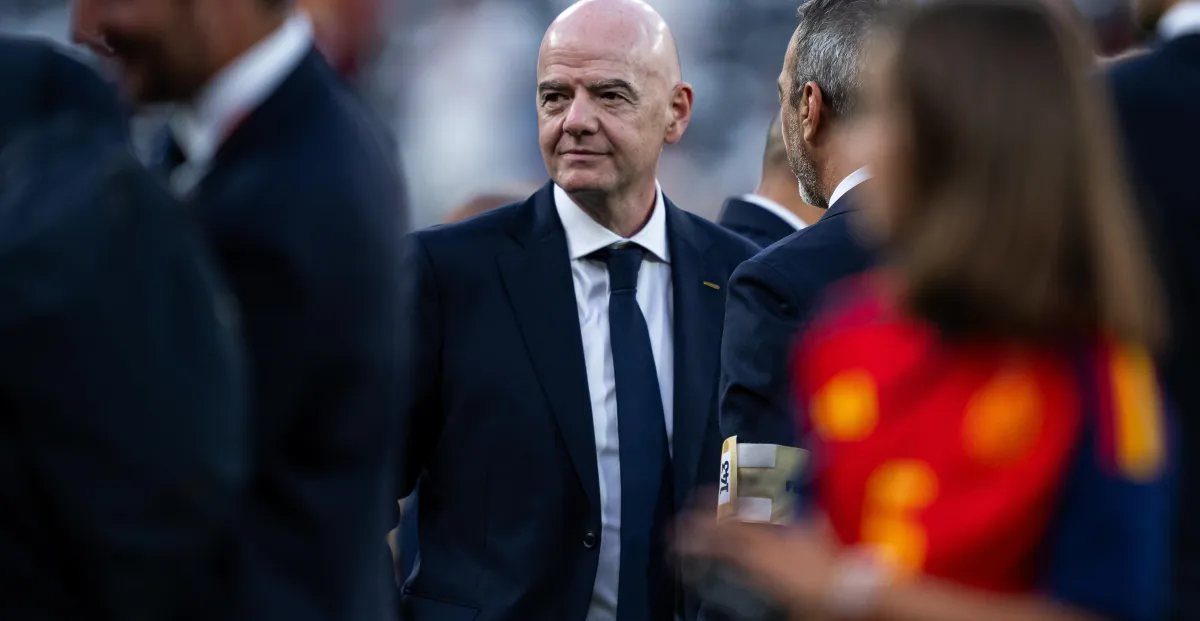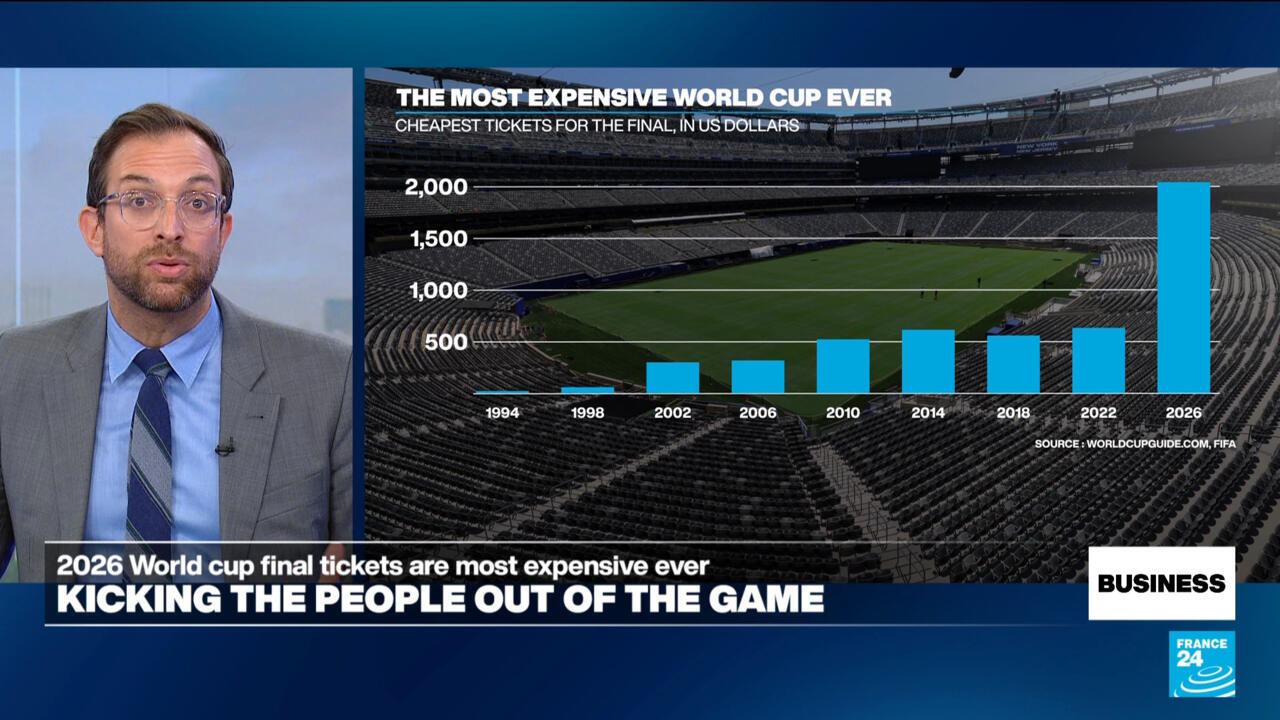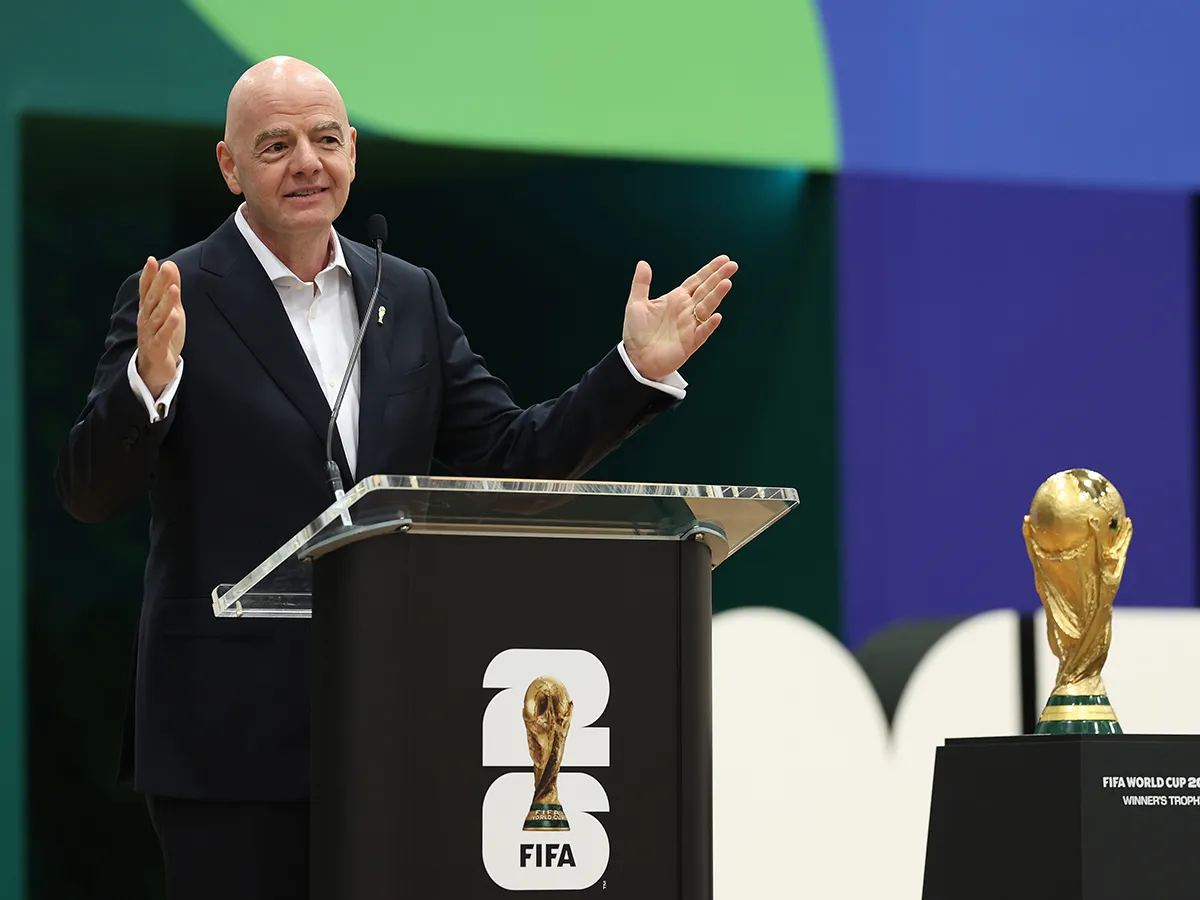
Skip to Content Subscribe Our Offers My Account Manage My Subscriptions FAQ Newsletters Canada Canadian True Crime Canadian Politics Health World Israel & Middle East Financial Post NP Comment Longreads Puzzmo Diversions Comics NP News Quiz New York Times Crossword Horoscopes Life Eating & Drinking Style Sponsored Play for Ontario Travel Travel Canada Travel USA Travel International Cruises Travel Essentials Culture Books Celebrity Movies Music Theatre Television Business Essentials Advice Lives Told Tails Told Shopping Buy Canadian Home Living Outdoor Living Tech Style & Beauty Kitchen & Dining Personal Care Entertainment & Hobbies Gift Guide Travel Guide Deals Savings National Post Store More Sports Hockey Baseball Basketball Football Soccer Golf Tennis Driving Vehicle Research Reviews News Gear Guide Obituaries Place an Obituary Place an In Memoriam Classifieds Place an Ad Celebrations Working Business Ads Archives Healthing Epaper Manage Print Subscription Profile Settings My Subscriptions Saved Articles My Offers Newsletters Customer Service FAQ Newsletters Canada World Financial Post NP Comment Longreads Puzzmo Diversions Life Shopping Epaper Manage Print Subscription HomeNP CommentSportsScott Stinson: Money, greed and FIFA's 'betrayal' of World Cup 2026Billions of public dollars have been spent to host games, with fans then charged thousands more for match ticketsLast updated 30 minutes ago You can save this article by registering for free here. Or sign-in if you have an account.FIFA and its president Gianni Infantino have made clear in 2026 that the World Cup was never about the average fan, Scott Stinson writes. Photo by Sam Hodde/Getty ImagesIt can be easy to forget that FIFA, the international governing body for soccer, is a non-profit organization.Enjoy the latest local, national and international news.Exclusive articles by Conrad Black, Barbara Kay and others. Plus, special edition NP Platformed and First Reading newsletters and virtual events.Unlimited online access to National Post.National Post ePaper, an electronic replica of the print edition to view on any device, share and comment on.Daily puzzles including the New York Times Crossword.Support local journalism.Enjoy the latest local, national and international news.Exclusive articles by Conrad Black, Barbara Kay and others. Plus, special edition NP Platformed and First Reading newsletters and virtual events.Unlimited online access to National Post.National Post ePaper, an electronic replica of the print edition to view on any device, share and comment on.Daily puzzles including the New York Times Crossword.Support local journalism.Create an account or sign in to continue with your reading experience.Access articles from across Canada with one account.Share your thoughts and join the conversation in the comments.Enjoy additional articles per month.Get email updates from your favourite authors.Create an account or sign in to continue with your reading experience.Access articles from across Canada with one accountShare your thoughts and join the conversation in the commentsEnjoy additional articles per monthGet email updates from your favourite authorsSign In or Create an AccountorIt is especially easy to forget this fact given that the 2026 World Cup, about to be held in Canada, the United States and Mexico, has become synonymous with avarice and greed, and the shameless gouging of soccer fans from around the globe.Examples of FIFA’s rapaciousness abound. Hundreds of millions of dollars in upfront costs to the federal and local governments that, in many cases, are only hosting a handful of matches. Tickets to some high-profile games, even in the early stages of the tournament, listed for several thousand dollars each on FIFA’s primary market. Parking spots on match days for more than $150. Tickets to FIFA-approved “FanFest” events, essentially outdoor viewing parties, that were again being sold for more than $100. Train and bus fares on match days that were exponentially higher than the usual commuter rates. (On that one it just seems like the transit services were following FIFA’s lead.) Then, last week, the kicker: plans to allow fans to bring refillable water bottles to games, many of which will be played in blistering heat, were reversed. Water must instead be purchased on site.All of it has combined to raise a prospect that six months ago would have been unthinkable: empty seats.This newsletter from NP Comment tackles the topics you care about. (Subscriber-exclusive edition on Fridays)By signing up you consent to receive the above newsletter from Postmedia Network Inc.We encountered an issue signing you up. Please try againWhat if you hosted the biggest party in world soccer and made it so expensive that many people just decided to stay home?The World Cup was, of course, never going to be inexpensive. FIFA is like its cousin the International Olympic Committee in that both organizations have hosted ever-more-lavish spectacles in modern times as long as someone else is footing the bill. And the soccer body has taken its signature men’s tournament in recent years to places like South Africa and Qatar that had to spend billions to create soccer-suitable stadia in cities that would have no use for them once the party left town. Qatar’s final price tag for hosting the 2022 tournament is estimated to be more than $225 billion, the most expensive in history by a distance.With the 2026 edition in North America, where there were dozens of interested cities with existing venues, the expectation was that hosting costs would be much lower, even if FIFA did make its usual demands for upgrades and infrastructure. It has long since blown past those expectations. In Toronto, the cost of hosting six games, including just one with the Canadian team, is now estimated to be close to $400 million, or a ten-fold increase from the original plans of eight years ago. The federal Parliamentary Budget Officer said in a report late last month that the total cost to the public purse of the games in Canada, including another seven in Vancouver, would be just over $1 billion.Even that number could be understating it. Days after the PBO report, the B.C. government said the Vancouver matches alone could end up costing taxpayers $725 million. It cited, in a marvellous bit of understatement, “evolving FIFA requirements” as one of the factors in the ever-ballooning costs.It bears repeating: that is for seven games, including some that would not be of high demand, with apologies to the participants in New Zealand versus Egypt.And yet, all of those huge price tags would only be a surprise to the wide-eyed and innocent. Massive cost overruns are now part of the deal when you dare to bring FIFA or the IOC over to your home.What is more surprising are the costs being imposed on the other end of the process: the match-going fans. It’s a surprise if only because the ticket prices are such a sharp increase from previous editions of the tournament. When the prices were first revealed late last year, fans were stunned to discover that Canada’s opener at BMO Field — renamed Toronto Stadium for the tournament to keep FIFA sponsors happy — would cost more than $1,000 for even a nosebleed seat. Across all categories and matches, it’s estimated that ticket prices are about three times more expensive for the 2026 tournament than they were four years ago in Qatar.Fan groups in Europe decried the “monumental betrayal” of FIFA’s pricing strategy, but once qualification rounds were completed and the matchups were finalized the organization responded by increasing the prices of many games: from $400 to $700 for England versus Croatia, for example. One analysis found that the prices had been increased for 80 of the tournament’s 104 matches once the participants had been determined.Ticket prices get even more extreme in the later rounds, with “cheap” seats listed for a face value of more than $4,000 per seat for the tournament final in New Jersey next month. (Attorneys general in New York and New Jersey said late last month that they will investigate FIFA’s ticketing practices.)FIFA and its president, Gianni Infantino, have responded to the outrage by saying that they are merely charging what the market will bear.“We are in the market in which entertainment is the most developed in the world,” Infantino told a conference last month. “In the U.S. it is permitted to resell tickets as well. So if you were to sell tickets at the price which is too low, these tickets will be resold at a much higher price.”FIFA, though, is operating its own resale market for the World Cup, taking a 15 per cent cut from both the buyer and seller, ensuring it gets a significant chunk of revenue even if its initial prices were on the low side for certain matches.And while it’s true that North American fans are used to paying high prices for certain concerts and high-profile sporting events, much more than for soccer in parts of the world where club teams are seen more as a community good, Infantino has wildly overstated the situation, often saying that FIFA is putting on “three Super Bowls a day” for the five weeks of the tournament.Massive cost overruns are now part of the deal when you dare to bring FIFA or the IOC over to your homeSuch a claim simply doesn’t reflect the demand for many of the matches. With the tournament kicking off soon, there are thousands of unsold tickets for many matches, including the Canada opener against Bosnia-Herzegovina in Toronto and the United States’ first match, against Paraguay, in Los Angeles. Donald Trump, the U.S. president who has been a target of extreme flattery from Infantino over the past year, even stated flatly that he wouldn’t pay the steep prices to watch the U.S.-Paraguay game.Ticket prices on resale sites — both FIFA-approved and elsewhere — have since been falling in recent weeks. One analysis last month found that prices had dropped for 76 of 78 matches in the United States, and that for half of those games there were tickets listed for below face value — suggesting owners who had hoped for a windfall were now scrambling to recoup some of their initial costs. There have also been reports of large numbers of seats being dumped on third-party resale sites, raising suspicions that FIFA is scrambling to avoid embarrassment.Did FIFA overplay its hand? Will it hold a fire sale in the coming days to get rid of excess inventory? Possibly not. Swaths of empty seats are less of a problem for the organizer if the seats that are filled were sold at super-premium prices.Empty sections, though, would hurt the in-stadium atmosphere and make matches feel like much less of an event.But FIFA and Infantino have made clear in 2026 that the World Cup was never about the average fan. Join the Conversation This website uses cookies to personalize your content (including ads), and allows us to analyze our traffic. Read more about cookies here. By continuing to use our site, you agree to our Terms of Use and Privacy Policy.
Scott Stinson: Money, greed and FIFA's 'betrayal' of World Cup 2026
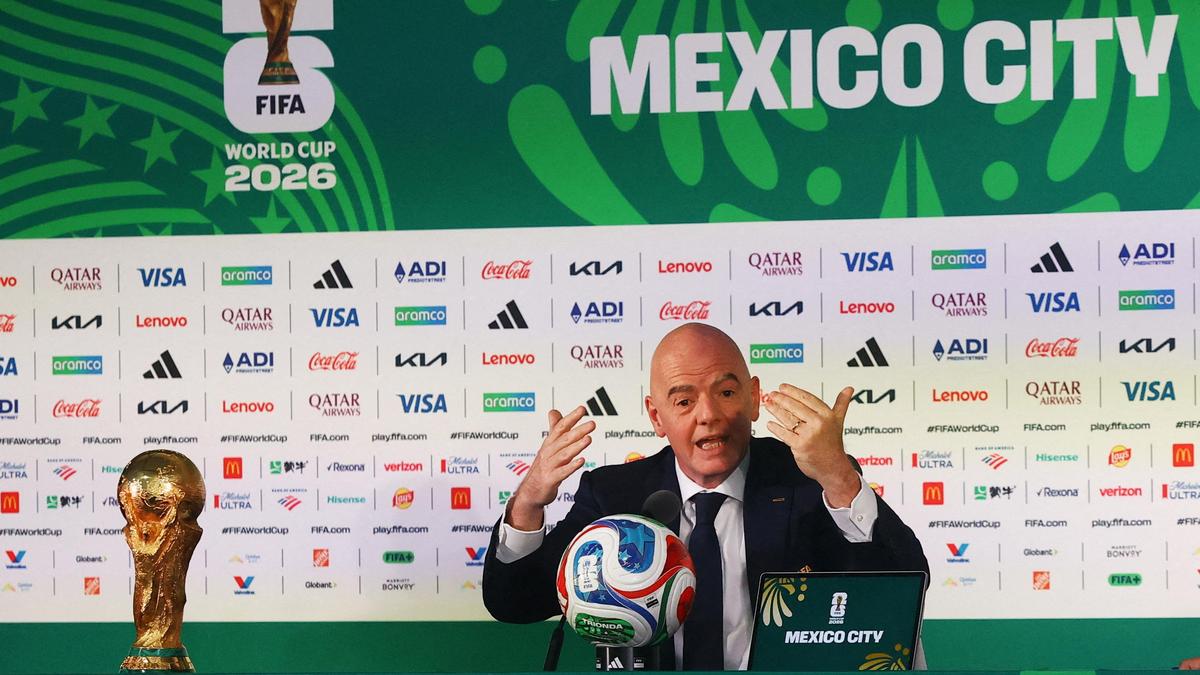
FIFA boss Gianni Infantino has said the sky-high prices only reflect the market, but unsold seats suggest otherwise
1,784 words~8 min read