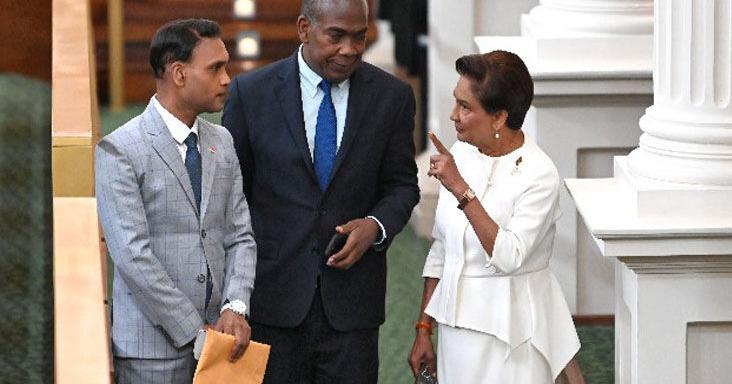
THE Government’s $2.93 billion supplementary budget request to cover public sector wage commitments is being welcomed by business groups as a short-term boost to consumer spending, but it is also raising fresh questions about fiscal sustainability and long-term revenue planning.Speaking in Parliament on Friday, Prime Minister Kamla Persad-Bissessar said the funding would be used to meet increased salary obligations for more than 62,000 public servants under the Finance Bill, 2026.
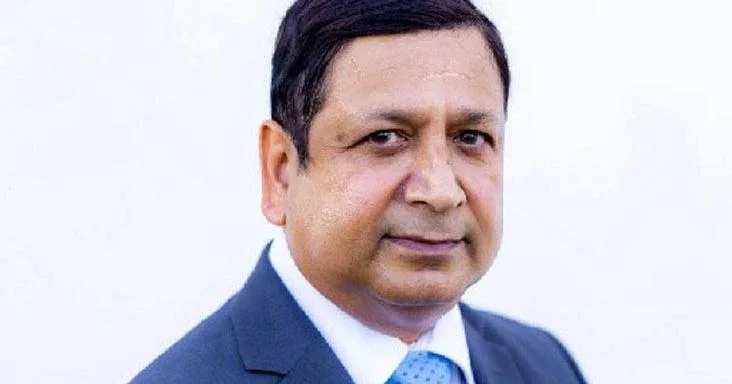
‘stabilise economy’: President of the Greater San FernandoChamber of Commerce Kiran Singh.
She said $2.83 billion of the additional funds is recurrent expenditure and will go toward wages and salaries that are already being paid.Business chambers have broadly welcomed the move, describing it as a necessary intervention that will place significant spending power into the hands of households and stimulate domestic demand.
‘expected move’:Economist Dr Vanus James.
President of the Chaguanas Chamber of Industry and Commerce Baldath Maharaj said the wage increases would have a direct and immediate impact on retail activity and small and medium-sized enterprises.He said the injection of income into the public sector “will provide a very welcome boost to retail trade and consumer spending”, adding that businesses across the country stand to benefit from increased liquidity.However, Maharaj cautioned that the upcoming midyear budget review must clearly outline how the Government intends to manage the additional expenditure while maintaining macroeconomic stability, particularly in relation to foreign exchange pressures and long-term growth.“Fulfilling these State obligations is a critical step forward, and we trust that the Government’s upcoming fiscal presentation will balance this necessary payroll injection with continued strategies to support private sector growth, manage foreign exchange stability, and drive long-term economic development for Trinidad and Tobago,” he said.A similar view was expressed by the head of the Greater San Fernando Chamber of Commerce Kiran Singh, who said the wage adjustment reflects the Government’s commitment to fulfilling obligations to public servants amid rising living costs.“The chamber views this decision as part of the Government’s broader effort to stabilise the economy while addressing long-standing financial obligations to its employees. Public sector wages support consumer spending, which in turn benefits businesses across the country, particularly small and medium-sized enterprises that rely heavily on domestic economic activity, thereby sustaining a nationwide positive multiplier effect,” Singh said.“The long-term objective must be to expand the national economy in a manner that generates sustainable revenues, supports employment, and reduces fiscal pressures over time. We remain encouraged by the Government’s focus on economic revitalisation, including initiatives aimed at attracting international investment, strengthening relations with multilateral institutions, supporting SMEs, and diversifying the economy beyond traditional energy sectors,” he said.Calls for transparencyon funding strategyFrom the services sector, Trinidad and Tobago Coalition of Services Industries (TTCSI) president Dianne Joseph said the organisation does not oppose the supplementation, given long-standing wage stagnation among public servants, many of whom have seen limited real income growth over more than a decade.However, the organisation stressed the need for transparency on how the Government intends to finance the additional spending without placing further strain on national reserves or worsening fiscal imbalances.“The TTCSI urges the Government to clearly outline its revenue-generation strategies to replenish these funds without destabilising national reserves. Without a clear, proactive plan to rapidly expand alternative income streams, there is a risk of compounding local economic pressures,” she said.Economist Dr Vanus James described the move as expected, given the wage commitments made and the economy’s inability to grow “fast enough to yield covering revenues”.He predicted that the cover will come from “fines, fees, tax increases and debt”.“If very lucky, some might come from official development assistance. There is no doubt that the country needs to move quickly to a path of rapid productivity growth to cover its rising labour costs,” he added.