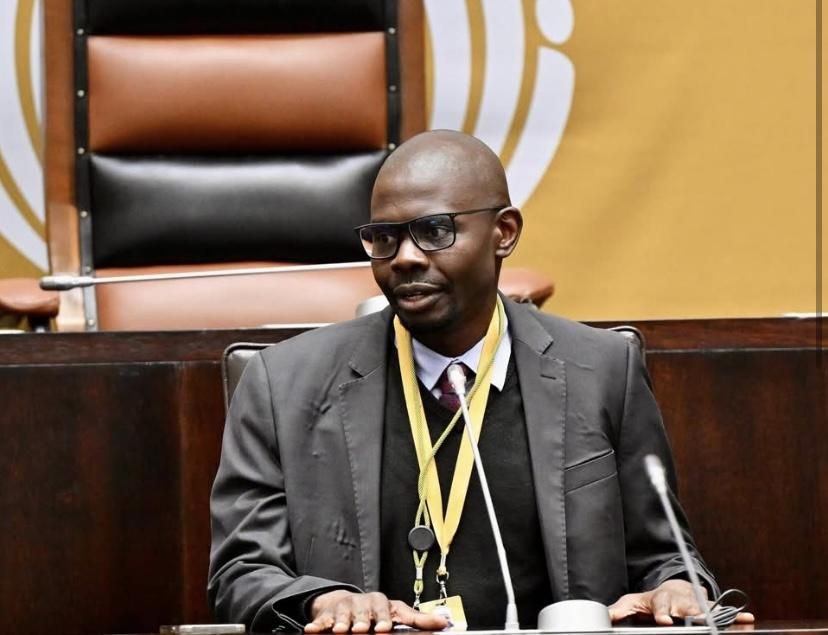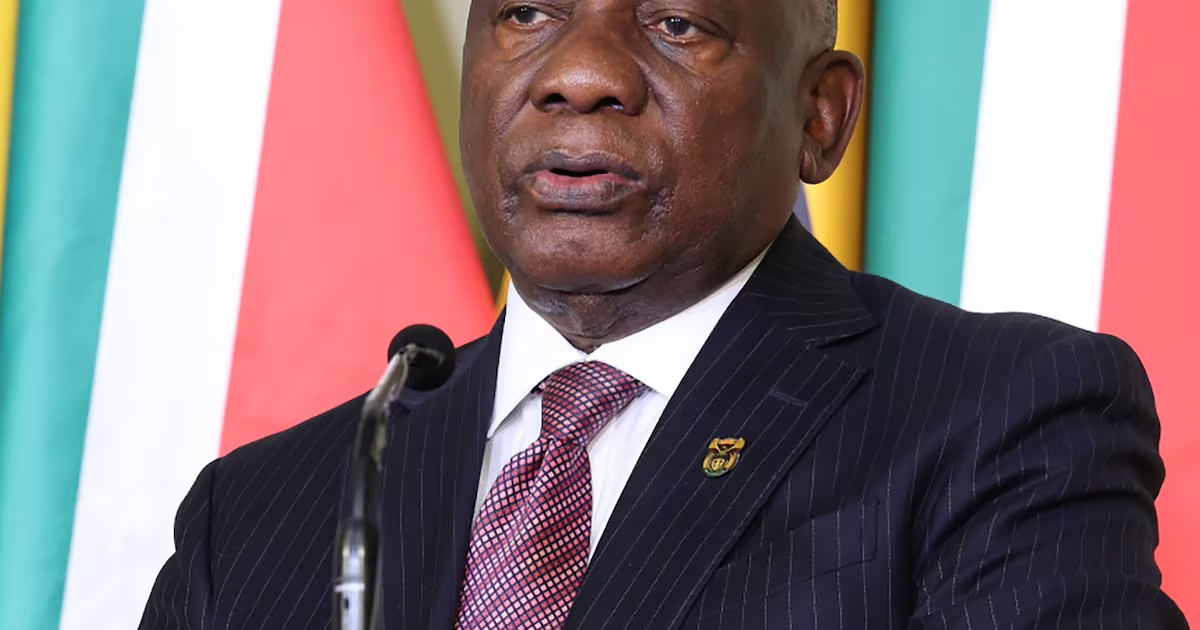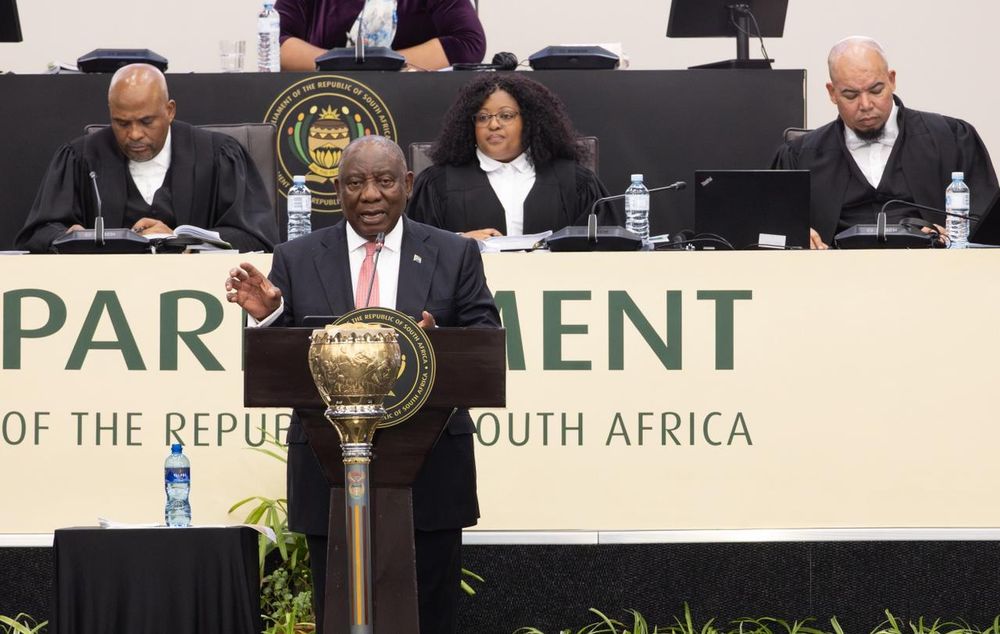
Former chief justice Sandile Ngcobo will not be entering a legal battle against President Cyril Ramaphosa in the review application aimed at setting aside an independent panel report on the Phala Phala saga. Ngcobo, who was the chair of the independent panel report that found the president may have a prima facie case to answer regarding his handling of the theft of millions of rand at his Phala Phala farm, will not oppose Ramaphosa’s legal challenge of the report in the Western Cape High Court. Ngcobo and fellow panellist members, retired judge Thokozile Masipa and advocate Mahlape Sello, have filed a notice to abide by the court’s decision on the matter. The decision taken by the panel not to enter into the litigation against the president is a normal legal procedure and does not translate to the president having the upper hand in the litigation, as he is to face fierce opposition from the African Transformation Movement (ATM). Koos Malan, emeritus professor of public law at the University of Pretoria, described the move by the panel as a wise decision. “This simply means that he [Ngcobo] leaves the matter in the hands of the court, and one might add it shows sufficient confidence; he knows the court would decide in the best way, applying the law without it being necessary to actually defend his report,” Malan said. “The panel and former chief justice made a wise decision.”Malan said it was important for the former chief justice, in his position, to fulfil an impartial role, “to not engage in anything creating an impression of joining the fray, something a judge, former chief justice or panel should not be doing”. The report was not legally vulnerable without opposition from the panel, Malan said, because the court has “sufficient factors” which would allow it to decide on the matter without the panel’s opposition.If any party is to explicitly defend the merits of the report, that would be up to parliament to do it. “Parliament would possibly cross swords with the president if they find it necessary to do so, but the former chief justice, acting as an impartial figure and role player in this thing, has no axes to grind with the president,” he said.The National Assembly has not yet filed court papers indicating whether it will oppose the application. The panel was established by parliament as a step taken before a president faces an impeachment committee in a career-threatening process. The president, in his legal challenge, attacks the report on the grounds the panel failed in its mandate and applied an incorrect legal test when dealing with the allegations he had breached provisions of law and the constitution. The case centres on the steps Ramaphosa took after about $538,000 (R8.9m) was stolen from a couch at his Phala Phala game farm in 2020. Legal analyst Llewelyn Curlewis said any of the political parties in parliament could apply to join the litigation, which has seen pushback from the EFF and ATM, and defend the report. “The notice to abide sometimes is not a bad thing. Parties regularly abide by not debating the matter, and it’s for the court to decide. “I would have preferred it if they [the panel] said, ‘We abide by the court’s decision, but we do stand by our report. We will take whatever outcome comes’,” he said. ATM leader Vuyo Zungula has indicated the party will oppose the application. He has written a letter to the president’s legal team describing the president’s application as a “Stalingrad” approach.Zungula has argued the president should not interdict parliament from proceeding with the impeachment committee inquiry, probing the veracity of charges against Ramaphosa, pending the legal challenge. The committee has a mandate to decide whether the seriousness of charges against Ramaphosa amounts to serious misconduct, which is grounds that the constitution provides for the removal of a president.
Former chief justice Ngcobo not opposing Ramaphosa’s Phala Phala report legal battle
The decision taken by the panel not to enter into the litigation against the president is a normal legal procedure and does not translate to the president having the upper hand in the litigation
645 words~3 min read