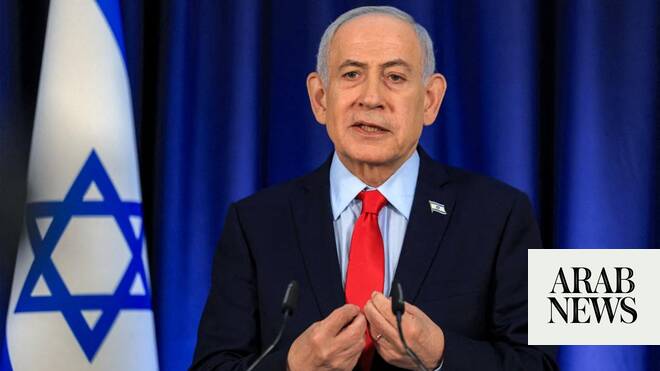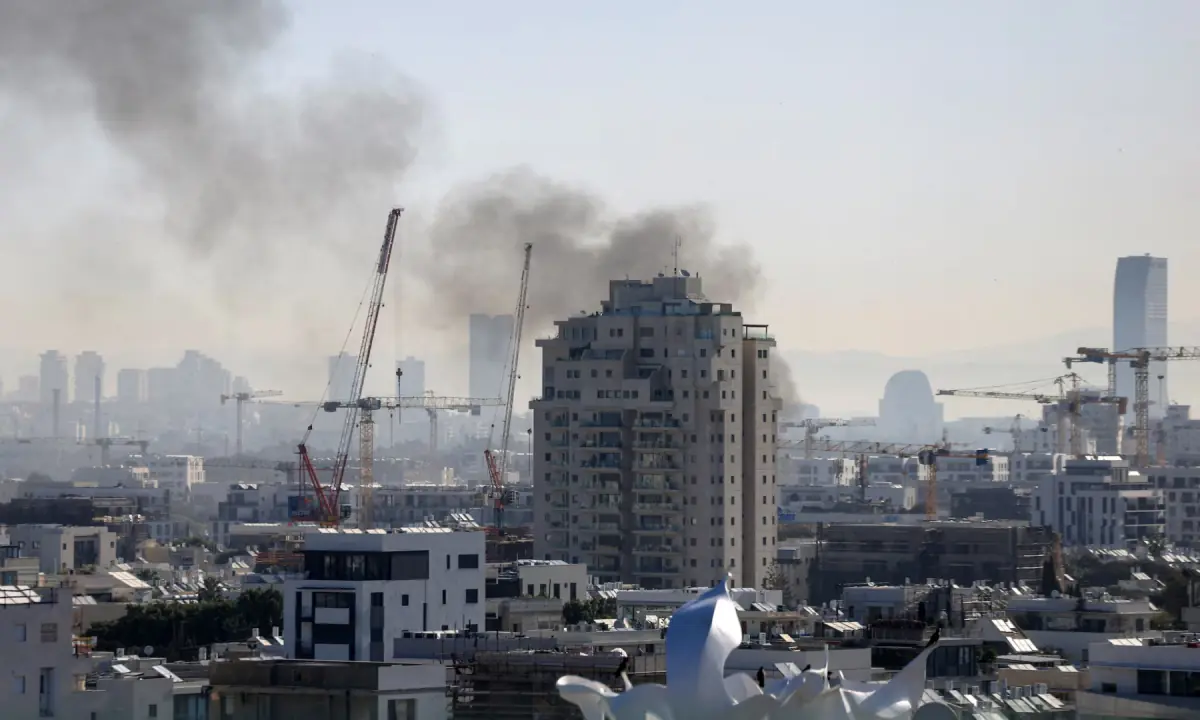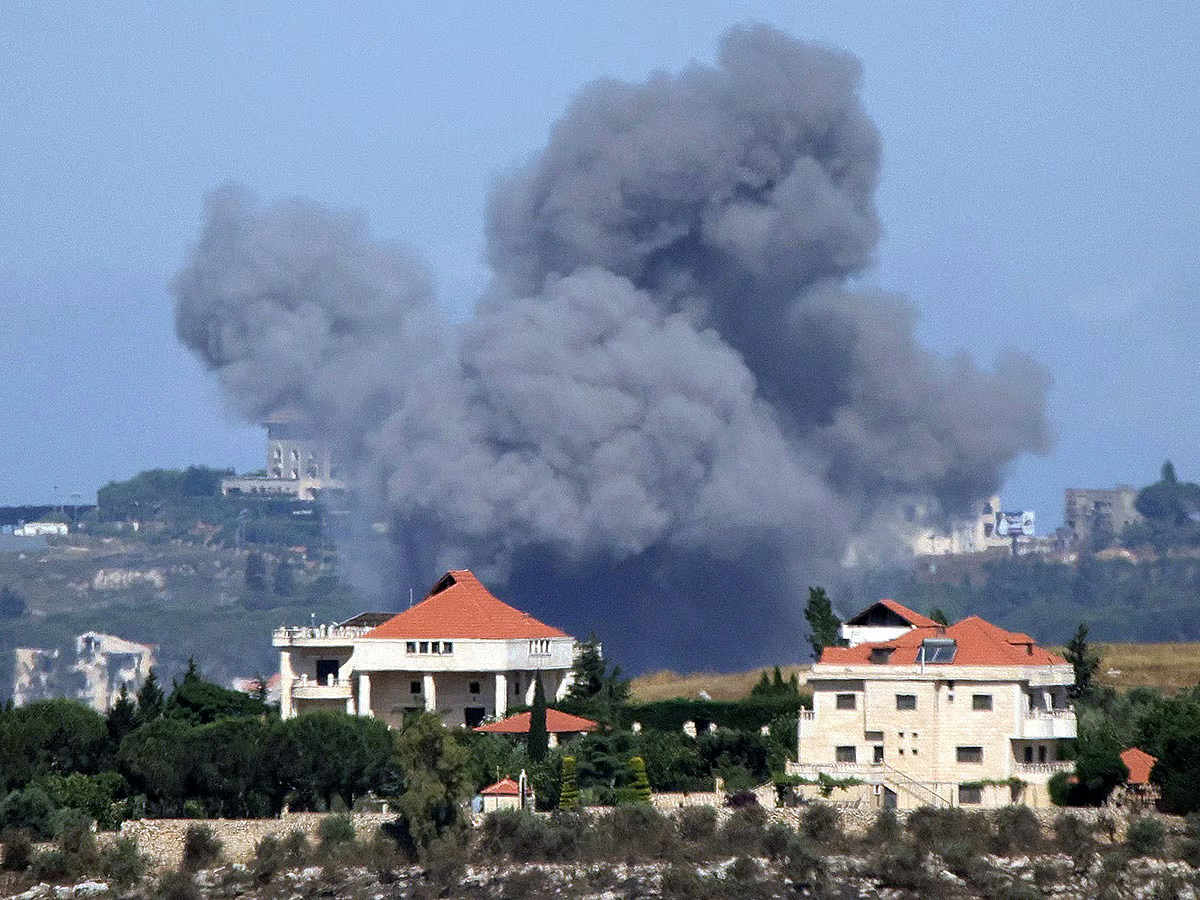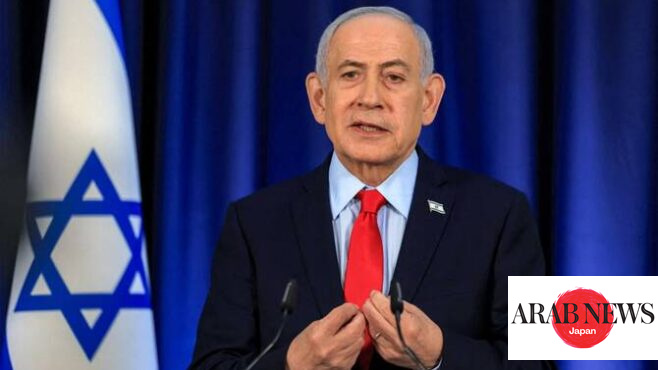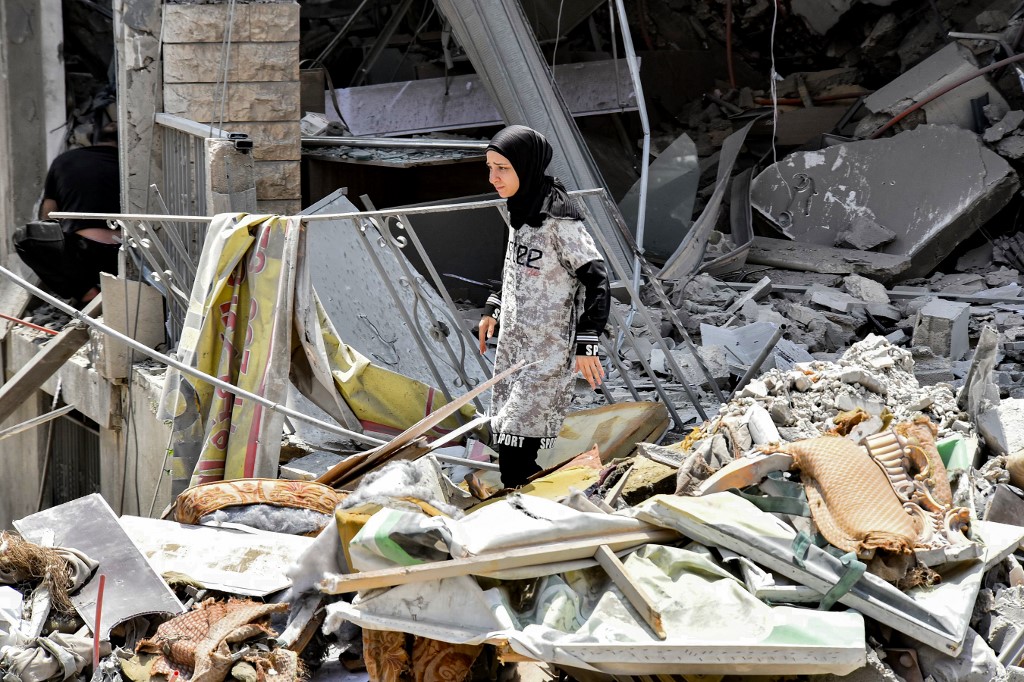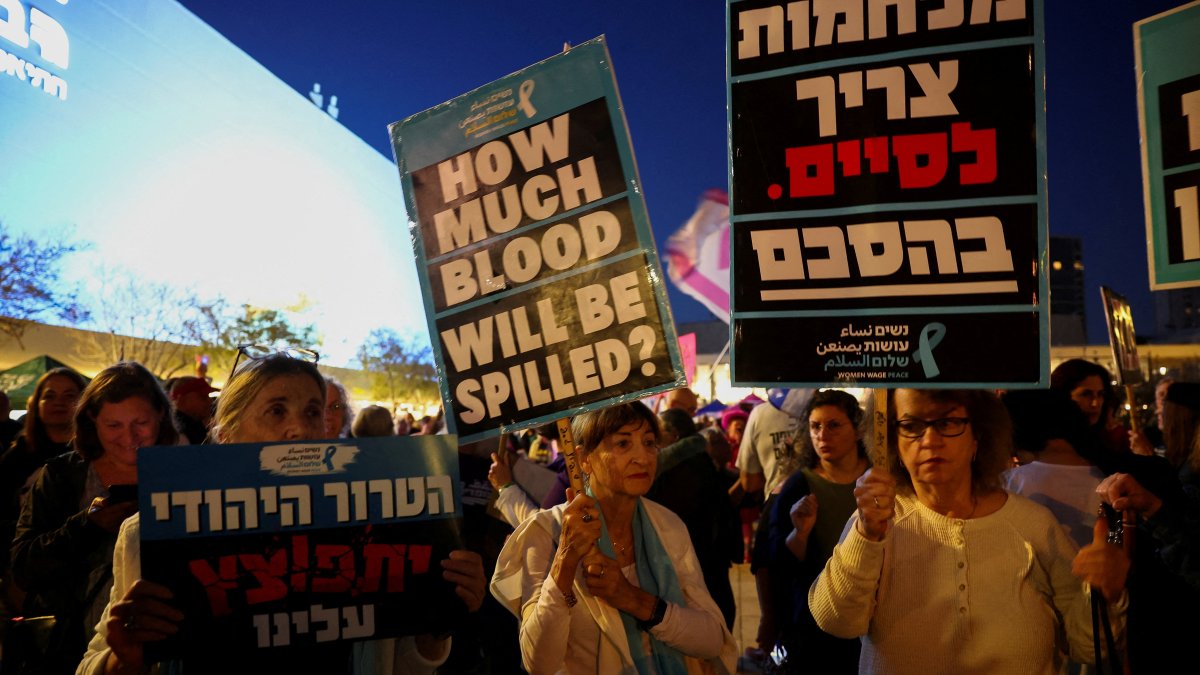
The staggering costs of Israel's multi-front war and Prime Minister Benjamin Netanyahu's vision of turning his country into a "Super-Sparta" of the Middle East are driving up the defense budget and raising fears of cutbacks in education and health care.
The total cost of the attacks and involvement in a series of interconnected regional conflicts after Oct. 7, 2023, stood at 405 billion shekels ($138 billion) as of late April, according to the governor of the Bank of Israel, Amir Yaron.
"That's a huge figure, more than 17% of GDP (gross domestic product)," he said during a recent economic conference in Herzliya, north of Tel Aviv.
Just the military campaign against Iran, which began with a wave of U.S.-Israeli strikes on Feb. 28, incurred an additional cost of 35 billion shekels for the state up until a cease-fire took effect on April 8, according to an initial estimate by the country's finance ministry.
Following the adoption of the 2026 budget in late March, the government noted the defense ministry's budget had more than doubled since October 2023, when Tel Aviv escalated attacks on Gaza.