(Image credit: NASA)
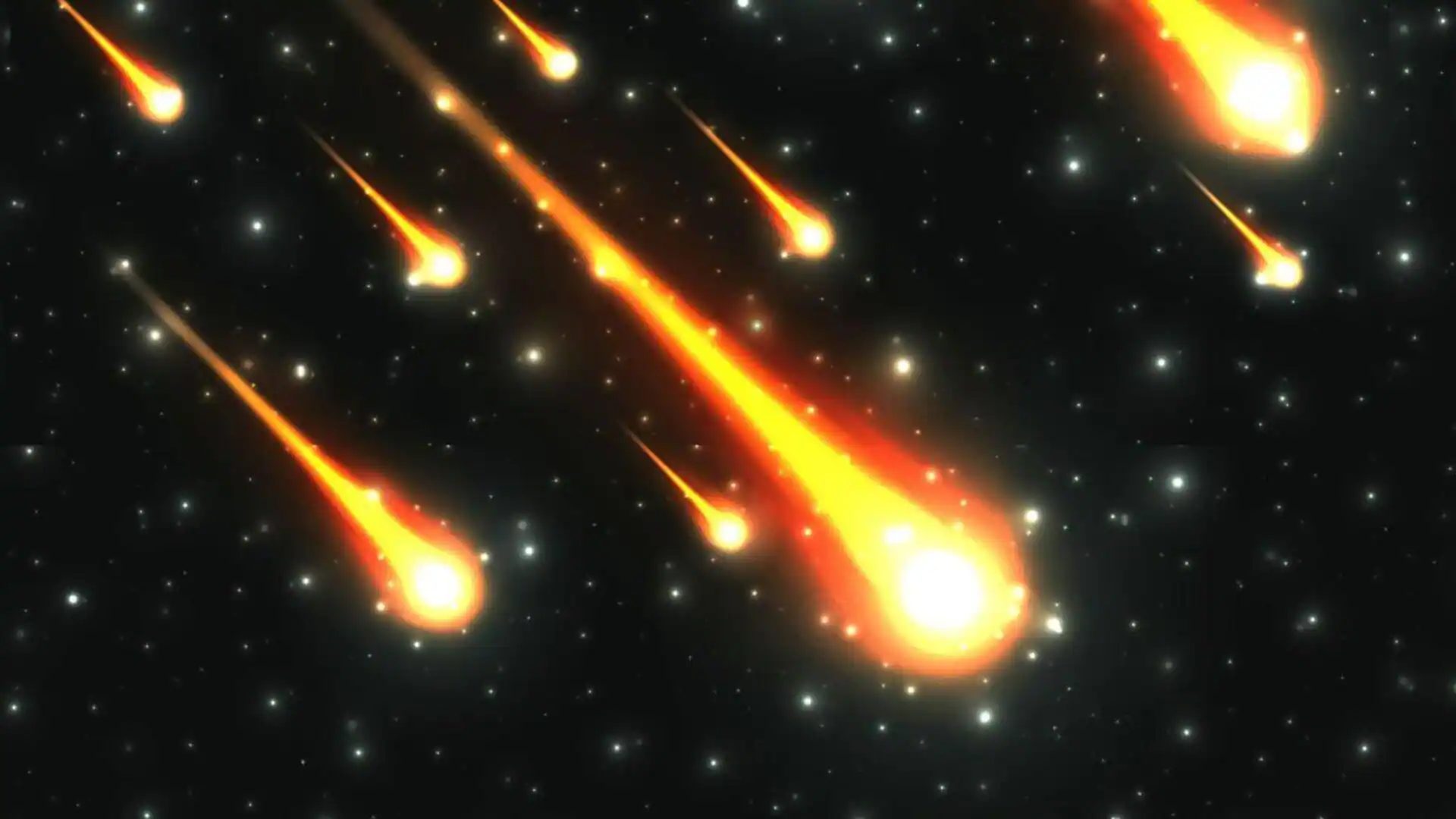
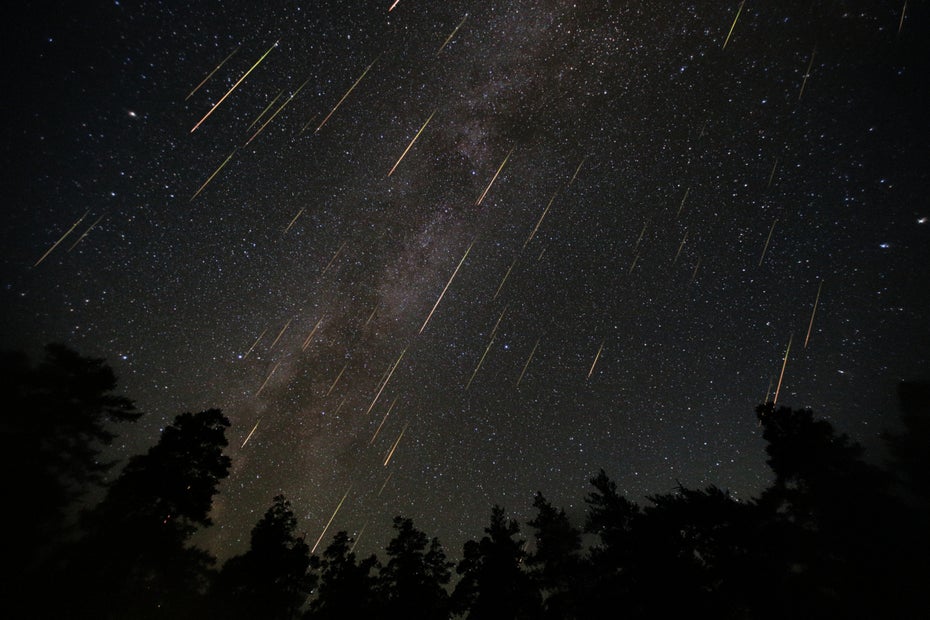
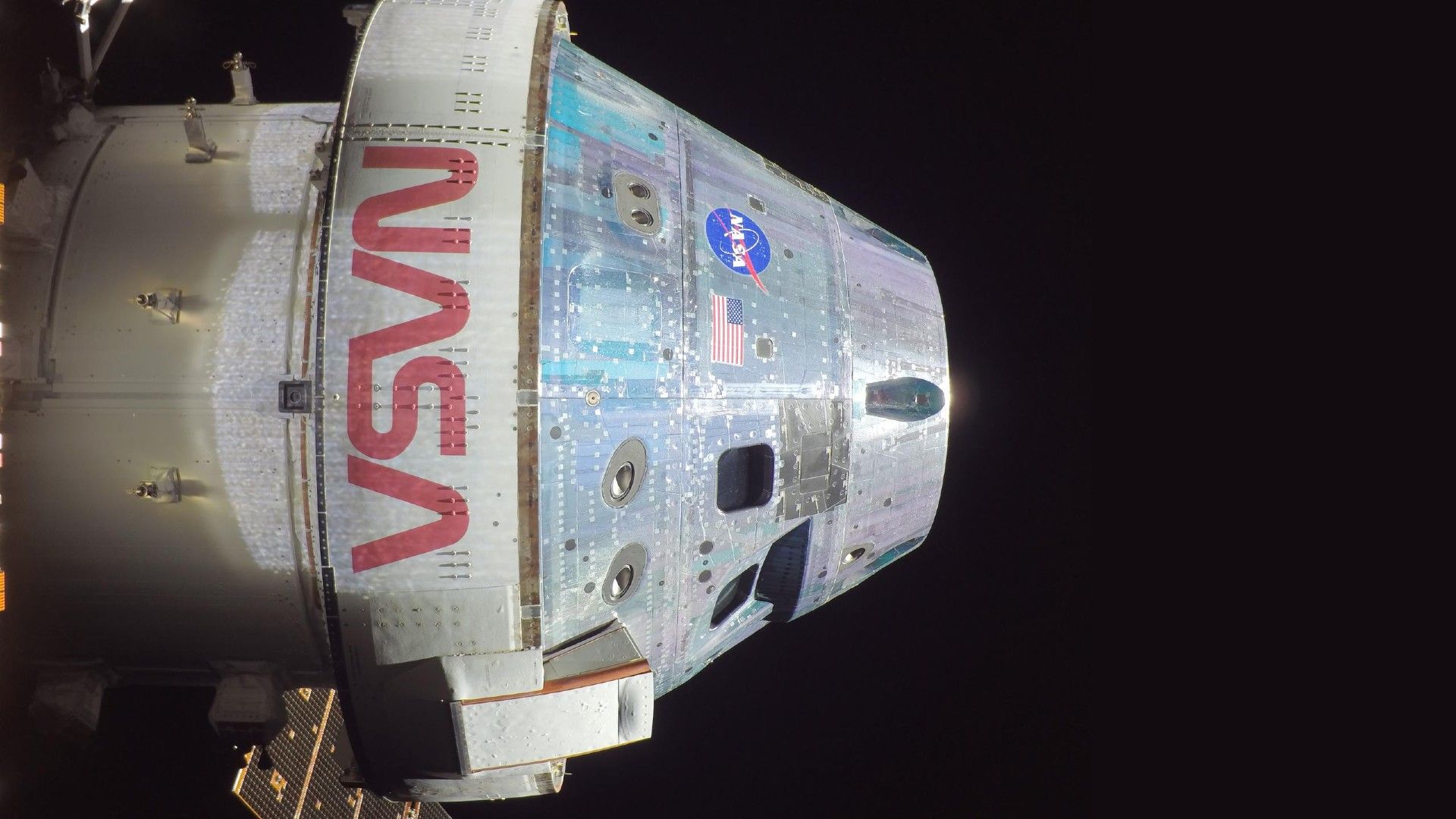
Meteor showers are among the most beautiful phenomena to brighten Earth's sky, but could the fast moving space rocks that accompany major events threaten or delay future Artemis moon missions as NASA and its partners plan for a lunar landing attempt?NASA estimates that approximately 48.5 tons (44,000 kilograms) of naturally occurring space debris falls into Earth's atmosphere each day. These fragments range in size from tiny micrometeoroids a fraction of a millimeter in diameter to larger particles that create spectacular shooting stars and fireballs as they burn up during atmospheric entry.The space around Earth gets even more crowded during meteor showers, as Earth careens through one of the many debris streams continuously shed by asteroids and comets as they make lazy circuits around the sun.Can micrometeoroids endanger a spacecraft?Micrometeoroids travel through space at hypervelocity speeds averaging 22,000 miles per hour (34,405 kilometers per hour), according to NASA. At that pace, even a tiny micrometeoroid has the ability to impart a significant kinetic blow upon striking a spacecraft en route to the moon, with potentially disastrous results for the astronaut crew inside.Fast moving debris has the potential to penetrate or deform a spacecraft's hull, damaging critical systems or even triggering a catastrophic rupture. There is also the risk that a micrometeoroid could punch a hole in one of the heat-resistant outer tiles on the Orion spacecraft, NASA's crew capsule for the agency's Artemis moon missions, undermining its ability to survive the intense furnace of reentry, per NASA.