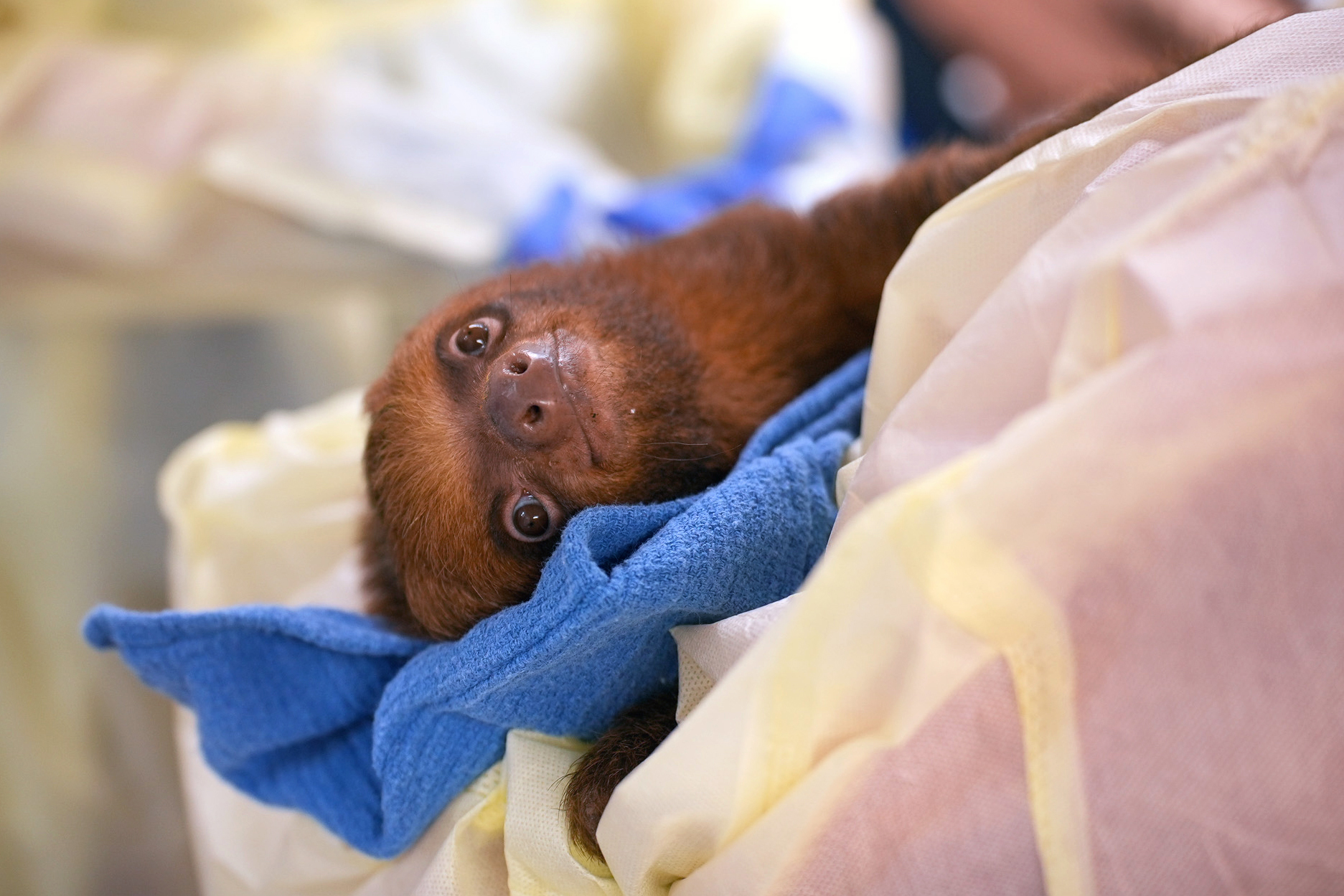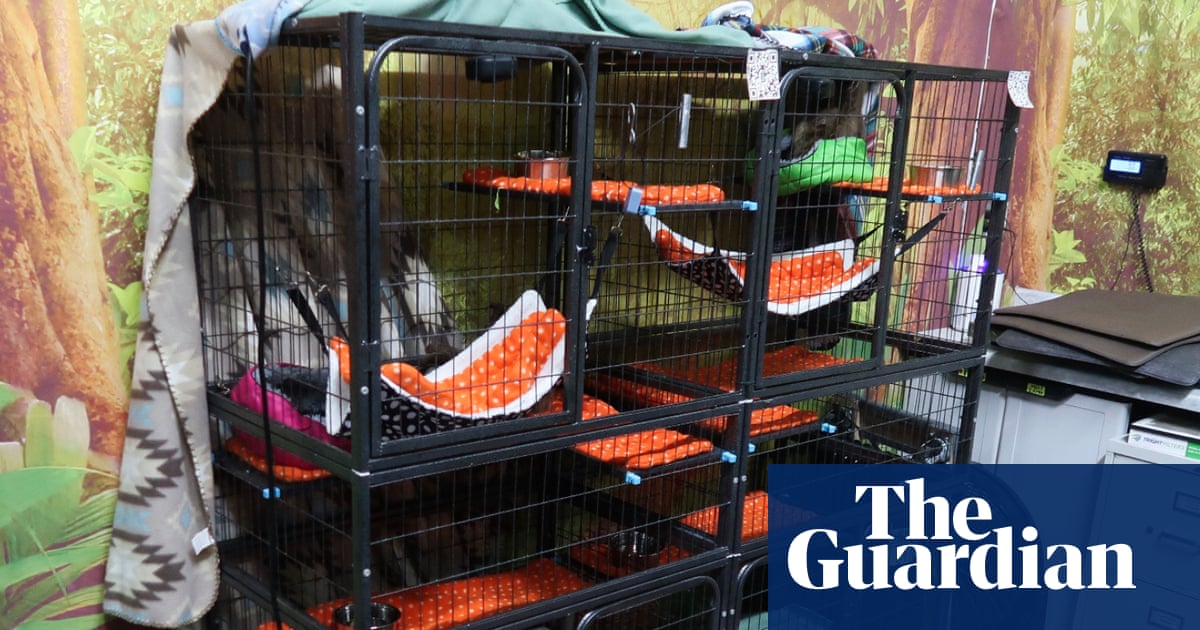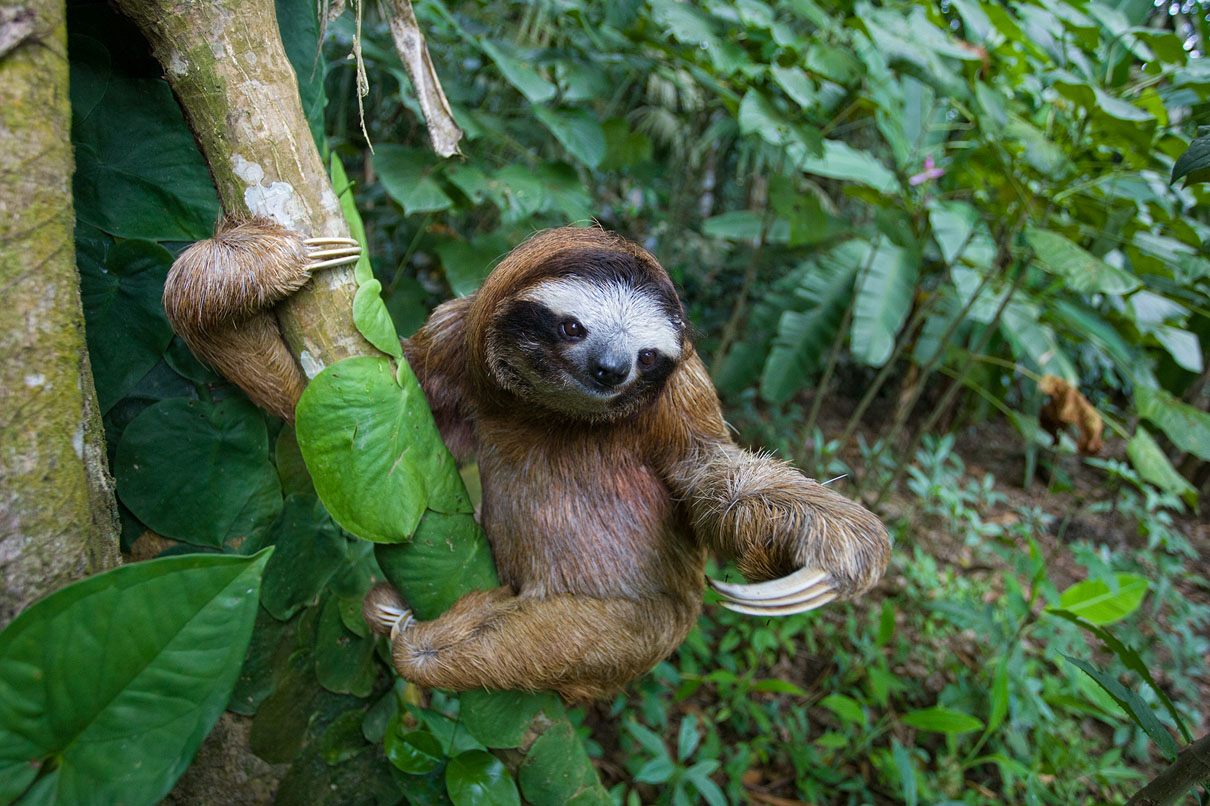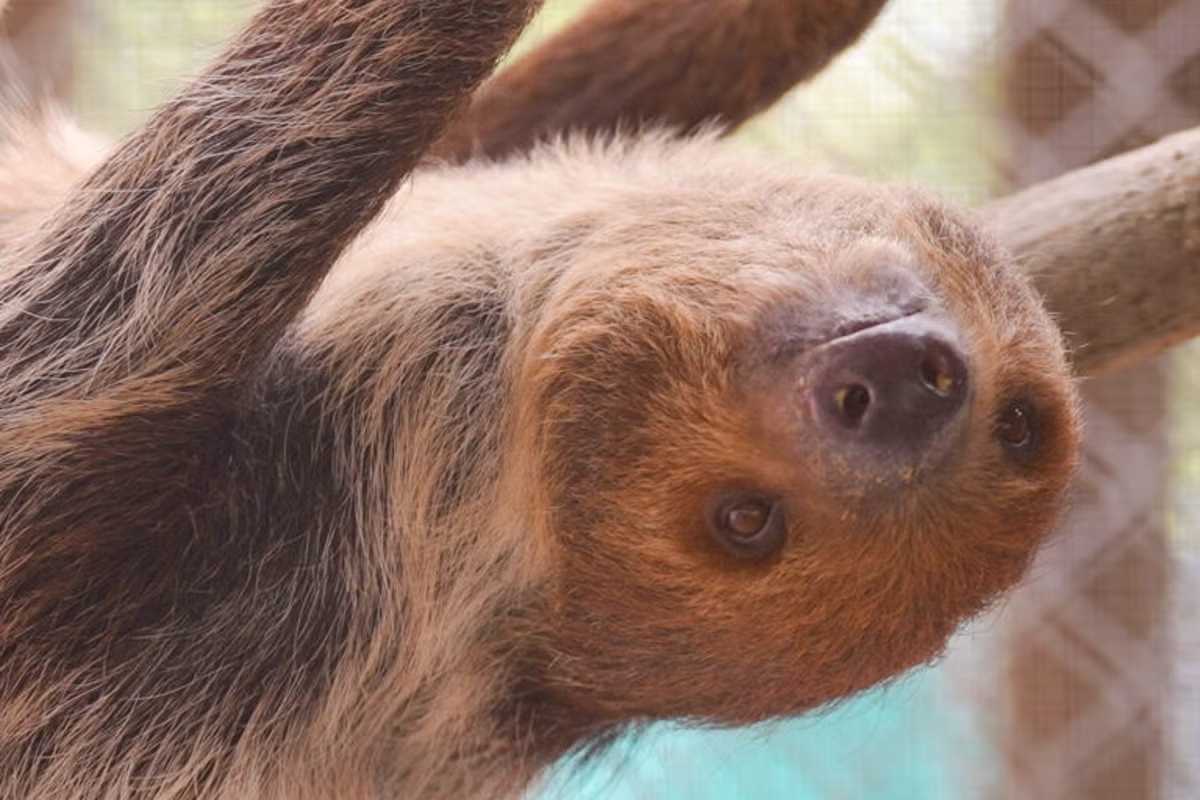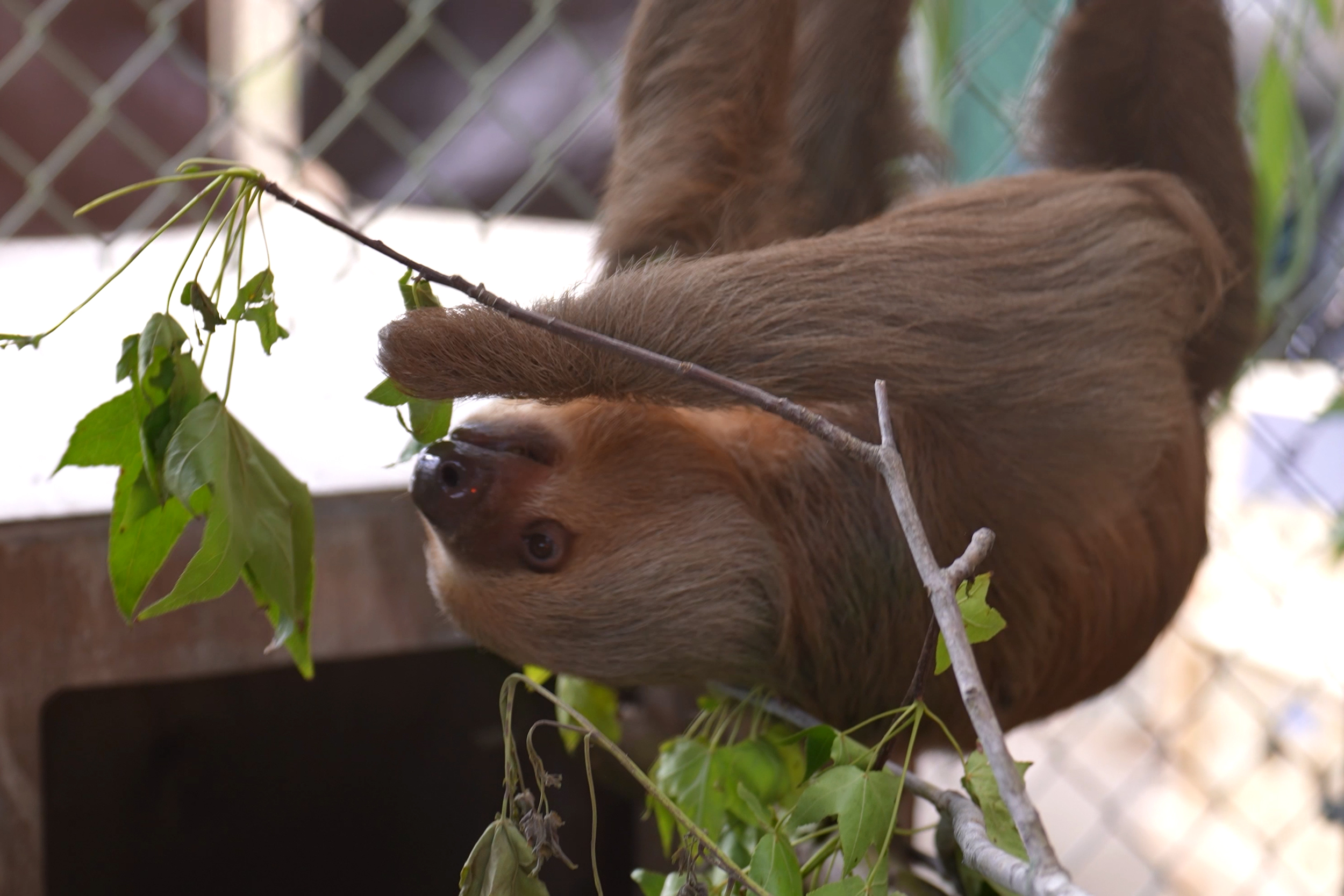
When pathologists cut open dead sloths from a planned Florida tourist attraction, they found a plethora of pathogens.
Parasites, bacteria and viruses were all lurking in animals weakened by grueling international transport and stressful conditions at the warehouse that received them, according to necropsy records and a state inspection report obtained by Inside Climate News through an open records request. The sloths had distended stomachs, diarrhea matted into fur and lungs congested with pneumonia.
The Orlando business where they died, called Sloth World, closed before ever opening to the public amid a backlash after an April investigation by Inside Climate News. But wildlife scientists, epidemiologists and veterinary pathologists say the details of the mass deaths spotlight broader public-health concerns with the multi-billion-dollar legal wildlife trade in an era where three-quarters of new infectious diseases originate in animals.
The industry creates a pipeline for viruses, parasites and fungi to mutate, spread and threaten humans and animals alike—helped along by major gaps in government protections.
“Wildlife trading is inherently a system that can amplify pathogen risk,” said Dr. Neil Vora, a physician and epidemiologist who spent nearly a decade working with the U.S. Centers for Disease Control and Prevention, including on the frontlines of Ebola outbreaks.