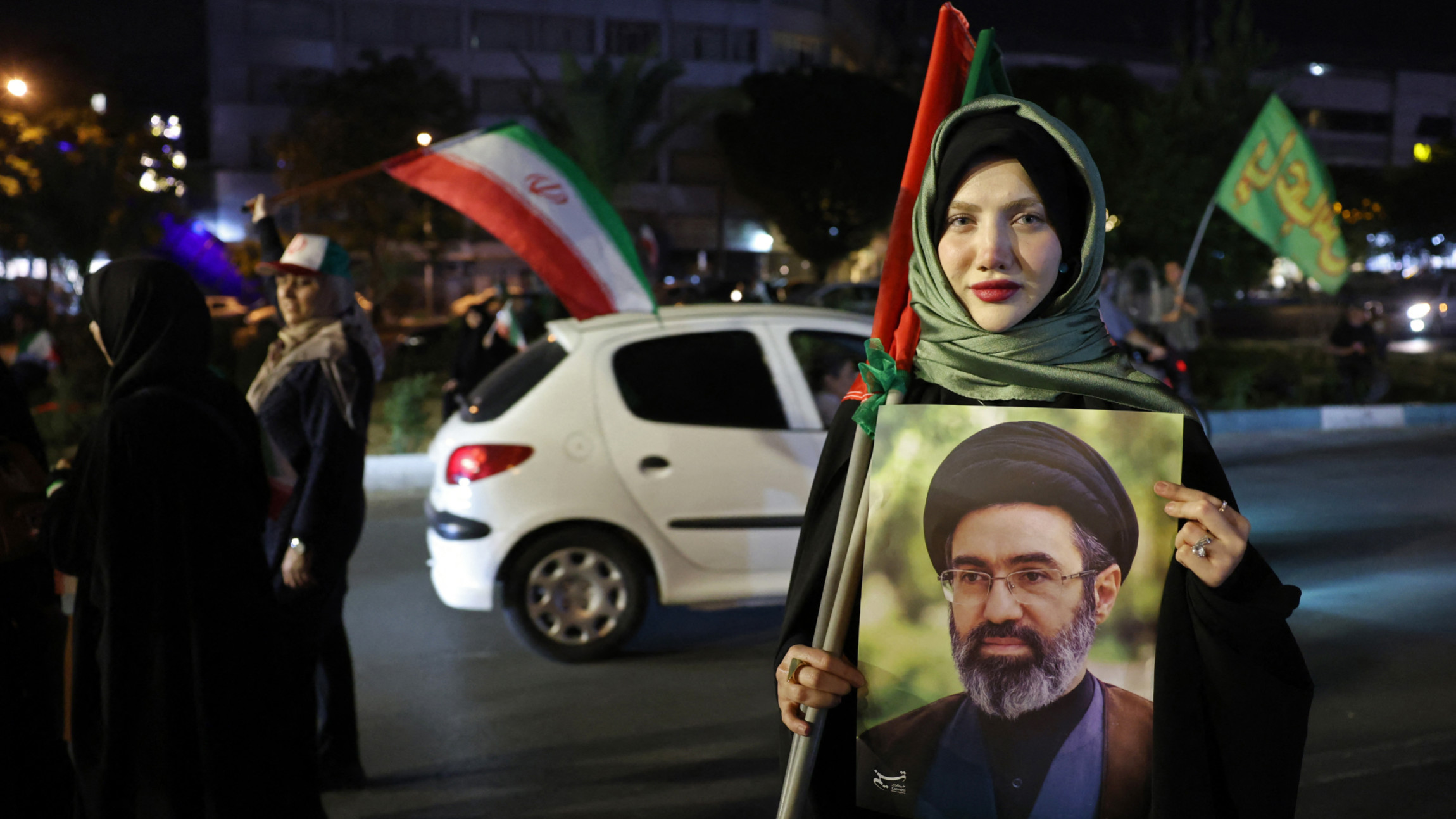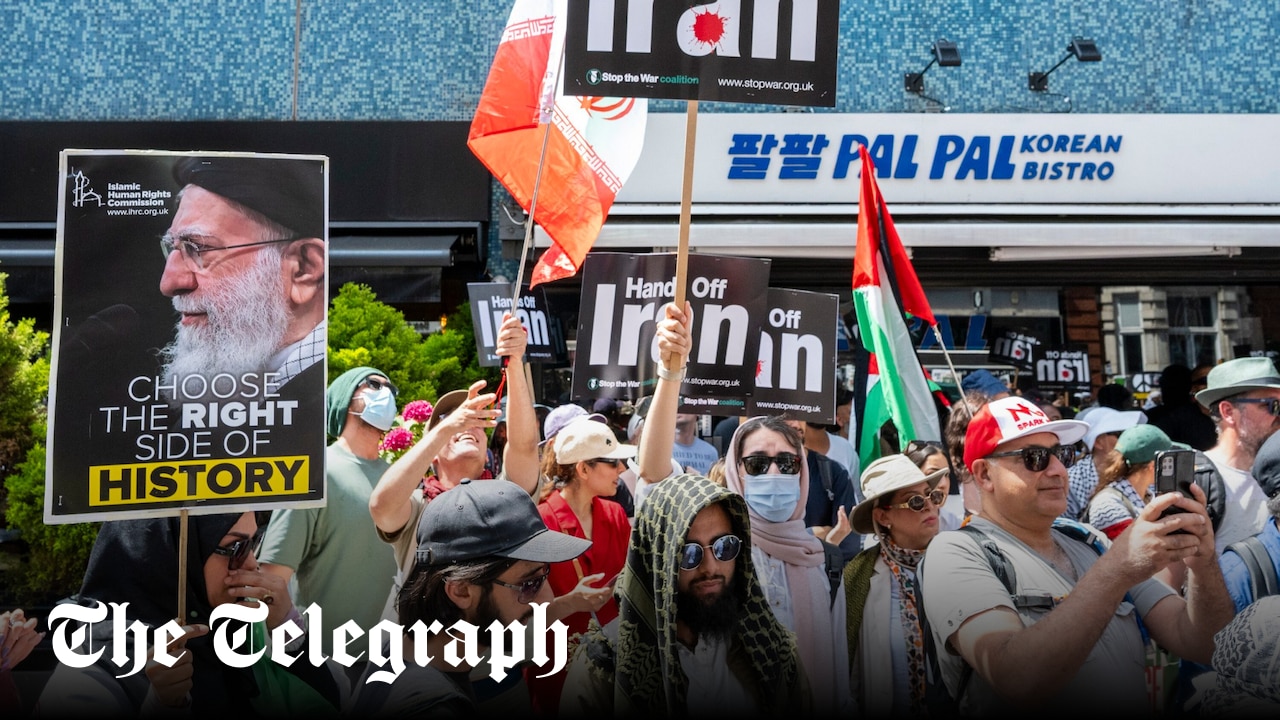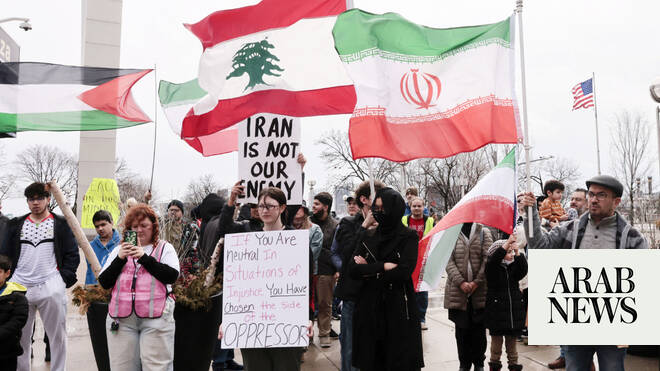
On a hot afternoon in March, a procession of hundreds of men wound through major streets in the Nigerian city of Kano, dressed in black and bearing portraits of the assassinated Iranian supreme leader, Ayatollah Ali Khamenei, and waving Iranian flags.
Their chants echoed through the northern city as they condemned US-Israeli attacks on Iran, declaring solidarity with what they described as “a nation under oppression”.
For onlookers in roadside shops and passing buses, the protest looked like something lifted from a film about events unfolding thousands of kilometres away. But for Nigeria’s Shia Muslims, it was a statement that the US-Israeli war against Iran felt deeply personal.
In the days after the war began, similar demonstrations in support of Iran have taken place across Nigerian cities, including Kano, Sokoto, Gombe and Abuja.
Organised largely by members and sympathisers of the outlawed Islamic Movement in Nigeria (IMN), one of Africa's most prominent Shia movements, the protests reflect how geopolitical tensions can resonate strongly within local religious communities far from the front lines.