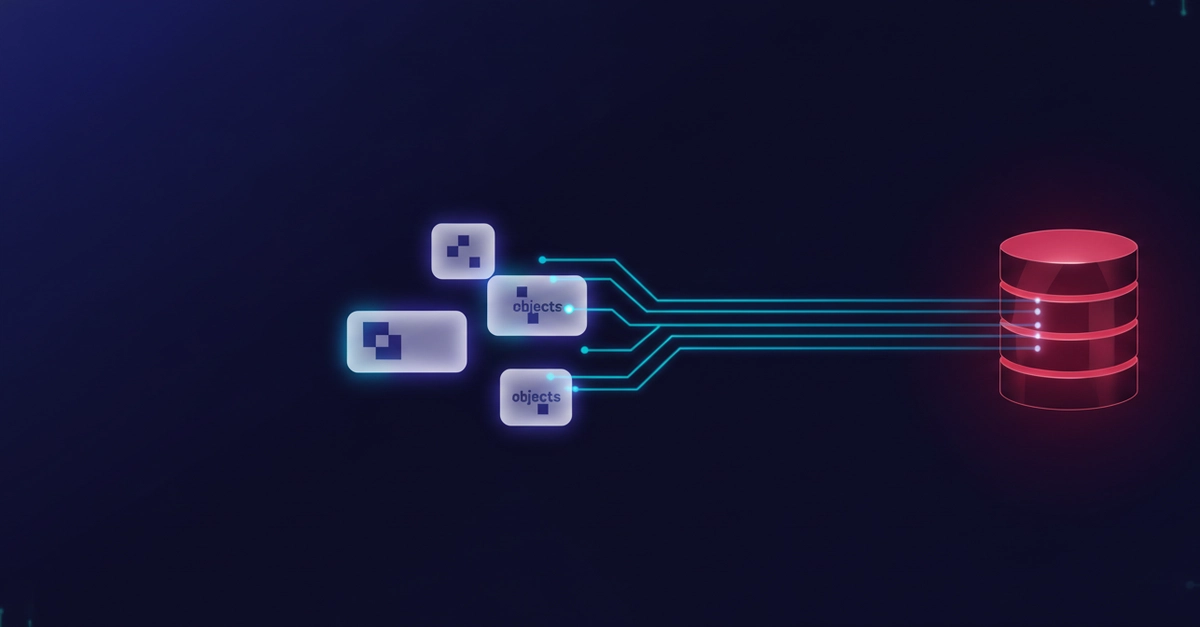
Squirix 0.1.0 is an early preview of a .NET distributed cache. A typed client SDK talks to a remote server over gRPC; the server owns state, routing, durability, and operational endpoints.
This is the direction I am validating in 0.1.0 — not a claim that every cache must work this way. Embedded designs are fine for many workloads. Squirix targets a different shape: the application stays a client; the server owns the data lifecycle.
The problem with "just a cache library"
A cache library is simple until you ask who owns what. When cache logic runs inside your app process, state, memory pressure, and persistence share the app's lifecycle. That works for local acceleration (IMemoryCache), but gets ambiguous when you need shared state across instances, durability across restarts, independent health/metrics, or cluster routing.
At that point you often have an implicit server with unclear boundaries. Squirix makes the split explicit from day one.