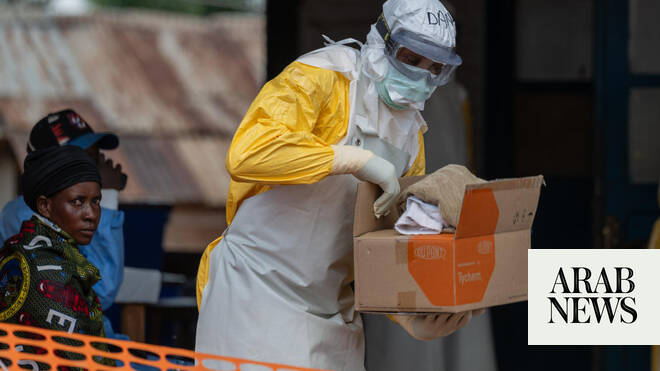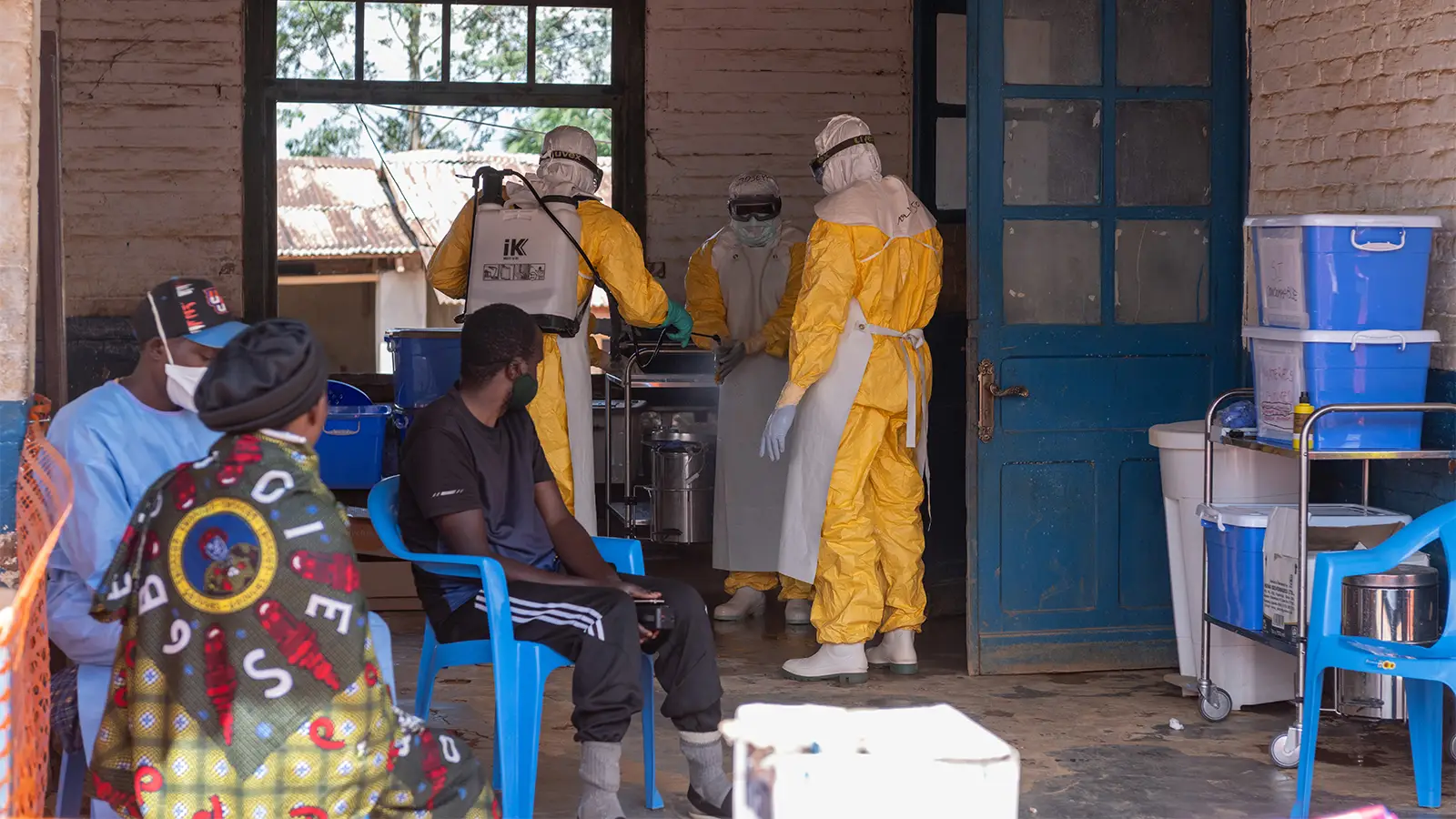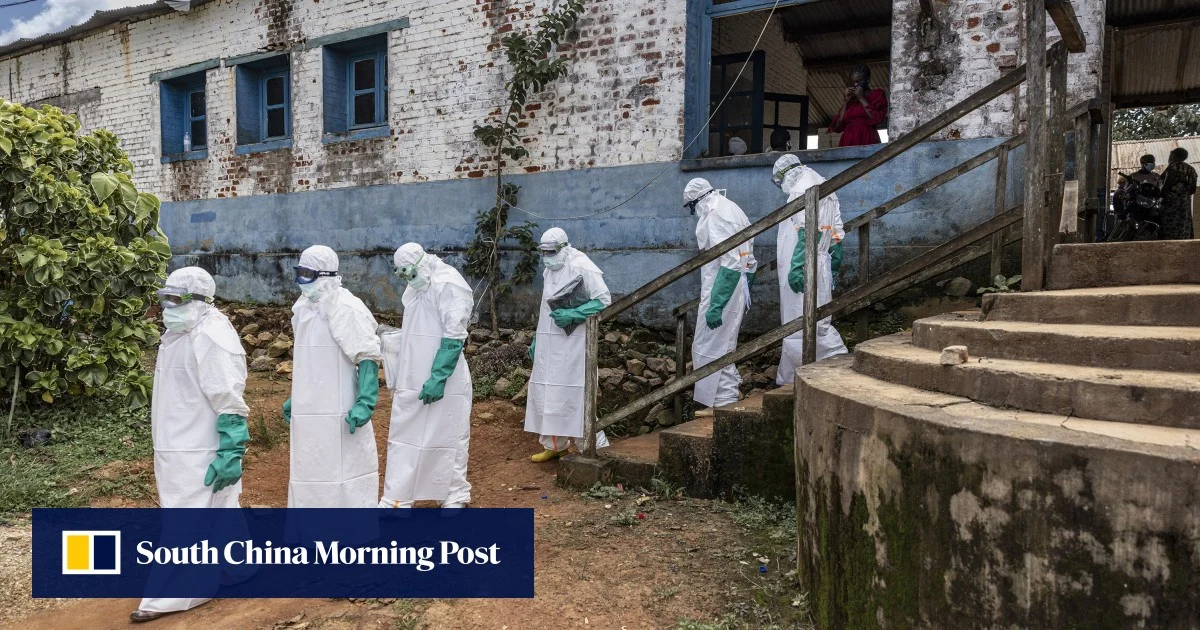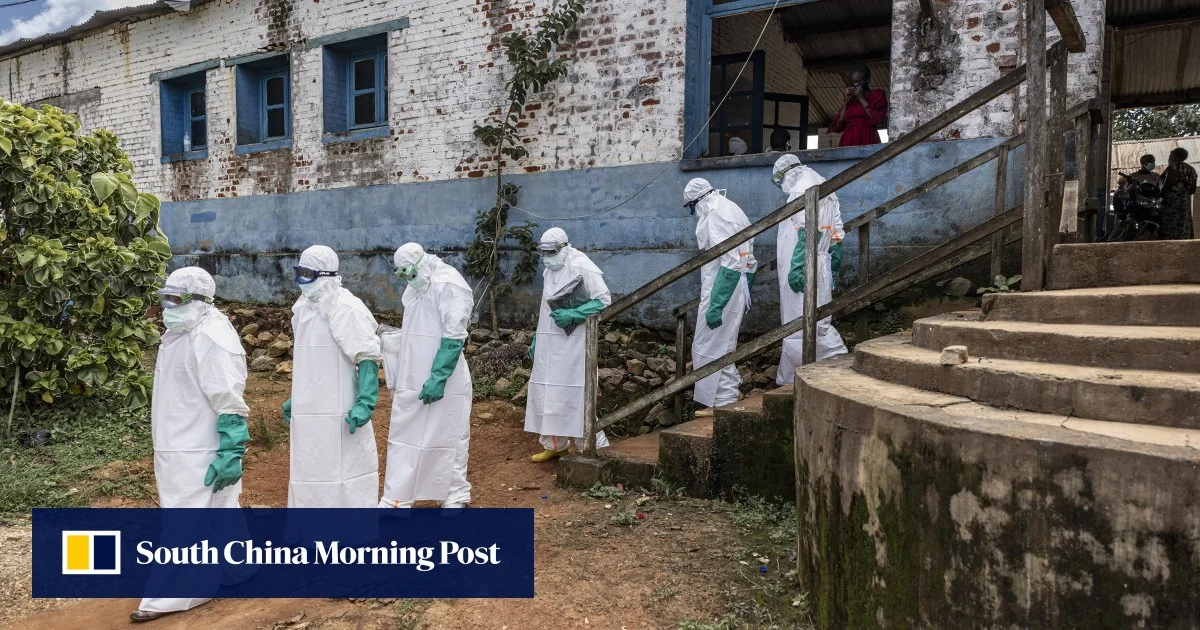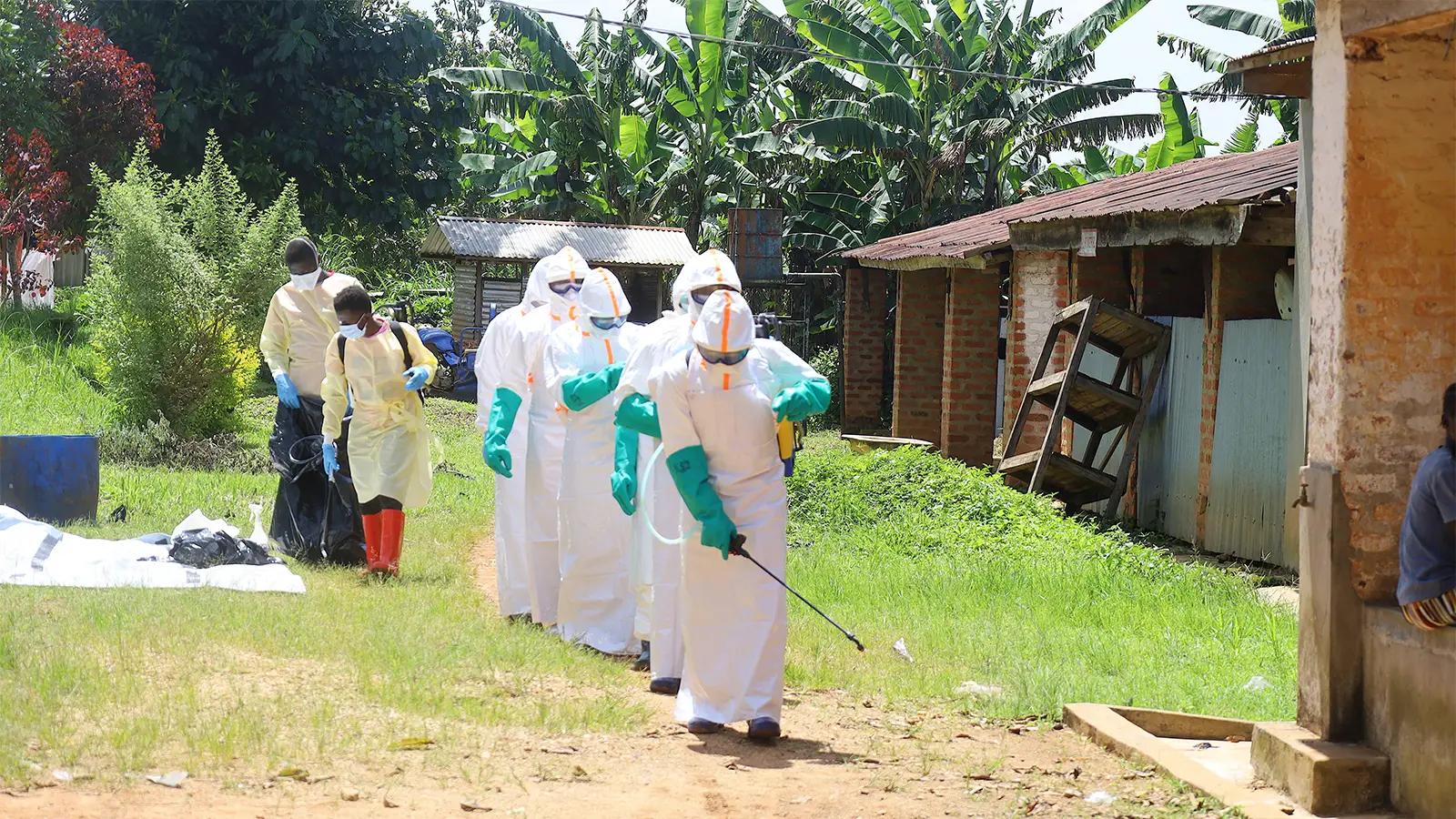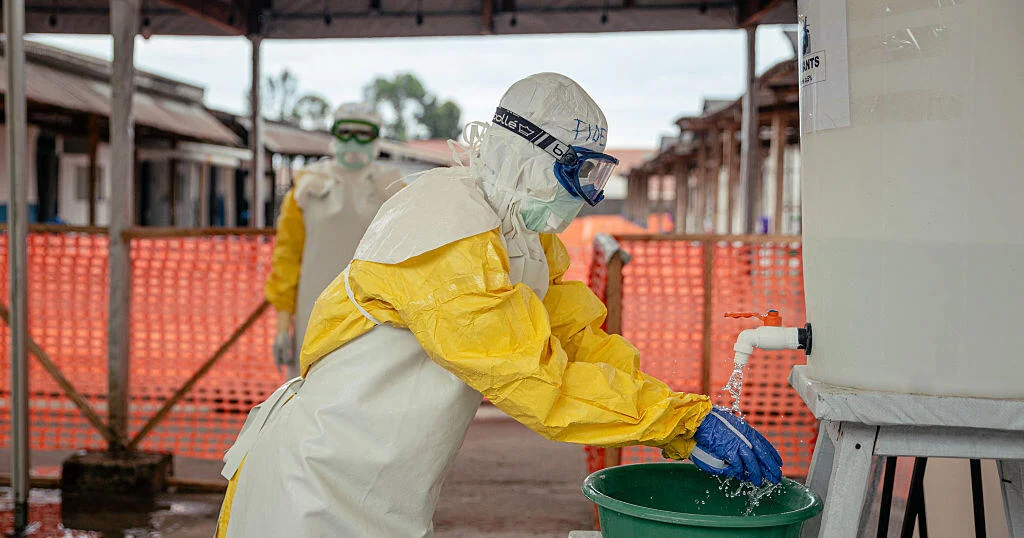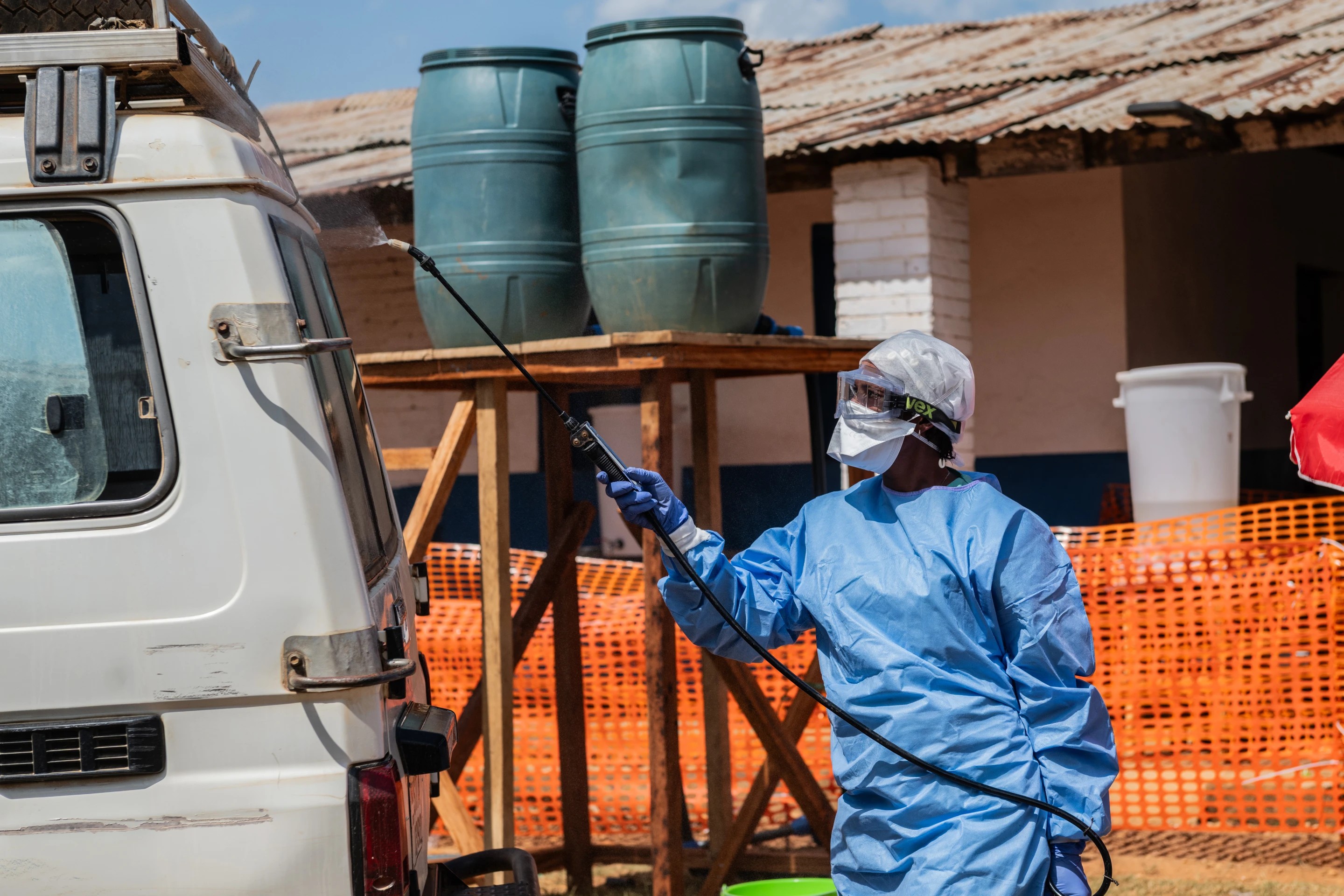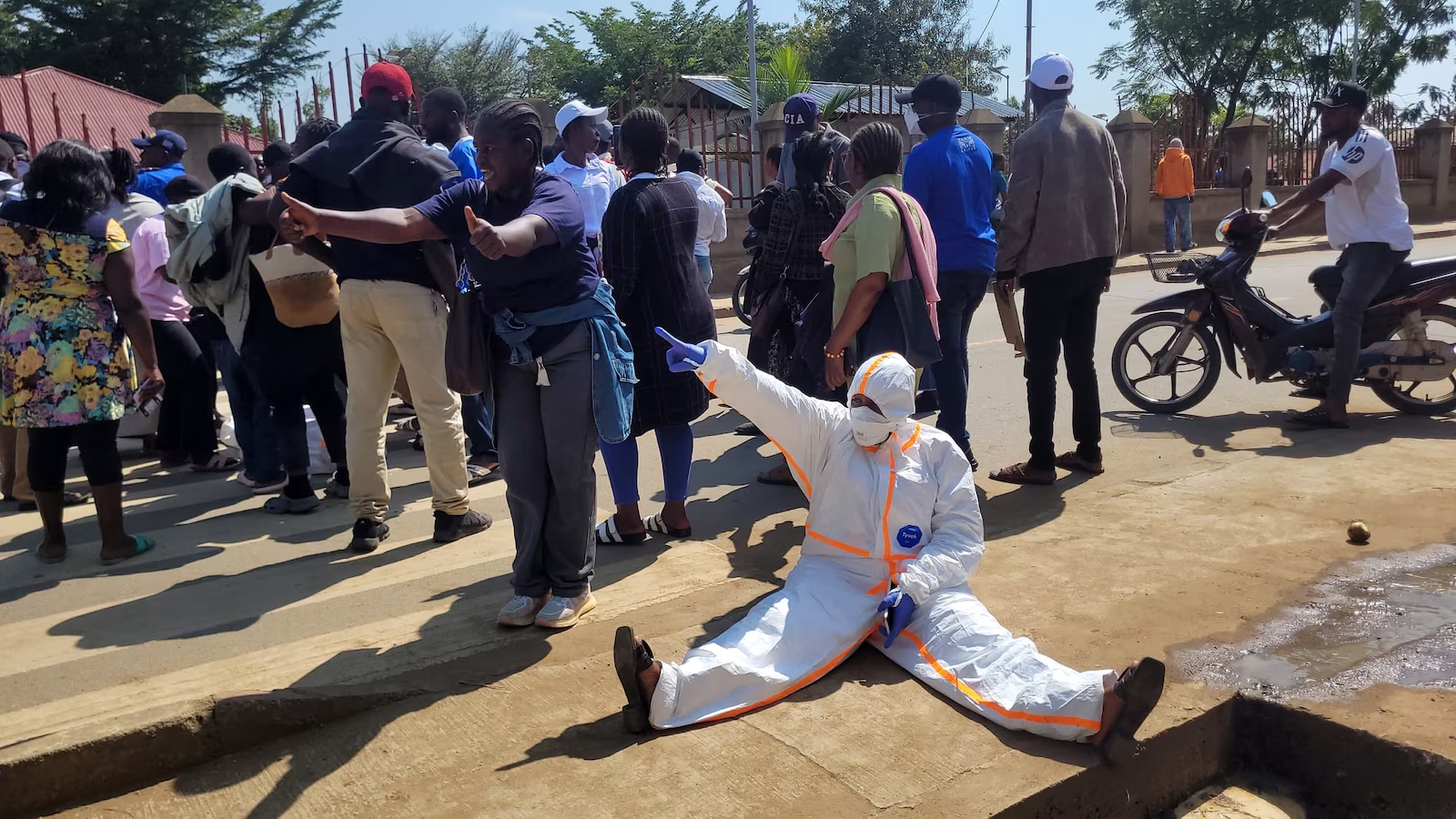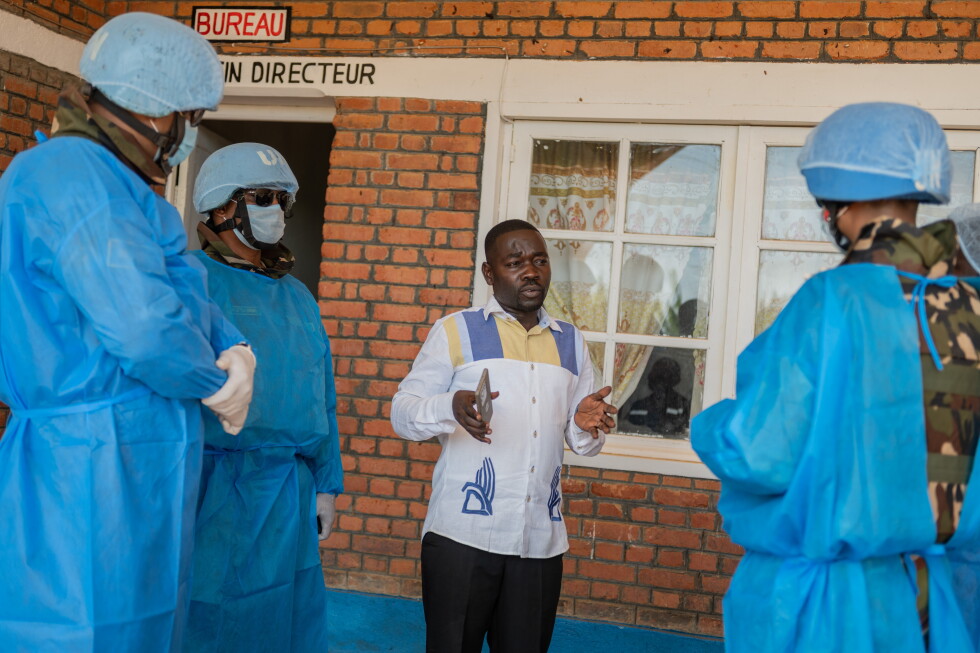
MONGBWALU, Congo (AP) — Dr. Richard Lokudu, the medical director of Mongbwalu General Referral Hospital, has received barely any compensation for his work on the front line of one of Congo’s deadliest Ebola virus outbreaks.Lokudu and several of his colleagues work all day at the hospital treating an influx of patients. Notifications of suspected cases come even late at night.“I have not received my allowance (and) what happened to others could happen to me as well,” Lokudu told The Associated Press. “Despite all the infection prevention and control measures we are implementing, we do not know what may happen.”Health authorities believe the outbreak, which took the eastern region of Congo by surprise after spreading silently for weeks without detection, started in the bustling mining area of Mongbwalu in Ituri province.
Mining conditions conducive to virus spreadMongbwalu has emerged as the epicenter of the rare Bundibugyo type. The town attracts large numbers of laborers who work in large gold mines with muddy pools of gold deposits, narrow pits and caves. They live in low-income areas including crowded camps and have little access to proper health protocols.The conditions increase the possibility of transmitting the disease, which spreads through close contact with bodily fluids of the sick and deceased such as sweat, blood, feces and vomit.There also has been widespread skepticism regarding the disease, making the job of medical treatment more difficult for Lokudu and his colleagues, while some of the health workers and first responders have died from the disease.