Audio By Vocalize
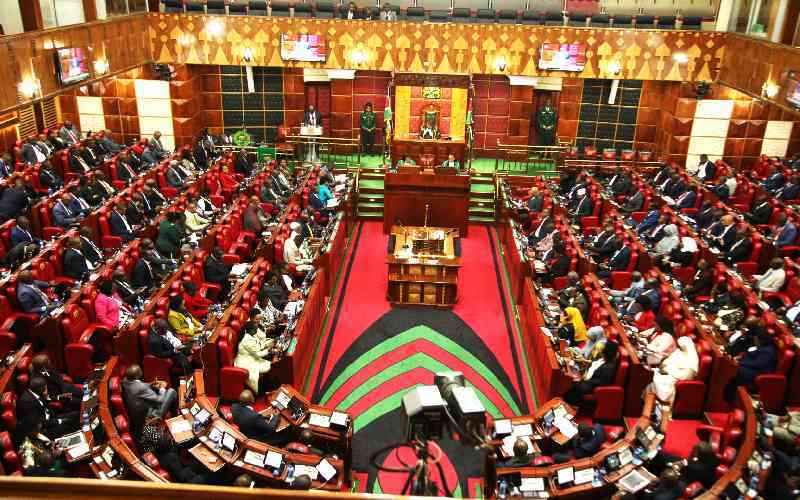
The High Court’s decision to reject an advisory by former CJ David Maraga recommending dissolution of Parliament over failure to implement the two-thirds gender rule raises a persistent question: why does a clear constitutional promise remain so difficult to fulfil?
In its ruling, the court reaffirmed that Parliament bears a continuing constitutional obligation to enact legislation giving effect to the principle, but set aside the 2020 advisory because it could not operate as a binding mechanism for dissolving the House.
At the heart of the matter is Article 81(b) of the Constitution, which requires that not more than two-thirds of elective and appointive bodies be of the same gender. This provision, reinforced by Articles 27 and 100, was designed to address historical exclusion and guarantee equitable representation in governance.
Yet more than a decade after promulgation of the 2010 Constitution, full compliance remains elusive. The recent ruling forms part of a long and complex jurisprudential history. The court noted that Parliament has attempted to implement the constitutional requirement, including through constitutional amendment proposals that ultimately failed due to lack of quorum or failure to meet voting thresholds.