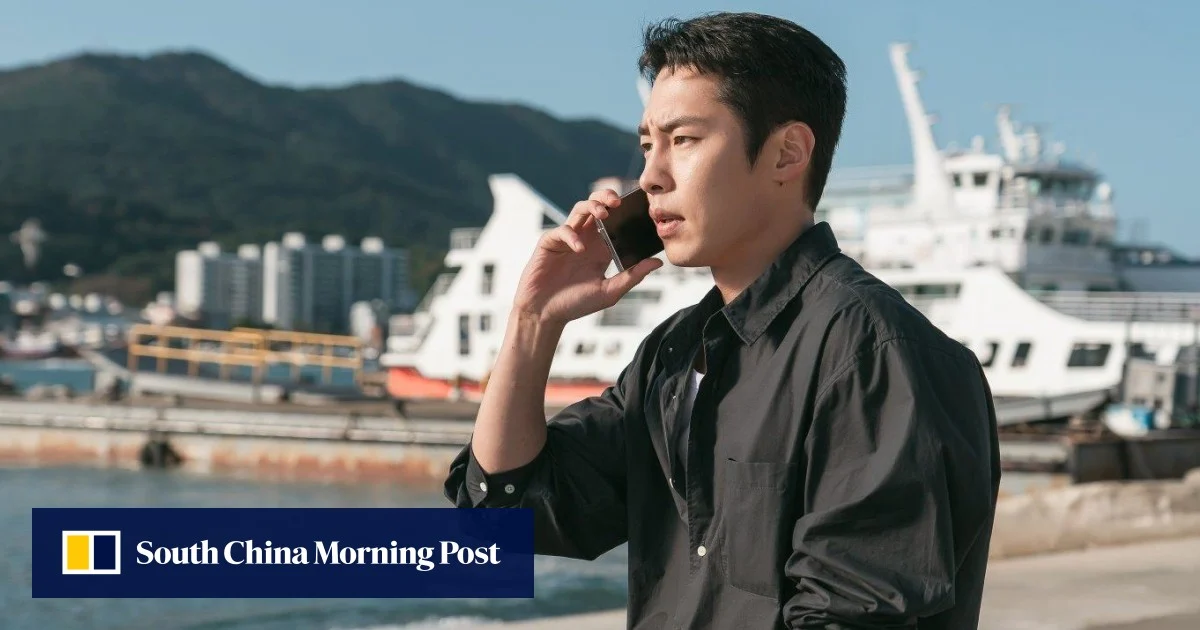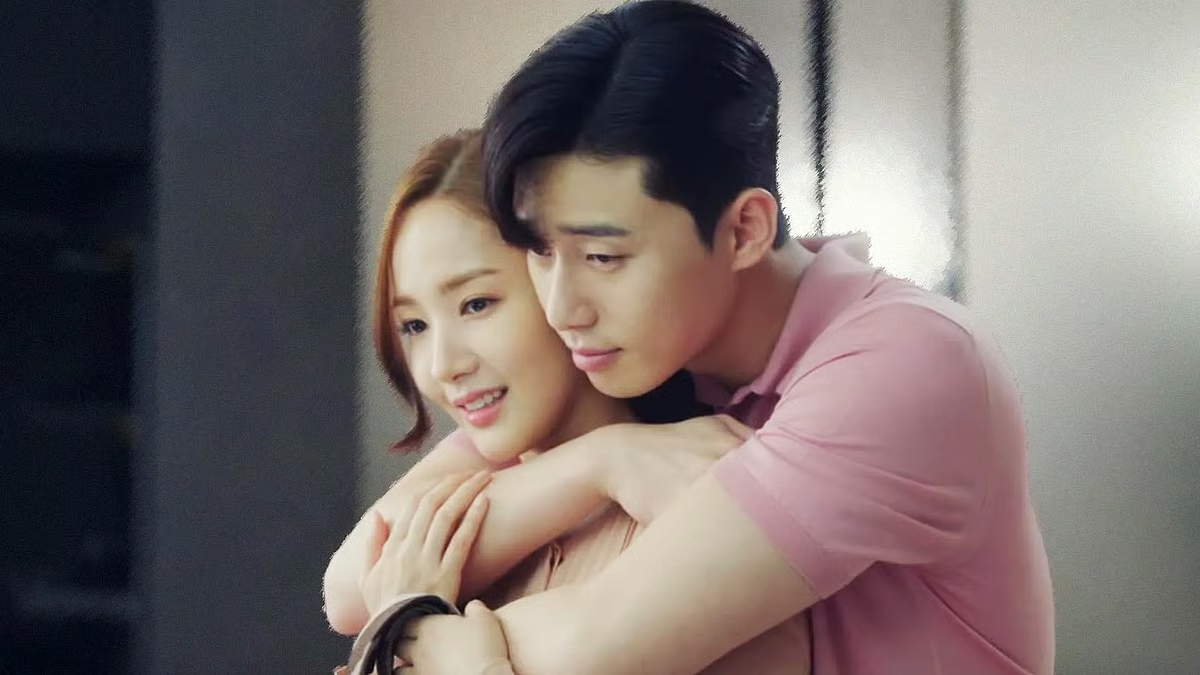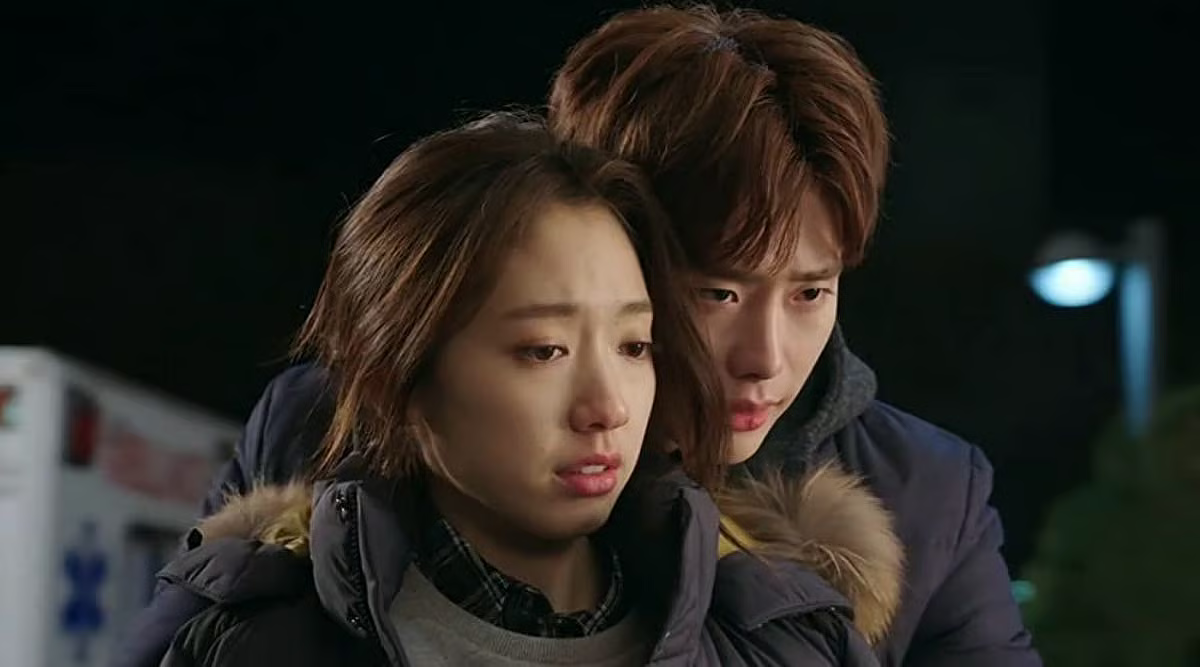
The K-drama is a rollercoaster that refuses to let you off the hookLast updated: June 07, 2026 | 08:353 MIN READFor a show named after its female protagonist's quirk, Pinocchio remains stubbornly centred on a man's suffering. Starring Lee Jong-suk, who built much of his career on revenge-driven, emotionally charged dramas, alongside the ever-reliable Park Shin-hye, this melodrama about media frenzy and scapegoats gradually veers into muddled territory.The story is packed with tragedy: Ki Ha-myeung, lives a blissful life with his parents, until his father, Ki Ho-sang, a celebrated firefighter, dies on duty. His body goes missing, and the media instantly erupts into a frenzy, and he is blamed and his reputation is smeared. The mother succumbs to depression, and in a whirlwind of events, Ha-Myeung is lost, and found by a fisherman. He has a fresh new identity as Dal Po, forms a close bond with the granddaughter Choi In-ha, only to realise, of course, that she is the estranged daughter of the reporter who damaged his father’s reputation. So, eventually, they decide to become reporters, harbouring different ambitions. In-ha, who hiccups when she lies, wishes to be like her mother, and Dal-Po, just wishes to bring her mother down. From then on, it’s a tale of tormented love and burning revenge, as Dal Po becomes a reporter along with In-ha to bring his father to justice. Their journey to becoming empathetic journalists is engaging to watch. The process is raw and grimy, but our protagonists don’t back down.As Korean dramas are known for their meticulous portrayals of professional life, Pinocchio immerses viewers in the realities of reporting. We watch the pair stake out grimy police stations, chase leads and experience the thrill of landing their first big story, only for that excitement to be tempered by the tragedy at its centre. Meanwhile, their romance begins to blossom, before faltering when In-ha discovers the true motive behind Dal-po's career choice.Till Episode 12, the series, even if loud and melodramatic—as melodramatic as you would expect a pre-2016 K-Drama to be—is a solid watch. It builds up Dal-po and In-ha’s career arcs well, the gruelling interviews and media processes, and drives home the idea of sensationalism, isn’t journalism. The story about corrupt media houses is uncomfortable and messy at first. However, soon after, the voice of the storyline becomes a tad garbled—and the weight of the show crumbles under its own storylines. The messaging becomes as subtle as a foghorn. The mother isn’t the sole villain; there’s another evil woman at hand, of course. The show is suddenly filled with diabolic people and ideas, weighing it down. And then there’s the problem of Park Shin-hye-s In-ha’s role being reduced further and further along the way, almost microscopic as her dialogues turn contrived and into stock cliches. She becomes a woman who is just trying to make her boyfriend happy. And if she can around with bloodied feet for him, she will. As the series progresses, it’s clear that she exists solely to further his story, and even puts up with his dismissive behaviour, because she somehow feels responsible. Maybe her falling for the hapless, yet benign second lead Seo Beom-jo wouldn’t have been such a bad idea. The romance loses its verve by the second half of the series, and 20 episodes soon becomes a long, grudging test of your patience. Nevertheless, some scenes do hit hard. The relationship between Dal-po and his adopted father is one of the redeeming qualities of the show. After saving Dal-po, the elder man assumes it was his son who had died years earlier. In a rather painful scene, Dal-po learns that his father always knew. But he just couldn’t let go, because he was too fond of him. It’s a scene of silence, and tears just fall. Pinocchio is a riveting, fun, and loud ride, until it isn’t. It’s the rollercoaster that just keeps going, even though you said that you would like to get off. Also In This PackageLakshana is an entertainment and lifestyle journalist with over a decade of experience. She covers a wide range of stories—from community and health to mental health and inspiring people features.
K-Drama Rewind, Pinocchio: Lee Jong-suk and Park Shin-hye’s messy romance hits plenty of emotional hiccups
The K-drama is a rollercoaster that refuses to let you off the hook
719 words~3 min read