Transitioning from a traditional Web2 background into the blockchain space can feel daunting, but completing days 29 through 33 of the Solana 100 Days Challenge completely shifted my perspective. On Solana, digital assets are deployed using the Solana Program Library (SPL). These can be fungible assets (like standard utility tokens or stablecoins) or non-fungible tokens (NFTs). As a software engineer getting my hands dirty with Web3 architecture for the first time, seeing these building blocks click together has been incredibly exciting.
Here is my breakdown of how tokens actually function under the hood on Solana.
1. The Mint Account: The Blueprint
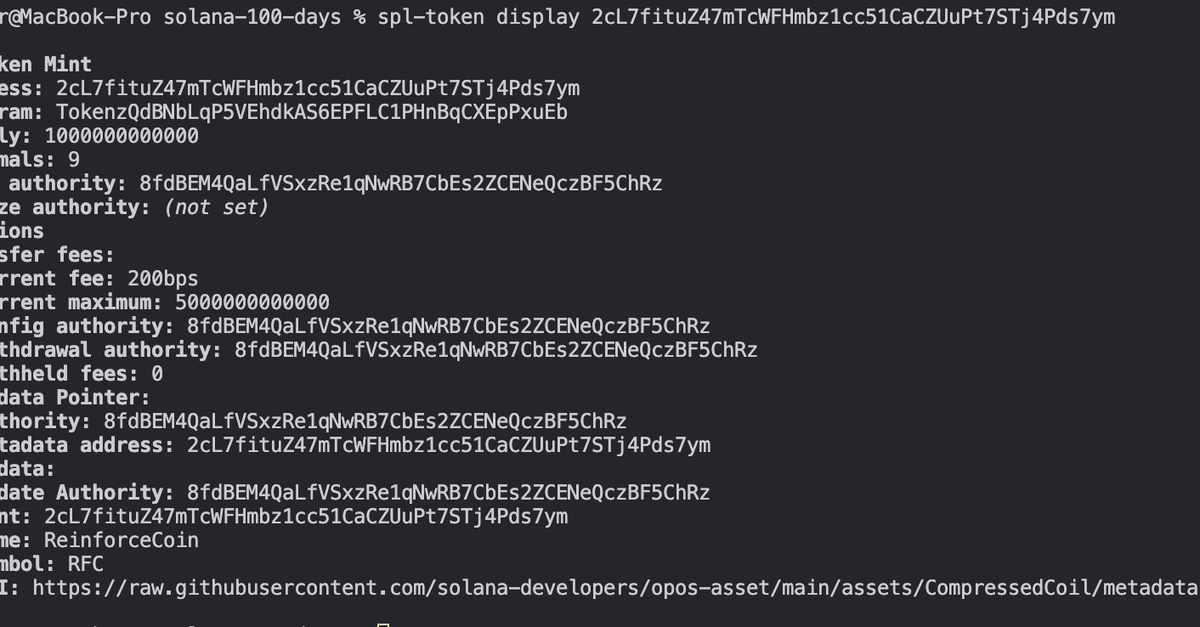
We kicked off the challenge by creating a Mint Account using the newer Token-2022 Program (also known as the Token Extension Program). If you are coming from Web2, the easiest mental model is to think of the Mint Account as a locked filing cabinet or a master blueprint. This account does not actually hold your token balance; instead, it defines the global rules for the asset, such as the total supply, the number of decimals, and the authorized public keys allowed to mint or freeze the tokens.
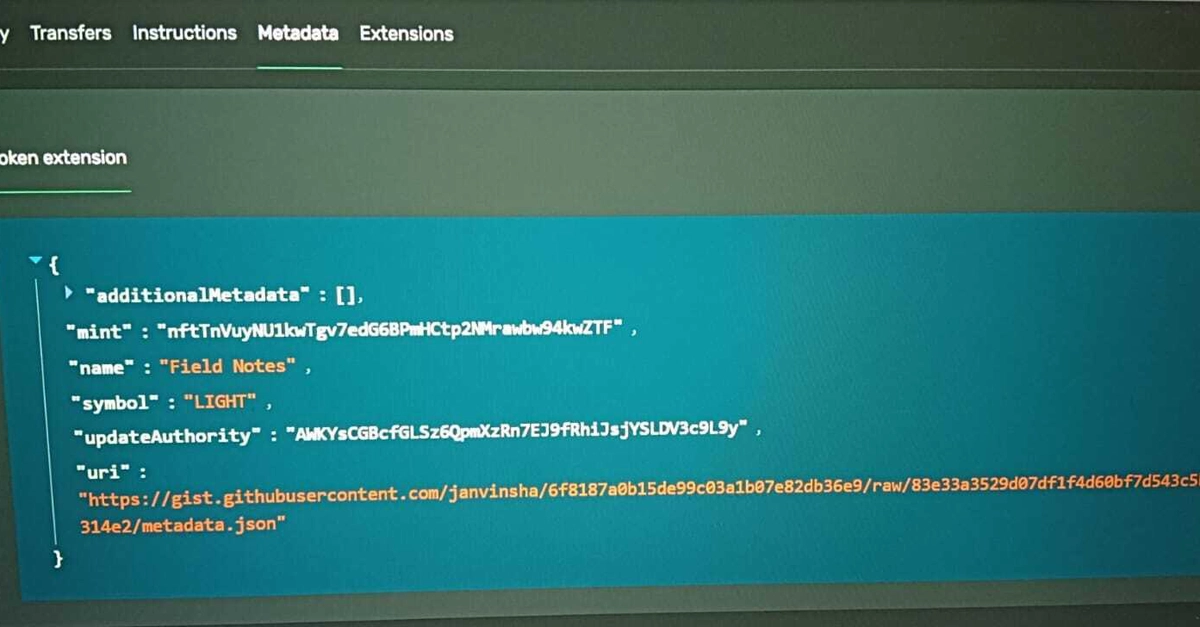
By leveraging Token Extensions, we can natively bake metadata (like the token name, symbol, description, and image URI) directly into the mint initialization transaction.