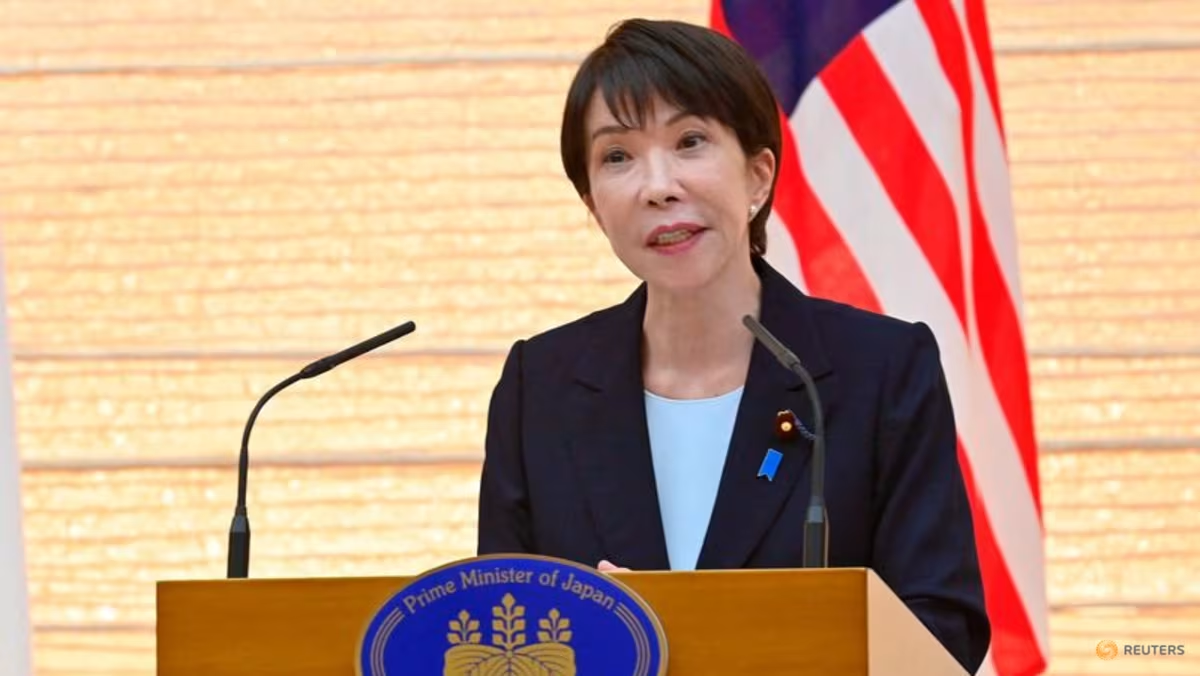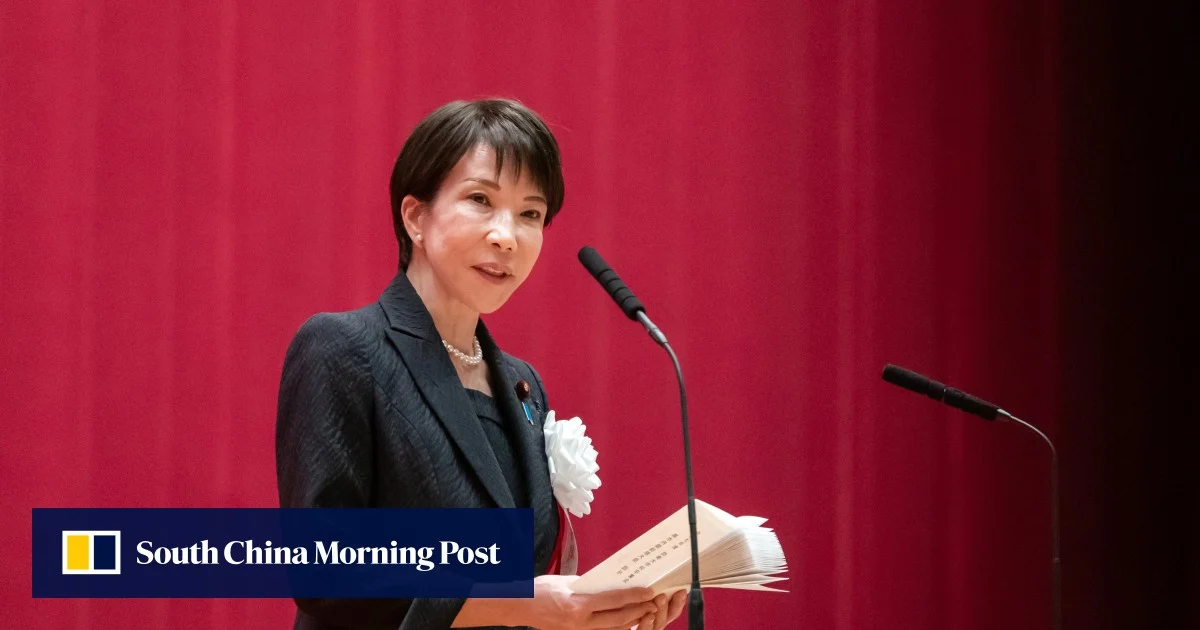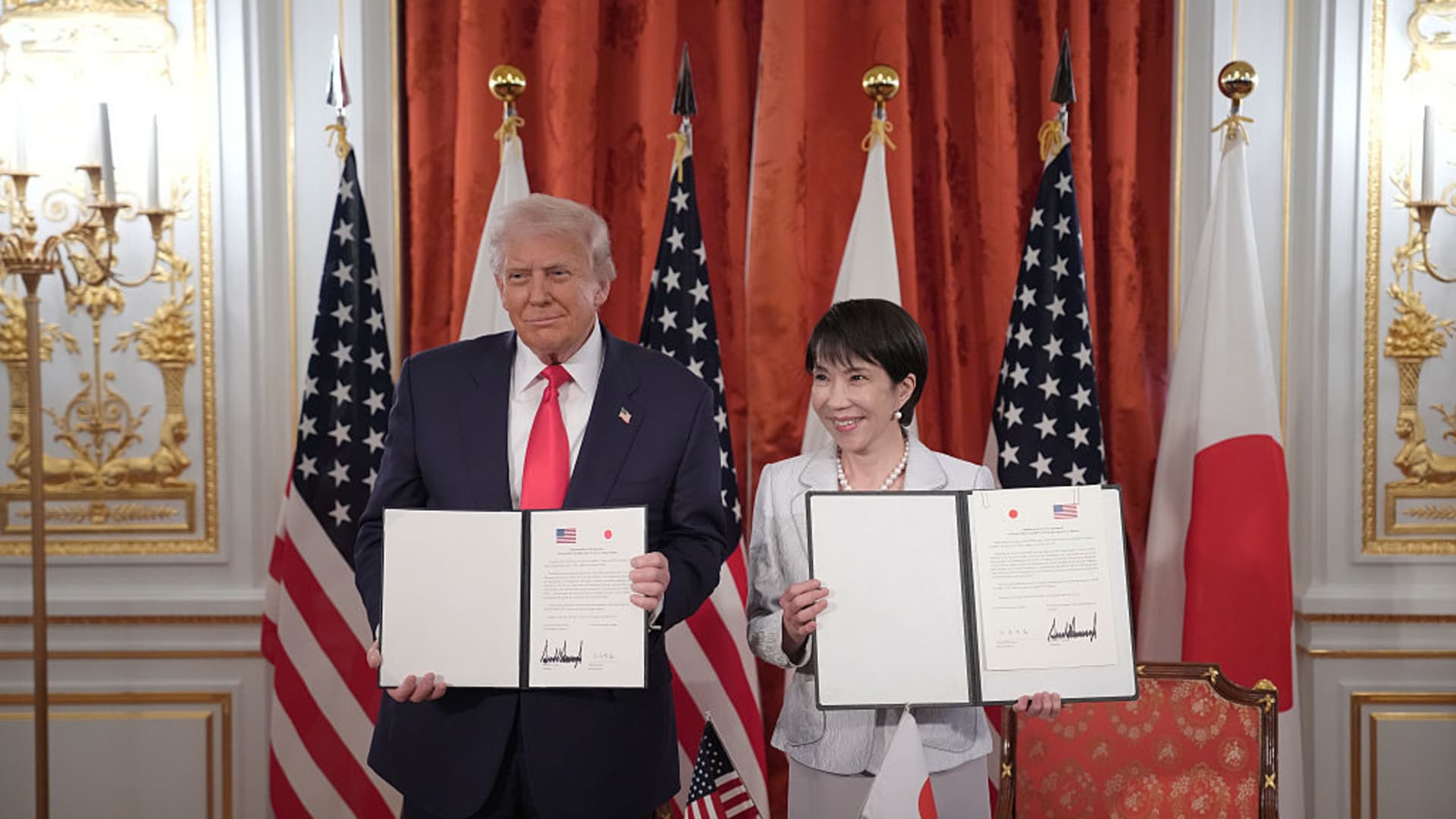
There’s no end in sight for the US-Israeli war on Iran, and the dark clouds of the resultant oil supply shock are casting a pall over the world economy. However, the Japanese government appears to be refusing to acknowledge these anxieties, instead demanding that the Japanese public continue to go about their lives as if nothing out of the ordinary is happening. Japan appears to have no intention of implementing resource conservation measures to counter war-driven supply shocks; instead, it has only decided to provide subsidies for gasoline and diesel. Meanwhile, shortages in petrol-related products are negatively affecting various economic sectors. Those who have spoken out about this crisis are often bombarded with online hate and attacks from supporters of Japanese Prime Minister Sanae Takaichi. Towards the end of WWII, the Japanese government spread false information to the Japanese public, despite the fact that it was evident that it was going to lose the war. Such information stemmed from the announcements made by the Imperial General Headquarters. The Takaichi government is continuing that tradition of issuing dubious official announcements with the current oil crisis. This explains why the support for the Takaichi government remains in the 60% range, even though many are demanding that it issue measures to combat inflation. The government has another goal it hopes to achieve with these dubious announcements. Instead of focusing on policies that would better the lives of the public, it seems to be prioritizing policies that revolve around statism and authoritarianism. It would not be going too far if we said that it was attempting to overhaul Japan as a nation. The ruling Liberal Democratic Party is angling to amend the Imperial Household Law to safeguard the imperial line of succession. Traditionally, only men from the Japanese royal family could become emperor. However, the reigning Japanese emperor, Naruhito, and his younger brother Fumihito, the crown prince, only have one male heir between them. Opinion polls indicate that the majority of the Japanese people are ready to accept a Japanese empress. However, Takaichi’s LDP and other conservative parties are attempting to protect the patriarchy by nipping any possibility of a Japanese empress in the bud. The core of the proposed amendment to the Imperial Household Law is to allow a male member of the distant branch of the old imperial family to be adopted into the current imperial family. In general, the legitimacy of the royal family lies in its bloodline. Emperor Emeritus Akihito, the father of the current Japanese emperor, frequently displayed his support of constitutional beliefs and Japan’s pursuit of peace following WWII, enhancing the royal family's standing with the public. The public is not on board with the abrupt attempt to ignore that history and reconfigure the Japanese imperial system to the prewar dogma in which men are seen as superior to women. In addition, the main topic of discussions over possible amendments to the constitution is the proposal to create an emergency clause that would go into effect in times of crisis. The LDP proposed an amendment that would extend lawmakers’ terms of office in the event of an emergency situation such as a war or pandemic and also allow the government to issue an emergency ordinance that would have the legal legitimacy of laws in times of emergencies. However, current laws, including the Basic Act on Disaster Management, already endow the government with strong powers during such emergencies. The proposed constitutional amendment also includes a clause that would allow members of the House of Councillors to operate parliament without members of the House of Representatives. This basically allows the government to wield extravagant power when faced with “emergency” situations, and to condone the prolonged terms of lawmakers. Proponents of constitutional reform claim that a new constitution should be made, one that befits Japan’s long-standing traditions. However, the current constitution, which was established more than 80 years ago, is already “traditional” in the eyes of the Japanese public. Their push for constitutional revision is not a practical response to the challenges facing Japan, but rather an ideological pursuit that treats constitutional change as an end in itself. During the last House of Representatives election, Takaichi declared that she wanted to “resolutely take up challenges that include bold policies and reforms that could split public opinion,” but failed to specify what those challenges were. However, now that the House of Representatives has secured the two-thirds majority required to propose a constitutional amendment — though the House of Councillors has not yet met the same majority — she is putting all her efforts into revising the constitution and the Imperial Household Law. Far from uniting the country, her actions are deepening the divide between the will of the Japanese people and the will of the government and ruling party.
[Column] Takaichi is putting Japan’s constitution in crisis
Rather than address pressing issues affecting the Japanese public like the oil supply shock, Takaichi and her party are pushing for ideologically grounded amendments to the constitution
797 words~4 min read