Introduction to the IPv6 Adventure: Why the Hype?
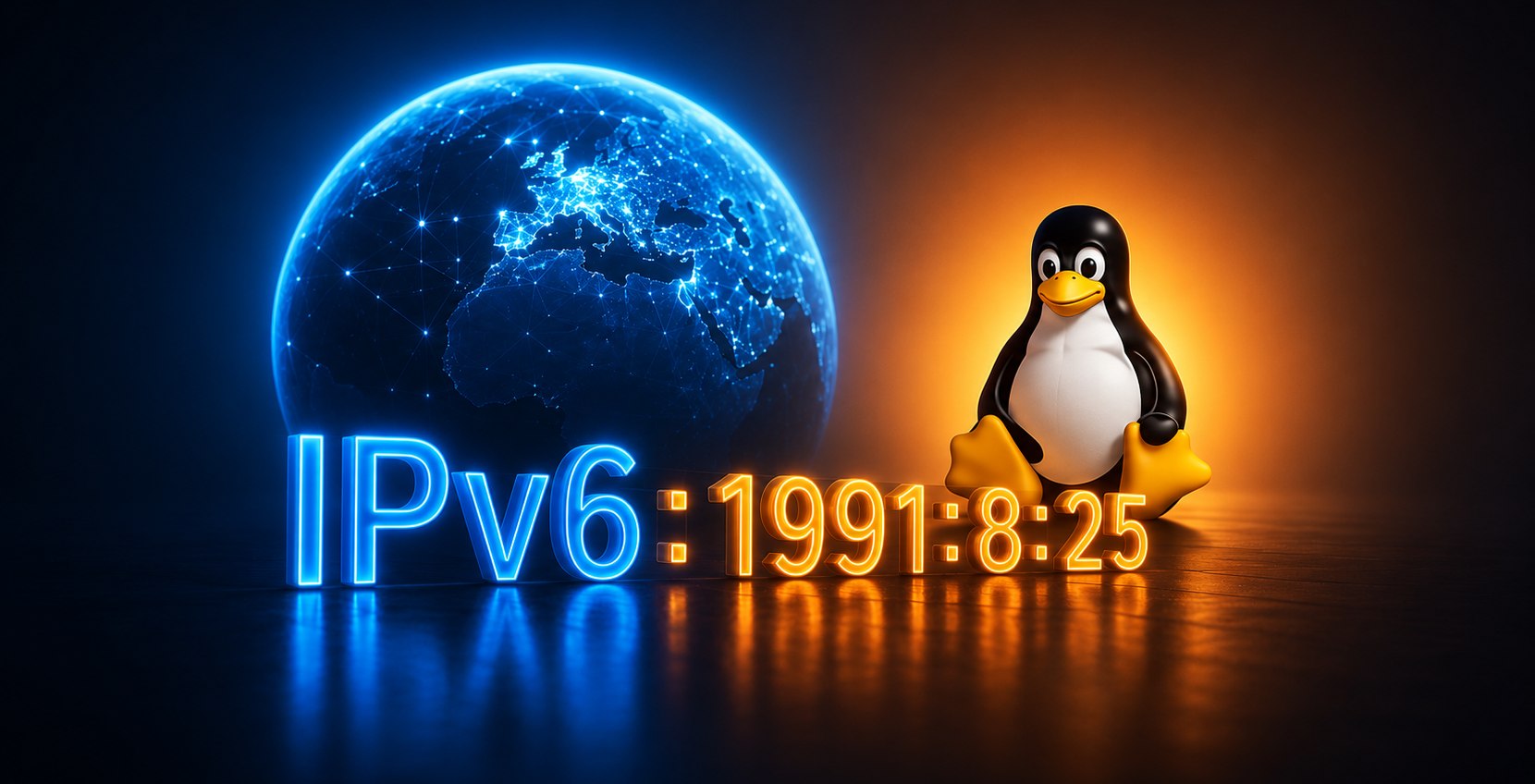
In recent years, one of the most talked-about topics in the networking world is undoubtedly IPv6. The new version of the Internet Protocol is presented as a solution to the address exhaustion problem of IPv4. Although IPv4 addresses are still available, their complete exhaustion seems inevitable one day. This situation brings along important questions, especially for individuals in the "indie hacker" ecosystem who, like me, tinker with their own projects: How critical is transitioning to IPv6 really for our solo projects? Is this transition just a "useless struggle" for us, or is it a strategic investment for the future?
In this post, going beyond large corporate networks, I will put our solo projects and small-scale operations at the center. Without drowning in the technical details of IPv6, I will examine the practical benefits, costs, and whether we actually need this transition from an "indie hacker" perspective. As someone who manages his own servers and keeps his projects live, I will share my observations and experiences on this matter.
The Limits of IPv4 and the Promises of IPv6: A Technical Look
The fundamental problem with IPv4 is that it can only offer about 4.3 billion unique addresses. Although this number seemed sufficient in the early days of the internet, it has become inadequate with billions of devices connecting to the internet today. This is where IPv6 comes into play, providing an astronomical number of addresses with its 128-bit address structure: approximately 3.4 x 10^38. This is a number even larger than the number of sand grains in the universe.