Story audio is generated using AI
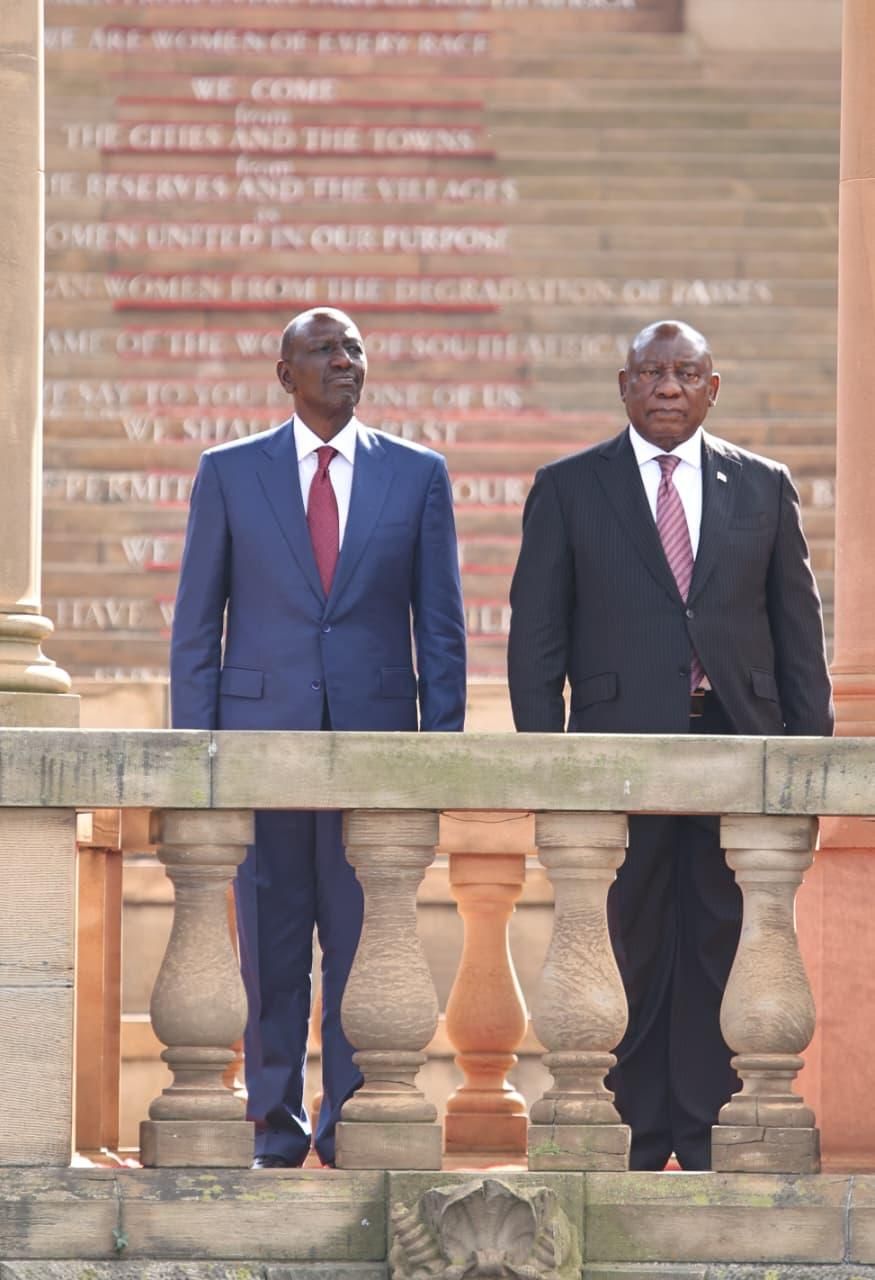
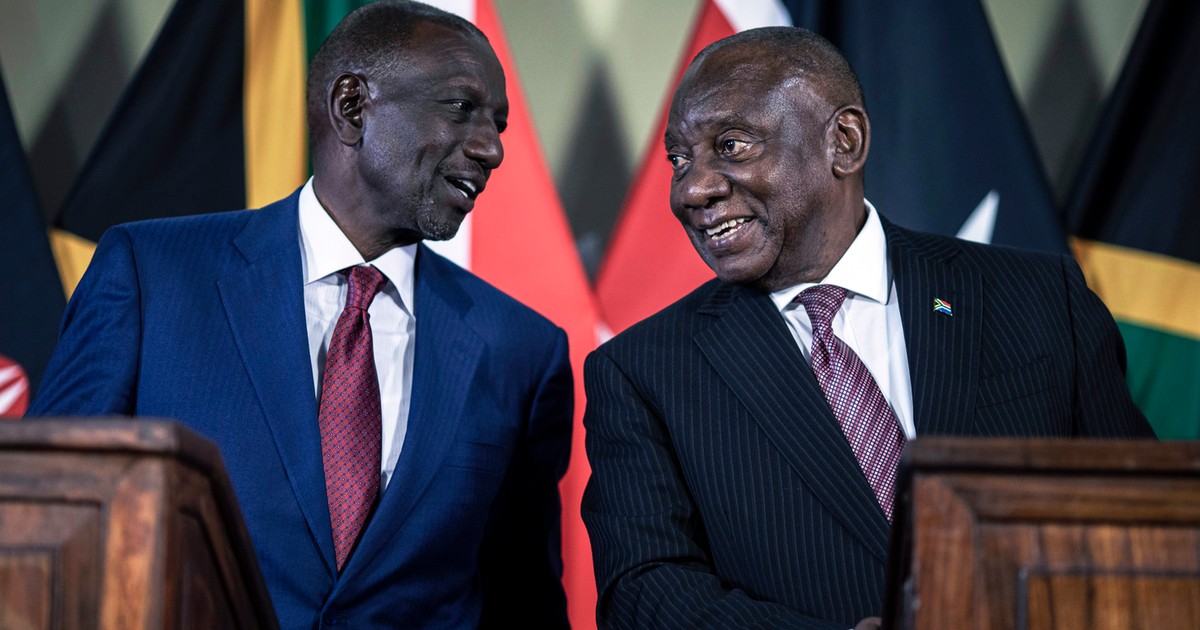
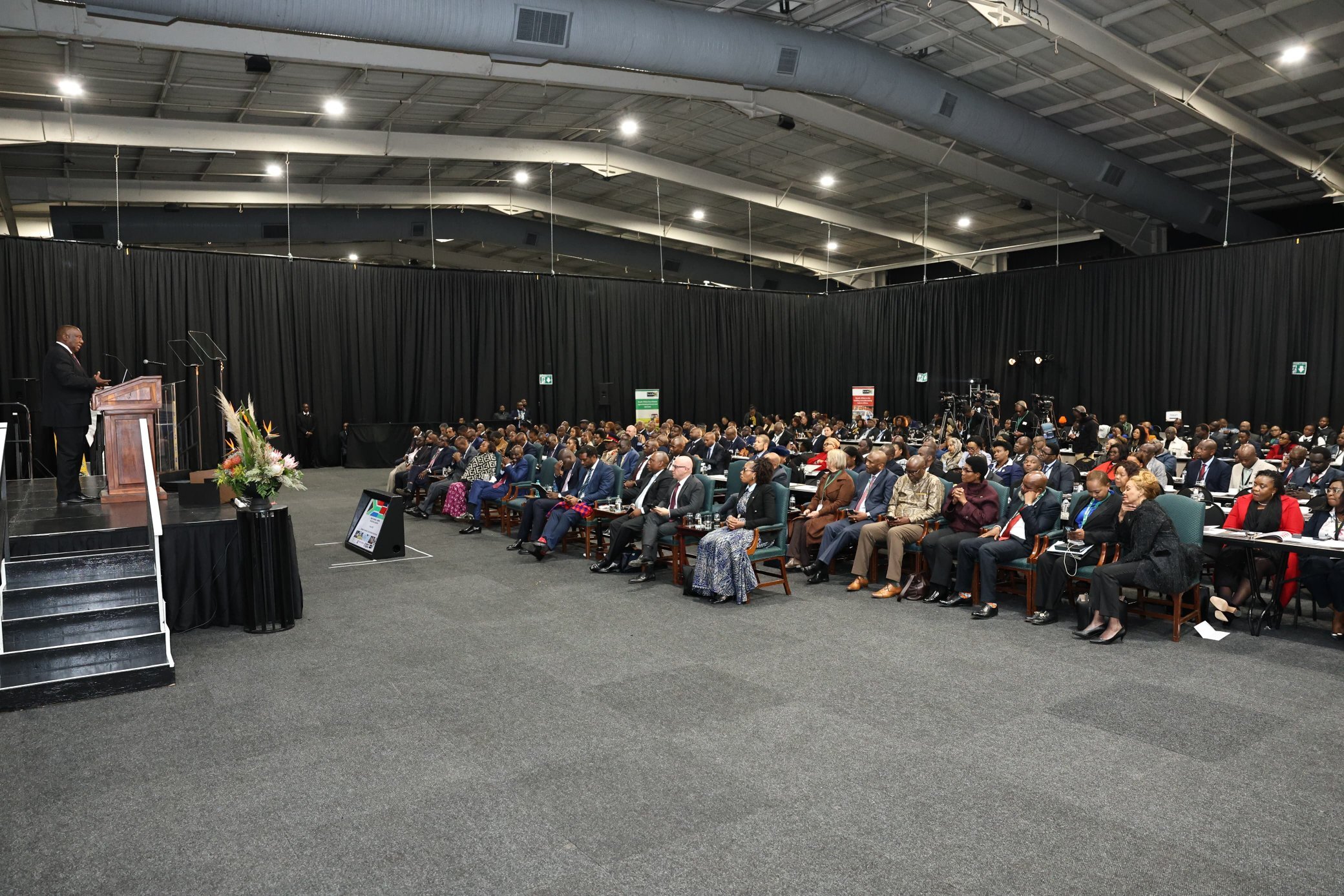
Macroeconomic stabilisation and regional growth ambitions are beginning to align in Kenya, which has emerged as one of the most strategic entry points into East and Central Africa, presenting a significant opportunity for South African businesses seeking regional expansion. As the largest economy in the East African Community and a key commercial hub, Kenya provides access not only to its own market of more than 50-million people but also to a much larger regional consumer base. Its position on the Indian Ocean makes it a gateway to several landlocked economies, including Uganda, Rwanda, Burundi, South Sudan and parts of the Democratic Republic of the Congo. Businesses establishing a presence in Kenya are often able to leverage the country as a regional headquarters from which to serve multiple high-growth markets.President William Ruto’s state visit to South Africa on Thursday expanded both diplomatic relations between the two nations as well economic possibilities. For South African CEOs and investors, Kenya and East Africa offer scalable African opportunities with strong economic fundamentals. Beyond its traditional strengths in agriculture, tourism and trade, Kenya has evolved into what is widely known as Africa’s “Silicon Savannah”. While the country earned global recognition for pioneering mobile money through M-Pesa, its technology ecosystem has matured far beyond digital payments. Nairobi has become one of Africa’s leading technology and innovation hubsKenya is now home to a thriving innovation economy encompassing fintech, AI, digital commerce, health technology, agritech, climate technology and enterprise software. Supported by a young, highly educated workforce, increasing venture capital investment and strong digital infrastructure, Nairobi has become one of Africa’s leading technology and innovation hubs. For South African businesses, this creates opportunities not only to access new customers but also to partner with innovative local firms and participate in shaping the next phase of Africa’s economic and technological development.The broader region is entering a period of accelerated economic transformation. Uganda is poised for substantial growth as major oil developments move toward production, creating opportunities across energy, engineering, construction, financial services, logistics and professional services. Similar growth dynamics are unfolding in Rwanda, Tanzania and other neighbouring markets.A critical component of Kenya’s attractiveness is Mombasa, one of Africa’s most important maritime gateways. The port serves as the primary trade corridor for much of East and Central Africa and is supported by investments in transport infrastructure, including highways, rail links, logistics parks, and inland container depots. These connections enable efficient movement of goods, making Kenya a natural distribution and supply-chain hub.Kenya in 2026 presents a sounder macroeconomic proposition than it did two years ago. Moody’s has lifted its credit rating; Kenya offers a stable exchange rate, a functioning foreign exchange market with ample liquidity, record-high foreign exchange reserves at $13.2bn (R215bn) and progressively re-emerging capital markets. Economic growth has remained resilient, with GDP expanding 4.6% in 2025 and expectations of gradual recovery above 5% in the medium term. More than 60 South African companies operate in Kenya, with investments in various sectors of the economy. This state visit should spur scaling of South African businesses operating in Kenya into the hundredsKenyan authorities have lowered fiscal risks through proactive liability management of commercial debt and reprofiling part of the country’s bilateral debt, materially improving the debt sustainability outlook. For investors, this is important as macroeconomic stabilisation lowers the noise around execution and makes it easier to endorse medium- to long-term exposure. More than 60 South African companies operate in Kenya, with investments in various sectors of the economy. This state visit should spur scaling of South African businesses operating in Kenya into the hundreds. Trade between South Africa and Kenya grew from R9.3bn in 2016 to R10.5bn in 2025, according to the department of trade, industry & competition. Yet the relationship remains light relative to potential and tilts decisively towards South African exports. The strategic opportunity in this visit lies in reducing regulatory friction, widening market access for both sides and moving trade from occasional transactions to repeatable business. Kenya has embarked on a plan to invest an estimated $39bn to expand its infrastructure, including highway upgrades, completing a legacy railway project and redeveloping airports. The government has made it clear that public-private partnerships are the approach it will use. This visit will allow business leaders to engage with both the Kenyan government and private sector operators on these endeavours. South Africa and Kenya are anchor democracies and anchor markets for Southern and East Africa. For companies building regional value chains, that matters. For institutional investors looking at continental deployment, it matters even more. In an emerging multipolar era, strengthening bilateral diplomatic, economic and trade ties will ensure economic prosperity for both nations.Qureishi is head of Africa research at Standard Bank Group