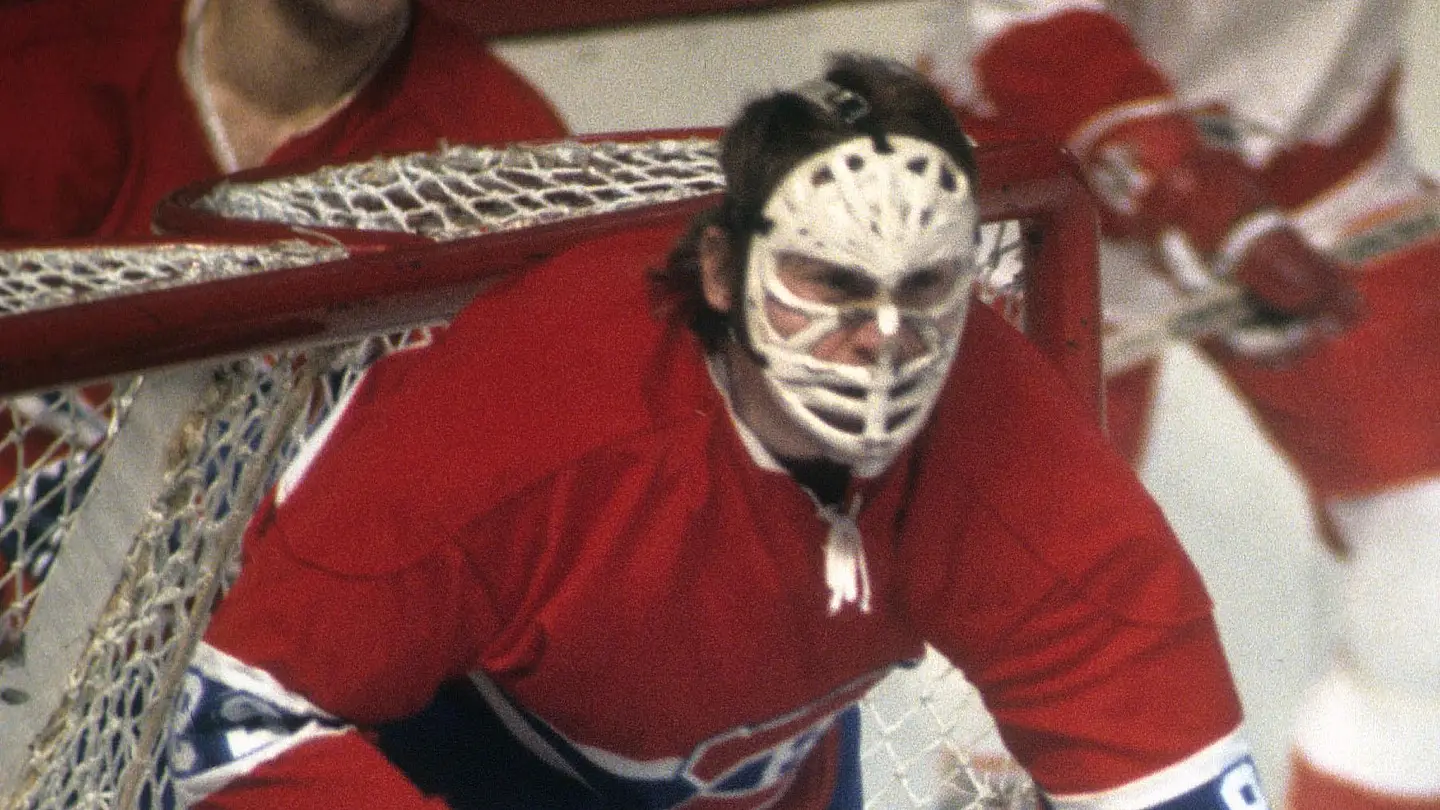
This date in Boston Bruins history is a big one for the National Hockey League franchise — not so much because of any games played or any specific accomplishments, but rather due to the impressive list of players it lost from the roster. On June 6, 1967, one day after the NHL officially announced that it would double in size by adding six new franchises, it held an expansion draft at the the Queen Elizabeth Hotel in Montreal, the same location that it held the first-ever amateur draft in 1963. Joining the league were the California Seals, Los Angeles Kings, Minnesota North Stars, Philadelphia Flyers, Pittsburgh Penguins and the St. Louis Blues, ending the Original Six era. Take a moment and think about the logistics with that just from the players' perspective alone. Essentially half of each roster had to to be relocated, and form the core of a whole new team to build around. Daunting doesn't begin to describe it. Neither does the word "butchered,' which is what happened to the Bruins, who lost a Hall of Fame player and six future All-Stars. It was a bit surprising at the time, as Boston had been out of the playoffs for eight straight years and were coming off a 17-43-10 season in 1966-67. But the Bruins had a lot of young, rising talent Things still worked out pretty well, though, as Boston had just added Bobby Orr (who wasn't eligible for the expansion draft) and won the Stanley Cup in 1970 and 1972, and reached the Final in 1974 and, 1977 and 1978. But first, we'll start with the basic format: • Each expansion team had to select 20 players (120 total), including two goaltenders and 18 skaters. The first two rounds of draft were only for goaltenders. • Teams were allowed to protect 11 players and one goaltender on their current rosters. After the first, third, fourth and seventh rounds, they could protect an additional player, and also for any subsequent players lost. Also, teams were allowed to make deals to prevent the expansion teams from selecting certain players (although they were never announced, it's believed that Montreal did so significantly). • Players coming off their first year in the league, and junior-level prospects were not eligible (there were specific guidelines to go with that but aren't especially important for our purposes). The Bruins initially protected goaltender Gerry Cheevers, along with Don Awrey, John Bucyk, Gary Doak, Phil Esposito, Ted Green, Ken Hodge, John McKenzie, Eddie Shack , Fred Stanfield, Ed Westfall and Tom Williams. Among the players who the Bruins were able also protect as the expansion draft progressed included Dallas Smith, Wayne Cashman, Eddie Johnston, Jean Pronovost, Ron Murphy, Glen Sather and Bob Leiter.Rounds 3-6The Bruins were ignored in the third round, when the first skaters were selected, but then lost two future All-Star defensemen with Joe Watson to the Flyers in the fourth round (No. 21), and Bob Woytowich to the North Stars in the fifth (No. 26). Watson spent most of his career in Philadelphia, which spanned 835 games, but is best known for scoring a shorthanded goal against Vladislav Tretiak agains the Soviet Red Army team in 1976. Woytowich had a long career that went from 1962-78, including 503 NHL games and 242 in the WHA. Round 7 There was a minor raid on Bruins players with defenseman Poul Popiel going to the Kings at No, 37, right wing Wayne Connelly to the North Stars at No. 38, and center Ron Schock to the Blues at No. 42. Popiel was the first Danish-born player in the NHL and he ended up being a three-time WHA All-Star with the Houston Aeros. Connelly ended up playing 909 games between the NHL and WHA, and tallied 300 goals and 636 points. Schook also ended up playing 909 career games, with 166 goals and 517 points. He's best known for the "Midnight Goal" to win Game 7 and send the Blues to the 1968 Stanley Cup Final.Round 8 Center Terry Crisp was nabbed by the Blues at No. 48 overall. He played 10 seasons in the league, and was a head coach for 11. He's on the Stanley Cup as both, twice while playing with the Flyers and as Calgary's head coach in 1989. He was the inaugural coach of the expansion team Tampa Bay Lightning.Out of the 120 players selected in the expansion draft, only four never played a game in the NHL, but the Flyers, who had zeroed in on the Bruins' talent pool, were big winners that day. General manager Norman "Bud" Poile, head coach Keith Allen and personnel director Marcel Pelletier had spent a year scouting for the draft, especially in the minor leagues where they saw players like Parent and Favell, who had been teammates on the Ontario Hockey Association's Niagara Falls Flyers.Parent played 18 games with the Bruins and went 4-12-2 in 1966-67. Favell never wore a Bruins jersey. "We thought they were the two best young goalies available and, fortunately, we got both of them," the late Allen recounted in the 40th Anniversary History of the Flyers documentary per the team website. Bolstered by its additions from the Bruins, the Flyers went on to win the Stanley Cup in 1974 and 1975, and lost in the 1976 finals. The Blues reached the Stanley Cup Final three straight years, 1968-1970, but each resulted in a sweep including by the Bruins in 1970. None of the other six expansion teams won the Cup until Pittsburgh with Mario Lemieux defeated the North Stars in 1991.This is the second story in a series looking back the Boston Bruins draft.Follow us on Twitter/X, Facebook, YouTube, Threads, Bluesky, and Instagram for the latest Boston Bruins news.
How the Boston Bruins Were Once Raided, Helping Another Team Win the Stanley Cup
A look back on the anniversary of the 1967 NHL expansion draft, when Boston lost a future Hall of Fame player and six All-Star talents to other teams.
959 words~4 min read