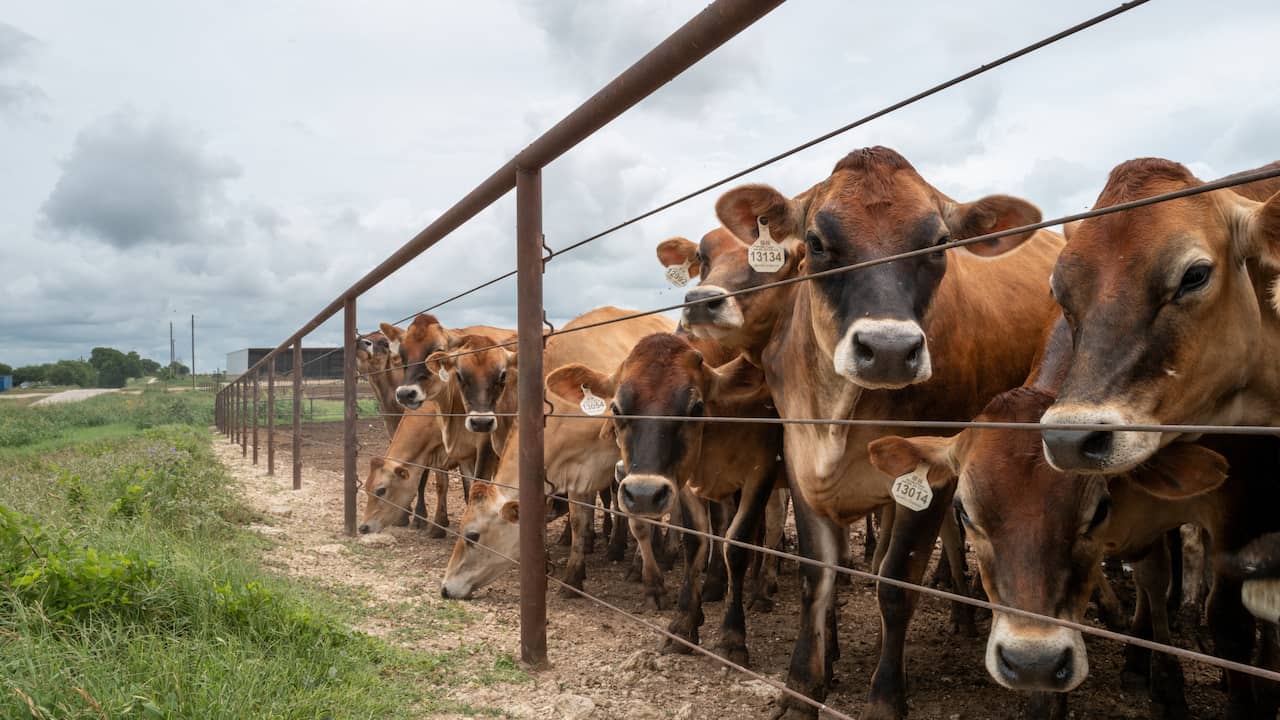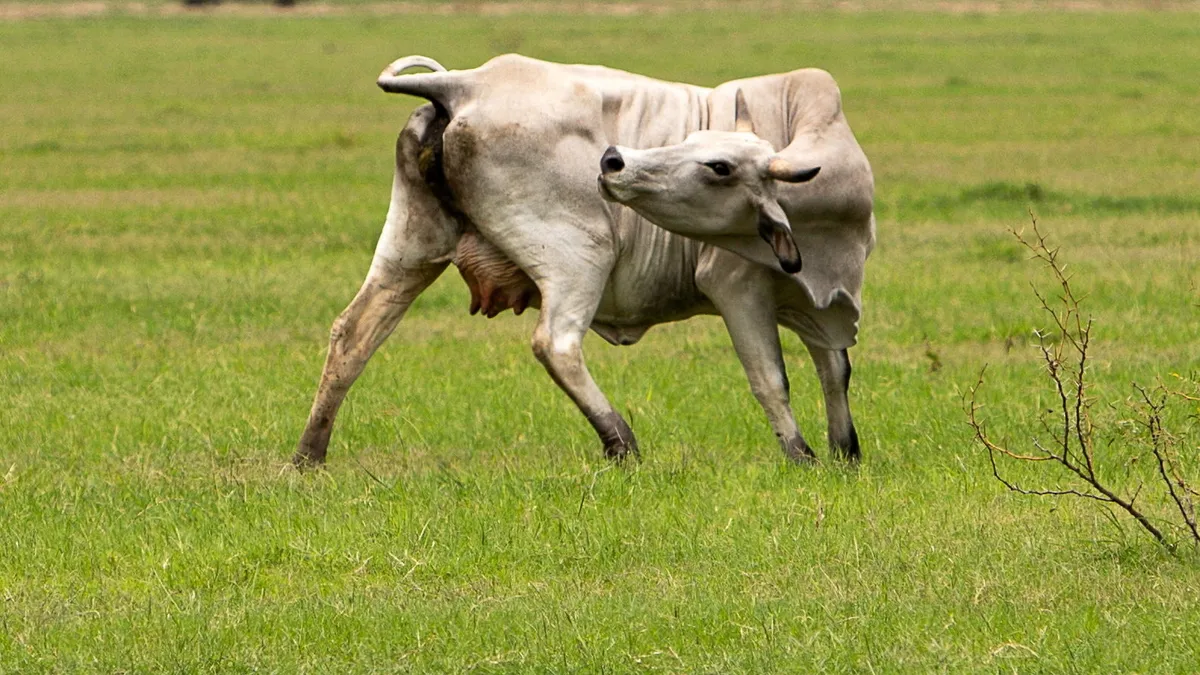
A spokesperson for Texas Gov. Greg Abbott said Canada was overreacting on its temporary restriction. Abbott earlier declared a state of disaster for the parasite.Show Caption
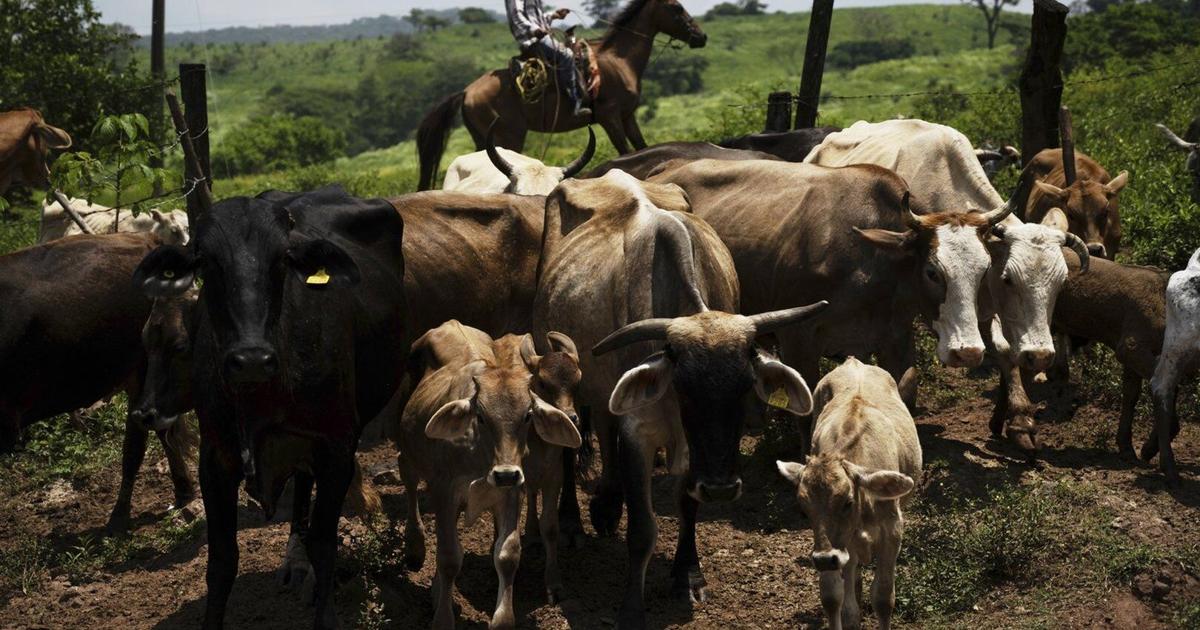
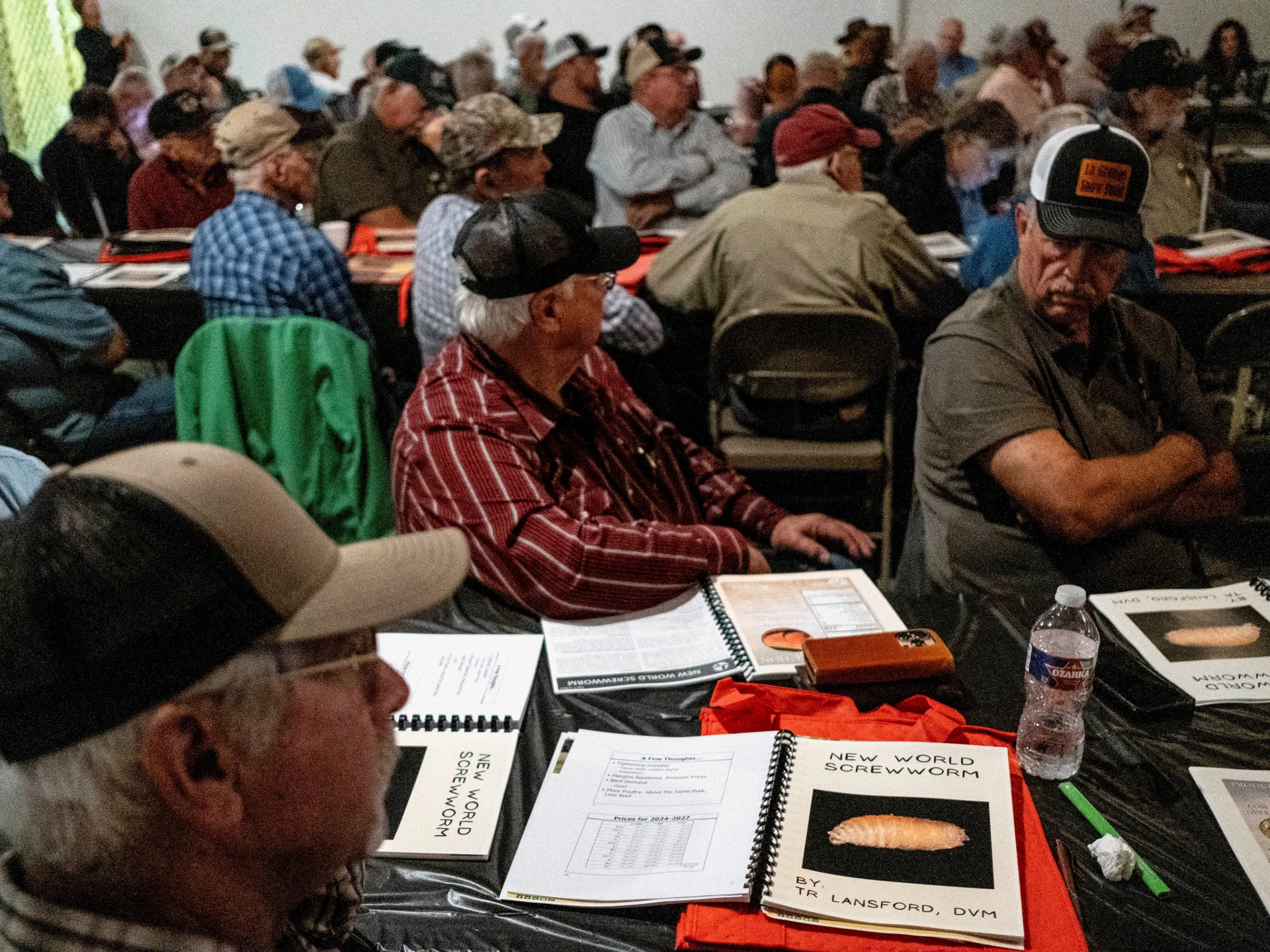
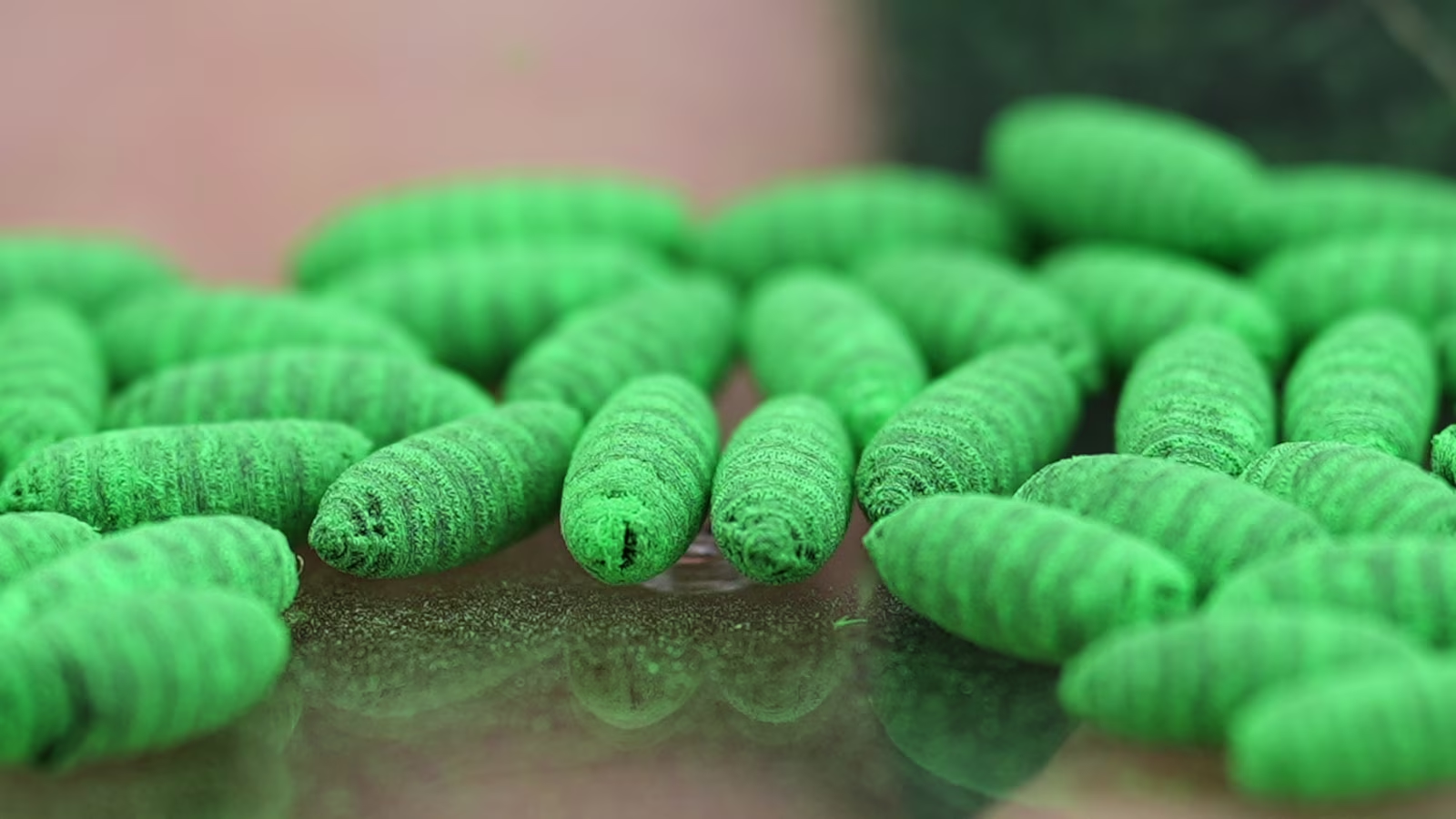
Canada temporarily banned Texas livestock due to the ongoing spread of New World screwworm, officials announced June 5.American officials recently identified the flesh-eating parasite in the U.S., decades after it was eradicated from the country. The parasitic infection, spread via screwworm flies, poses serious risks to Texas’ $15.5 billion cattle industry.The Canadian Food Inspection Agency said it would temporarily halt imports of livestock, including horses, from Texas. The restriction applies to animals originating from or present within the state of Texas within 21 days before trying to enter Canada, according to a June 5 agency news release. New World screwworm is not currently in Canada.The Canadian agency said it “will continue to work closely with U.S. counterparts to assess developments and adjust measures as needed.”Where was New World Screwworm detected?On June 3, the U.S. Department of Agriculture identified a 3-week-old calf in South Texas that had screwworm larvae in its umbilical area, marking the first case in the country after its spread from Mexico. On June 5, USDA confirmed a second case in a 1-month-old calf 5.6 miles away.New World screwworm flies, the size of a housefly, lay eggs inside warm-blooded animals' open wounds or body openings, such as eyes, nose or mouth. Hatched larvae then burrow into the animal's flesh and feed on living tissue, creating painful, foul-smelling wounds.It can cause serious and often deadly damage due to secondary infection or other illnesses, the U.S. Centers for Disease Control and Prevention said. Once grown, screwworms burrow into the soil, emerging as mature flies to restart the process.Canada has already banned most livestock from Mexico to prevent screwworm’s spread into the country. The United States is Canada’s largest agricultural importer, supplying upwards of $3 billion in live animals and other animal products in 2024, according to USDA data. The data didn’t specify how much Texas provides to Canada, though the state is the United States’ largest beef and cattle producer.'Overreaction' by Canada, Texas says. Governor declares state of disasterOn June 5, Texas Gov. Greg Abbott declared a state of disaster over the “imminent threat” posed by screwworm.Andrew Mahaleris, a spokesperson for Abbott, said Canada was overreacting as Texas and USDA are moving quickly to contain and eradicate screwworm in a limited area of South Texas.“This pest affects live animals and does not impact inspected Texas beef,” Mahaleris said in a statement to USA TODAY sent June 6. “Canada’s broad restriction on Texas livestock is an overreaction that is more political than science-based.”While many Southern U.S. states are at risk for spread due to warmer, humid temperatures hospitable for screwworm, the parasite cannot survive Canada's colder climates, Canadian officials said. However, screwworm flies can survive shorter periods of time during Canada’s summer.Screwworm is endemic to South America and Caribbean countries.The United States eradicated New World screwworm in 1966, and North America eradicated it by the 2000s. However, warmer temperatures and changing weather, fueled by climate change, are thought to be expanding the flies’ range.American officials are working to expand the use of sterile male screwworm flies to stop the parasites’ spread. Officials use radiation to sterilize male flies and disperse them where screwworm flies are indigenous. Since female screwworm flies typically mate only once, they then lay unfertilized eggs, which gradually decreases the population.Blame for responseThe Trump administration has faced increasing criticism for Elon Musk’s Department of Government Efficiency cuts to a U.S. Agency of International Development program to monitor and prevent the spread of New World screwworm in Central America, according to an agriculture industry trade publication. Texas Agriculture Commissioner Sid Miller told NBC that USDA moved too slowly and relied only on a partial solution that would take years.In response to emailed questions, USDA denied that budget cuts caused screwworm’s entrance into the country. Agriculture Secretary Brooke Rollins has blamed the previous Biden administration, which left office nearly a year and a half ago, for past immigration and border policies allowing the parasite’s spread.Instead, she said, USDA is investing in sterile fly production and releases.Contributing: Mary Walrath-Holdridge, USA TODAYEduardo Cuevas is based in New York City. Reach him by email at emcuevas1@usatoday.com or on Signal at emcuevas.01.