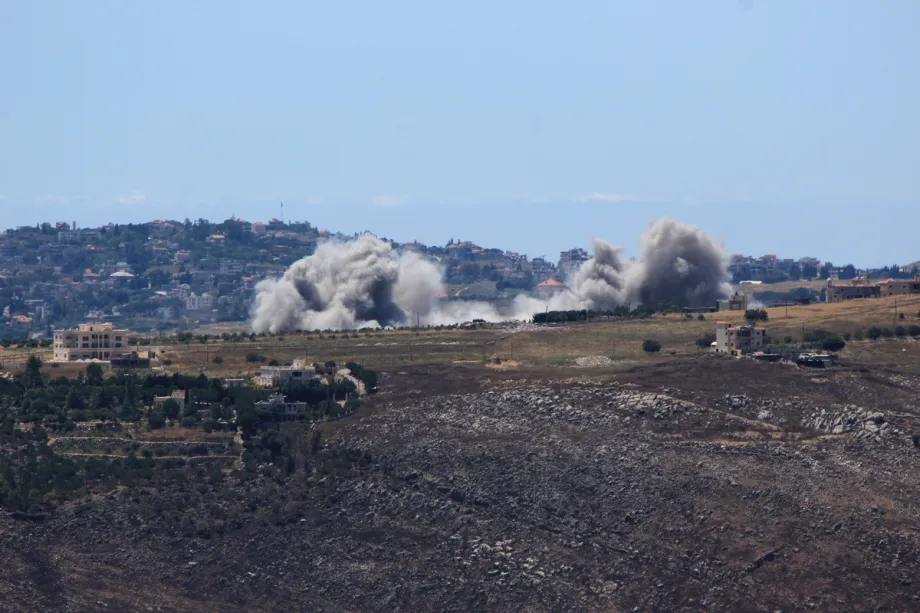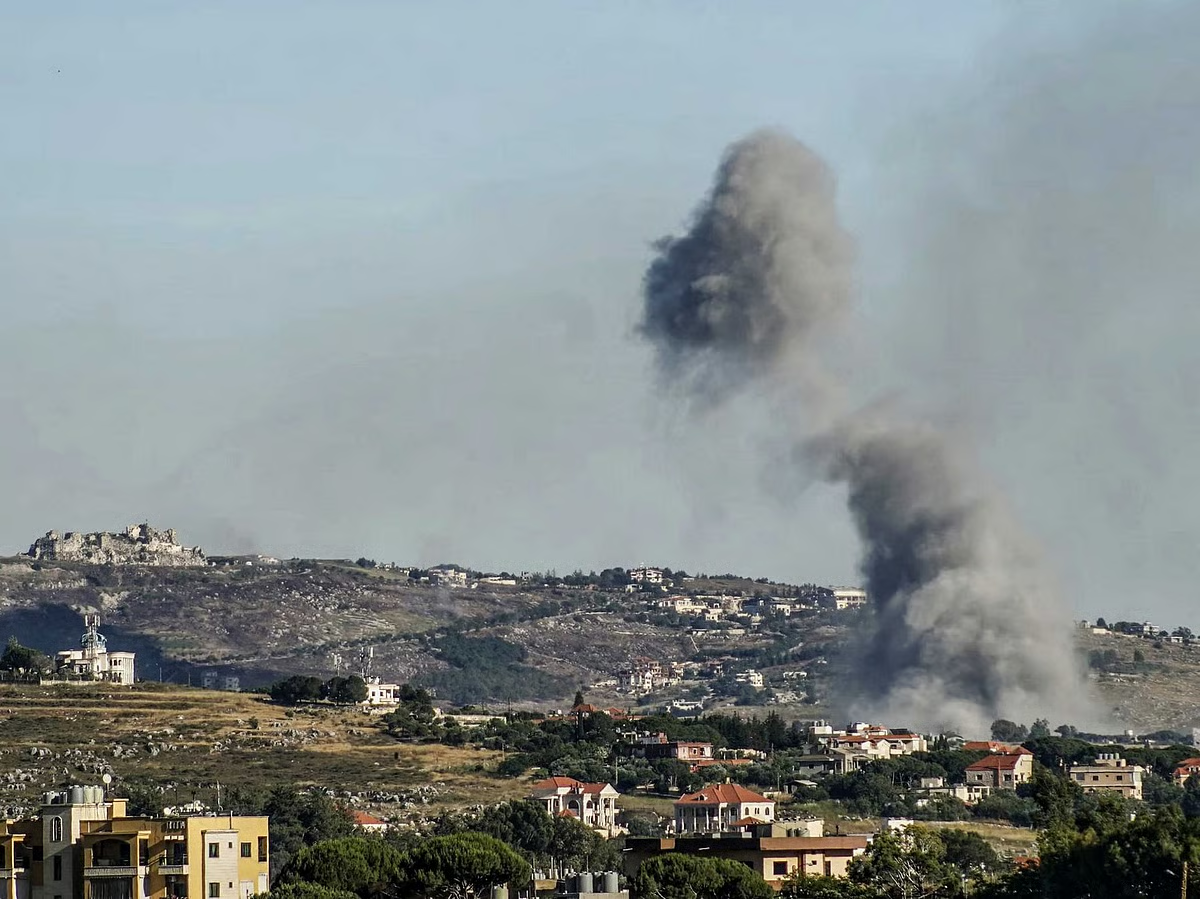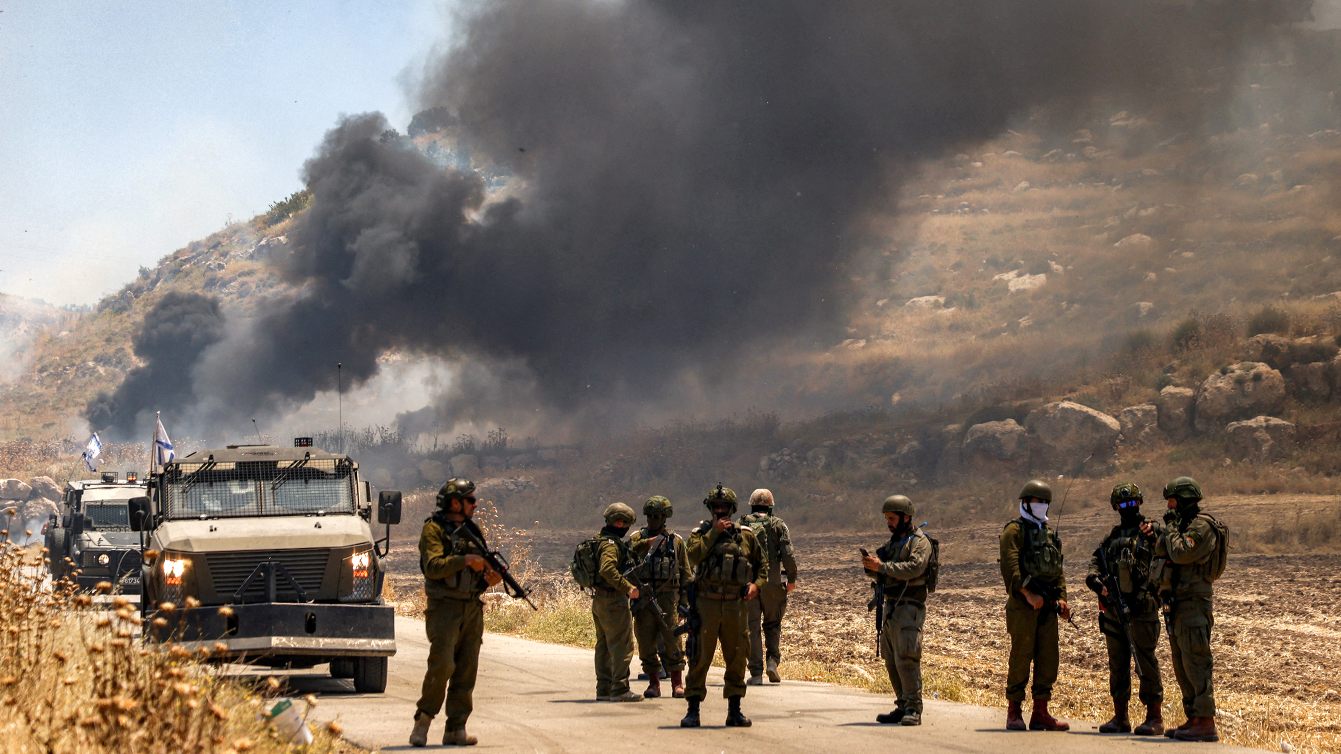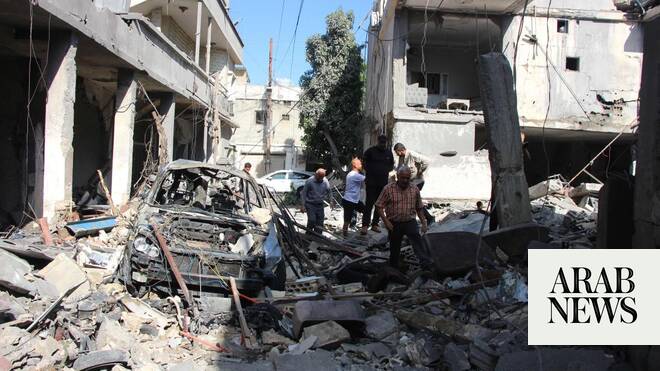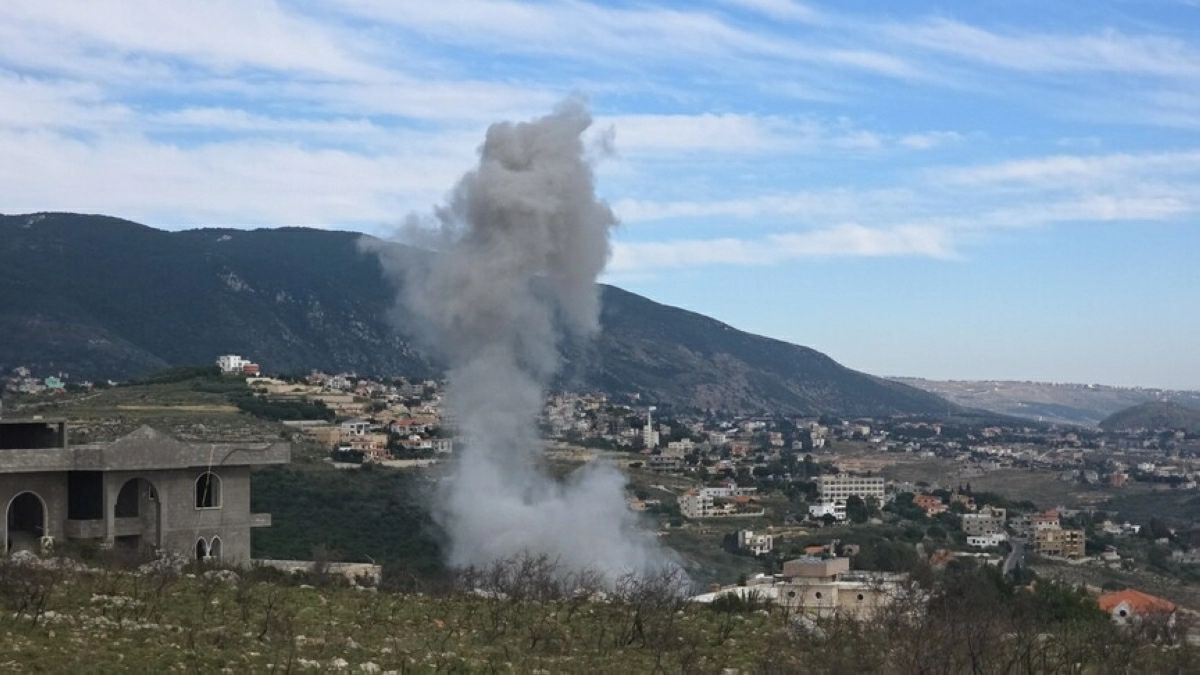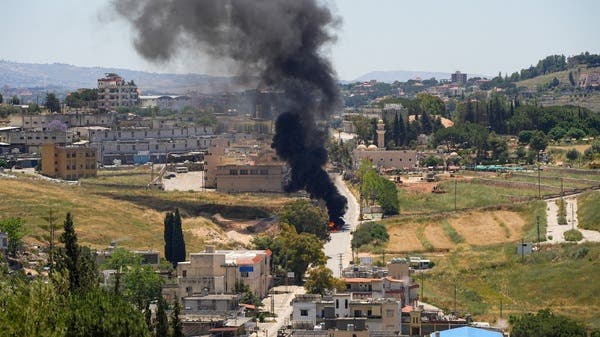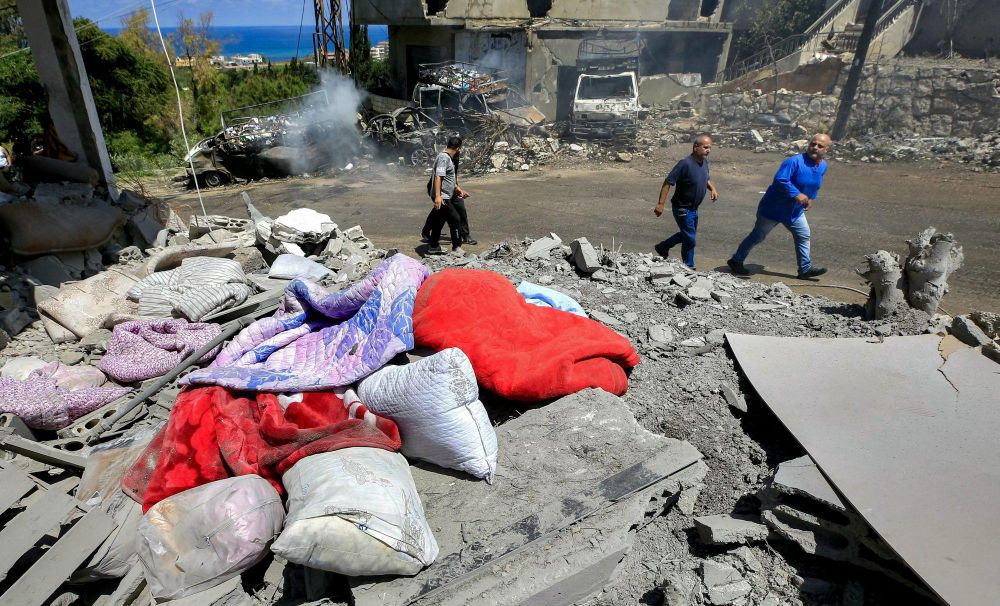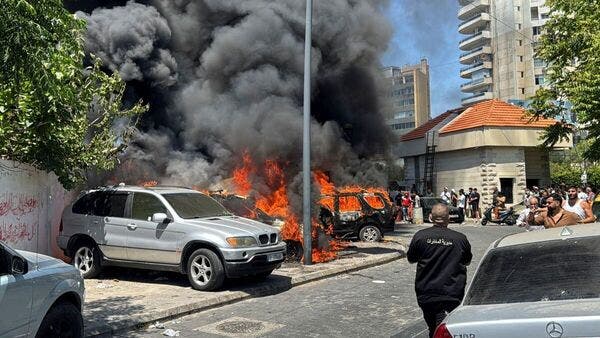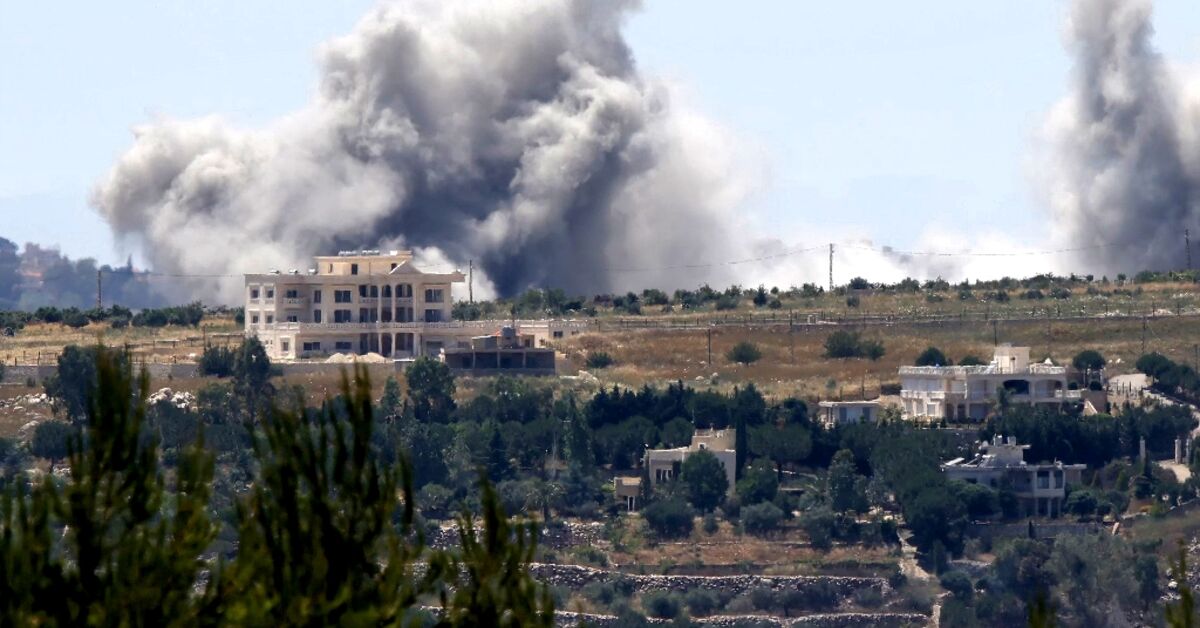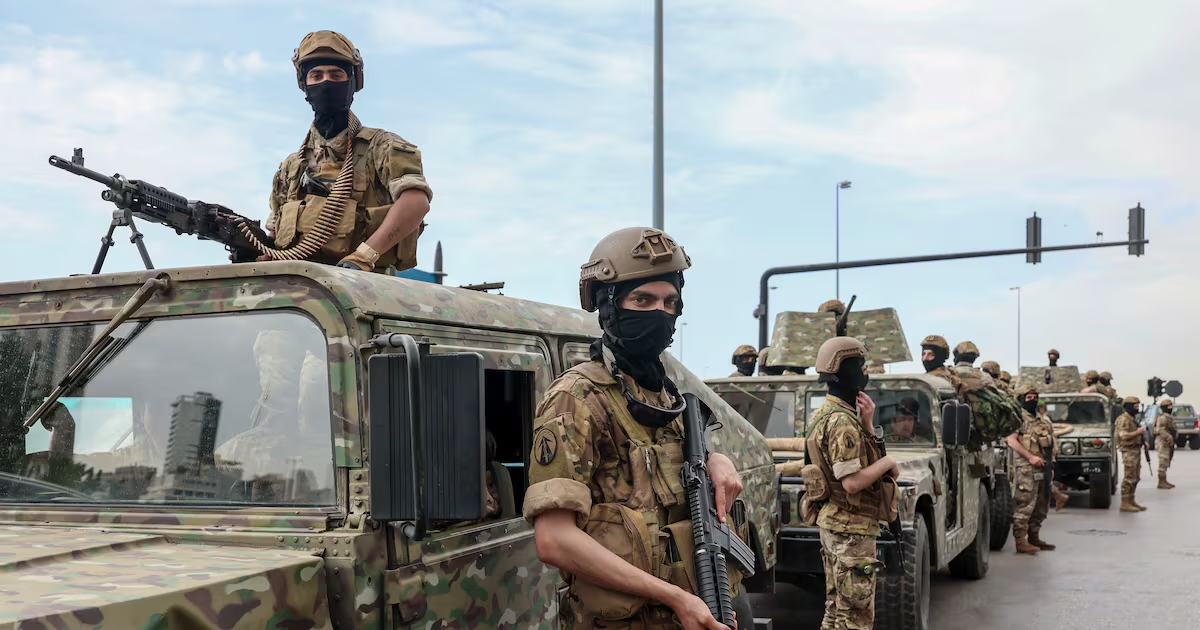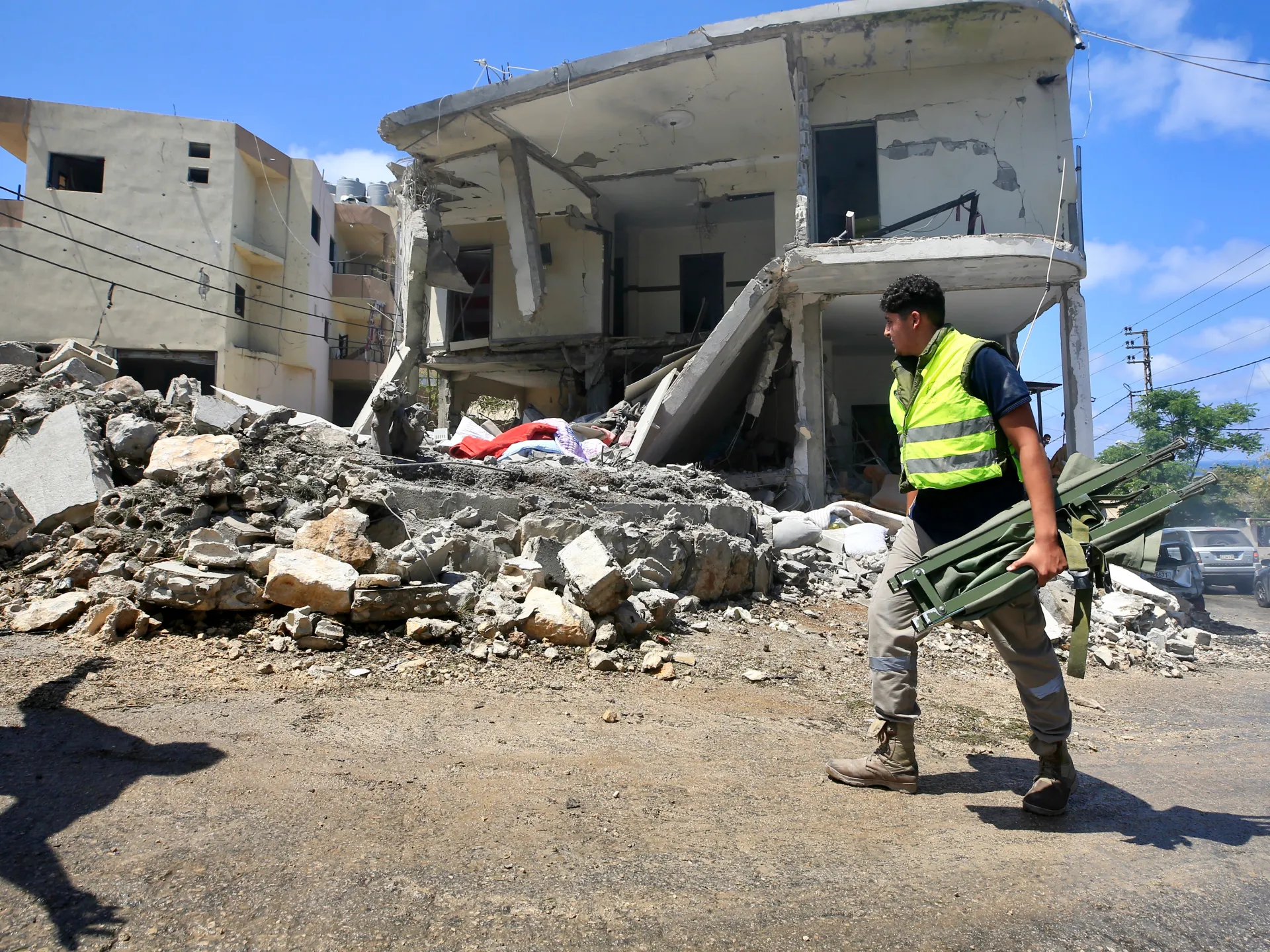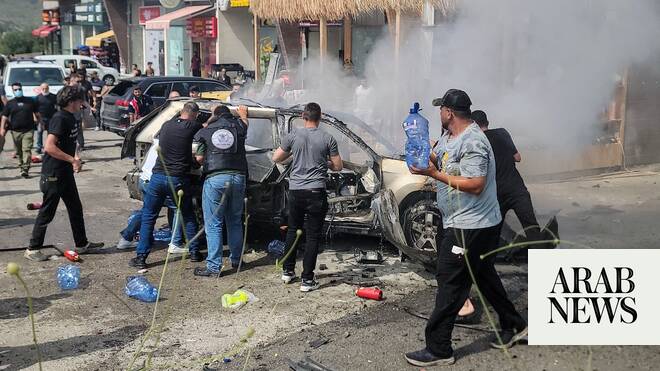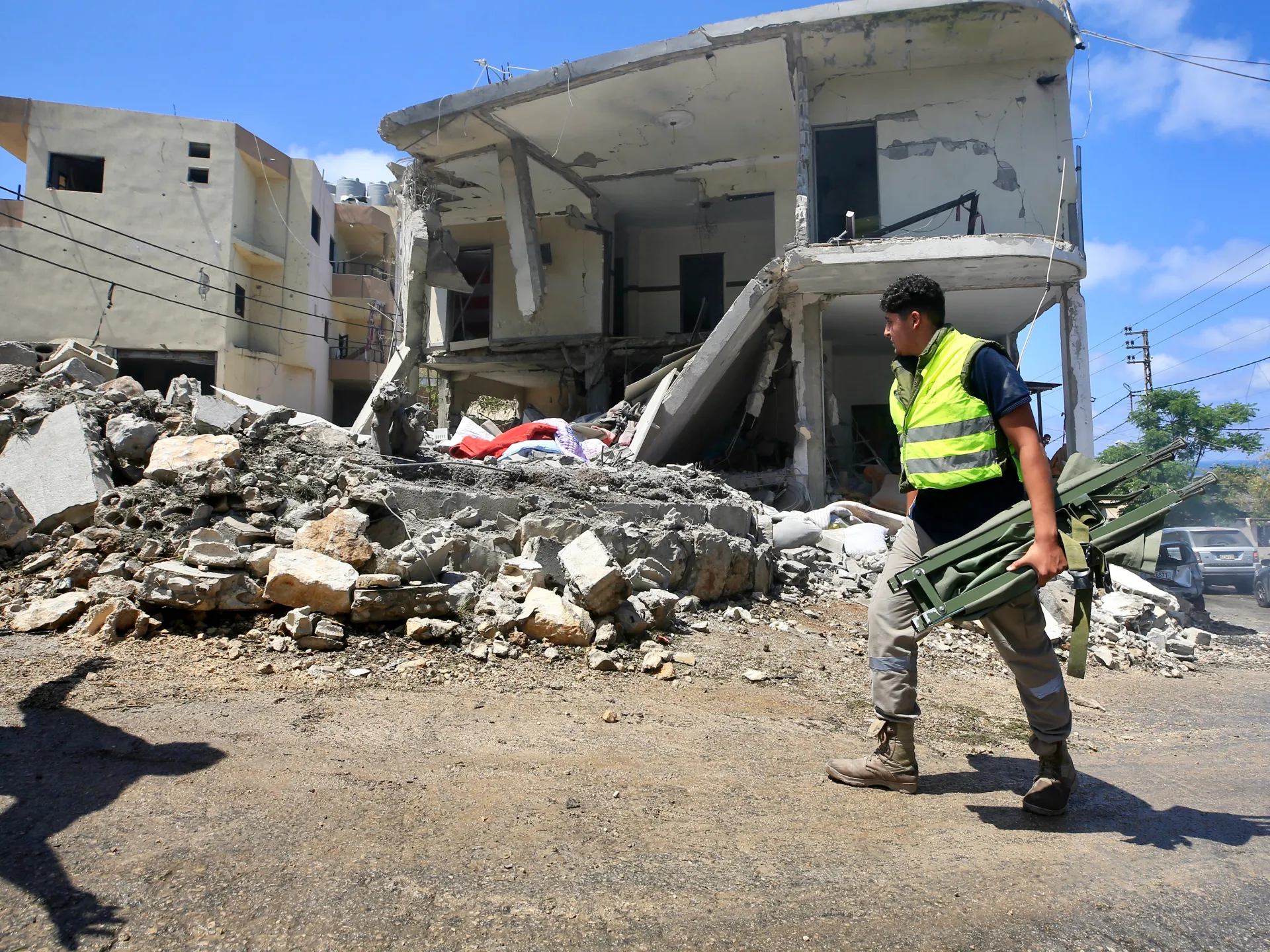
At least 12 people, including high-ranking army officers, have been killed in Israeli strikes across southern Lebanon, days after the countries agreed to a conditional truce during United States-mediated talks.Lebanon’s army said on Saturday that a brigadier general, a captain and a soldier, were killed in an Israeli strike on a military vehicle on the Khardali-Nabatieh road.Recommended Stories list of 3 itemslist 1 of 3Iran war day 98: Tehran raises doubts on deal as Lebanon fighting continueslist 2 of 3UN boosts Lebanon aid appeal as Israeli war drives humanitarian crisislist 3 of 3Lebanon’s latest truce: What is different from the April agreement?end of listThe Israeli army said in a statement that the attack had been in an “active combat zone”, and that “movement in a combat zone requires coordination” with the Israeli army. It added that “the incident remains under investigation”.Following the attack on its soldiers, the Lebanese army said that “the continuation of the deliberate and repeated brutal Israeli aggression … is aimed at thwarting all efforts to reach a solution”.Lebanese President Joseph Aoun condemned the attack and said in a statement posted on social media that his office considered the attack a “flagrant violation of Lebanese sovereignty and of international laws and norms”.Lebanese Prime Minister Nawaf Salam also condemned the attack, describing it as “a heinous crime and an attack on Lebanon and all Lebanese people”.In a statement, Salam extended his condolences to the families and colleagues of Brigadier General Wassam Sabra, Captain Elie Khoury and soldier Hussein Ghozal, as well as to the Lebanese army itself.Later on Saturday, Lebanon’s army said that its commander General Rudolf Haykal was heading to Pakistan for talks with his Pakistani counterpart, Field Marshal Asim Munir.Haykal’s visit comes as Pakistan continues efforts to mediate talks to end the US-Israel war on Iran, with Israeli attacks on Lebanon one of the sticking points.‘Heinous crime against Lebanon’The Lebanese armed group Hezbollah dubbed Saturday’s attack a “heinous crime” and accused the Lebanese government of exposing its own country to bloodshed through its “complete surrender to the enemy’s demands in Washington”.Iran’s Foreign Ministry spokesperson Esmaeil Baghaei said that Israel’s killing of the three Lebanese army personnel reaffirms that Israel “is laying claim to Lebanon in all its components”.In a post on social media, Baghaei described the attack as “a heinous crime against Lebanon, its army, and its sovereignty, and a clear message of aggression stating that Israel desires no security, stability, or prosperity for Lebanon.”In a statement shared on social media, Saudi Arabia also condemned the attack and “the continuing Israeli aggression against the sisterly Lebanese Republic, affirming its total rejection of any targeting of Lebanon’s sovereignty and its army”.Jordan also condemned the attack, describing it as “a flagrant violation of the sovereignty, security, and stability of brotherly Lebanon, and a blatant breach of international law”.In a statement shared to social media, the country’s foreign ministry “affirmed the necessity of an immediate halt to Israeli aggressions against Lebanon [and] the consolidation of the ceasefire agreement”.The United Nations peacekeeping force in southern Lebanon (UNIFIL) expressed condolences to the relatives of the killed Lebanese army personnel, and said “such attacks in Lebanese territory constitute gross violations of Lebanon’s sovereignty, territorial integrity and Security Council Resolution 1701”. That UN resolution ended a war between Israel and Hezbollah in 2006. It also formed the basis of a November 2024 truce between the two sides.Al Jazeera’s Ali Hashem, reporting from Beirut, said that this is not the first time Lebanese army soldiers or officers have been killed in Israeli attacks, adding that more than 50 have been killed since the start of the conflict on March 2.However, “this is the first time that such a high-ranking general was killed,” he said.A lot of rhetoric has come from Lebanese officials, “but there’s nothing that the government can do. A few weeks ago, more than 13 national security personnel were killed and nothing was really done by the government,” said Hashem.“The only thing the government could do over the past weeks was to withdraw its troops from the southern villages and towns that, at the moment, the Israelis are approaching.”Lebanon’s ‘real foe’Separately, an Israeli air strike on the southern village of Saksakiyah, in the Sidon district, killed six people and wounded four others, reported Lebanon’s state-run National News Agency (NNA), while another person was killed in an Israeli drone strike targeting a car on the highway in Deir al-Zahrani, in the Nabatieh district.At least one person was killed in an Israeli drone strike on the Zifta-Nabatieh highway later on Saturday, reported NNA, adding that another person was killed in a separate Israeli air strike in the Habboush municipality, in the Nabatieh district.Israel also renewed forced displacement orders for the southern Lebanese villages of Armati, Mashgara, Kafr Huna, Sajad and Ansariya, ordering residents to move north of the Zahrani River.Israel’s military said on Saturday that it had struck around 150 Hezbollah targets in southern Lebanon over the past two days.“Over the weekend, [the Israeli army] struck weapons storage facilities, command centers, rocket launchers, and additional Hezbollah terrorist infrastructure sites,” it said in a statement, adding the sites had been used “to advance and execute terror attacks against [Israeli] soldiers”.Hezbollah, meanwhile, said its fighters struck a Merkava tank at the newly established Blat outpost in the Bint Jbeil area using an Ababil swooping drone, claiming a confirmed hit.A ceasefire that was supposed to end the fighting between Israel and Hezbollah took effect on April 17, but has never been fully respected. Hezbollah and Israel have frequently exchanged accusations of truce violations, with each side justifying its own attacks by citing the alleged violations committed by the other side.A further conditional truce was announced by Lebanese and Israeli envoys this week in Washington.Hezbollah leader Naim Qassem rejected this ceasefire as it did not include Hezbollah or provide for Israel’s withdrawal from southern Lebanon.While Israel and Hezbollah continue to fight, the Lebanese army has historically avoided confrontations and has not engaged in the current conflict.The latest outbreak of conflict between Hezbollah and Israel began at the beginning of March after the group said it was acting in support of Tehran. At least 3,593 people have been killed and 10,990 others injured in Israeli attacks across Lebanon since March 2, according to the latest figures from Lebanon’s Health Ministry.On Saturday morning, Iranian Foreign Minister Abbas Araghchi rejected comments made by President Aoun that Beirut was a bargaining chip for Tehran during its negotiations with the US.“Had Lebanon been a bargaining chip for Iran, we’d have a deal long ago,” he said in a post on social media.“Save Lebanon from your real foe, Mr President.”
Israeli attacks in Lebanon kill 12 people, including high-ranking soldiers
The deaths include a brigadier general, a captain and a soldier killed while travelling on the Khardali-Nabatieh road.
1,106 words~5 min read