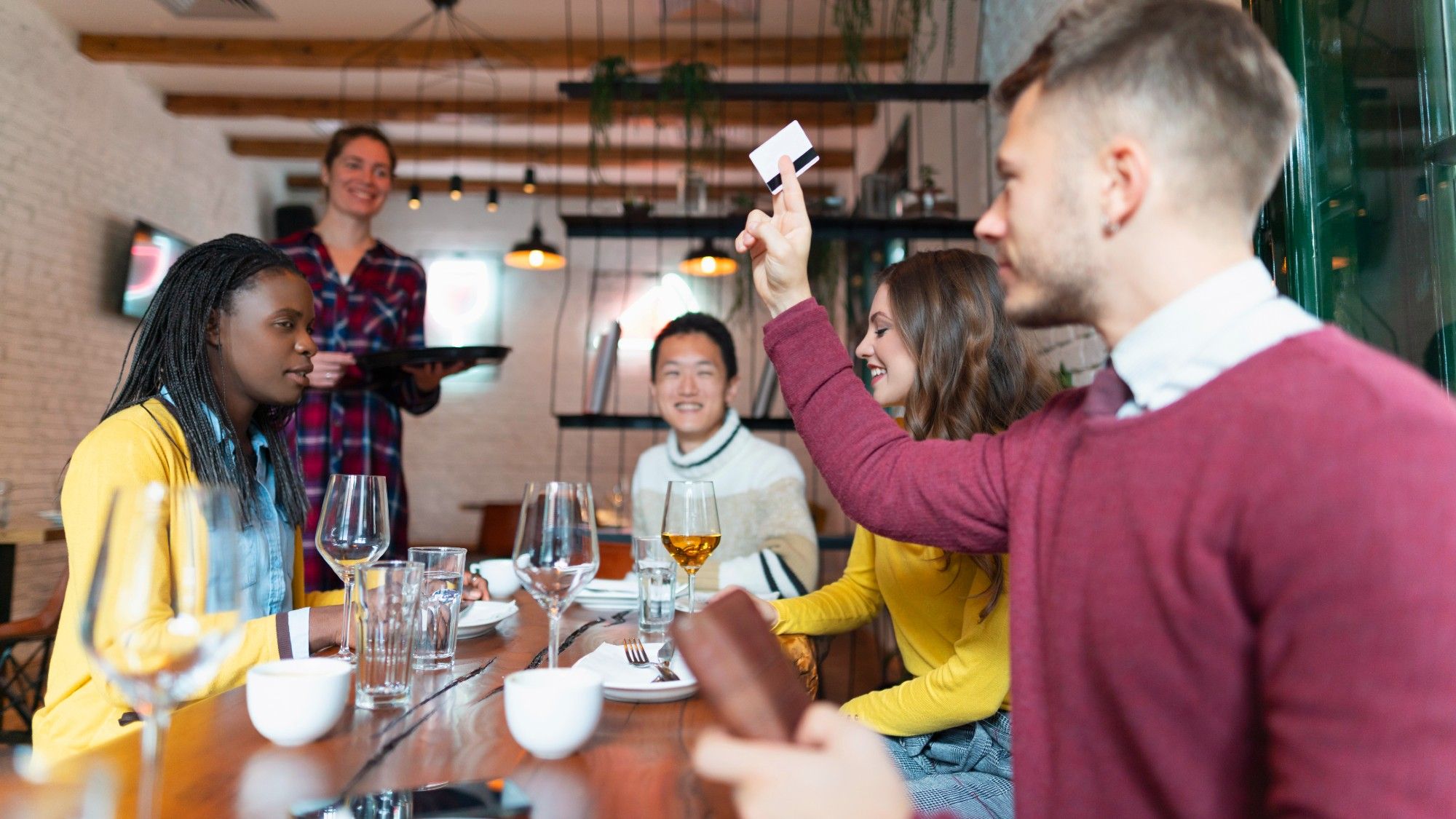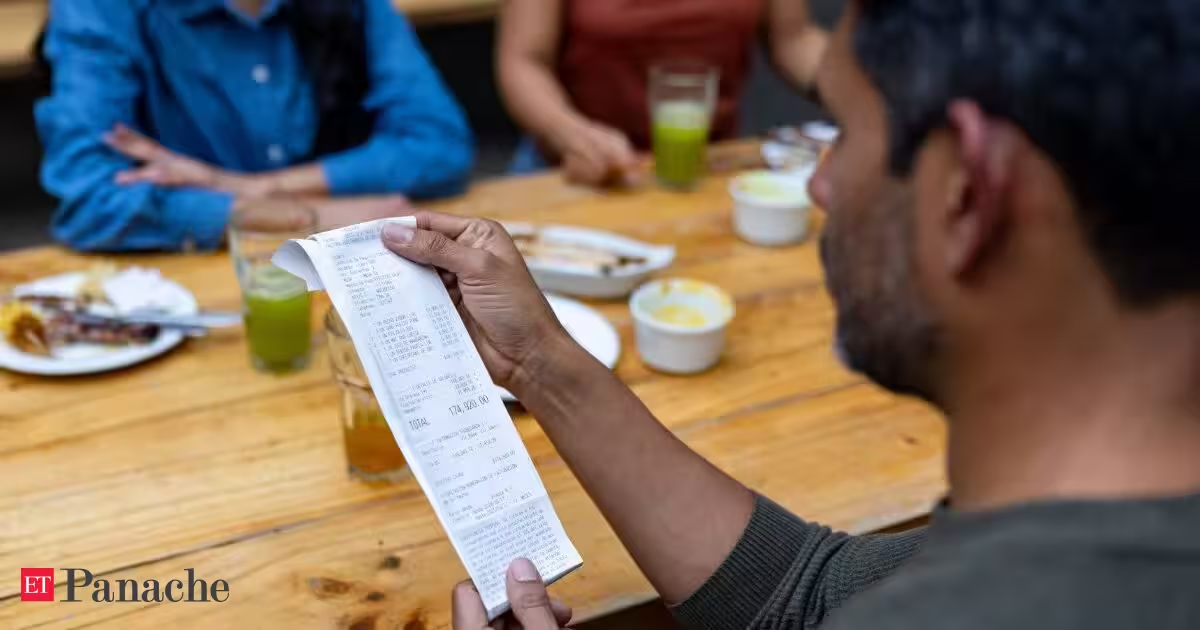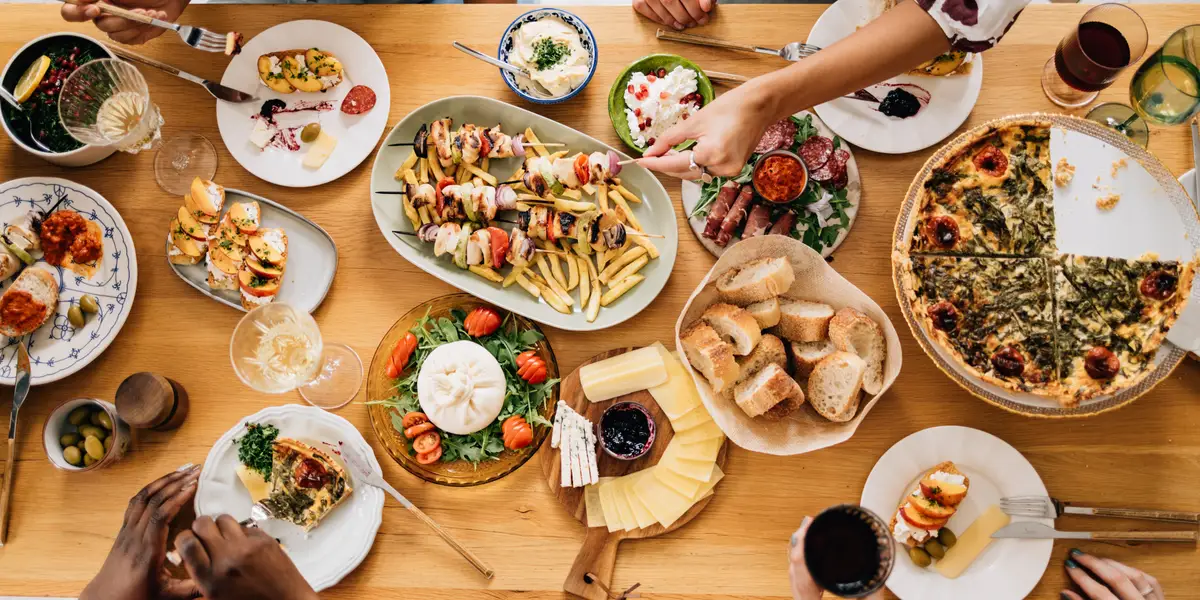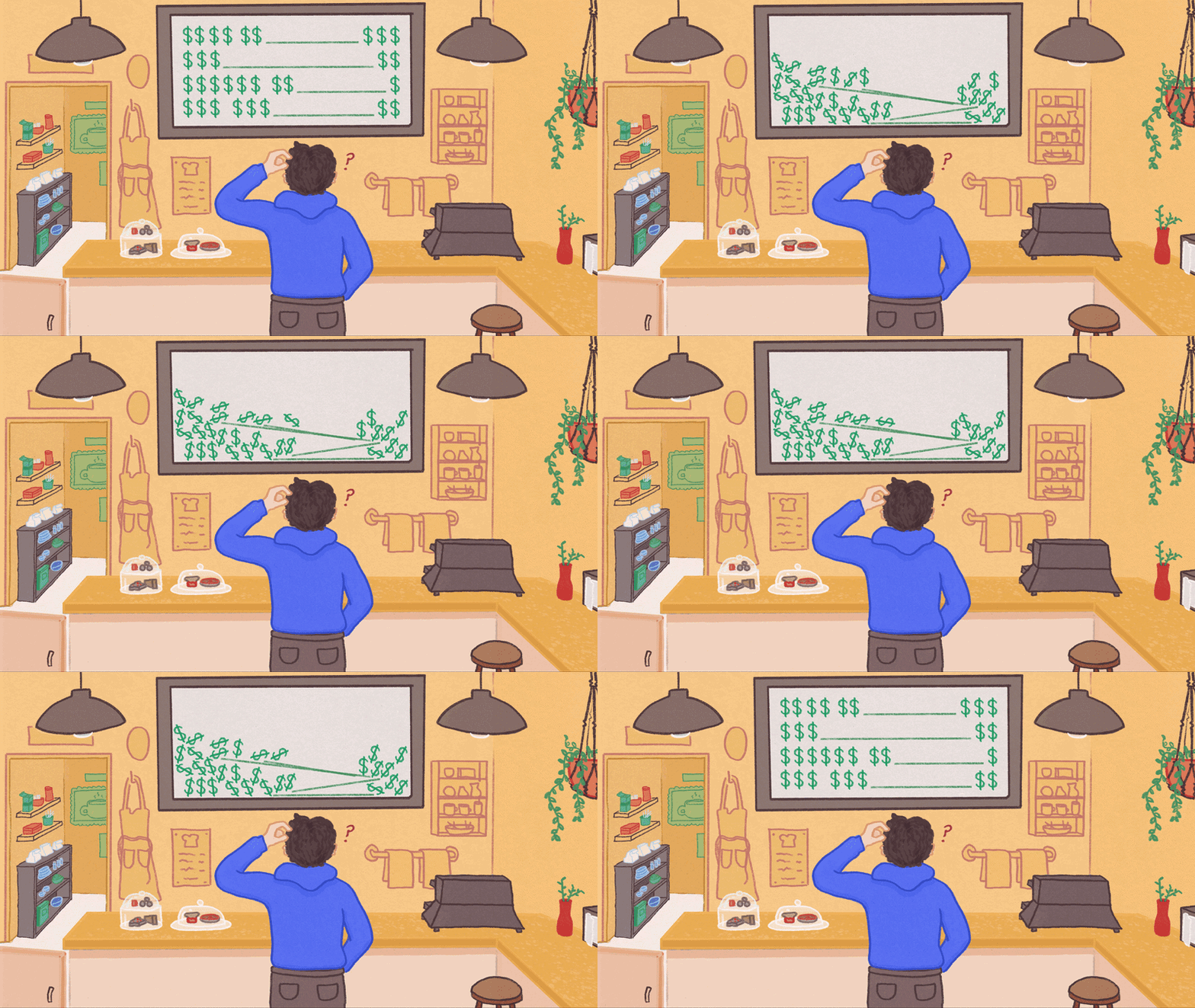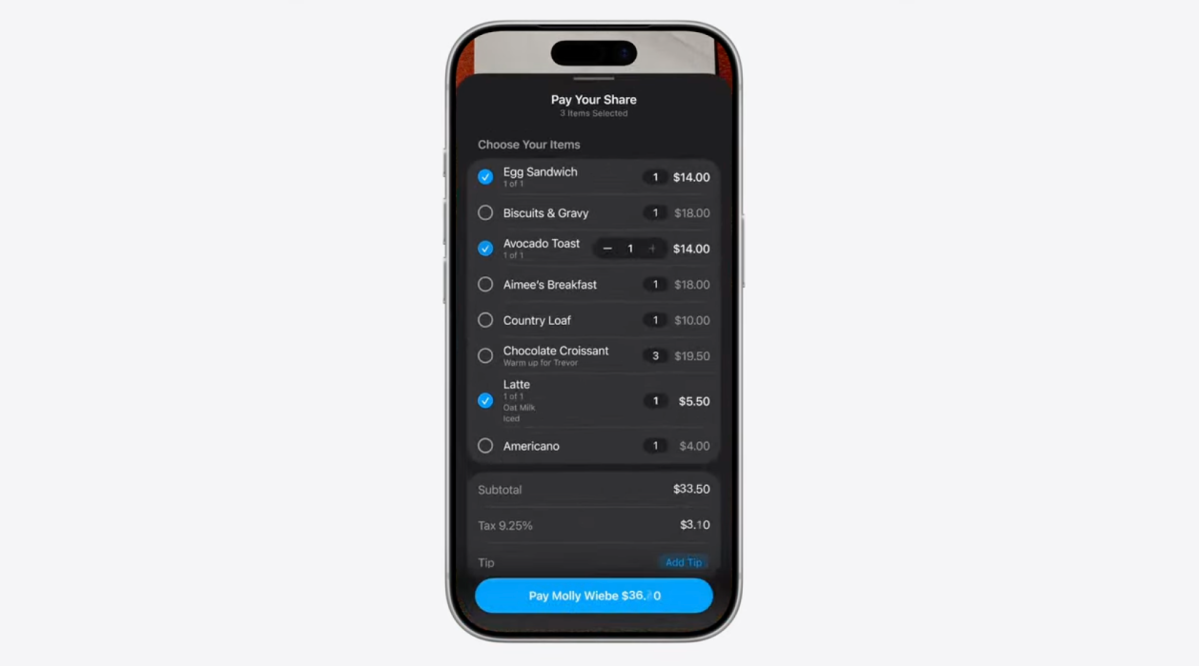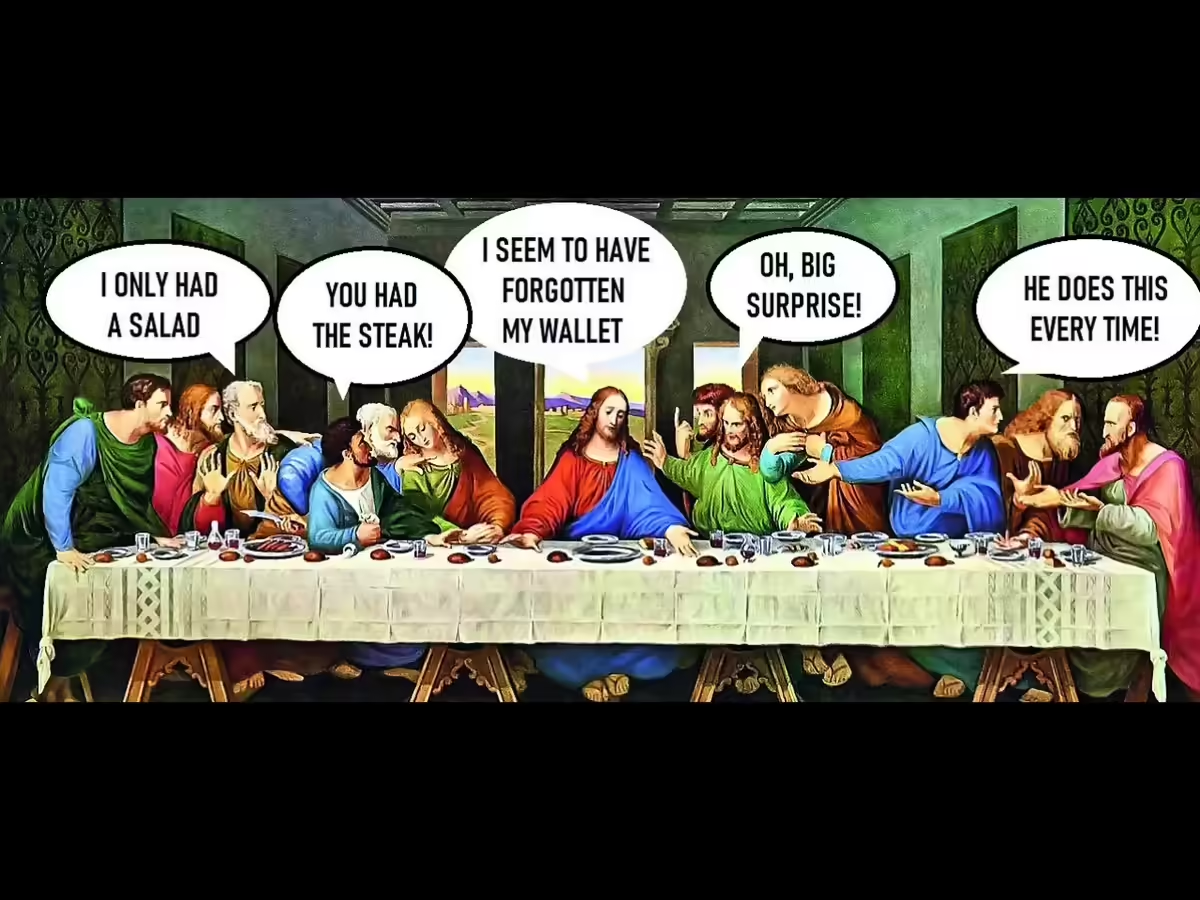
You decide to go out for a meal with friends. Not quite your inner circle, but close enough to risk your bank balance. You look forward to the conversation, laughter, the brief illusion that life is under control. And then, quietly, like a background app draining your battery, the anxiety arrives: the bill.Because with the meal comes the unspoken politics of ordering.There is always the over-orderer. The one gripped by a hereditary condition: no-one-must-go-hungry syndrome. Passed down through generations of mothers and aunts for whom excess was the only acceptable expression of love. Within this tribe are two types: the genuinely anxious feeder, and strategic planner who's already thinking about tomorrow's lunch. In both cases, the table fills up, your plate does not, and the bill rises with quiet confidence.Then comes the overly cautious. So restrained, so morally opposed to abundance, that 5 naans must somehow feed 8 people and a shared sense of denial. You chew slowly, pretending this is enough. It is not. By the time you manage to catch the waiter's eye, an Olympic sport in itself, and reorder, your hunger has turned into mild resentment.And of course, the drinker. The cornerstone of the restaurant's business model. He does not order wine, he curates it. There's talk of regions, of soil, left bank and right bank, of notes that nobody else can taste but everyone politely agrees with. The glass is swirled like a ritual. If it's whisky, suddenly he has an emotional connection to Scotland, like the lochs were his backyard.Every sip he takes sends your brain into silent calculations. You want to say - I'm not drinking. I should not be paying for this. But social etiquette is a powerful silencer. So, you order a mocktail. It arrives looking festive and tasting like expensive regret. (And really, has anyone ever sent a bottle back after tasting it? Or is that just a performance we all participate in?)Then there's the undemocratic orderer. The one who has already decided what the table will eat before anyone sits down. The menu is a formality. Preferences are suggestions. The vegetarian who insists she is overpaying, while an entirely separate menu has been negotiated into existence on her behalf. And, not to be outdone, the non-vegetarian, who suddenly develops highly specific cravings that derail everything, ordering that one dish no one else wants, but everyone must now financially support.Between the two, the table becomes less a shared meal and more a logistical exercise in culinary diplomacy.And let us not forget the vanisher, magician of the group. Present for the starters, emotionally invested through the mains, and mysteriously absent when the bill arrives. Messages follow later, vague, grateful, and financially non-specific.Most uncomfortable, though, is the obnoxious friend. The one who treats waiters as if they personally designed the inconvenience. You try to compensate by being excessively polite, smiling too much, saying thank you with feeling. You hope it balances out. It does not. The waiter remembers everything. The pain sticks more than the comfort.By the time you have digested the bill dilemma, indigestion comes in the form of taxes. So, while you may be going Dutch in principle, the thought process Indian, the card international, and the menu, just about from anywhere.Over time, I have realised there's only one reliable solution: dine with those who actually matter. The ones with whom you can fight over the last piece of kebab without mentally assigning it a price. The ones who will say, I had the wine, I will cover it, before you even begin your internal audit. With them, the bill is not a negotiation, but a formality. Choose your collaborators wisely. The rest is just noise.You might still calculate, of course, old habits die hard. But it is done with affection, not suspicion. With everyone else, lower the stakes. Coffee is safe. A quick drink, manageable. Though even there, the wine expert may find you. And if you must commit to a full meal, carry two things: a sense of humour, and enough battery to survive the bill split.(Disclaimer: The opinions expressed in this column are that of the writer. The facts and opinions expressed here do not reflect the views of www.economictimes.com.)
Going Dutch can mean bill-splitting turning into a full-blown hair-splitting affair - The Economic Times
Dining out with friends can bring unexpected financial and social challenges. From over-ordering to excessive drinking, the bill often becomes a point of contention. Navigating these situations requires careful consideration of companions. Choosing the right people to share a meal with transforms the bill from a negotiation into a simple formality.
702 words~3 min read