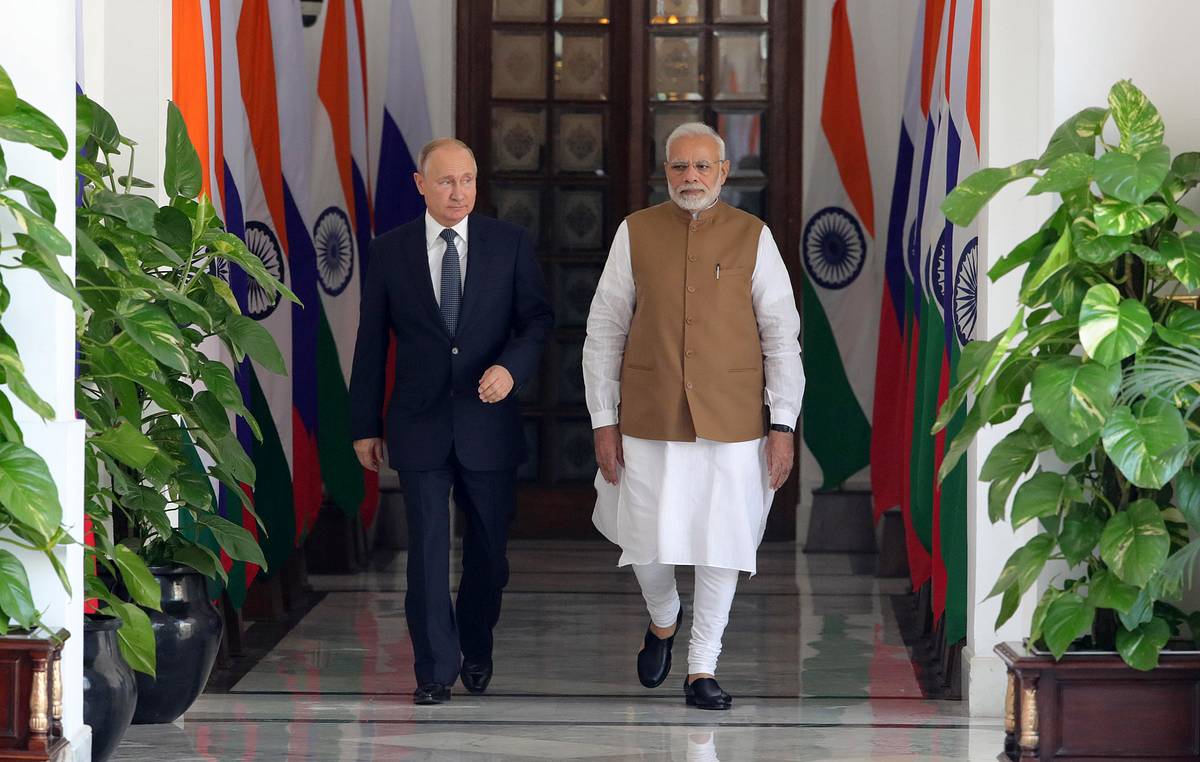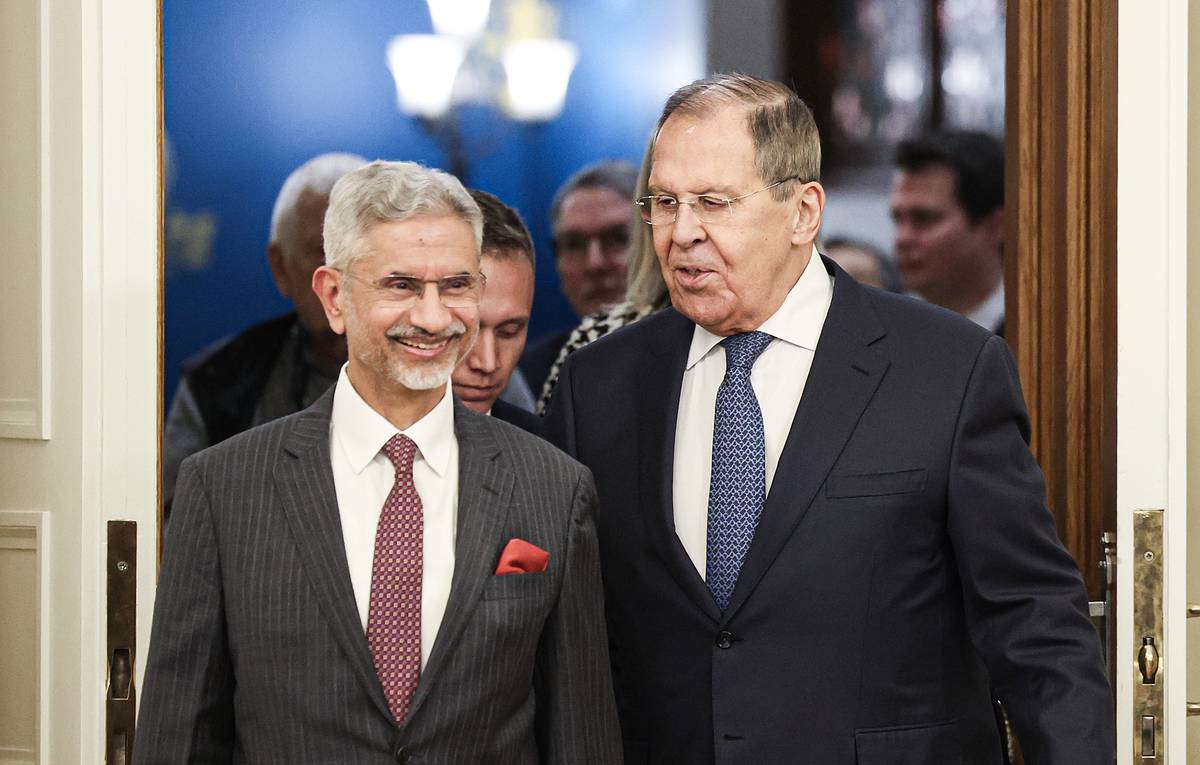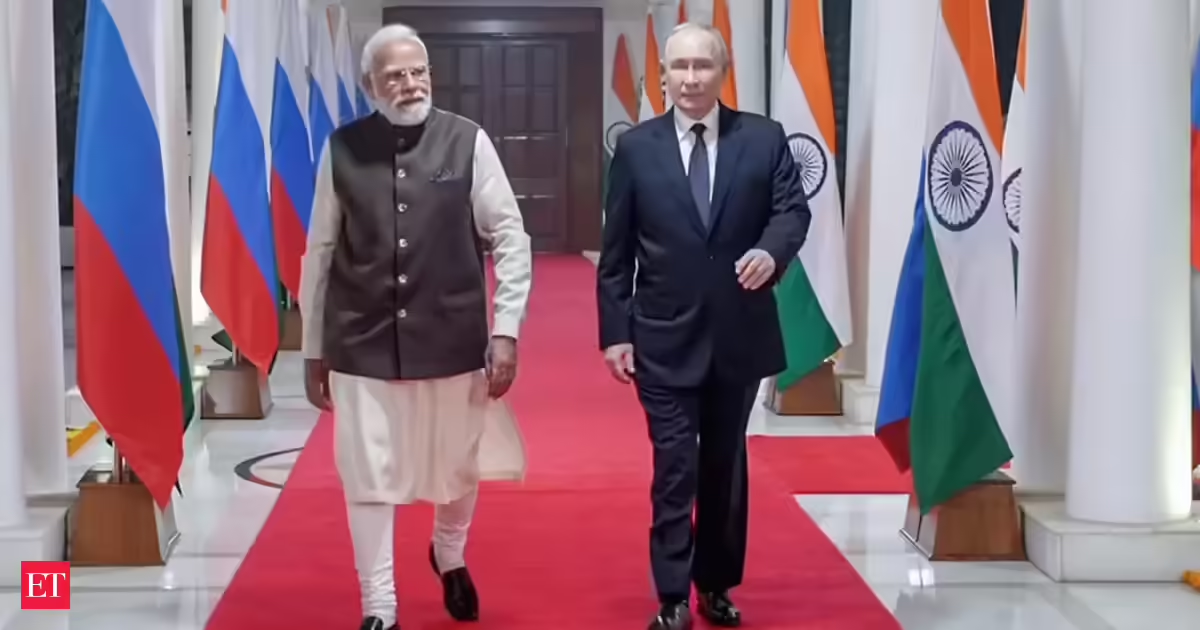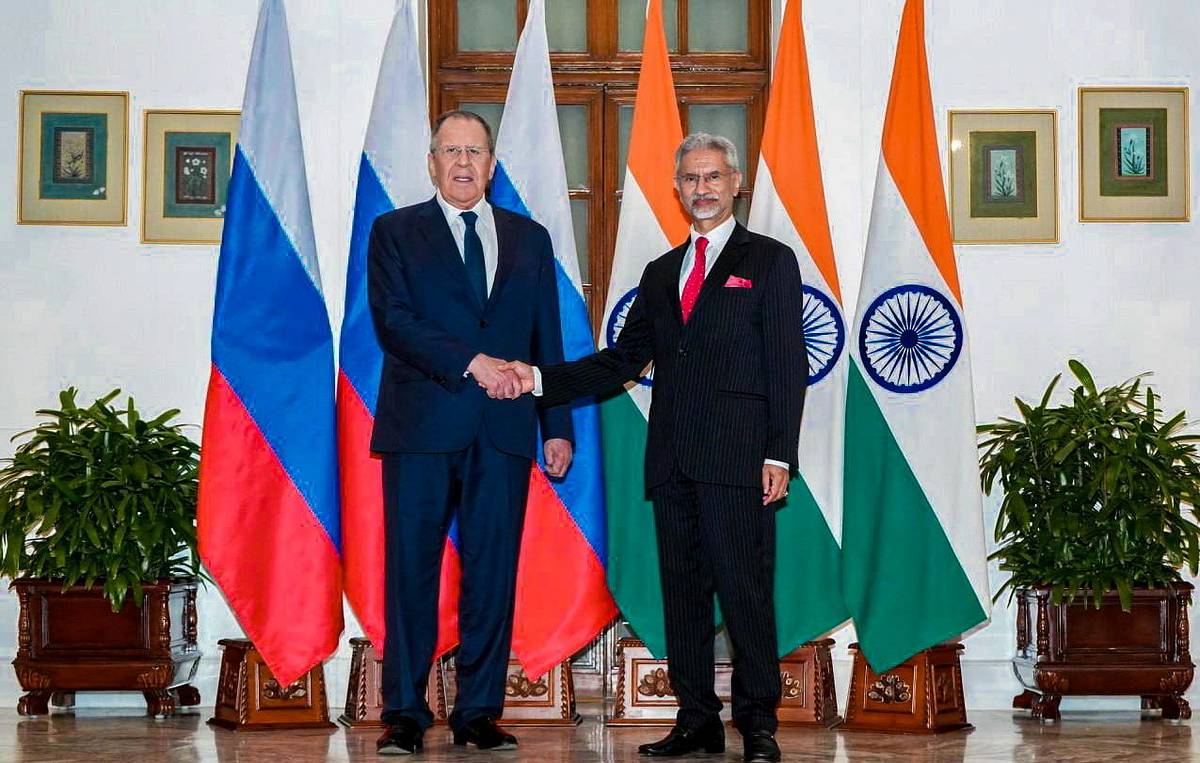
The Russia–India Business Dialogue, moderated by Sergey Cheremin, Minister, Government of Moscow; Head of the Department for External Economic and International Relations of Moscow, at this year's SPIEF examined the current state and forward direction of bilateral relations, set against the backdrop of the joint economic cooperation programme ratified at the December 2025 summit, a roadmap that extends to 2030 and spans energy, transport, information technology, science, and education.The session brought together ambassadors, ministers, and senior industry figures including Denis Alipov, Ambassador Extraordinary and Plenipotentiary of the Russian Federation to the Republic of India, Vinay Kumar, Ambassador Extraordinary and Plenipotentiary of the Republic of India to the Russian Federation, Alexey Chekunkov, Minister of the Russian Federation for the Development of the Far East and the Arctic, Nara Lokesh, Minister of Information Technology, Electronics and Communications, Government of Andhra Pradesh, Sri Sri Ravi Shankar, Founder, The Art of Living Foundation.The moot question was how Russian and Indian companies can deepen their involvement in joint projects, what steps are needed to accelerate implementation, and how cooperation through BRICS and the International North–South Transport Corridor can be made more effective.Also Read | 'Trust-based, brotherly relations': Vladimir Putin on India-Russia tiesJoining the session online, Alipov, addressed the structural mechanics underpinning the bilateral trade ambition. He pointed to active efforts to streamline mutual settlements through national currencies, thereby reducing dependence on Western banking infrastructure, and underscored the continuous operational scaling of the International North–South Transport Corridor as a critical enabler.Kumar, brought the discussion firmly to ground level, centering his remarks on practical implementation and the imperative of co-creating production chains. He spoke to the considerable momentum already generated by bringing hundreds of Russian and Indian small-to-medium enterprises together across recent bilateral forums, and called for sustained focus on regulatory clarity, eased banking restrictions, and reduced logistical barriers, conditions he identified as essential to enabling Indian pharmaceutical, chemical, and agricultural companies to rapidly localize or expand their presence within the Russian market.The strategic-geographical dimension of the partnership was articulated by Chekunkov. He extended an open invitation to Indian enterprises to invest in the resource-rich Russian Far East and Arctic regions, presenting these territories not as a distant frontier but as an immediate and practical opportunity.Also Read | Pressure on Modi over Russia ties to fail: PutinSri Sri Ravi Shankar, offered a distinctive counterpoint to the session’s predominantly economic register. He steered the dialogue toward what he called “Trust Spaces”, the argument that in an era of global economic volatility and shifting geopolitical alignments, mental resilience, ethical leadership, and wellness within corporate cultures are not peripheral concerns but foundational ones.Nara Lokesh, focussed on Russian high-tech investors, positioning Andhra Pradesh as India’s premier gateway to the emerging space economy. He showcased the state’s newly launched Space Policy 4.0 and extended a targeted invitation to Russian enterprises, noting particular synergy with Roscosmos partners, to participate in the proposed 3,000-acre Tirupati Space City near the Sriharikota spaceport.Debjit Chakraborty, CEO & Executive Director of the Indo Russia 'Innopraktika' Technology Hub (IRITH), presented the organisation’s mandate and ongoing work in strategic technological collaboration between India and Russia. He outlined IRITH’s five-pillar mission: strengthen bilateral innovation; accelerate R&D, industrial growth, and technology transfer; enable academic exchange & student programs; support startups & enterprise collaboration; promote knowledge sharing for the Global South and BRICS nations, before walking through its active project portfolio spanning several deep tech verticals, including sovereign technology infrastructure, AI & cybersecurity sandboxes, AI-powered edtech, UAV certifications, hydrogen energy, and health-tech.
Russia-India business dialogue at SPIEF: Energy, transport, information technology, science & education in focus
Russia and India convened at SPIEF to boost economic ties. Discussions focused on joint projects in energy, transport, IT, science, and education. Ambassadors and ministers highlighted efforts to streamline trade in national currencies and expand the International North-South Transport Corridor. Opportunities in Russia's Far East and Arctic were presented. India's IT minister invited Russian investors to Andhra Pradesh's space sector.
579 words~3 min read