Why is Israel still struggling to counter the drone threat, how could airborne lasers soon transform the battlefield, and can the Israeli Air Force destroy Iran’s nuclear program? Col. M. offers a rare inside look at the war and the future of airpowerThe Israeli Air Force earned enormous acclaim during the recent campaign against Iran, as well as in the campaigns that preceded it in Gaza and Lebanon. Politicians may change their positions, issue statements and make promises, but Air Force pilots carry out every mission assigned to them. Twice in recent months they were ordered back to base by President Donald Trump, but they were prepared and ready for the mission, armed and focused. No politics, no protests — when they are in the cockpit, only the mission is before their eyes.But there is another component behind the Air Force's operational success that is perhaps less well known: its steadily improving ability to carry out missions that until recently would have been impossible. Since Oct. 7, and likely even before then, the Air Force has been enhancing its capabilities, integrating exceptional technologies and working in very close cooperation with the other branches of the Israel Defense Forces. Not only did this not happen in the past, but it was also not even possible.5 View gallery Col. M. (Photo IDF)One of the factors responsible for keeping the Israeli Air Force among the world's leading air forces is its Weapons Systems Department at Air Force Headquarters. The mission is defined as "force buildup" and is led by the department head, known in headquarters corridors by the Hebrew acronym Ramah Amlah. This is where critical decisions about force development are made even during wartime, and where the Air Force's future character and capabilities for future wars are shaped — a process known as "requirements definition and procurement."The prime minister may ultimately sign off on deals to purchase F-35 fighter jets, but the requirement originates in the Air Force's Weapons Systems Department. And if we were to reveal some of the plans being developed here for the future, many would be astonished.Consider some of the challenges facing the Air Force at the start of the war: The battlefield was located thousands of kilometers from Israel. It was difficult to deploy aircraft and drones there and difficult to maintain real-time control over everything taking place. Iran possessed a sophisticated air defense network that posed a major threat to anything flying overhead. Infrastructure targets and military compounds needed to be disabled, while mobile missile launchers had to be located and intelligence gathered continuously and intensively. All of this required large quantities of bombs and rockets, whose stockpiles are ultimately limited. Close, almost intimate, cooperation was required with other branches of the IDF as well as American forces while combat operations were underway. At the same time, Israel's skies had to be defended to ensure that missiles, rockets and drones could not inflict casualties.It is no wonder that the officer responsible for Air Force weapons systems feels the weight of considerable responsibility on his shoulders.Meet Col. M., an F-15 squadron commander, active-duty pilot and commander of control cells in the Air Force command bunker. For the past three years, he has also served as head of the Air Force's Force Buildup and Weapons Systems Department. Now, after leaving the position, he has taken time to discuss the challenging role and how all of these tasks are carried out simultaneously while the Air Force is engaged in combat.You took over the position during an especially difficult period — Oct. 7 and the war that has continued almost without pause ever since.
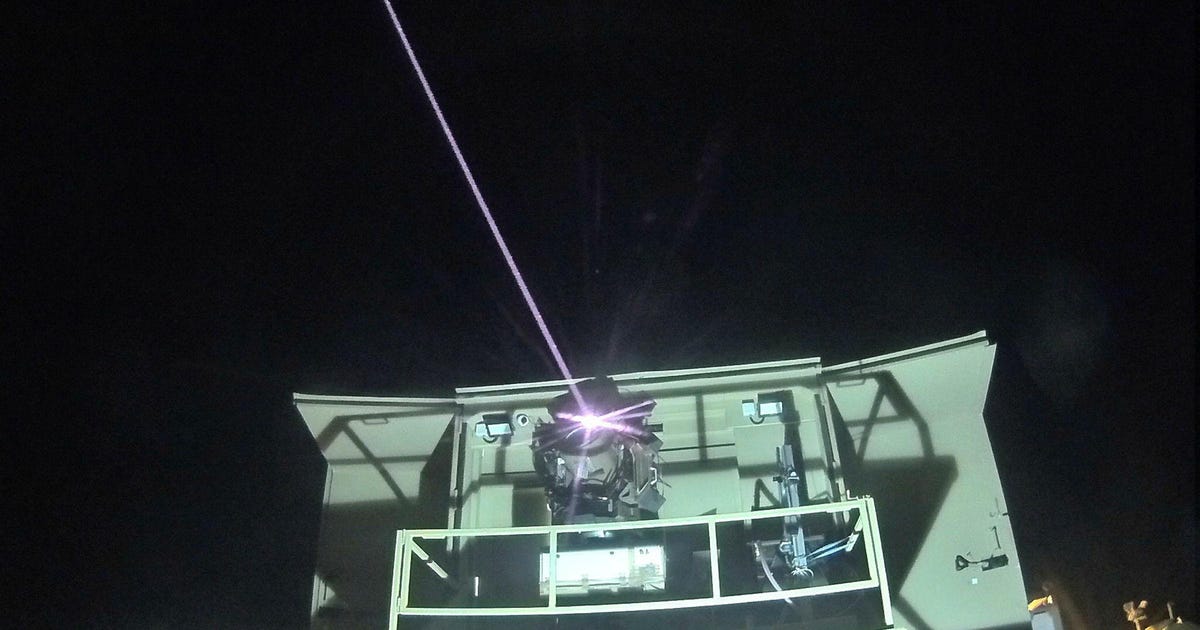
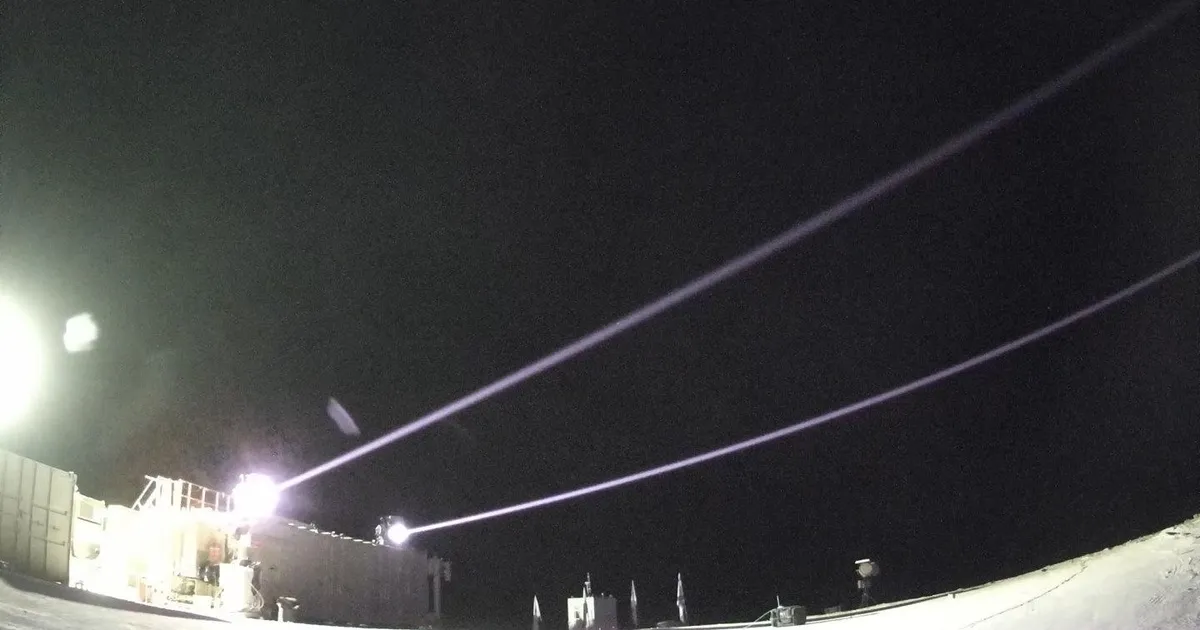
'This isn’t science fiction': Israeli Air Force says laser-armed helicopters could arrive within two years
Why is Israel still struggling to counter the drone threat, how could airborne lasers soon transform the battlefield, and can the Israeli Air Force destroy Iran’s nuclear program? Col. M. offers a rare inside look at the war and the future of airpower
2,608 words~12 min read