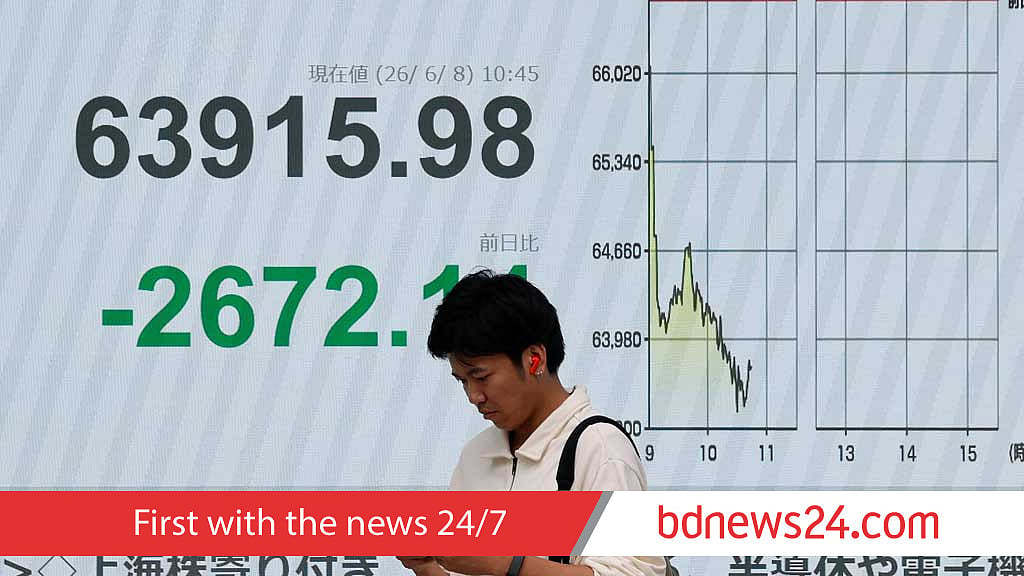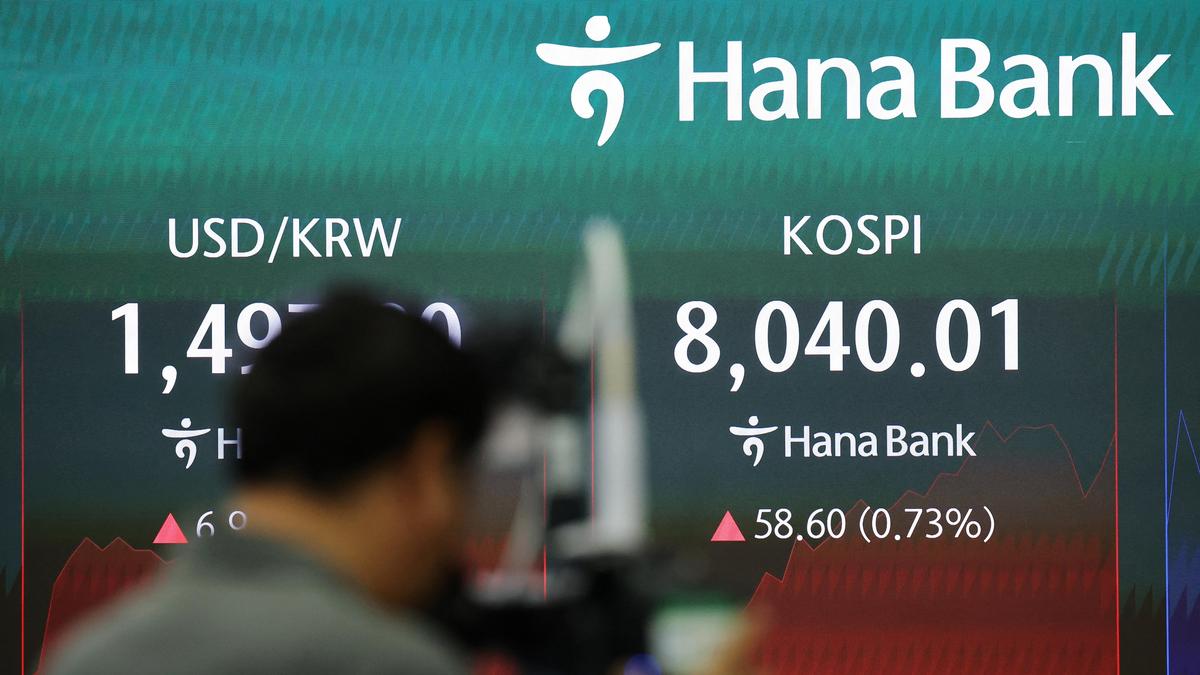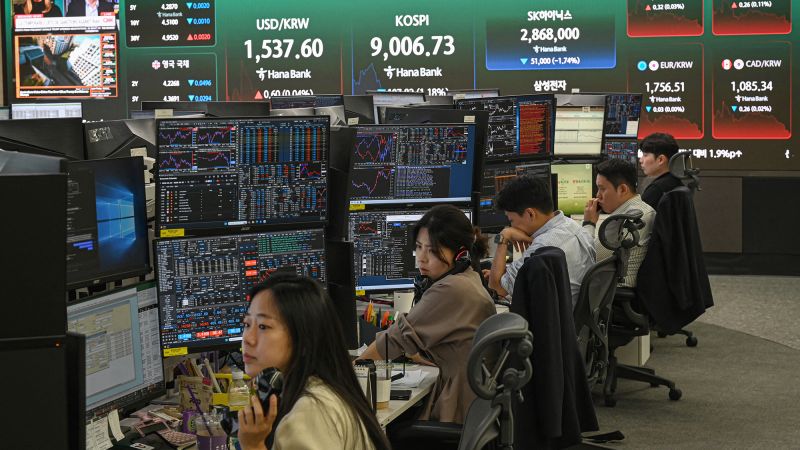
Last Friday was a day when the logic of investing in uncorrelated assets broke down in the US markets. Most stocks fell, while semiconductor stocks crashed. Bonds declined as yields spiked. Gold and silver retreated. Crypto cracked. Crude oil slipped. The iShares MSCI South Korea ETF traded in the US tumbled 14.1 per cent (see table). The only thing that went up — and no, that is not a bullish sign — was the VIX or CBOE Volatility Index, which shot up nearly 40 per cent, implying fear was the only winner.Multiple triggersThe trigger was not one shock but a pile-up. Results from Broadcom after market close on Wednesday triggered a rout in semiconductor stocks on Thursday and Friday. A solid 48 per cent year-on-year increase in its May quarter revenue was overshadowed by its July quarter outlook for AI chips, which fell short of investor’s lofty expectations.Further, on Friday, the release of US jobs data for May which solidly beat forecasts added fuel to expectations that the US Fed is now likely to get hawkish amid high inflation and good job market (negates need for rate cuts). This pushed bond yields higher, with the 10-year Treasury yield moving above 4.5 per cent. These factors hurt the two trades that had dominated 2026: Long AI and rate-cut bets. When expensive growth stocks meet rising yields, even good stories need fresh oxygen.Furthermore, market sentiment has soured over concerns that Big Tech firms may pivot from being buyers of their own equity to net sellers, as they divert capital to fuel their relentless AI infrastructure build-out. Alphabet, Google’s parent, last week moved to raise nearly $85 billion through an upsized equity plan to fund AI ambitions. On Friday, Facebook parent Meta’s stock fell after reports said it could raise tens of billions of dollars for its own AI push, though the company called the report speculation.That shift matters. For years, cash-rich technology giants were machines of buybacks. Now, the AI build-out is so large that even the richest companies are testing the limits of internal cash flow and debt markets. As bond yields rise, expensive or overvalued equity can become the cheaper currency to fund the build-outs as compared to debt. While Alphabet’s offering found strong bids, including from Berkshire Hathaway, concerns could build over a flood of supply hitting markets. Rumours of additional offerings from Big Tech come just as SpaceX is expected to launch a roughly $75-billion IPO next week. Add to this potential mega listings from Anthropic and OpenAI, and markets may have to brace for an unprecedented wave of equity issuance.For example, the largest cash equity issuance before Alphabet’s offering was during the US government bailout of AIG, when Treasury bought $40 billion of newly issued preferred stock and took a 79.9 per cent stake in the company. The transaction size was unprecedented and massive but was warranted in a crisis situation. Alphabet’s capital raise is more than twice as large — and more could follow.Gold’s decline made its returns flat for the year against the dollar, while silver has slipped into negative territory.Crypto did not offer an escape either. Bitcoin fell about 16 per cent for the week amid a record streak of spot bitcoin ETF outflows and a break from its dominant scarcity and institutional-demand narratives. Friday even saw bitcoin drop below $60,000, sinking to lowest level since October 2024 taking its brutal drawdown to well over 50 per cent from all-time highs in 2024.Nor was the decline in oil a comforting signal. Prices fell on Friday, but global inventories are being drawn down as the Hormuz crisis escalates and the risk of a price spike remains.The week ahead now carries three pressure points — the aftershock of the AI sell-off, concerns on the supply of mega equity paper, and geopolitical risk in oil. Markets may have to absorb both fear and fresh issuance.Mind your surroundingsFor Asia and India, the risk is not a straight-line repeat of Friday, but the backdrop has become less forgiving. Among other concerns, the Japanese yen, which had been hovering near 40-year lows, is now strengthening against the dollar at a time when inflationary pressures are spreading. This is reviving expectations of intervention in currency markets. While there is ongoing debate over whether yen carry trades have fully unwound, the risk remains that a major intervention by Japan — similar to that seen in August 2024 — could create fresh pressure on global markets.Going by a few other signals that emerged after the US markets closed on Friday, it appears fear can spike further as tensions escalated in the Middle East conflict. Unless there is any progress over the weekend on the US-Iran stalemate, investors need to brace for more turbulence in the week ahead. The clearest signal comes from how Nikkei 225 Futures which closed on Friday down by massive 5.6 per cent. All eyes will be on how Japan and Korea open on Monday, setting the tone for Indian markets. As Liam Neeson tells Christian Bale in Batman Begins — ‘always mind your surroundings’, investors need to mind the factors mentioned above that surround the market environment today.Published on June 6, 2026
The day all hedges fell
Markets face turmoil after an AI sell-off, rising yields, and geopolitical tensions, prompting investor caution and volatility.
863 words~4 min read