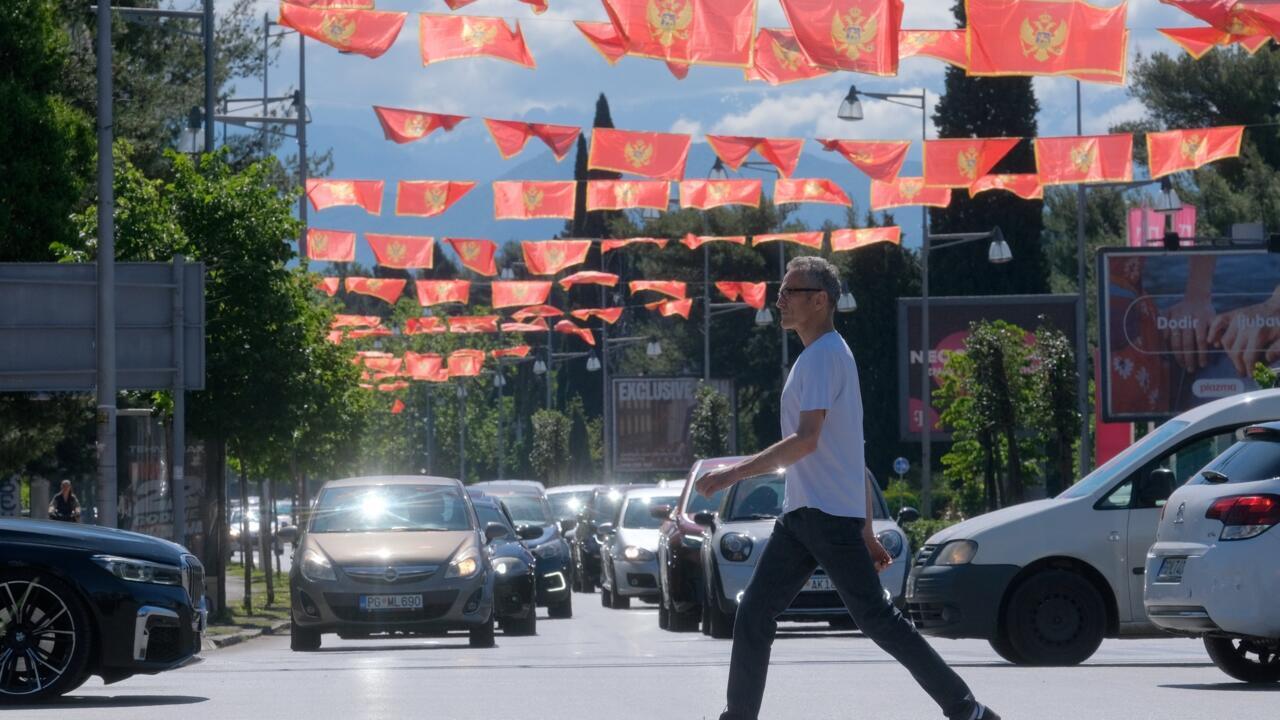
Welcome back. When I launched this newsletter, I promised you zeitgeist, so here's the zeitgeist — I am filing this at ungodly hours, from a flat in Tivat, on the coast of Montenegro, on five hours' sleep, praying for no typos and my keyboard on fire. But oh boy how I love this job.
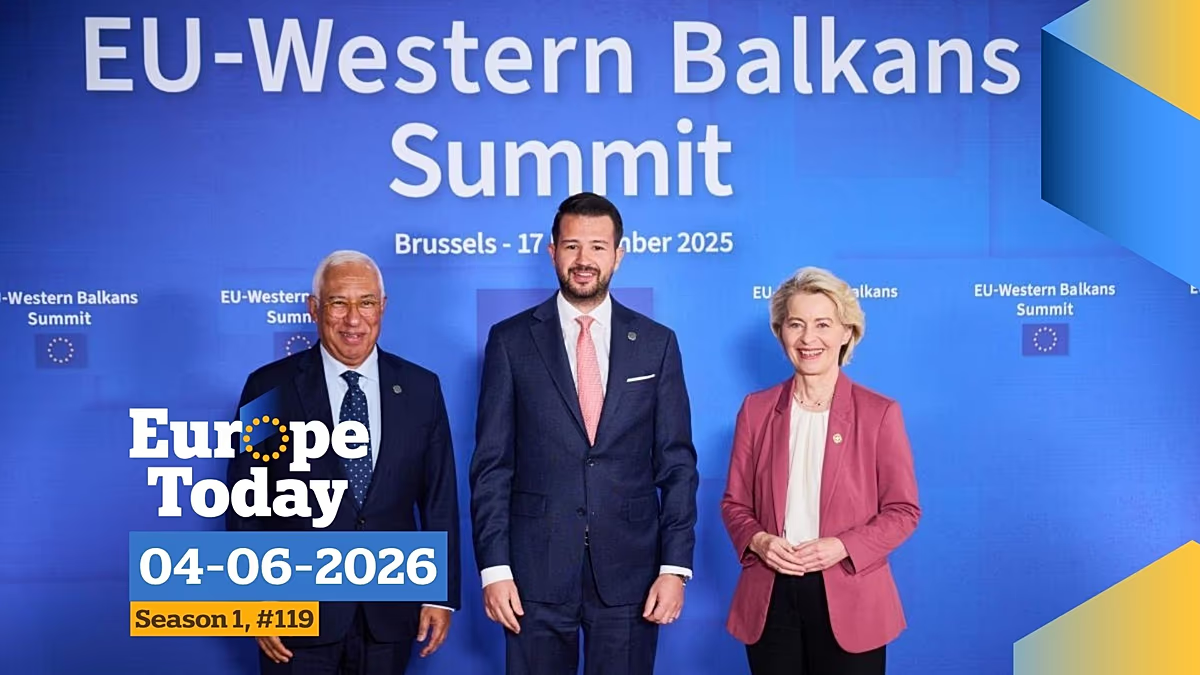
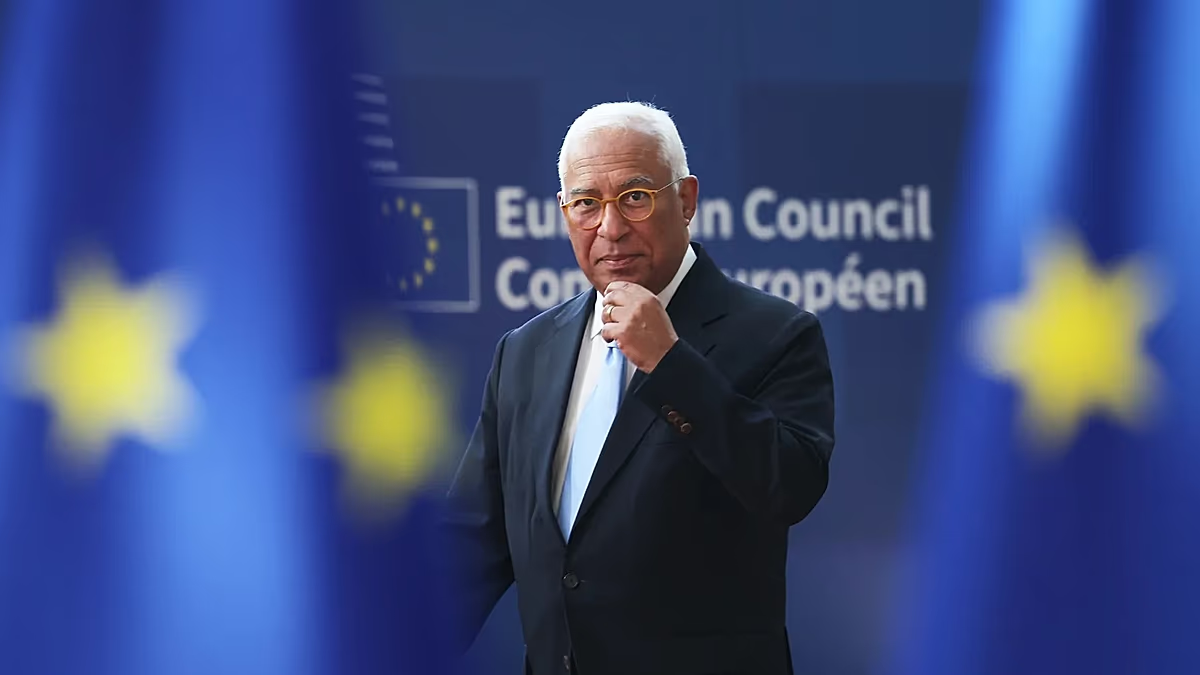
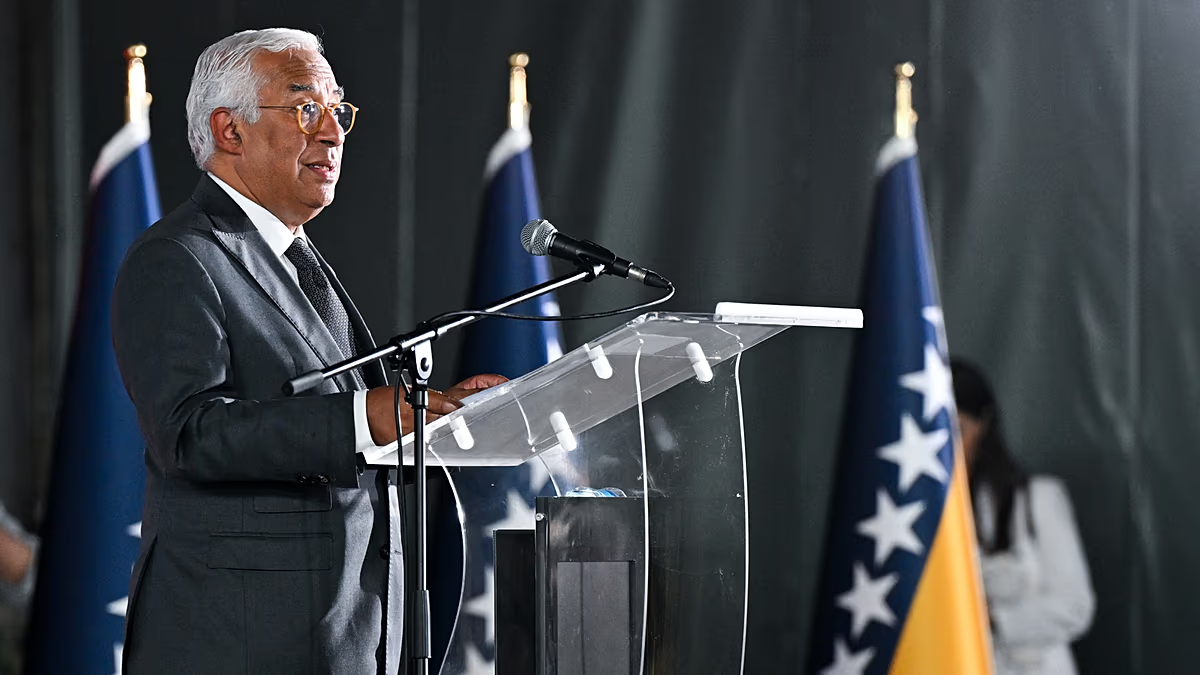
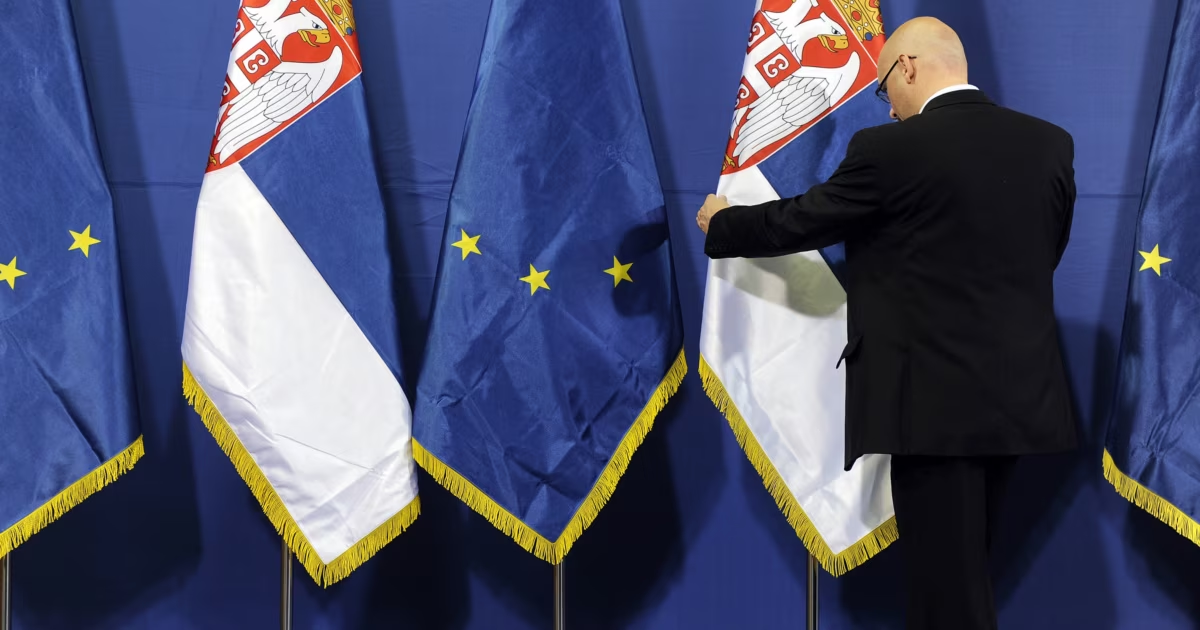
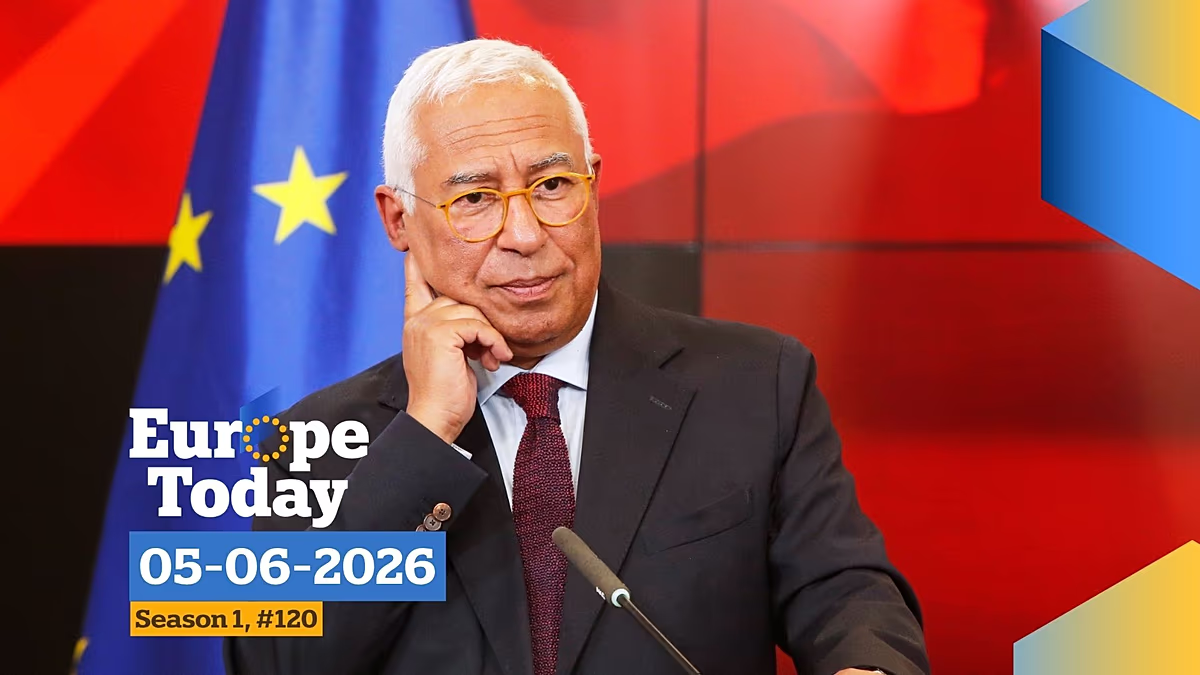
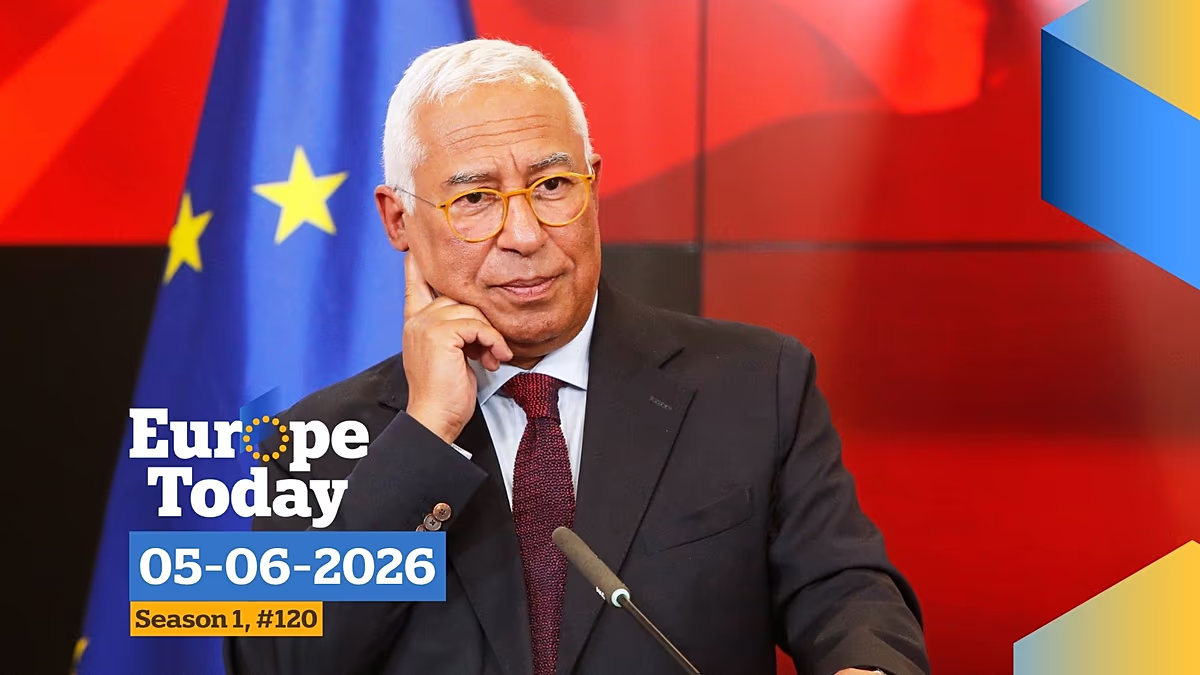
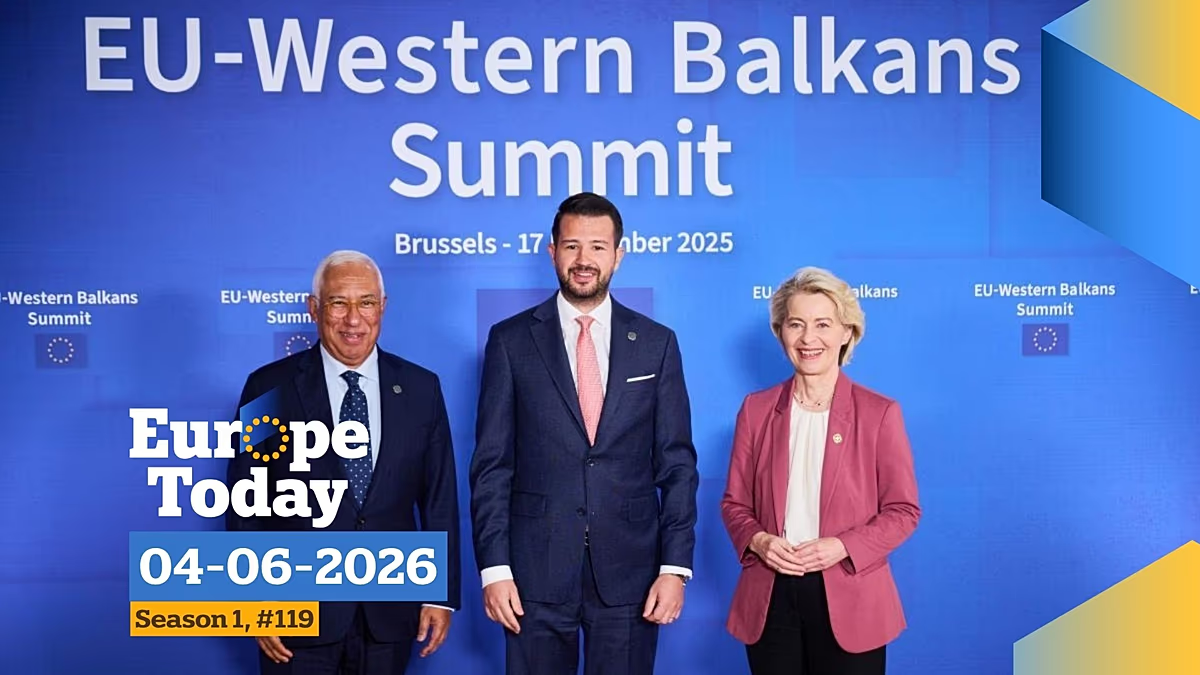
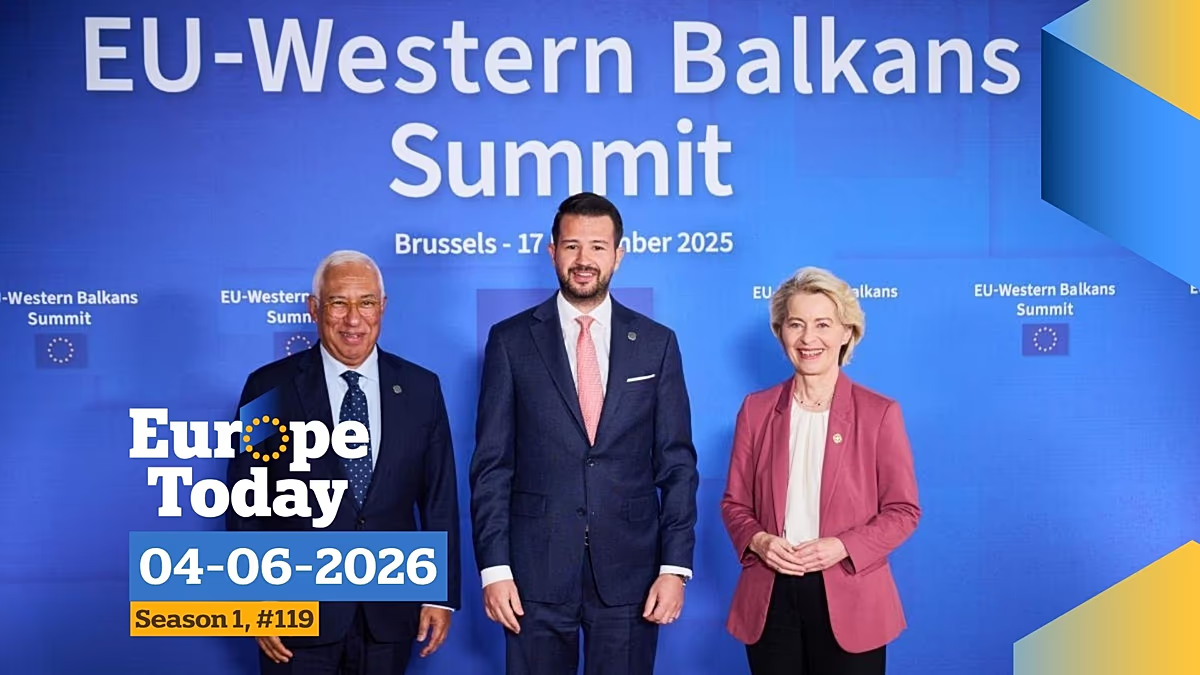
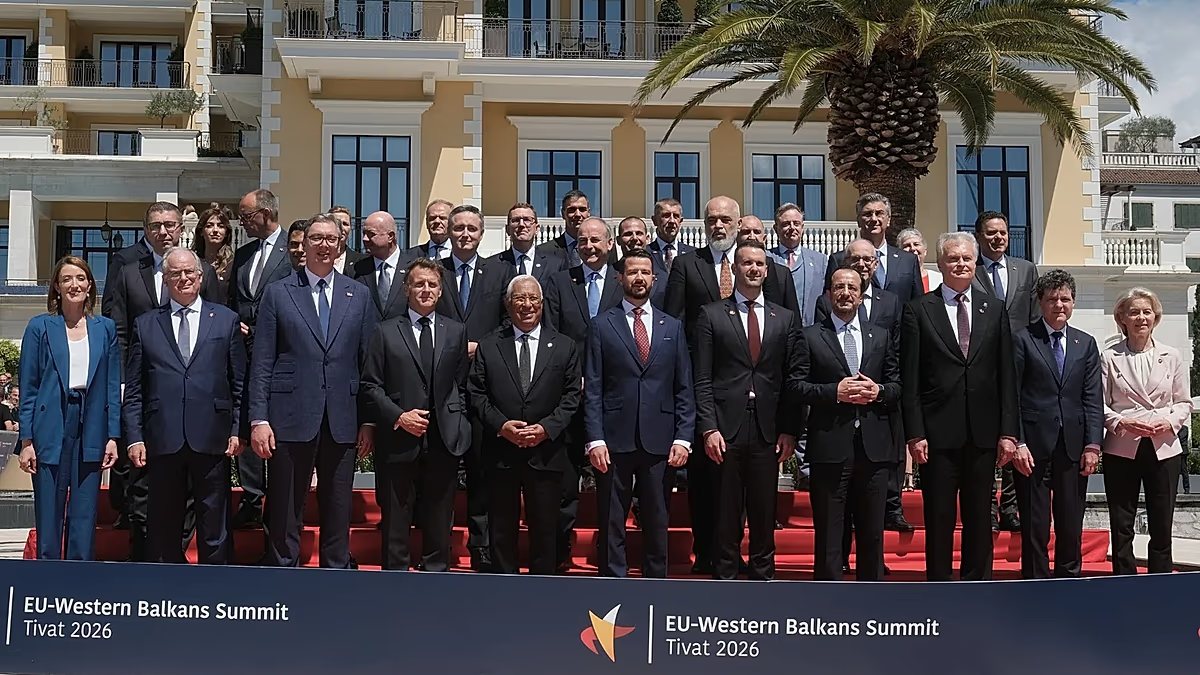
This week, we were deployed alongside my producer Paul and my cameraman Pierre to Porto Montenegro for the EU-Western Balkans summit. To kick off, we sat down with António Costa on the eve of the gathering. The European Council chief told me there is real momentum for enlarging the European Union, which is a big statement to make in the Balkans, where accession has been associated for a good two decades with lost promises and missed deadlines.
But he has a point.
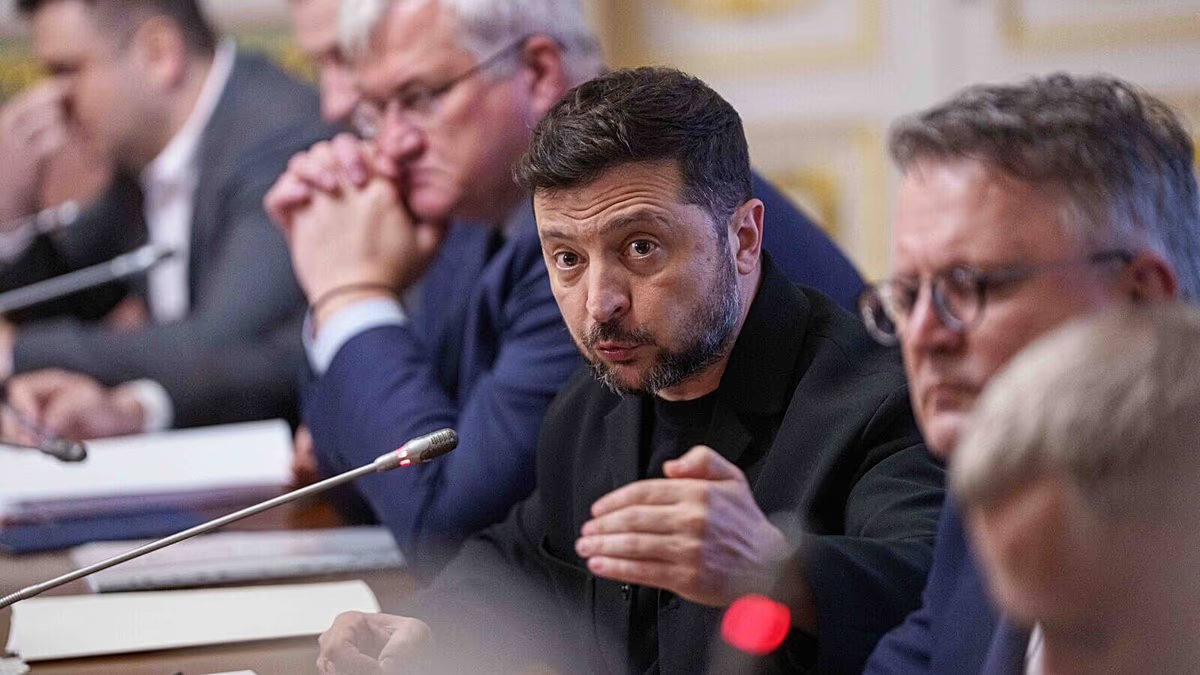
Hungary's decision to lift its veto on Ukraine – and by extension Moldova – to formally open accession negotiations ahead of the Western Balkans summit has revitalised the process and lifted the mood in Brussels.
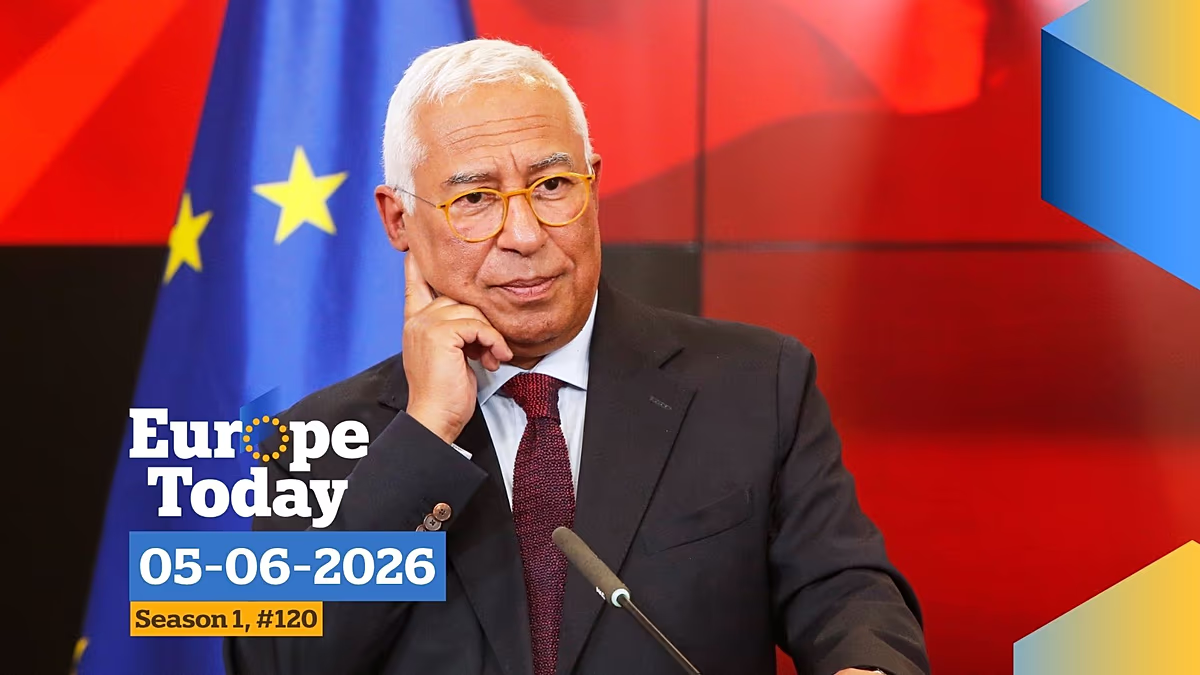
For the Council chief, the decision signals a new entente cordiale among Europeans, and the upcoming EU summit in June will be used to show just that. It is also a sweet victory for Costa after he proclaimed that no one – in a clear reference to Viktor Orbán – would blackmail the Council under his watch. After all, his crediblity depends on that.