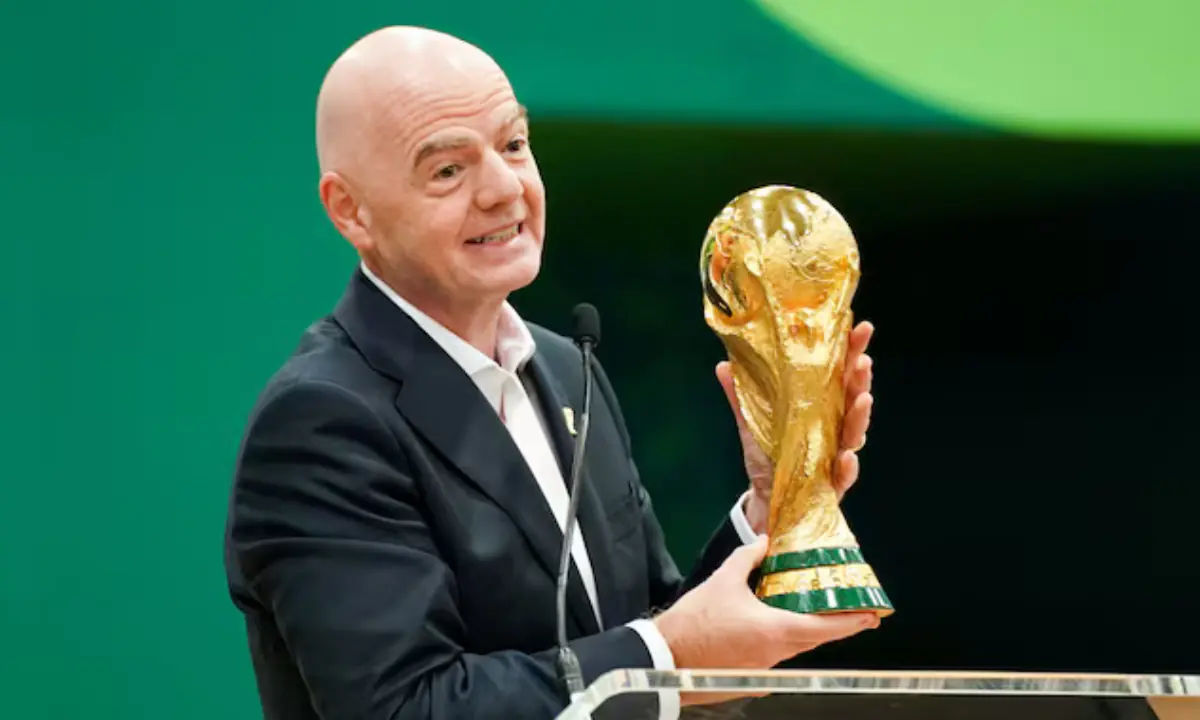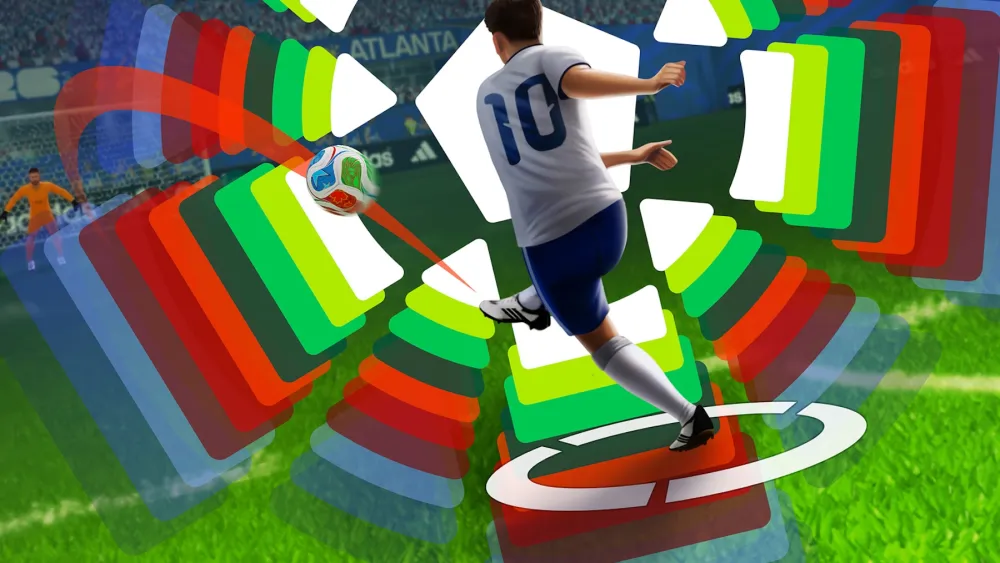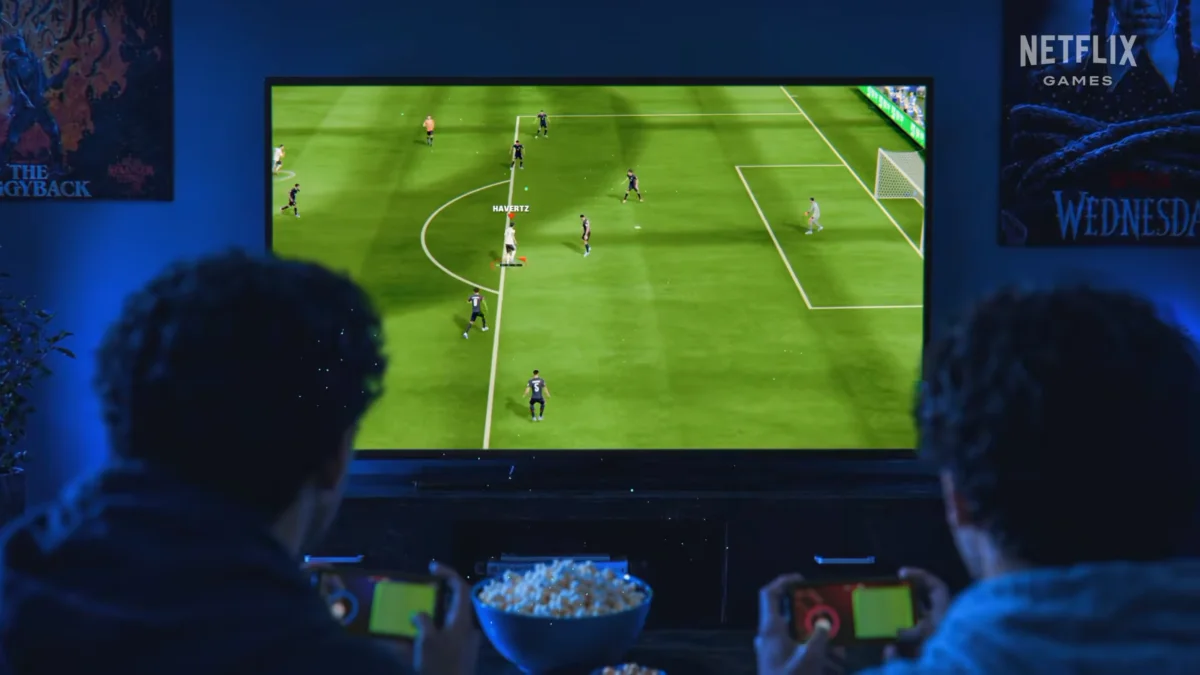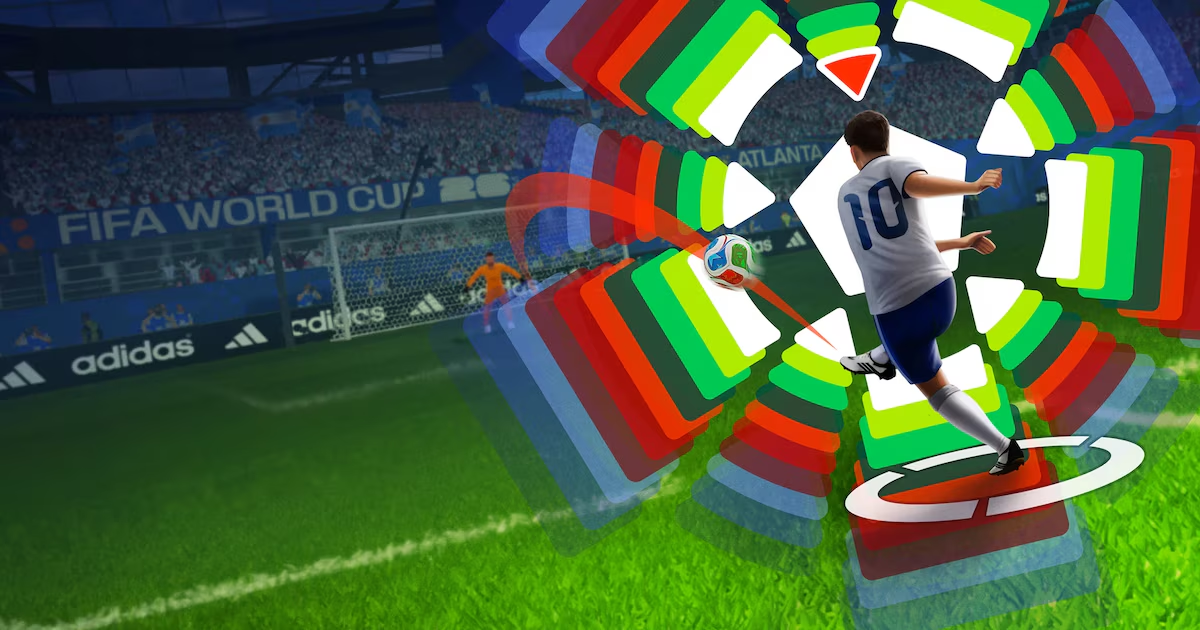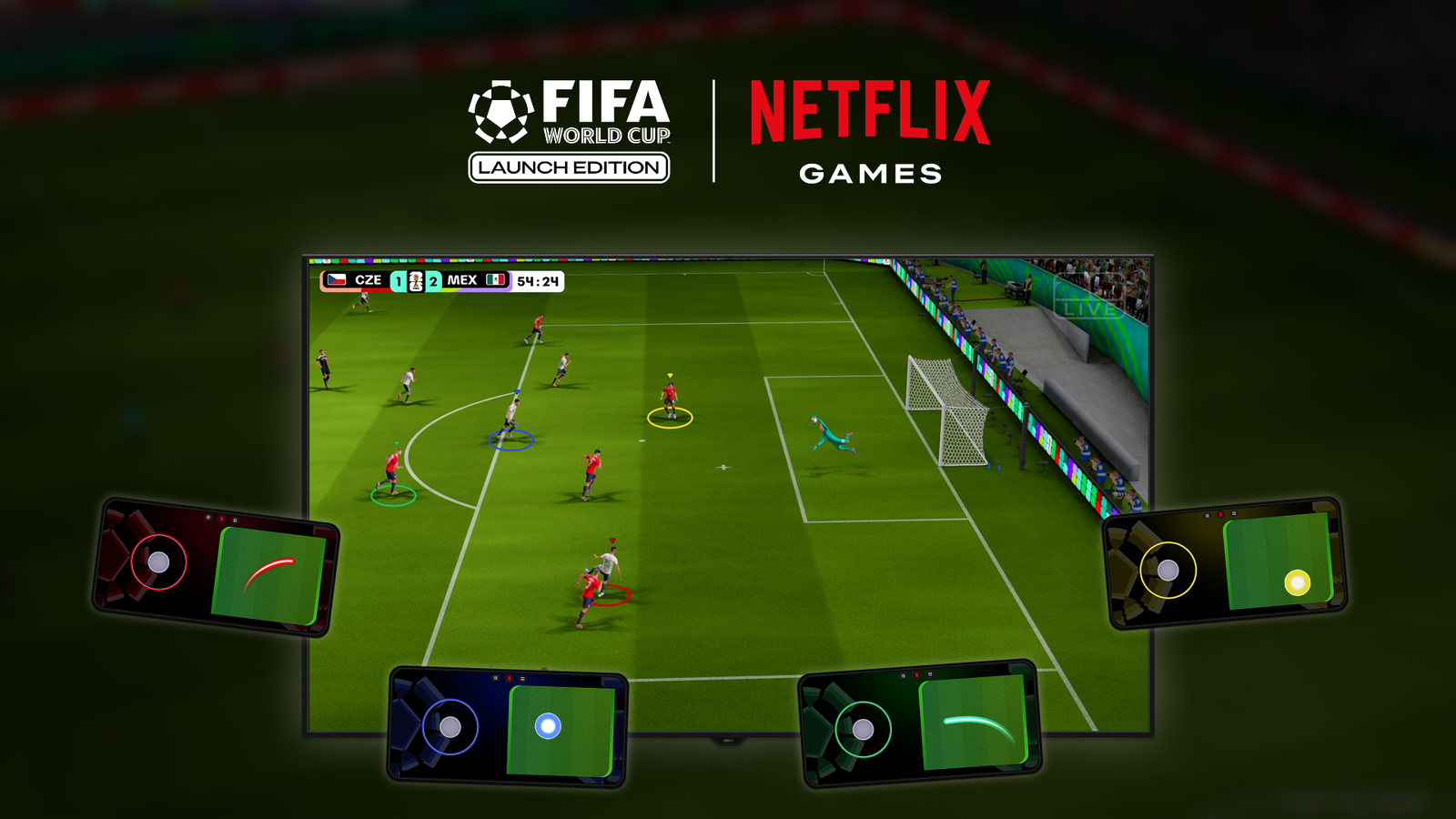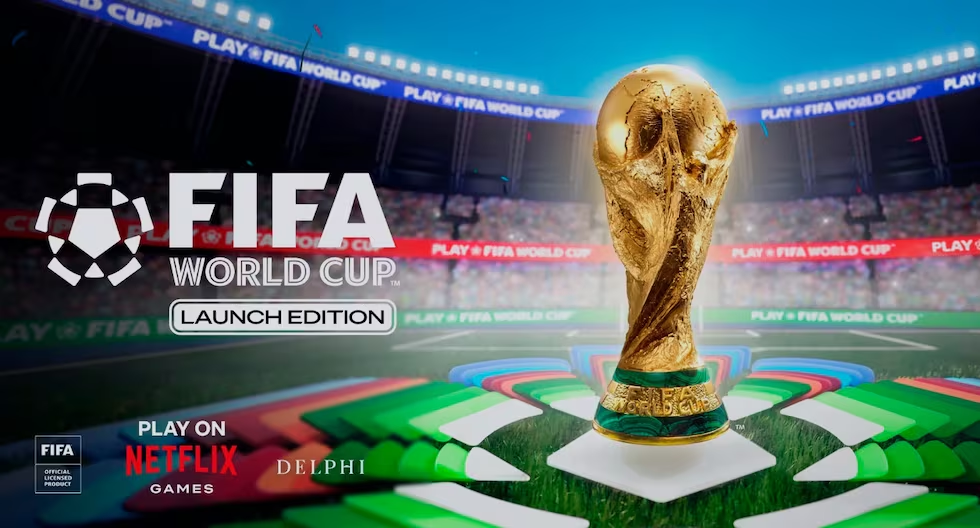
FIFA partners up with Netflix for World Cup Launch Edition, marking unlikely return to football gaming after EA Sports split and first new video game releaseFor three decades, FIFA and EA Sports were virtually inseparable. The annual FIFA video game series became one of the most successful sports gaming franchises in history, helping define football culture for multiple generations of players. That relationship came to an end in 2022 after the two sides failed to agree new commercial terms, leading EA Sports to rebrand its flagship title as EA Sports FC.Now, almost four years later, FIFA has officially returned to football simulation gaming with the launch of its own World Cup title.FIFA's first major football simulation game since the EA splitFIFA and Netflix Games have announced the release of FIFA World Cup: Launch Edition, which will become available exclusively through Netflix Games on June 11, the same day the 2026 FIFA World Cup kicks off across the United States, Canada and Mexico. The game will be included with Netflix memberships at no additional cost.The game represents FIFA's most significant entry into the football simulation space since its separation from EA Sports and forms part of its recently unveiled Digital Football Strategy, marking FIFA World Cup: Launch Edition as the first-ever gaming deal between FIFA and Netflix.Designed as a streamlined football simulation experience, the game allows fans to play as any of the 48 nations competing at the expanded 2026 World Cup.Players can compete across all 16 official tournament stadiums and select from more than 1,200 footballers who could feature during the competition.According to FIFA, the title is intended to capture "the excitement, emotion and universal appeal" of the World Cup while remaining accessible to players with varying levels of gaming experience.How the game worksUnlike EA Sports FC, which remains focused on high-end console and PC gaming, FIFA World Cup: Launch Edition takes a different approach.The game is built around Netflix's cloud gaming technology and is played through a television or computer screen, while a smartphone functions as the controller.Players launch the game on a compatible smart TV or browser, scan a QR code using their phone and immediately gain control of their team through touchscreen commands.FIFA says the format has been designed to make the experience accessible even for people who rarely play video games."In FIFA World Cup: Launch Edition, your phone is the controller and your TV is the stadium," FIFA explained.The game supports up to four players simultaneously and has been built around quick access and simple gameplay rather than the deep simulation systems associated with traditional football gaming franchises.FIFA has also stressed that this is only the beginning of a larger project, with additional updates, features and expanded functionality planned after launch.Limited launch in 20 countriesThe game will initially only be available in markets where Netflix currently supports its "Games on TV" beta platform.That means access at launch will be restricted to 20 countries: Australia, Austria, Belgium, Brazil, Canada, Finland, France, Germany, Ireland, Italy, Mexico, the Netherlands, New Zealand, Poland, South Africa, Spain, Sweden, Switzerland, the United Kingdom and the United States.A limited testing phase began in Brazil and Germany on June 4 before the worldwide launch across supported territories on June 11.Netflix has indicated that additional countries could be added as its cloud gaming infrastructure expands.Importantly, the game cannot be played directly on a mobile screen despite requiring a smartphone. The television or computer serves as the display, while the phone acts solely as the controller.Why FIFA and EA Sports went separate waysThe launch also serves as another reminder of one of the most significant breakups in gaming history.After nearly 30 years together, FIFA and EA Sports ended their partnership following a dispute over the future direction of the franchise.At the centre of the disagreement was money.Reports at the time indicated FIFA wanted to double its licensing fee from roughly $150 million annually to around $300 million per year, creating a package worth more than $1 billion over a four-year World Cup cycle.However, financial terms were only part of the disagreement.EA reportedly wanted greater freedom to expand into new digital areas, including esports, broader commercial partnerships and additional gaming experiences. FIFA, meanwhile, wanted tighter control over how its brand was used and sought the flexibility to license its name to multiple developers across different gaming projects.The result was a split that ended one of gaming's most recognisable partnerships.EA Sports FC vs FIFA World Cup: Two very different pathsThe separation has produced two dramatically different football gaming strategies.EA Sports retained direct licensing agreements with FIFPRO, domestic leagues and clubs, allowing it to keep the vast majority of real players, teams and stadiums under the EA Sports FC banner.FIFA, meanwhile, has adopted a multi-partner approach.The governing body already works with Konami's eFootball through the FIFAe World Cup and maintains a licensing agreement with Sports Interactive's Football Manager, whose mobile edition is also available through Netflix.FIFA World Cup: Launch Edition represents FIFA's return to simulation football gaming, but it is very different from the traditional FIFA games many fans remember.Rather than competing directly with EA Sports FC on consoles at launch, FIFA is targeting accessibility, simplicity and World Cup engagement through Netflix's ecosystem.The title has been developed alongside Delphi Interactive, which previously collaborated with IO Interactive on 007: First Light, and FIFA says the long-term plan includes expanding support beyond its initial cloud gaming format.For now, however, football's governing body is using the World Cup itself as the launchpad for a new era in gaming, marking its first major football simulation release since ending one of the most influential partnerships in sports entertainment history
FIFA returns to football gaming after EA Sports split, partners with Netflix for World Cup: Launch Edition in surprise first video game deal
For three decades, FIFA and EA Sports were virtually inseparable. The annual FIFA video game series became one of the most successful sports gaming franchises in history, helping define football culture for multiple generations of players.
935 words~4 min read