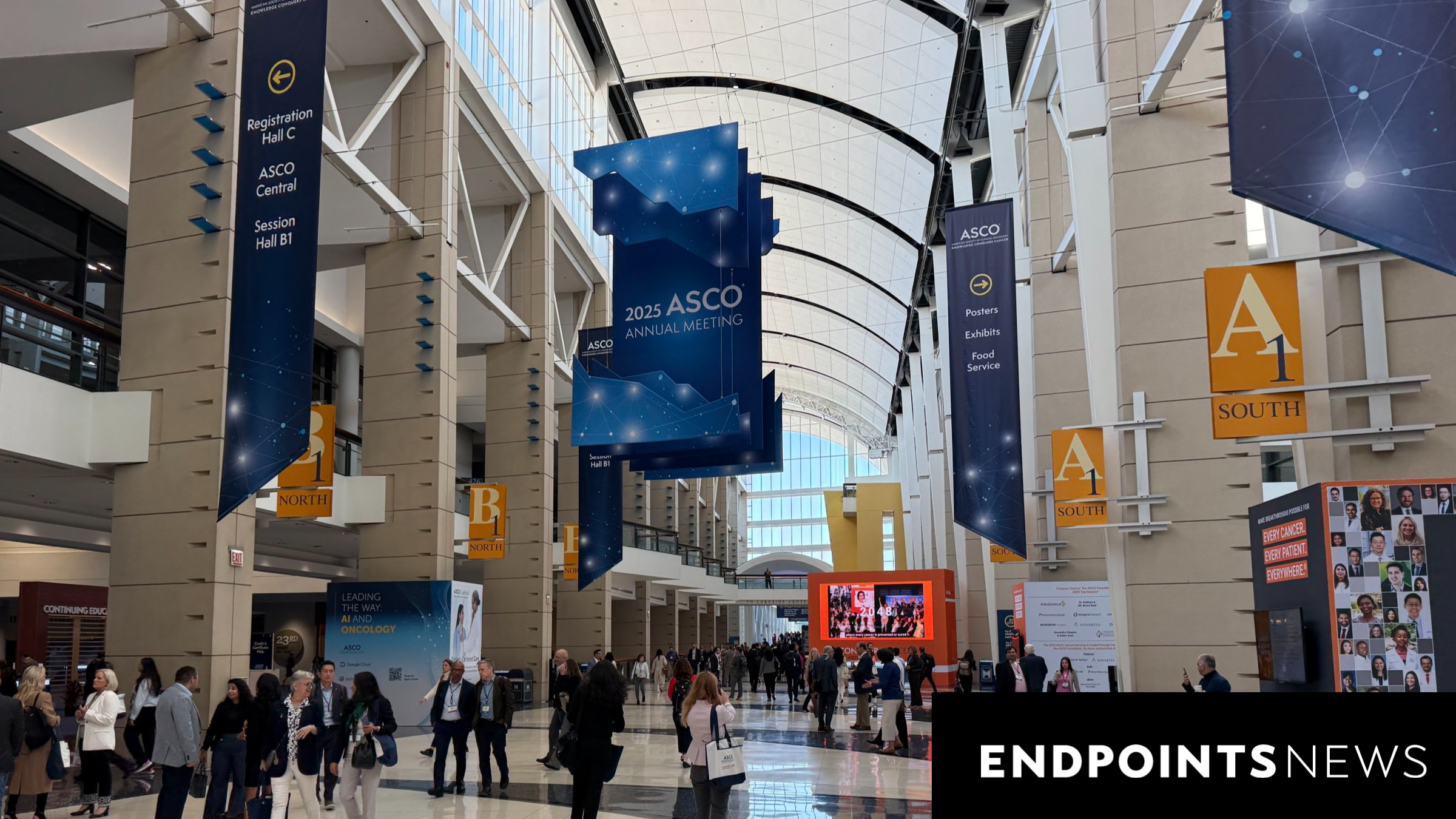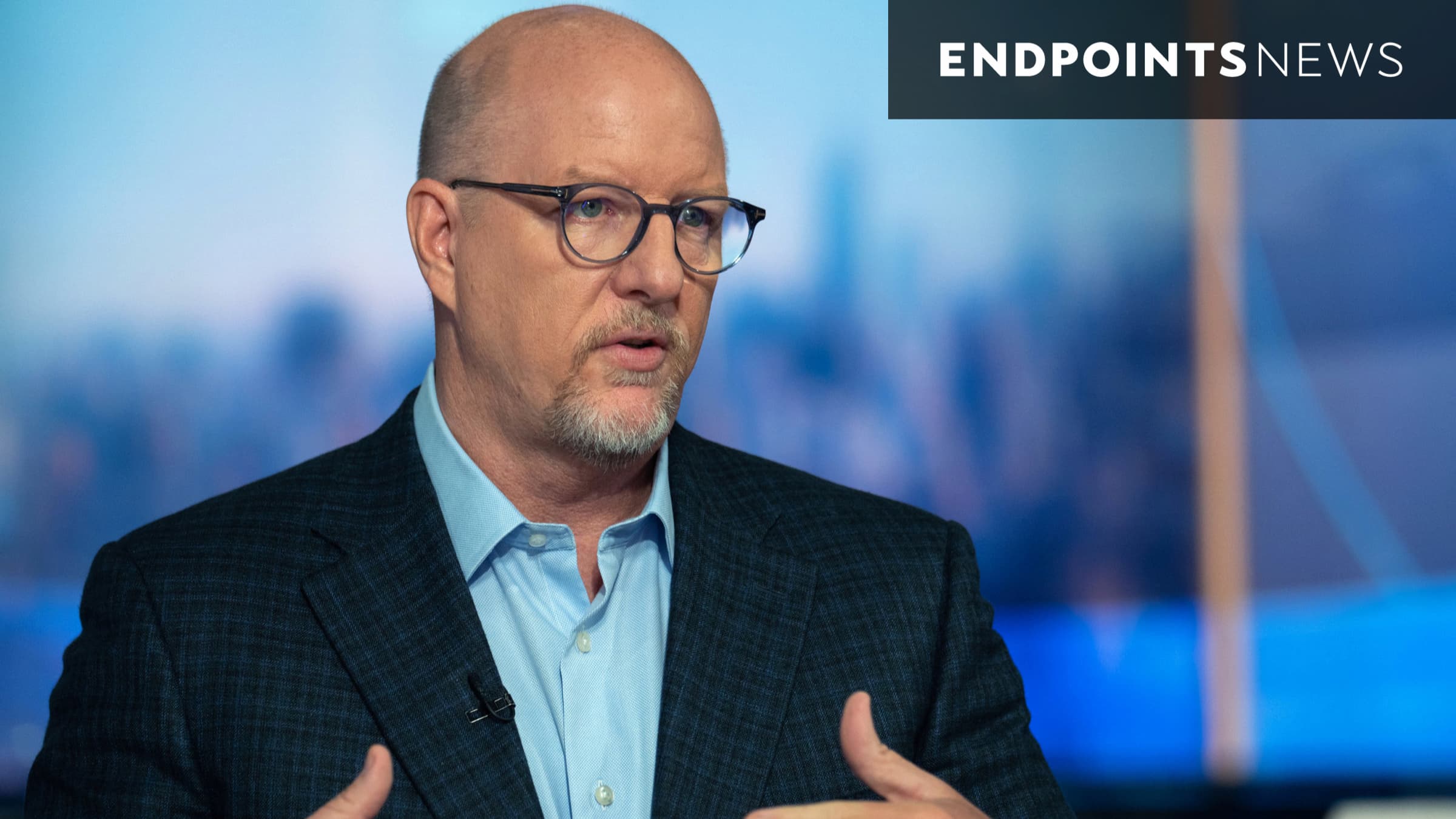
Investors have poured billions into the hunt for the next Keytruda. The latest data carries a sobering message: there may be no single successor to Merck’s mega-blockbuster in cancer.One medicine approved across dozens of cancers is giving way to something more fragmented.No company is riding that hope harder than Summit Therapeutics. A couple of years ago, the biotech backed by billionaire Bob Duggan published data suggesting its drug, ivonescimab, beat back a form of lung cancer longer than Keytruda did. The stock rocketed, turning a company with no approved product into one worth over $20 billion at its peak, more than Moderna is worth today. Investors began to believe something better than Keytruda had finally arrived.Yet as more data arrives, Summit’s drug is looking less a Keytruda killer than a contender for a slice of its market. Even after a steep fall this week, Summit is still worth over $11 billion, a rich price for a biotech with no approved drug in the U.S.Summit and a handful of rivals presented data on the new approach at the recent ASCO cancer conference in Chicago. These drugs build on what Keytruda does by adding a second punch. Like Keytruda, they release the immune system to attack a tumor. In addition, they choke off the blood supply the tumor needs to grow. The idea, in a nutshell, is to switch on the immune system and starve the cancer at the same time.The results, published in The Lancet, looked broadly positive. Summit’s study showed that patients in China on ivonescimab plus chemotherapy lived a median of about four months longer than those on a rival immunotherapy. That is a win on overall survival, the measure that matters most to doctors and regulators.But the trial that will make it count in the U.S. hasn’t been reported yet. Data from an international study due later this year will pit ivonescimab directly against Keytruda. Everything hinges on those results.There are reasons to be skeptical.Adam Schoenfeld, a thoracic oncologist at Memorial Sloan Kettering, says that if the results hold up outside of China, it could be a genuine breakthrough. This is because the patients being tested have a form of lung cancer closely tied to smoking that has few treatment options.But he sees reasons for caution. The China trial skewed young. The median patient was 64 and no one over 75 was enrolled. In the U.S., lung cancer is typically diagnosed around age 70.More troubling, the survival benefit faded among older patients. Women were also sharply underrepresented, and the comparison drug, tislelizumab, isn’t used against lung cancer in the U.S.The real question is whether this one-two punch innovation represents a true breakthrough.PD-1 drugs like Keytruda revolutionized cancer care by unleashing the immune system rather than poisoning tumors with chemotherapy. This brought years of remission to a lucky minority. Summit’s drug, a so-called bispecific antibody, aims to evolve that strategy by activating the immune system while simultaneously starving the tumor.This dual-action promise has sparked a massive dealmaking frenzy, drawing in heavy hitters like Pfizer, Bristol-Myers Squibb, and Merck. At ASCO, promising early-stage data from Pfizer and the BMS-BioNTech partnership proved that this new drug class is the next major battleground in oncology.But cutting off a tumor’s blood supply has always come with a catch. It is the same mechanism behind Avastin, a drug approved more than two decades ago, and it carries real risks like bleeding, clots and high blood pressure. Those tend to hit older patients hardest.Pairing it with immunotherapy in a single drug appears to somehow sharpen the benefit while reducing the side effects, Schoenfeld said. But it may also be why that benefit faded in the older patients in Summit’s trial, the very group that makes up most lung-cancer cases in the U.S.Sean McCutcheon, an analyst at Raymond James, says these drugs have real potential. But they are fighting for pieces of Keytruda’s market rather than the whole of it.And soon they will face a cheaper rival: copycat versions of Keytruda itself could be on the market by 2028. Tellingly, the whole field is already pushing beyond lung cancer, into tumors like colorectal cancer where Keytruda has largely failed.Summit’s stock has slid about 16% this week. The caution is warranted.The era of the single dominant cancer drug may be ending. One medicine approved across dozens of cancers and selling about $32 billion a year is giving way to something more fragmented.For patients, that means more options. For investors still betting on the next Keytruda, it means a humbler arithmetic.Write to David Wainer at david.wainer@wsj.com
The era of the one-size-fits-all Cancer drug is ending
Investors have bet new drugs can topple Merck’s Keytruda, but the evidence so far points to something smaller.
758 words~3 min read