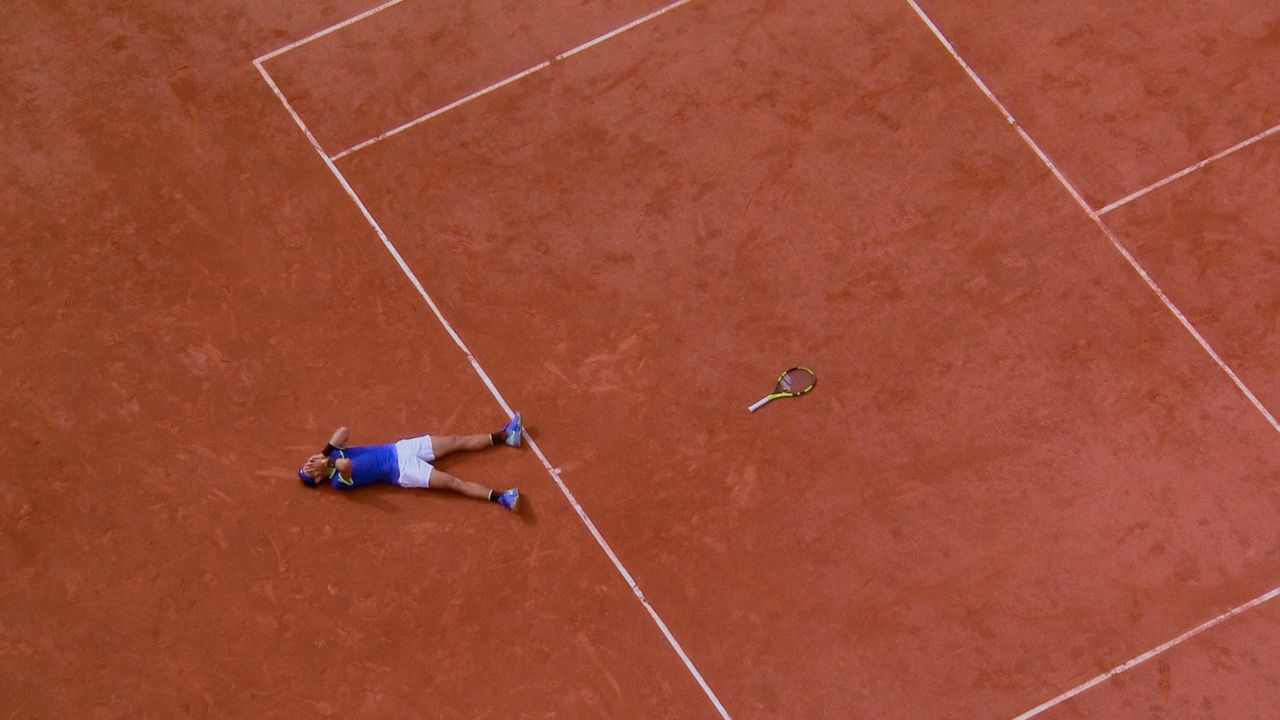
Watching this scene, I found my thoughts turning to the gap between these familiar lyrics and Nadal’s life, as it emerges in “Rafa.” Gaga, in the role of Ally, the titular emerging star of “A Star Is Born,” sings of her desire to free herself from the pain that others might try to inflict upon her; Nadal sees pain not as something to try to run from but, rather, as something to endure and even embrace in order to achieve success.
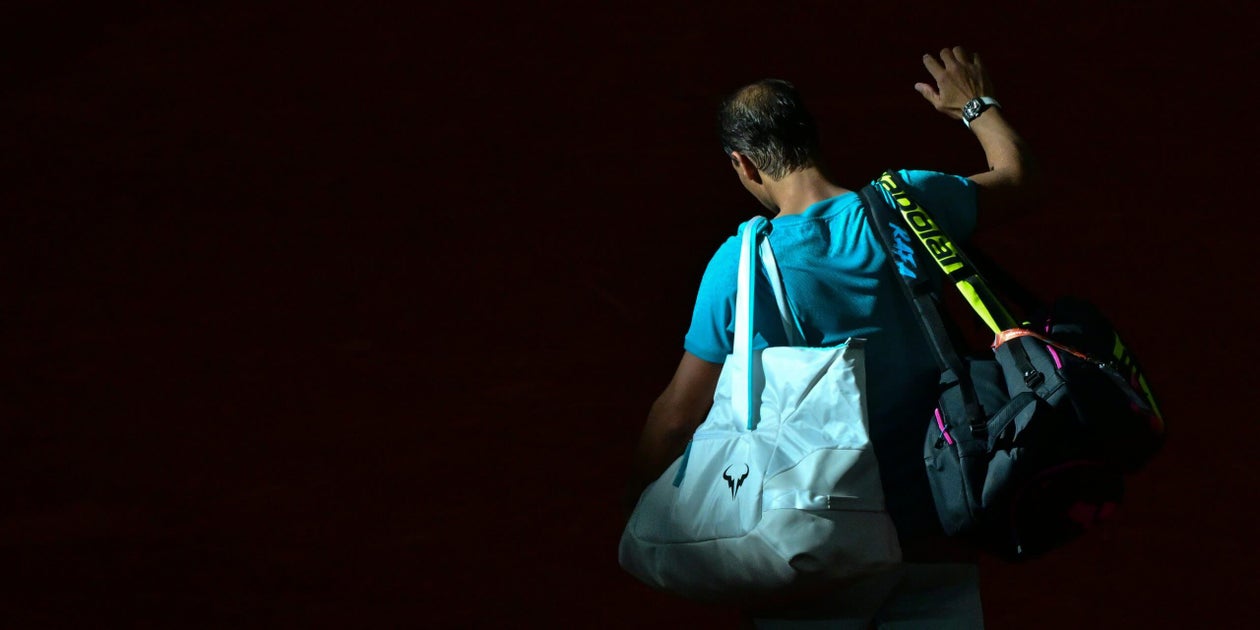
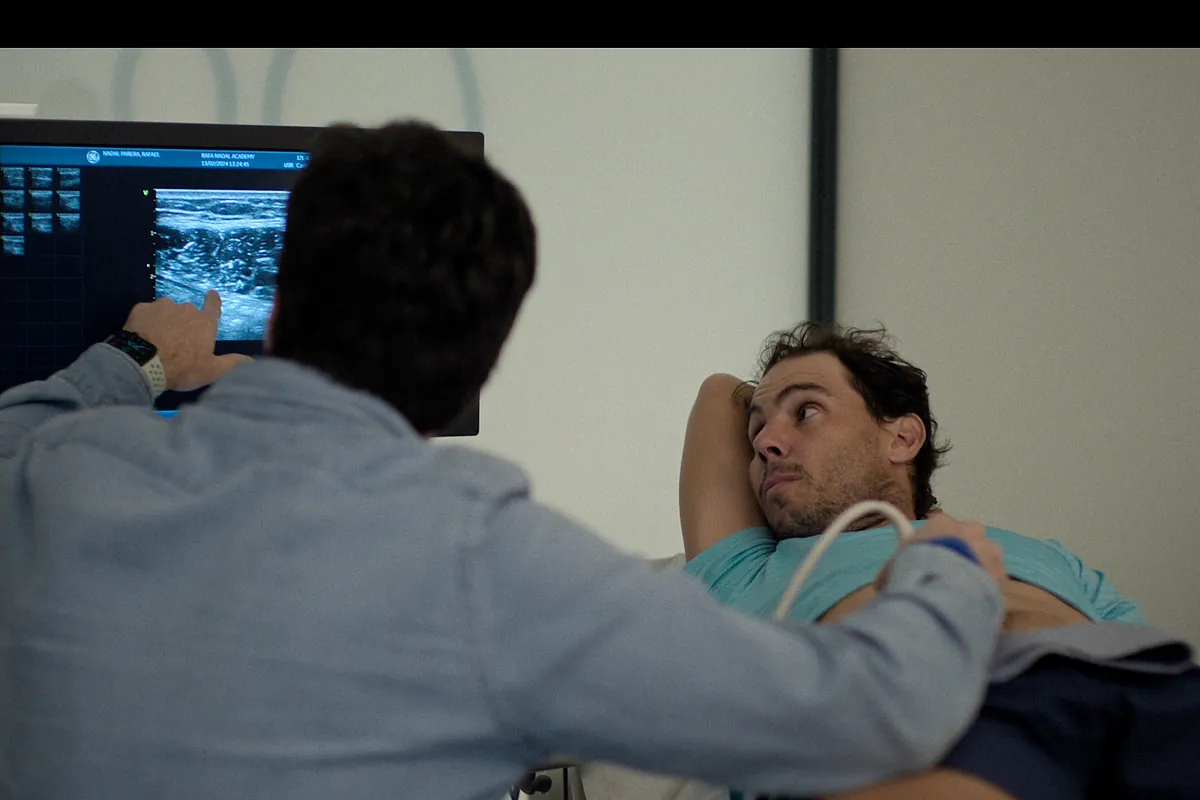
This pain is, first and foremost, physical: almost from the beginning of his record-shattering career, Nadal has weathered a series of intense bodily ailments, from a rare and chronic foot syndrome to knee, back, and hip problems, which made his everyday life and, needless to say, his tennis playing, an exercise in near-constant anguish.
But this pain, especially as the years went on, became almost a belief system. “It was a philosophy.
To learn how to suffer through sport,” his mother, Ana María Parera, tells the camera at one point, a sentiment that his longtime physical therapist, Rafael Maymó, echoes: “Rafa likes to suffer, to have the feeling that he’s pushed himself to the maximum.” For Nadal, in other words, pain has always felt like weakness leaving the body, and “Rafa” shows the boons of this ideology, as well as its undeniable costs.