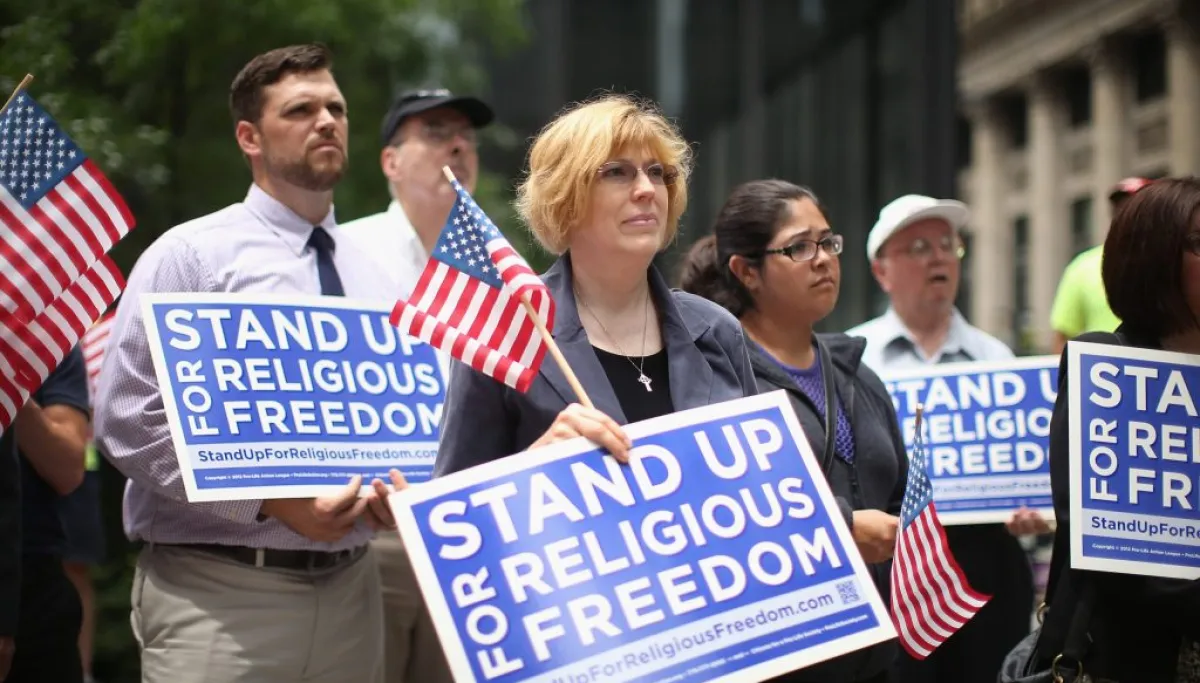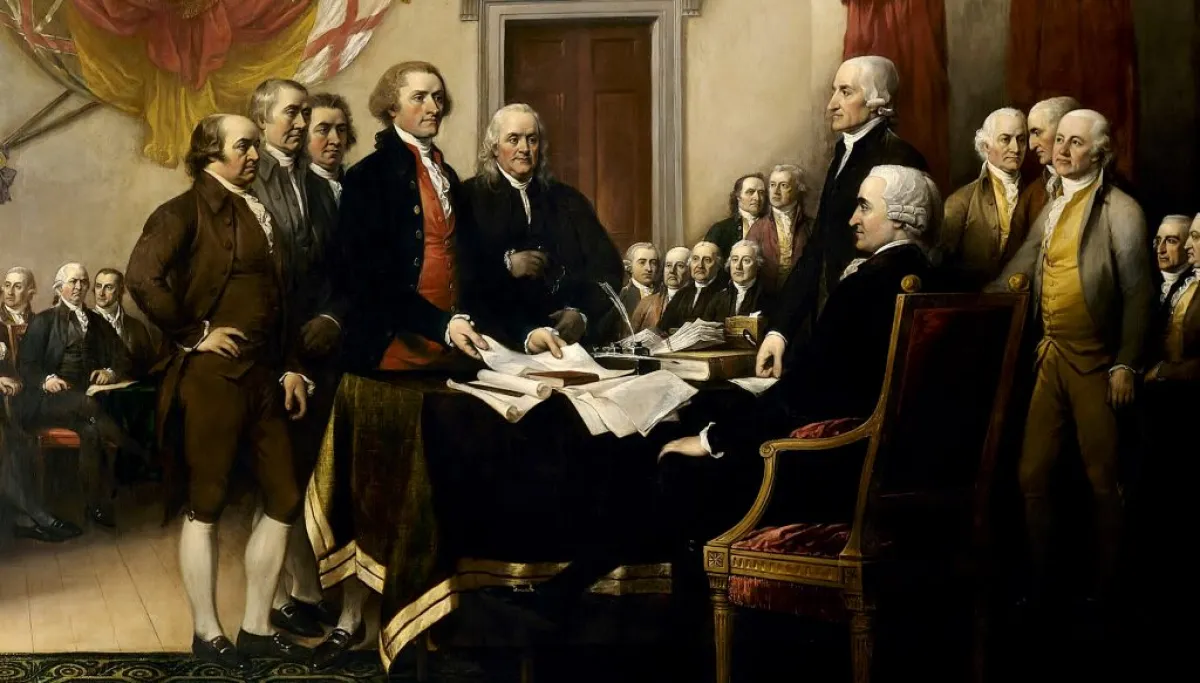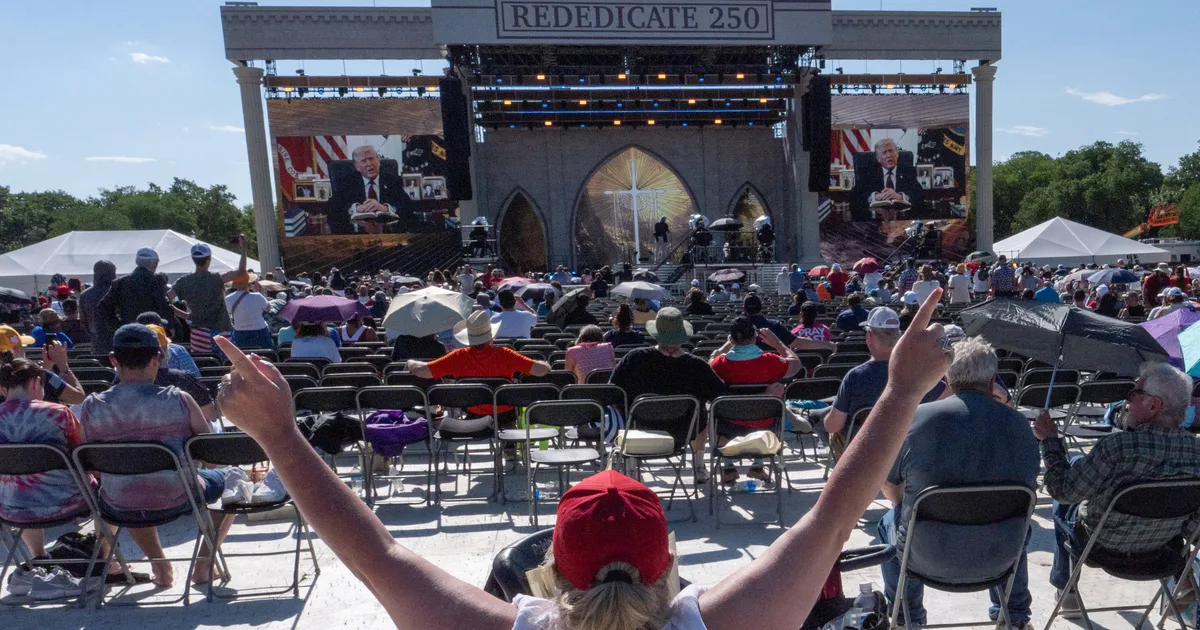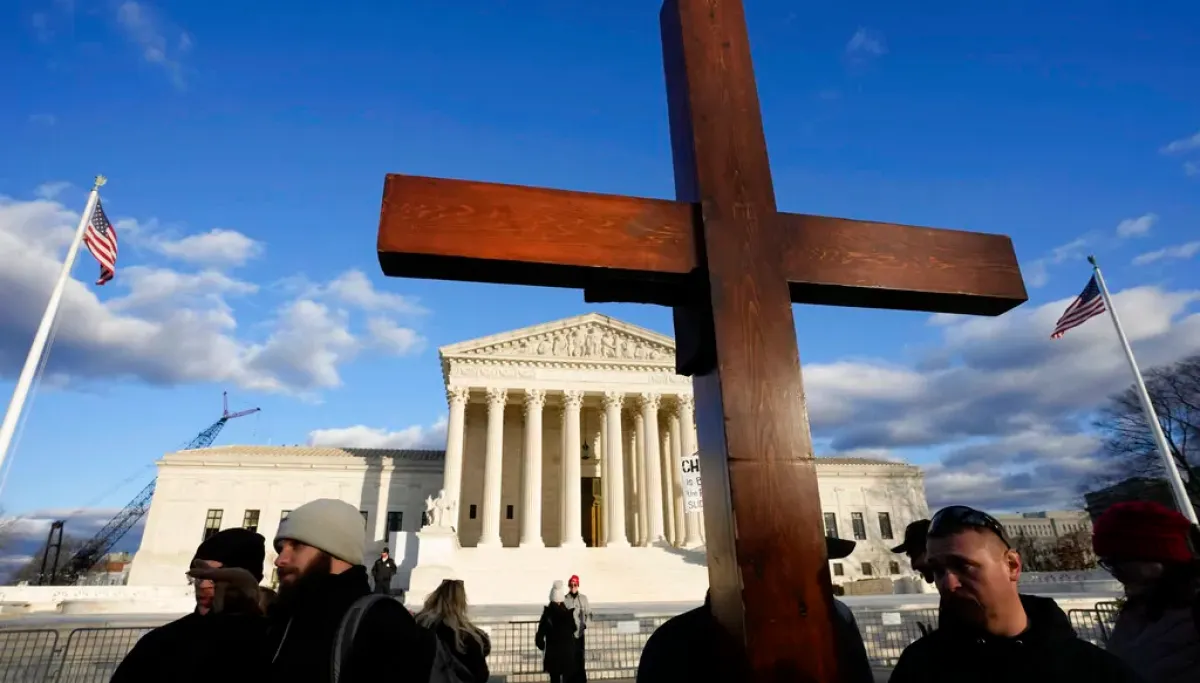
America turns 250 years old this July, and the country it has been telling itself stories about — a Christian nation, founded by a Christian people, on Christian ground — has been a moving target for the entire run.When the Continental Congress signed the Declaration of Independence in Philadelphia in 1776, only about 17% of the people in the new republic were members of a church. That number, established by the sociologists Roger Finke and Rodney Stark and confirmed by every subsequent historical demographer, is not a misprint.The America of the founding generation was a frontier of dispersed settlements, undersupplied clergy, and denominational fences high enough that most colonists who believed and worshipped were never enrolled anywhere. They were Christian in conviction, in language, in the rhythms of the week. But on the membership rolls, they were a minority.
THE SPIRITUAL SICKNESS BEHIND TRUMP’S BLASPHEMOUS JESUS POST
What happened next is one of the most extraordinary religious expansions in the history of any nation. By 1850, church adherence had doubled to 34%. By 1890, it was 45%. By 1926, 56%. By the postwar revival of the 1950s, somewhere between 90% and 93% of Americans claimed membership in a Protestant, Catholic, or Orthodox denomination, and weekly church or synagogue attendance hovered near half the population for 30 years running. From roughly 300,000 Protestants in 1800 to 43 million by 1950 — a 143-fold increase, five times the rate of general population growth. We did not get the country we have by accident, and we did not get the religious memory we still operate from by accident either.