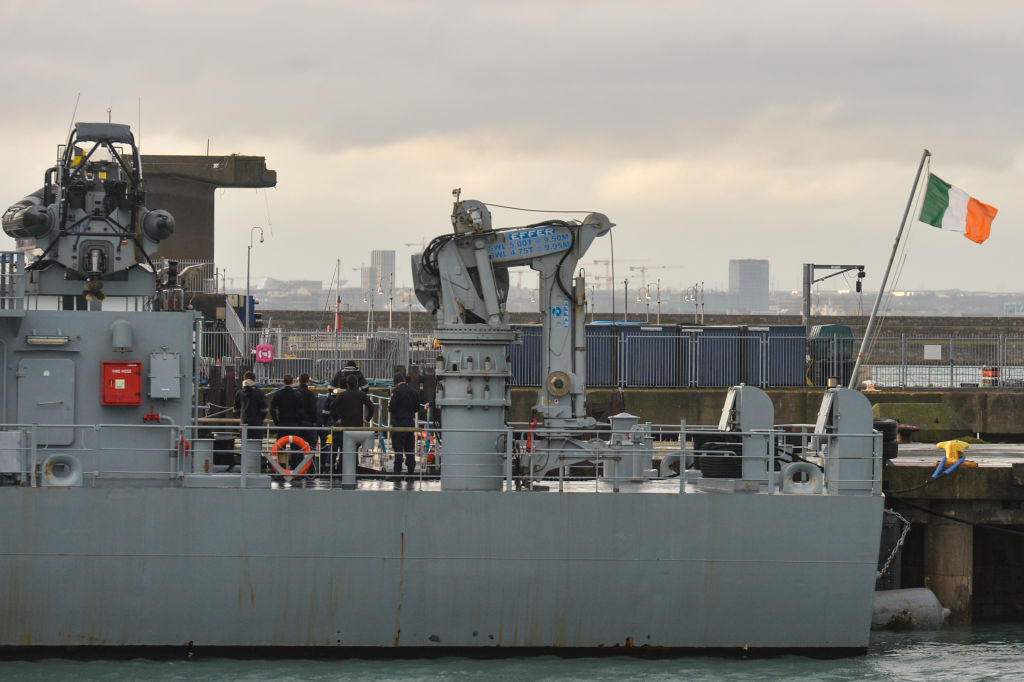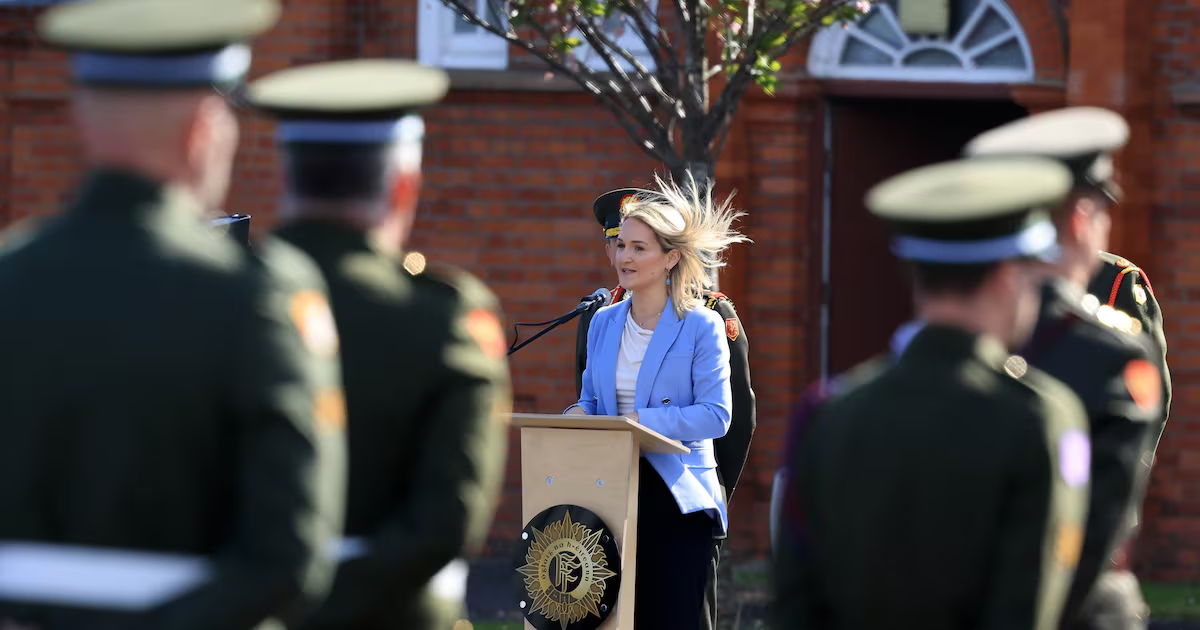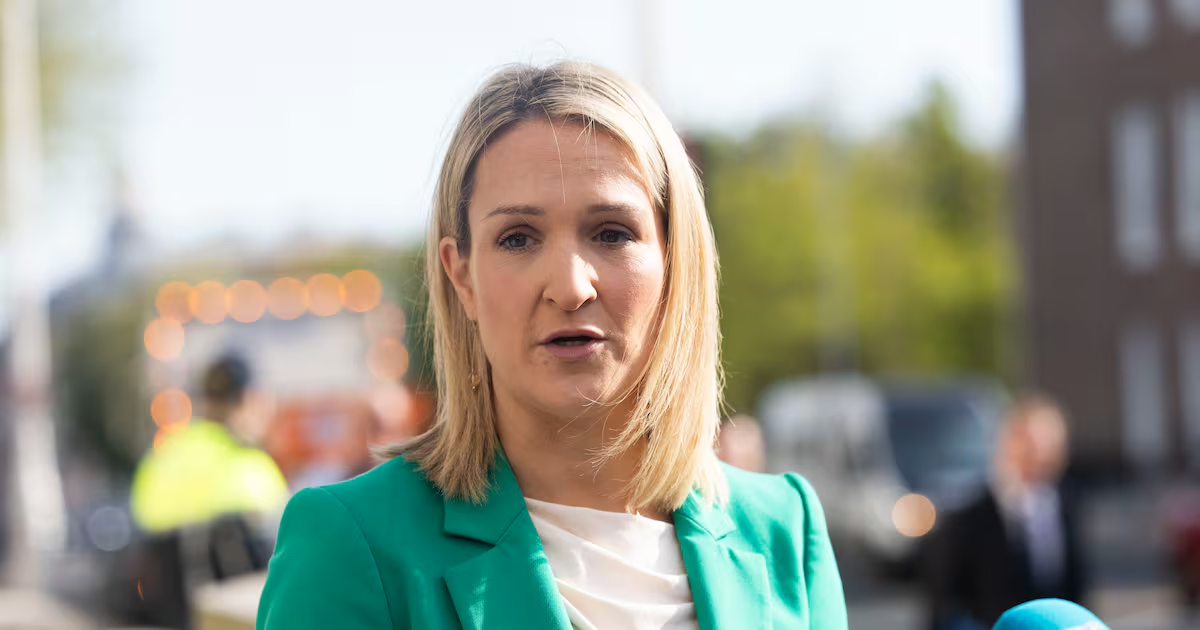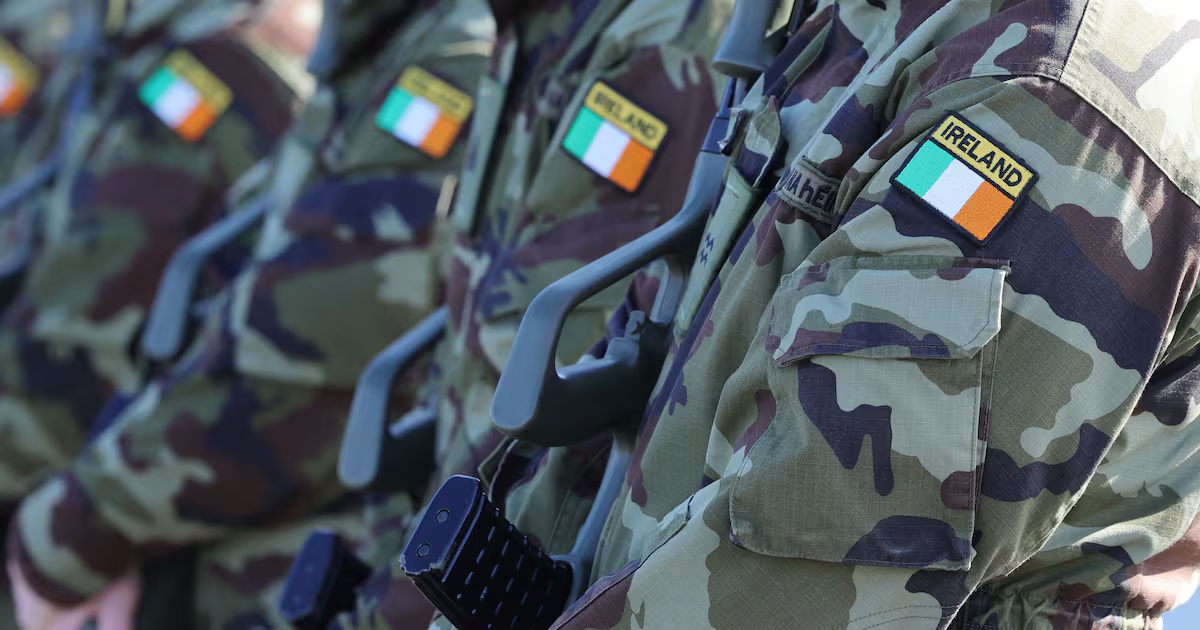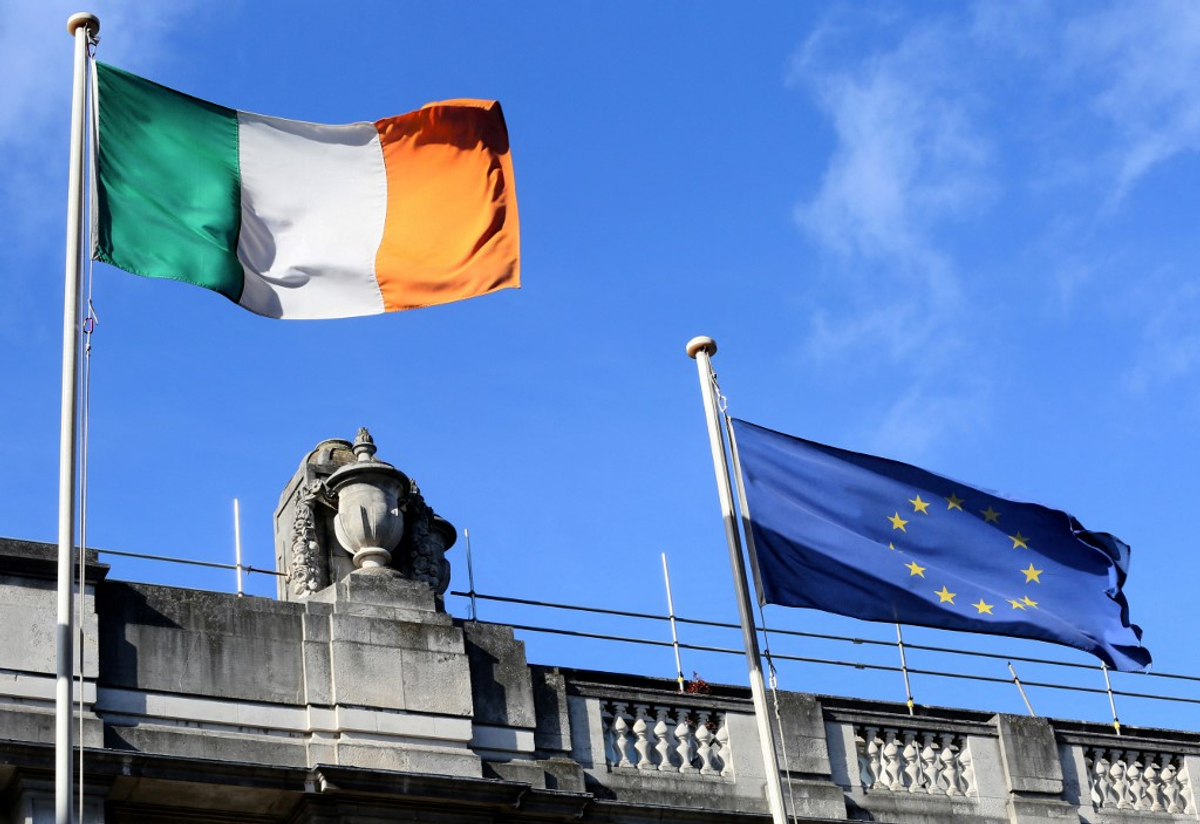
At the beginning of June, the Irish government entered the final phase of reforming the so-called “triple lock” mechanism – the rule that government and parliamentary decisions alone are not sufficient to send Irish soldiers on international missions, as approval from the UN Security Council is also required. The new law, expected to be adopted in the coming weeks, would remove the requirement for mandatory Security Council approval, while retaining parliamentary control and formal compliance with the UN Charter.JOIN US ON TELEGRAMFollow our coverage of the war on the @Kyivpost_official. However, that debate goes beyond the issue of international missions. It raises a much broader question: why is a country that has built its identity on military neutrality for generations now rapidly investing in defense, acquiring new capabilities, and, for the first time, speaking openly about the Russian threat and the vulnerability of its critical infrastructure? The answer does not lie in a single decision or incident. The past few years have shown that the security environment around Ireland has changed much faster than its institutions have been willing to admit. The protection of submarine cables, surveillance of the North Atlantic, activities of Russian military and intelligence structures, and the growing importance of critical infrastructure have become issues that Dublin can no longer regard as the problems of other states. As a result, Ireland has begun the most ambitious modernization of its defense forces in decades. What was politically unthinkable just a few years ago is now becoming official state policy.
The Limits of Irish Neutrality
Ireland accelerates its defense overhaul as Russian activity and undersea cable threats expose the limits of longstanding military neutrality.
1,513 words~7 min read